
Dopamine and Schizophrenia: Understanding the Complex Brain Chemistry Involved

Welcome to Mind Care Guide, a sanctuary for understanding mental well-being.
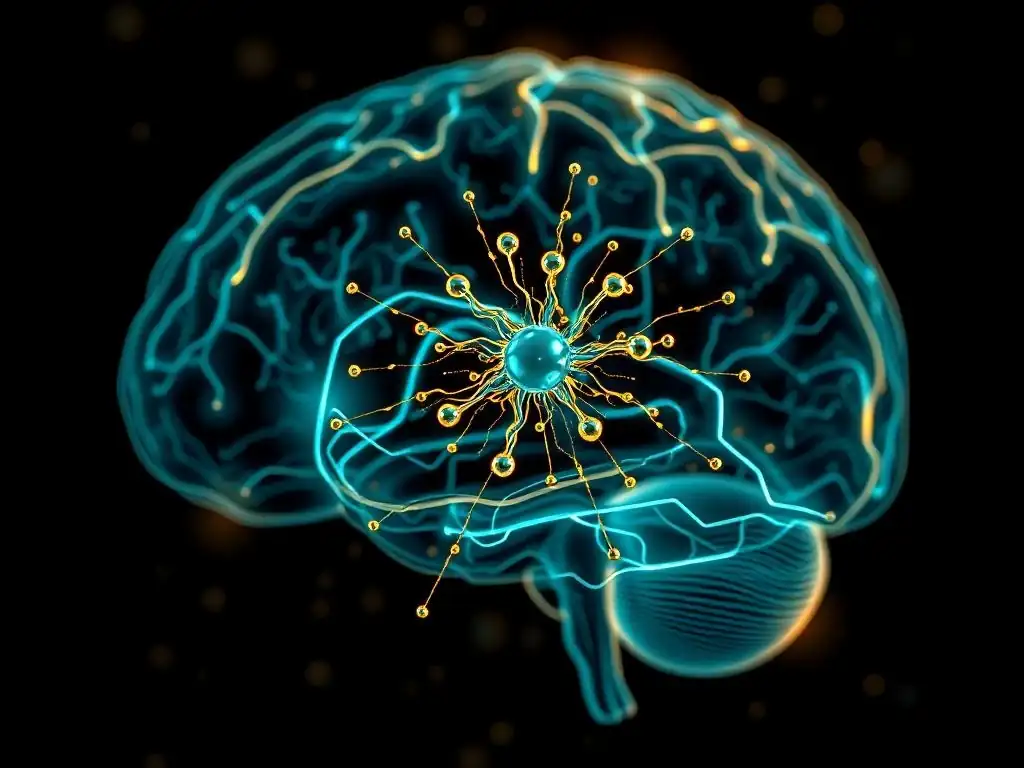
Ever wondered about the intricate dance of brain chemicals and their impact on our mental state? This is particularly true when exploring conditions like schizophrenia. Let's delve into the fascinating – and sometimes challenging – world of neuroscience, specifically focusing on the dopamine schizophrenia brain chemistry links. Prepare to unravel the complexities and gain a deeper understanding of how these connections shape lived experiences. Ready to explore this crucial aspect of mental health?
Dopamine and Schizophrenia: Understanding the Complex Brain Chemistry Involved
- Introduction: Exploring the Dopamine-Schizophrenia Connection
- Schizophrenia: An Overview of Symptoms and Diagnosis
- Dopamine: The Neurotransmitter at the Heart of Schizophrenia
- The Dopamine Hypothesis of Schizophrenia: An In-Depth Look
- Evidence Supporting the Dopamine-Schizophrenia Link
- Beyond Dopamine: Other Neurotransmitters Involved in Schizophrenia
- Genetic and Environmental Factors Influencing Dopamine and Schizophrenia
- Treatments Targeting Dopamine in Schizophrenia
- Understanding Brain Chemistry Links: Implications for Schizophrenia Research
- Living with Schizophrenia: Resources and Support
-
Frequently Asked Questions
- What is the primary role of dopamine in the context of schizophrenia?
- How does the brain chemistry of someone with schizophrenia differ from someone without the condition?
- What are the main brain regions affected by dopamine imbalances in schizophrenia?
- Are there medications that target dopamine to treat schizophrenia, and how do they work?
- Is dopamine the only neurotransmitter involved in schizophrenia, or are others implicated?
- Final Reflection: Unraveling the Dopamine-Schizophrenia Enigma
- Unlock Your Understanding: Dive Deeper into Dopamine and Schizophrenia
Introduction: Exploring the Dopamine-Schizophrenia Connection
Mind Care Guide's Perspective on Schizophrenia and Neurotransmitters
Schizophrenia is a complex mental health condition that affects millions worldwide, presenting a significant challenge for individuals, families, and healthcare systems. At Mind Care Guide, we understand that navigating the landscape of schizophrenia involves delving into its multifaceted origins, including the intricate workings of the brain. Our perspective is rooted in providing clear, accessible information, acknowledging the biological underpinnings while emphasizing empathy and support for those impacted. We believe that understanding the dopamine schizophrenia brain chemistry links is a crucial step towards demystifying the illness and improving treatment strategies.
This article aims to shed light on the profound relationship between dopamine, a key neurotransmitter, and the development and manifestation of schizophrenia symptoms. By exploring the current scientific understanding of these complex interactions, we hope to empower our readers with knowledge. It's important to remember that while brain chemistry plays a vital role, schizophrenia is influenced by a confluence of genetic, environmental, and social factors, and effective care requires a holistic approach addressing all these dimensions.
The Role of Brain Chemistry in Mental Well-being
The human brain is an incredibly complex organ, relying on a delicate balance of chemical messengers called neurotransmitters to regulate everything from mood and thought processes to movement and perception. These chemicals transmit signals between nerve cells, or neurons, across tiny gaps called synapses. When this chemical communication system is disrupted, it can significantly impact mental health, contributing to a wide range of conditions.
Understanding the specific ways in which neurotransmitter systems, such as the dopamine system, are altered in conditions like schizophrenia is fundamental to developing effective treatments. Research into the dopamine schizophrenia brain chemistry links has revolutionized our understanding of psychosis and paved the way for antipsychotic medications. However, the field is continuously evolving, revealing that the picture is more nuanced than initially thought, involving interactions between multiple neurotransmitters and complex neural circuits.
Schizophrenia: An Overview of Symptoms and Diagnosis
Positive Symptoms of Schizophrenia: Hallucinations and Delusions
Positive symptoms in schizophrenia are experiences that are added to the person's reality, meaning they are present but should not be. The most prominent are hallucinations, which are sensory experiences occurring without an external stimulus. Auditory hallucinations, such as hearing voices, are the most common, reported by approximately 70-80% of individuals with schizophrenia. These voices can be critical, commanding, or conversational, significantly impacting daily functioning and distress levels. Other hallucinations can involve seeing things (visual), smelling things (olfactory), tasting things (gustatory), or feeling things on the skin (tactile).
Delusions are firmly held false beliefs that are not consistent with a person's culture and are resistant to disconfirming evidence. Common types include paranoid delusions (believing one is being persecuted or spied on), grandiose delusions (believing one has special powers or is a famous figure), and somatic delusions (false beliefs about one's body).
For example, a person might be convinced that government agencies are monitoring their thoughts via radio waves embedded in their teeth. These symptoms are often the most distressing and disruptive aspects of the illness, frequently leading to hospitalization and requiring targeted pharmacological intervention, often linked to understanding dopamine schizophrenia brain chemistry links.
Negative symptoms represent a decrease or absence of normal behaviors and emotions. They can be particularly challenging as they are often mistaken for laziness or lack of motivation, leading to misunderstandings and difficulties in social reintegration. Avolition, the decrease in motivated self-initiated purposeful activities, is a key negative symptom.
This might manifest as sitting for long periods or showing little interest in participating in work or social activities. Affective flattening or blunting refers to a reduction in the range and intensity of emotional expression, where a person may show little facial expression, make minimal eye contact, and speak in a monotone voice.
Alogia is the diminished quantity or quality of speech, where responses may be brief and concrete. Anhedonia is the reduced ability to experience pleasure from positive stimuli, making activities once enjoyed seem uninteresting. Asociality refers to the lack of interest in social interactions, leading to social withdrawal.
These negative symptoms are present in a significant portion of individuals with schizophrenia, with estimates varying but often impacting 40-60% of those affected. Unlike positive symptoms, negative symptoms are often less responsive to traditional antipsychotic medications that primarily target dopamine, highlighting the need for a more comprehensive understanding of the underlying dopamine schizophrenia brain chemistry links and other neurological factors.
Cognitive Symptoms of Schizophrenia: Challenges in Thinking and Memory
Cognitive symptoms involve difficulties with attention, memory, and executive functions – the skills needed for planning, decision-making, and problem-solving. These symptoms are considered core features of schizophrenia and can significantly impair a person's ability to live independently, maintain employment, or engage in complex social interactions. For instance, individuals may struggle with working memory, finding it hard to hold information in mind and use it, such as remembering steps in a recipe or following instructions.
Difficulties with attention can make it hard to focus or filter out irrelevant stimuli, leading to distractibility. Executive function deficits can impact planning, organization, and abstract thinking. For example, a simple task like planning a trip to the grocery store might become overwhelming due to problems sequencing steps or anticipating potential issues.
While not as overtly dramatic as positive symptoms, cognitive deficits are often present before the onset of psychosis and can persist even when positive symptoms are controlled by medication. Research into the dopamine schizophrenia brain chemistry links is also exploring how dopamine dysregulation, particularly in the prefrontal cortex, might contribute to these challenging cognitive symptoms.
Dopamine: The Neurotransmitter at the Heart of Schizophrenia
What is Dopamine and How Does it Function?
Dopamine is a crucial neurotransmitter and neurohormone produced in several areas of the brain, most notably the substantia nigra and the ventral tegmental area (VTA). It plays a vital role in a wide range of brain functions, including motor control, motivation, reward and pleasure, cognition, and executive functions. When a neuron needs to send a signal using dopamine, it releases dopamine molecules into the synapse, the space between neurons. These molecules then bind to specific proteins on the receiving neuron, called dopamine receptors, triggering a response in that cell.
After binding, dopamine is quickly removed from the synapse, primarily through a process called reuptake, facilitated by dopamine transporters (DAT). The balance of dopamine synthesis, release, receptor binding, and reuptake is essential for healthy brain function. Disruptions at any point in this cycle can lead to too much or too little dopamine signaling in specific brain regions. Understanding this intricate ballet of chemical signaling is fundamental to grasping the dopamine schizophrenia brain chemistry links.
Dopamine Pathways in the Brain: Mesolimbic, Mesocortical, Nigrostriatal, and Tuberoinfundibular
Dopamine neurons are organized into several distinct pathways that project to different areas of the brain, each associated with specific functions. The mesolimbic pathway originates in the VTA and projects to areas like the nucleus accumbens and amygdala; it is heavily involved in reward, motivation, and pleasure. Overactivity in this pathway is strongly implicated in the positive symptoms of schizophrenia, such as hallucinations and delusions.
The mesocortical pathway also originates in the VTA but projects to the prefrontal cortex. This pathway is crucial for cognitive functions, including planning, working memory, and executive control. Hypoactivity (underactivity) in the mesocortical pathway is thought to contribute to the negative and cognitive symptoms of schizophrenia. The nigrostriatal pathway originates in the substantia nigra and projects to the striatum, primarily controlling voluntary movement.
Dysregulation here is often associated with motor side effects of antipsychotic medications. Lastly, the tuberoinfundibular pathway originates in the hypothalamus and projects to the pituitary gland, regulating hormone release, particularly prolactin. Understanding the specific roles of these pathways is key to dissecting the complex dopamine schizophrenia brain chemistry links.
Normal Dopamine Function vs. Dopamine Imbalance
In a healthy brain, dopamine signaling is tightly regulated, ensuring that the right amount of dopamine is released at the right time in the correct brain regions. This precise balance allows for appropriate responses to stimuli, effective cognitive processing, and coordinated movement. For example, dopamine release in the mesolimbic pathway is part of the brain's natural reward system, reinforcing behaviors necessary for survival.
In schizophrenia, this delicate balance is disrupted. The leading hypothesis suggests a relative excess of dopamine activity in the mesolimbic pathway contributes to positive symptoms, while a relative deficit in the mesocortical pathway contributes to negative and cognitive symptoms. This regional specificity of dopamine dysregulation is a cornerstone of modern theories regarding the dopamine schizophrenia brain chemistry links. It explains why different symptom clusters in schizophrenia might stem from different imbalances within the same neurotransmitter system.
The Dopamine Hypothesis of Schizophrenia: An In-Depth Look
Original Dopamine Hypothesis: Excess Dopamine Activity
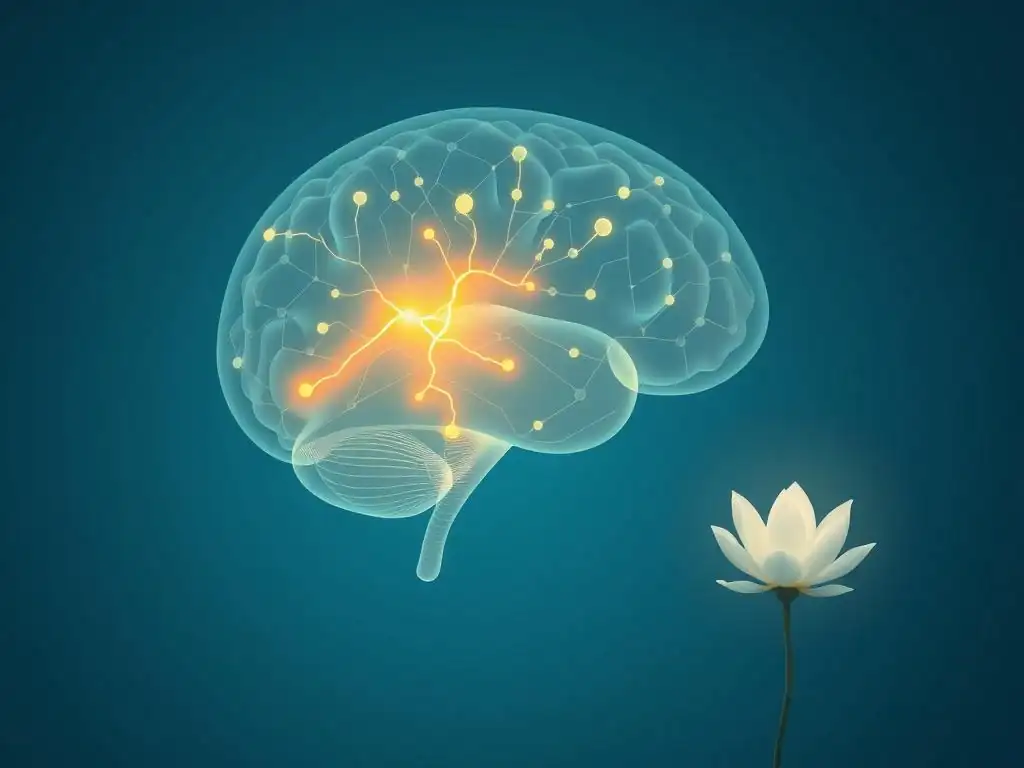
The original dopamine hypothesis of schizophrenia, first proposed in the 1960s, was based on two key observations: the effectiveness of antipsychotic drugs (like chlorpromazine) in reducing psychotic symptoms, and the fact that these drugs block dopamine receptors. Furthermore, drugs that increase dopamine levels, such as amphetamines, were known to induce psychotic states resembling schizophrenia in healthy individuals. This led to the straightforward idea that schizophrenia was caused by an excess of dopamine activity in the brain.
This initial hypothesis primarily focused on the idea of a general overactivity of the dopamine system, particularly linking it to the positive symptoms. It provided a simple, yet powerful, framework for understanding the biological basis of the illness and guided the development of the first generation of antipsychotic medications. While foundational, this early model didn't fully account for all symptoms of schizophrenia or the complexities of the dopamine system, prompting later refinements to the dopamine schizophrenia brain chemistry links theory.
Refinements to the Dopamine Hypothesis: Specific Receptor Involvement (D2, D1, D3, D4, D5)
Subsequent research revealed that dopamine acts on a family of receptors, classified into five subtypes: D1, D2, D3, D4, and D5. These receptors belong to two main families based on their signaling properties: the D1-like family (D1 and D5) which generally excite neurons, and the D2-like family (D2, D3, and D4) which generally inhibit neurons. It became clear that not all dopamine receptors were equally involved in the effects of antipsychotics or the symptoms of schizophrenia.
A major refinement focused on the central role of the D2 receptor. Most effective antipsychotic medications, both first and second generation, share the common property of blocking D2 receptors. The degree to which an antipsychotic binds to and blocks D2 receptors correlates strongly with its clinical potency in reducing positive symptoms.
Research also began to explore the roles of other receptors, such as D1 receptors potentially involved in cognitive symptoms, and D3 receptors, which are highly expressed in limbic areas and might contribute to emotional and motivational deficits. Understanding the specific involvement of these receptor subtypes significantly deepened the understanding of the dopamine schizophrenia brain chemistry links.
The Role of Dopamine in Different Brain Regions Affected by Schizophrenia
The refined dopamine hypothesis posits that different symptoms of schizophrenia are linked to dopamine dysregulation in specific brain pathways. The positive symptoms (hallucinations, delusions) are primarily associated with hyperactivity of dopamine signaling in the mesolimbic pathway, which projects from the VTA to areas like the nucleus accumbens and amygdala. This overactivity is thought to lead to a misattribution of salience, where irrelevant stimuli are perceived as highly significant, contributing to paranoid beliefs or hallucinatory experiences.
Conversely, the negative and cognitive symptoms of schizophrenia are hypothesized to result from hypoactivity (underactivity) of dopamine signaling, particularly in the mesocortical pathway, which projects from the VTA to the prefrontal cortex. This deficit in dopamine in areas critical for executive function and motivation is believed to underlie difficulties with planning, working memory, attention, and emotional expression. This nuanced view, highlighting regional differences in dopamine function, provides a more comprehensive model of the dopamine schizophrenia brain chemistry links than the original global excess hypothesis.
Evidence Supporting the Dopamine-Schizophrenia Link
Studies Linking Elevated Dopamine Levels to Psychotic Symptoms
Numerous lines of evidence support the crucial role of dopamine in schizophrenia, particularly in the manifestation of positive symptoms. Studies using PET (Positron Emission Tomography) and SPECT (Single-Photon Emission Computed Tomography) imaging techniques have provided insights into dopamine activity in the living brain. Some studies, for example, have reported increased synthesis and release of dopamine in the striatum of individuals with schizophrenia, particularly those experiencing acute psychosis.
Furthermore, challenges with dopamine-releasing agents, such as amphetamine, tend to provoke or exacerbate psychotic symptoms in individuals with schizophrenia to a greater extent than in healthy controls. This heightened sensitivity to dopamine-releasing drugs further supports the idea of a hyperactive mesolimbic dopamine system in the illness. While not all studies find identical results, the preponderance of evidence from these types of investigations strongly supports the dopamine schizophrenia brain chemistry links, particularly concerning the overactivity contributing to positive symptoms.
Effectiveness of Antipsychotic Medications Targeting Dopamine Receptors
Perhaps the most compelling evidence for the dopamine schizophrenia brain chemistry links comes from the consistent efficacy of antipsychotic medications. The vast majority of drugs used to treat the positive symptoms of schizophrenia work primarily by blocking dopamine D2 receptors. First-generation antipsychotics (FGAs), like haloperidol and chlorpromazine, are potent D2 receptor antagonists. Their ability to reduce hallucinations and delusions is strongly correlated with their affinity for the D2 receptor.
Second-generation antipsychotics (SGAs), such as risperidone and olanzapine, also block D2 receptors, although often with a slightly different profile and additional actions on other neurotransmitter systems, particularly serotonin. The fact that blocking D2 receptors is a shared mechanism across effective antipsychotics, despite their other differences, underscores the central role of this receptor subtype in mediating the positive symptoms of schizophrenia. This pharmacological evidence has been foundational in understanding the dopamine schizophrenia brain chemistry links.
Imaging Studies: Examining Dopamine Receptor Activity in Schizophrenia Patients
Advanced neuroimaging techniques, particularly PET and SPECT, have allowed researchers to directly visualize and quantify dopamine receptors and transporters in the brains of individuals with schizophrenia. Studies using ligands that bind to dopamine receptors have consistently shown alterations in dopamine D2 receptor binding in the striatum of patients. While some studies initially suggested increased D2 receptor density, later research controlling for medication history often points towards an increased release of dopamine or increased sensitivity of receptors in response to dopamine.
For example, some PET studies have shown that patients with schizophrenia release significantly more dopamine in the striatum in response to a stimulus (like amphetamine) compared to healthy controls. Other studies have focused on D1 receptor binding, finding reduced levels in the prefrontal cortex of individuals with schizophrenia, potentially linking this to the cognitive and negative symptoms. These imaging findings provide powerful in-vivo evidence supporting the complex dopamine schizophrenia brain chemistry links and their regional specificities.
Beyond Dopamine: Other Neurotransmitters Involved in Schizophrenia
Serotonin's Role in Schizophrenia: Interactions with Dopamine
While dopamine holds a central position in understanding schizophrenia, it is increasingly clear that other neurotransmitter systems are also involved, often interacting with dopamine. Serotonin, another crucial neurotransmitter involved in mood, sleep, and appetite, has also been implicated. Many second-generation antipsychotics, which are often more effective at treating a broader range of symptoms and have fewer motor side effects than FGAs, block both dopamine D2 receptors and serotonin 5-HT2A receptors.
The interaction between dopamine and serotonin is complex. Serotonin can modulate dopamine release and activity in various brain regions. For instance, 5-HT2A receptors are found on dopamine neurons and can regulate their firing. Blocking 5-HT2A receptors, as SGAs do, may indirectly influence dopamine activity, potentially explaining some of their unique effects, such as improved efficacy against negative symptoms or reduced propensity for motor side effects compared to FGAs. Research into these serotonin-dopamine interactions adds another layer to the understanding of dopamine schizophrenia brain chemistry links and points towards polypharmacological approaches.
Glutamate and Schizophrenia: NMDA Receptor Hypofunction
Glutamate is the brain's primary excitatory neurotransmitter and is critical for learning, memory, and synaptic plasticity. The glutamate hypothesis of schizophrenia suggests that hypofunction (underactivity) of glutamate signaling, particularly at N-methyl-D-aspartate (NMDA) receptors, plays a significant role in the illness. This hypothesis is supported by the fact that drugs that block NMDA receptors, such as phencyclidine (PCP) and ketamine, can induce a wide range of symptoms resembling schizophrenia, including positive, negative, and cognitive symptoms, in healthy individuals.
Crucially, there are significant interactions between the glutamate and dopamine systems. NMDA receptors are found on dopamine neurons, and glutamate signaling can influence dopamine release and neuronal firing rates. Conversely, dopamine can modulate glutamate release and receptor function. NMDA receptor hypofunction is thought to lead to downstream effects on dopamine systems, potentially contributing to both the mesolimbic hyperactivity and mesocortical hypoactivity seen in schizophrenia. Exploring these glutamate-dopamine interactions is vital for a complete picture of dopamine schizophrenia brain chemistry links.
GABA and Schizophrenia: Inhibitory Neurotransmission
Gamma-aminobutyric acid (GABA) is the brain's primary inhibitory neurotransmitter, counterbalancing the excitatory effects of glutamate and helping to regulate neuronal activity. Disruptions in GABAergic signaling have also been implicated in schizophrenia. Studies have found reduced levels of GABA or enzymes involved in GABA synthesis in certain brain regions of individuals with schizophrenia, particularly in the prefrontal cortex and hippocampus.
GABA neurons often act as interneurons, regulating the activity of other neurons, including those that use dopamine or glutamate. For example, GABAergic interneurons in the prefrontal cortex play a role in regulating dopamine release and activity. Impaired GABAergic inhibition could lead to dysregulated firing patterns in neural circuits, contributing to the cognitive deficits and potentially influencing dopamine dysregulation. Research into GABAergic dysfunction adds another dimension to understanding the intricate network of dopamine schizophrenia brain chemistry links and other neurotransmitter imbalances in schizophrenia.
Genetic and Environmental Factors Influencing Dopamine and Schizophrenia
Genetic Predisposition to Dopamine Dysregulation
Schizophrenia is a highly heritable condition, meaning that genetic factors play a significant role in determining an individual's risk. While no single "schizophrenia gene" exists, numerous genes have been identified through large-scale genetic studies (like genome-wide association studies - GWAS) that contribute to risk. Many of these genes are involved in brain development, synaptic function, and crucially, neurotransmitter systems, including dopamine.
For example, genes involved in dopamine synthesis, metabolism, transport (like the dopamine transporter gene, DAT or SLC6A3), and especially dopamine receptors (like DRD2 which codes for the D2 receptor) have been associated with schizophrenia risk. Variations in these genes can potentially affect dopamine signaling efficiency, receptor sensitivity, or dopamine levels in specific brain regions, thus contributing to a predisposition for dopamine dysregulation. Understanding these genetic influences is key to unraveling the complex dopamine schizophrenia brain chemistry links from a developmental perspective.
Environmental Stressors and Dopamine Sensitivity
Environmental factors also interact with genetic predisposition to increase the risk of developing schizophrenia. Various stressors experienced throughout life, particularly during critical periods of brain development (e.g., prenatal period, adolescence), have been linked to increased risk. These include obstetric complications, infections, substance use (especially cannabis), and exposure to urban environments or migration.
These environmental stressors are hypothesized to impact brain development and neurotransmitter systems, potentially increasing sensitivity to dopamine dysregulation later in life. For instance, early life stress or chronic stress in adolescence has been shown in animal models to alter the development and function of dopamine pathways, particularly the mesolimbic and mesocortical circuits. This suggests that while genetics may load the gun, environmental factors can pull the trigger by modulating the vulnerability of dopamine systems. Understanding how environmental exposures modify dopamine schizophrenia brain chemistry links is an active area of research.
Gene-Environment Interactions in the Development of Schizophrenia
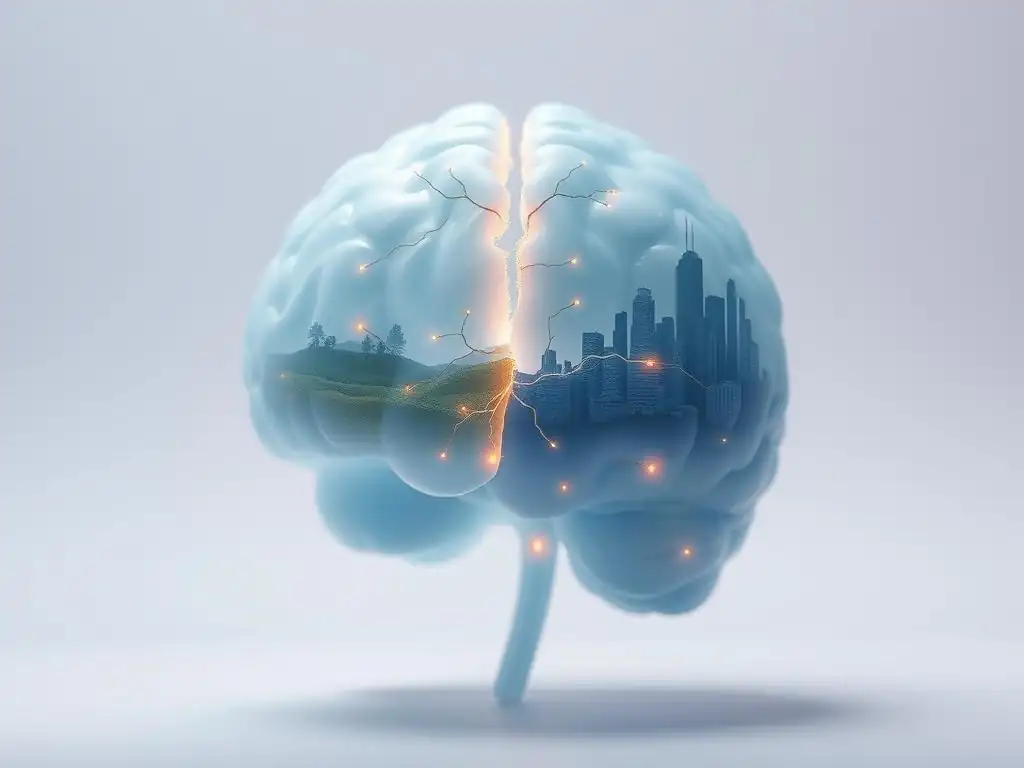
The most current understanding of schizophrenia etiology emphasizes the interplay between genetic vulnerability and environmental exposures – the gene-environment interaction. An individual may carry genetic variants that make their dopamine system inherently more sensitive to disruption, but they may not develop schizophrenia unless exposed to specific environmental triggers during critical developmental windows.
A well-studied example involves variants of the COMT gene, which affects dopamine metabolism, particularly in the prefrontal cortex. Individuals with certain COMT variants may have less efficient dopamine breakdown in this region. If they are also exposed to a significant environmental stressor, like heavy cannabis use during adolescence, which is known to impact dopamine systems, their risk of developing psychosis may be substantially higher than someone with the same genetic variant but without the environmental exposure, or vice versa. These complex gene-environment interactions highlight how dopamine schizophrenia brain chemistry links are shaped over a lifetime.
Treatments Targeting Dopamine in Schizophrenia
First-Generation Antipsychotics (FGAs): Dopamine Receptor Antagonists
First-generation antipsychotics (FGAs), also known as typical antipsychotics, were the first class of medications developed to treat schizophrenia. Introduced in the 1950s, drugs like chlorpromazine, haloperidol, and fluphenazine revolutionized the management of the illness by effectively reducing positive symptoms such as hallucinations and delusions. Their primary mechanism of action is potent blockade of dopamine D2 receptors, particularly in the mesolimbic pathway.
While highly effective for positive symptoms, FGAs often have significant side effects related to their action on dopamine pathways involved in motor control (nigrostriatal pathway) and hormone regulation (tuberoinfundibular pathway). These side effects can include extrapyramidal symptoms (EPS) like parkinsonism (tremors, stiffness), dystonia (muscle spasms), and akathisia (restlessness), as well as tardive dyskinesia (involuntary movements) with long-term use. They also frequently cause elevated prolactin levels. Despite these drawbacks, FGAs remain important treatment options, particularly in certain clinical situations, underscoring the central role of D2 receptor antagonism in addressing the dopamine schizophrenia brain chemistry links underlying psychosis.
Second-Generation Antipsychotics (SGAs): Dopamine and Serotonin Modulation
Second-generation antipsychotics (SGAs), or atypical antipsychotics, were developed starting in the 1990s and are now the most commonly prescribed medications for schizophrenia. Examples include clozapine, risperidone, olanzapine, quetiapine, and aripiprazole. SGAs also block dopamine D2 receptors, but typically with a different binding profile (e.g., looser binding or partial agonism) compared to FGAs. Crucially, most SGAs also have significant activity at serotonin receptors, particularly blocking 5-HT2A receptors.
This combined action on dopamine and serotonin is thought to contribute to their potentially broader efficacy, including some improvement in negative and cognitive symptoms for some individuals, and a lower risk of motor side effects compared to FGAs. For instance, the ratio of 5-HT2A to D2 receptor blockade is considered important; stronger 5-HT2A blockade relative to D2 blockade may mitigate the motor side effects caused by D2 blockade in the nigrostriatal pathway.
However, SGAs can have their own side effects, including metabolic issues like weight gain, increased blood sugar, and lipid abnormalities. The development and use of SGAs highlight the evolving understanding of dopamine schizophrenia brain chemistry links and the importance of considering interactions with other neurotransmitter systems for better treatment outcomes.
The Future of Dopamine-Targeted Therapies for Schizophrenia
While current antipsychotics primarily target dopamine D2 receptors, the future of dopamine-targeted therapies is exploring more nuanced approaches based on the refined understanding of the dopamine schizophrenia brain chemistry links. Research is investigating compounds that selectively target specific dopamine receptor subtypes (e.g., D1, D3) or that modulate dopamine release and reuptake in a more pathway-specific manner.
For example, drugs that act as partial agonists at the D2 receptor (like aripiprazole) may offer a different balance of activity compared to pure antagonists, potentially stabilizing dopamine signaling by acting as an antagonist where dopamine is high (mesolimbic) and a partial agonist where dopamine is low (mesocortical). Other avenues include developing drugs that modulate dopamine synthesis or transport, or therapies that indirectly influence dopamine through other systems like glutamate or GABA.
The goal is to develop treatments that are more effective across the full spectrum of schizophrenia symptoms with fewer side effects, moving towards truly personalized medicine based on an individual's specific dopamine schizophrenia brain chemistry links.
Understanding Brain Chemistry Links: Implications for Schizophrenia Research
Advancements in Neuroimaging Techniques
Significant progress in understanding the dopamine schizophrenia brain chemistry links has been driven by advancements in neuroimaging. Techniques like PET and SPECT allow researchers to visualize and quantify neurotransmitter receptors, transporters, and even synthesis capacity in the living human brain. More recent developments, such as using novel radioligands with better specificity for different receptor subtypes or neurotransmitter pools, continue to refine our ability to map these chemical systems.
Functional MRI (fMRI) and Diffusion Tensor Imaging (DTI) provide complementary information by measuring brain activity and connectivity. While not directly measuring neurotransmitters, these techniques allow researchers to see how altered brain chemistry, like dopamine dysregulation, impacts the function and structure of neural circuits. For example, fMRI can show how connectivity between the prefrontal cortex and striatum is altered in schizophrenia, which is hypothesized to be related to mesocortical dopamine hypoactivity. These imaging tools are invaluable for testing hypotheses about dopamine schizophrenia brain chemistry links and monitoring treatment effects.
Personalized Medicine Approaches Based on Dopamine Profiles
The growing understanding of the heterogeneity within schizophrenia and the specific dopamine schizophrenia brain chemistry links in different individuals is paving the way for personalized medicine approaches. It is increasingly recognized that not all individuals with schizophrenia have the exact same pattern of dopamine dysregulation, and their response to medications that target dopamine can vary.
Research is exploring whether neuroimaging, genetic testing, or other biomarkers related to dopamine system function could help predict which antipsychotic medication is most likely to be effective for a particular individual or identify those who might benefit from treatments targeting other systems. For example, studies are investigating if measures of striatal dopamine synthesis capacity or D2 receptor availability correlate with symptom profiles or treatment response. While still largely experimental, the goal is to move beyond trial-and-error prescribing towards treatments tailored to an individual's specific brain chemistry, including their unique dopamine schizophrenia brain chemistry links.
Future Directions in Schizophrenia Treatment: Novel Therapeutic Targets
Based on the evolving understanding of the complex dopamine schizophrenia brain chemistry links and the involvement of other systems, future research is exploring therapeutic targets beyond the traditional D2 receptor blockade. As the role of NMDA receptor hypofunction in glutamate signaling becomes clearer, drugs that enhance NMDA receptor function or modulate glutamate transmission are being investigated.
Similarly, compounds that modulate GABAergic neurotransmission are potential therapeutic avenues. Research is also looking at targets involved in dopamine synthesis, metabolism, or transport, or receptors like D1 or D3 that may play specific roles in cognitive or negative symptoms. The field is also moving towards understanding the interplay between neurotransmitters, inflammation, and immune system function in schizophrenia. These novel targets hold the promise of developing treatments that address the full spectrum of symptoms, including the often treatment-resistant negative and cognitive deficits, by influencing the complex network of dopamine schizophrenia brain chemistry links and associated pathways.
Living with Schizophrenia: Resources and Support
Mind Care Guide's Resources for Individuals and Families Affected by Schizophrenia
Living with schizophrenia presents significant challenges, but recovery and a fulfilling life are absolutely possible with the right support. At Mind Care Guide, we are committed to providing valuable resources for individuals diagnosed with schizophrenia and their loved ones. Our website offers comprehensive information on understanding the illness, including detailed explanations of topics like the dopamine schizophrenia brain chemistry links, symptom management strategies, and treatment options.
We provide guides on coping skills, maintaining physical health, and navigating daily life challenges. For families and caregivers, we offer resources on how to support a loved one, manage crises, and understand the impact of the illness. Our goal is to be a trusted source of information and a beacon of hope, emphasizing that knowledge about the illness, including its biological underpinnings like brain chemistry, is a powerful tool in the journey towards recovery.
Support Groups and Mental Health Professionals
Connecting with others who understand the experience of living with schizophrenia or caring for someone with the illness can be incredibly beneficial. Support groups, both in-person and online, offer a safe space to share experiences, gain practical advice, and reduce feelings of isolation. Organizations like the National Alliance on Mental Illness (NAMI) and the Depression and Bipolar Support Alliance (DBSA) offer various support programs specifically for individuals with schizophrenia and their families.
Working with a qualified mental health professional is also essential for managing schizophrenia. This includes psychiatrists who can manage medication, therapists who provide individual or group therapy (such as cognitive behavioral therapy or family therapy), and case managers who can help coordinate care and access community resources. These professionals can help individuals develop coping strategies, improve social skills, and navigate the complexities of the illness, complementing the understanding gained from learning about aspects like dopamine schizophrenia brain chemistry links.
Promoting Well-being and Recovery in Schizophrenia
Recovery from schizophrenia is a personal and ongoing process that involves more than just symptom reduction. It encompasses living a meaningful and fulfilling life in the community. Promoting overall well-being is crucial and involves several key components. Maintaining a healthy lifestyle, including regular exercise, a balanced diet, and adequate sleep, can significantly impact both physical and mental health. Avoiding substances like alcohol and recreational drugs, which can interfere with brain chemistry and medication effectiveness, is also vital.
Engaging in meaningful activities, whether it's work, education, volunteering, or hobbies, contributes to a sense of purpose and improves self-esteem. Building and maintaining social connections helps combat isolation and provides a support network. Developing effective coping strategies for stress and symptoms is also a critical skill. Recovery is a journey, and understanding the illness from all angles, including the biological factors like dopamine schizophrenia brain chemistry links, alongside accessing comprehensive support and focusing on well-being, empowers individuals to navigate this path successfully.
Frequently Asked Questions
What is the primary role of dopamine in the context of schizophrenia?
Dopamine plays a significant role, as the dopamine hypothesis suggests that an overactivity of dopamine in certain brain regions is linked to schizophrenia symptoms. This excess dopamine signaling can contribute to hallucinations and delusions.
How does the brain chemistry of someone with schizophrenia differ from someone without the condition?
Individuals with schizophrenia often exhibit imbalances in neurotransmitter systems, particularly the dopamine system. This can manifest as increased dopamine release or heightened dopamine receptor sensitivity in specific brain areas.
What are the main brain regions affected by dopamine imbalances in schizophrenia?
Key brain regions implicated in schizophrenia and dopamine dysregulation include the mesolimbic pathway, responsible for reward and motivation, and the mesocortical pathway, which influences cognition and executive functions.
Are there medications that target dopamine to treat schizophrenia, and how do they work?
Yes, antipsychotic medications are often prescribed. Many of these drugs work by blocking dopamine receptors in the brain, effectively reducing the level of dopamine activity and alleviating psychotic symptoms.
Is dopamine the only neurotransmitter involved in schizophrenia, or are others implicated?
While dopamine is central to current understanding, other neurotransmitters like glutamate and serotonin are also believed to play a role in the complex brain chemistry of schizophrenia. Further research is exploring these interconnected neurochemical pathways.
Final Reflection: Unraveling the Dopamine-Schizophrenia Enigma
The intricate relationship between dopamine and schizophrenia remains a critical area of ongoing research, impacting the lives of millions and shaping the future of psychiatric treatment. Understanding the complex interplay of neurotransmitters in the brain is not merely an academic pursuit; it's a crucial step towards developing more effective and personalized therapies for this debilitating illness. The implications of this research extend far beyond the laboratory, directly influencing the lives of individuals and families affected by schizophrenia.
The journey of understanding the role of dopamine in schizophrenia has been a long and winding one, revealing the profound impact of neurochemical imbalances on human experience. The sheer complexity of the brain, and the subtle ways in which dopamine dysregulation contributes to the diverse symptoms of schizophrenia, underscore the need for continued investigation. The brain is the most complex thing we know of in the universe.
- This simple statement highlights the immense challenge, but also the immense potential reward, in unraveling the mysteries of this disease. The ongoing research not only promises better treatments but also fosters a deeper understanding of the human mind itself.
Consider the implications of this research for yourself. What does it mean to understand the intricate biochemical processes underlying mental illness? How can this knowledge inform our approach to mental health, fostering empathy, reducing stigma, and advocating for better support systems? Take a moment to reflect on the human cost of this illness and the potential for hope that scientific progress offers. Let this understanding inspire you to learn more, to advocate for improved mental healthcare, and to contribute to a future where individuals living with schizophrenia can thrive.
Unlock Your Understanding: Dive Deeper into Dopamine and Schizophrenia
Thanks for taking the time to explore the fascinating (and sometimes complex!) world of dopamine and schizophrenia with us. You've gained valuable insights into a crucial brain chemical and its role in this challenging condition. Now, let's take that knowledge further!
- Deepen your understanding: Research additional resources on dopamine pathways and schizophrenia treatment. Explore reputable medical journals and websites for updated information. This is your chance to become a true expert on the topic!
- Share this knowledge: Help others understand schizophrenia better by sharing this article with friends, family, or support groups. A simple conversation can make a difference.
- Join the discussion: What's one thing you'll remember most about the role of dopamine in schizophrenia? Share your thoughts in the comments below – let's learn together!