
What to Eat (and Avoid) for Optimal Brain Health & Mood

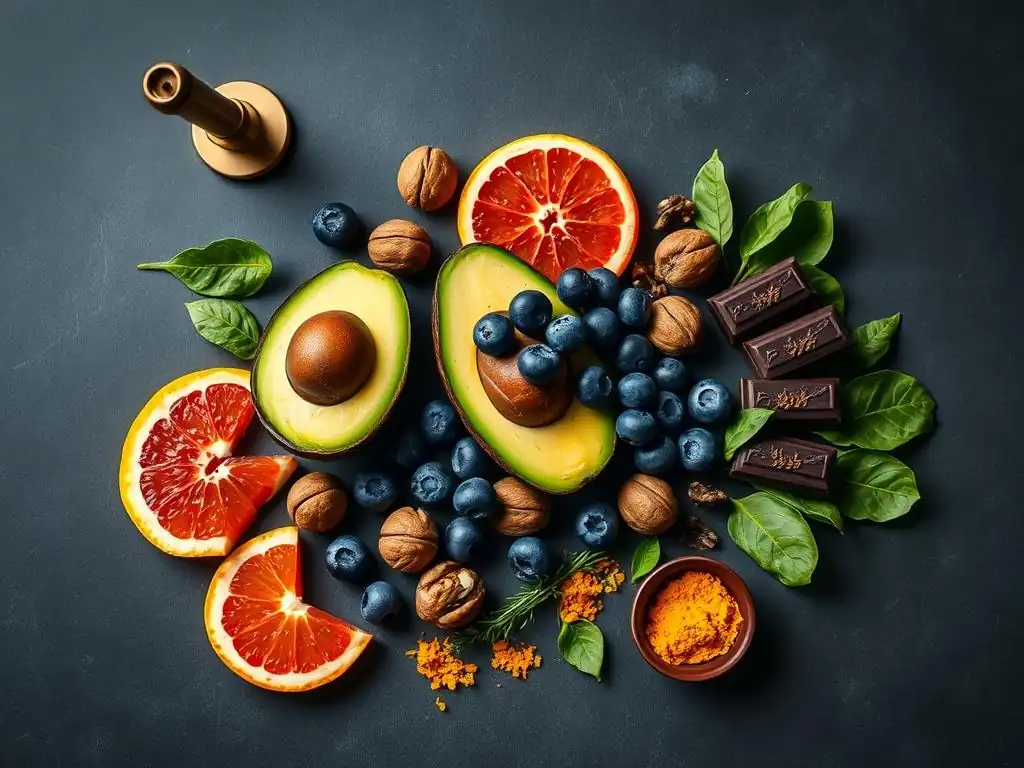
Welcome to Mind Care Guide, your compassionate companion on the journey to mental well-being.
Feeling the connection between what you eat and how you feel slipping away? You're not alone. Discover how brain health nutrition mood can dramatically impact your daily life. This isn't just another diet; it's a pathway to nourishing your mind and lifting your spirits. Curious about the foods that fuel a brighter mood and the ones that might be holding you back? Let's explore together...
What to Eat (and Avoid) for Optimal Brain Health & Mood: A Mind Care Guide
- Introduction: Brain Health, Nutrition, Mood, and Mental Well-being
- The Gut-Brain Axis: How Diet Impacts Mood and Cognitive Function
- Foods to Eat for Enhanced Brain Health and a Better Mood
- Foods to Avoid for Optimal Brain Health and Mood Stability
- Building an Anti-Inflammatory Diet for Mental Health: Practical Tips
- Sample Meal Plans for Brain Health and Mood Improvement
- Lifestyle Factors Complementing Brain Health Nutrition
- Seeking Professional Guidance for Dietary Changes and Mental Health
- Conclusion: Prioritizing Brain Health Nutrition for a Better Mood and Cognitive Function.
-
Frequently Asked Questions
- What is the connection between brain health, nutrition, and mood?
- What are some examples of foods that can boost brain health and improve mood?
- Are there any specific nutrients that are particularly important for brain health and mood regulation?
- What foods should I avoid to maintain optimal brain health and a stable mood?
- How quickly can I expect to see improvements in my mood and brain health after making dietary changes?
- Final Reflection: Nourishing the Mind, Elevating the Spirit
- Unlock Your Brain's Potential: Take Charge of Your Mood & Focus!
Introduction: Brain Health, Nutrition, Mood, and Mental Well-being
The intricate connection between what we eat and how we feel is becoming increasingly clear. Our diet plays a pivotal role not just in our physical health, but profoundly impacts our cognitive function, emotional stability, and overall mental well-being. Understanding this relationship, often referred to as the brain-gut axis, is key to unlocking improved mood and sharper thinking through conscious dietary choices. This guide explores how specific foods and dietary patterns influence brain health nutrition mood, offering practical insights into nourishing your mind from the inside out.
Embarking on a journey to optimize brain health through nutrition can feel empowering. It's about making informed decisions that support the complex network of neurons and neurotransmitters responsible for everything from memory and focus to emotional regulation. By focusing on nutrient-dense foods and minimizing those that can cause harm, we actively contribute to a resilient brain and a more balanced mood. This article will delve into the science behind brain health nutrition mood, highlighting key foods to embrace and those to limit for a brighter, clearer mind.
The Gut-Brain Axis: How Diet Impacts Mood and Cognitive Function
The gut-brain axis is a bidirectional communication system linking the central nervous system with the enteric nervous system (the nervous system of the gut). This complex pathway involves hormonal, immune, and neural signals, heavily influenced by the trillions of microorganisms residing in our digestive tract – our gut microbiome.
Research consistently shows that the composition and health of this microbiome are intimately tied to our mental state, affecting conditions like anxiety, depression, and even cognitive decline. A diet rich in fiber and diverse plant foods fosters a healthy gut microbiome, which in turn supports the production of neurotransmitters like serotonin, a key player in mood regulation, much of which is produced in the gut.
Furthermore, the gut microbiome can influence brain function by producing short-chain fatty acids (SCFAs) like butyrate, propionate, and acetate through the fermentation of dietary fiber. These SCFAs have various beneficial effects, including strengthening the gut barrier, reducing inflammation, and potentially crossing the blood-brain barrier to directly impact brain cells.
For instance, butyrate has been shown in studies to support neuronal health and function. Conversely, an imbalance in gut bacteria, often caused by a poor diet high in processed foods and sugar, can lead to increased gut permeability ("leaky gut") and systemic inflammation, which can negatively impact brain health and mood.
Understanding the Connection Between Gut Health and Mental Health
The gut houses a vast community of bacteria, fungi, and viruses, collectively known as the gut microbiome. This ecosystem is critical for digestion, nutrient absorption, and immune function. However, its influence extends far beyond the digestive tract, playing a significant role in mental health via the gut-brain axis.
The gut microbiome communicates with the brain through several pathways: the vagus nerve (a direct neural connection), the immune system (via inflammatory molecules), and the production of neuroactive compounds. For example, certain gut bacteria can produce gamma-aminobutyric acid (GABA), a neurotransmitter that helps regulate anxiety, while others can influence the production of serotonin and dopamine.
Studies have observed differences in the gut microbiome composition between individuals with mood disorders like depression and anxiety compared to healthy controls. For instance, a meta-analysis of 10 studies involving over 1,500 participants suggested that individuals with depression often exhibit reduced microbial diversity and alterations in specific bacterial species.
While causality is complex and requires further research, this highlights the potential for dietary interventions aimed at modulating the gut microbiome to positively impact mental health. Eating fermented foods like yogurt, kefir, sauerkraut, and kimchi, which contain beneficial bacteria, and prebiotics (fibers that feed good bacteria) found in foods like garlic, onions, and bananas, can help cultivate a diverse and healthy gut environment supportive of brain health nutrition mood.
Inflammation and the Brain: The Role of Diet
Chronic low-grade inflammation in the body is increasingly recognized as a contributing factor to various mental health conditions, including depression and anxiety, as well as neurodegenerative diseases. This inflammation can be triggered and exacerbated by dietary factors. Foods high in refined sugars, unhealthy fats (like trans fats and excessive saturated fats), and processed ingredients can promote systemic inflammation, which can then cross the blood-brain barrier and affect brain function. Inflammatory markers like C-reactive protein (CRP) have been found to be elevated in individuals experiencing depression.
Conversely, an anti-inflammatory diet, rich in fruits, vegetables, whole grains, lean proteins, and healthy fats, can help reduce systemic inflammation and protect the brain. For instance, omega-3 fatty acids, abundant in fatty fish, are potent anti-inflammatory agents. A study published in Molecular Psychiatry found that participants who followed a modified Mediterranean diet (rich in anti-inflammatory foods) showed significantly greater reductions in depressive symptoms after 12 weeks compared to a control group. This provides compelling evidence that dietary patterns focused on reducing inflammation are crucial for supporting brain health nutrition mood and overall mental well-being.
Foods to Eat for Enhanced Brain Health and a Better Mood
Adopting a diet focused on nutrient-dense foods is a powerful strategy for supporting cognitive function and emotional resilience. Certain foods are particularly rich in vitamins, minerals, antioxidants, and healthy fats that are essential for brain structure, function, and the production of mood-regulating neurotransmitters. Incorporating these "power foods" into your daily meals can make a significant difference in your journey towards optimal brain health nutrition mood.
Prioritizing whole, unprocessed foods forms the foundation of a brain-boosting diet. Think vibrant fruits and vegetables, lean protein sources, healthy fats, and complex carbohydrates. Making these dietary shifts isn't just about avoiding the bad; it's actively choosing the good, providing your brain with the building blocks it needs to perform at its best and maintain emotional equilibrium.
Power Foods for Brain Health: A Nutritional Guide
Incorporating specific nutrient-rich foods into your diet can provide targeted support for various aspects of brain function, from memory and focus to mood stability.
Berries: Antioxidant Powerhouses for Cognitive Function
Berries, such as blueberries, strawberries, raspberries, and blackberries, are packed with antioxidants, particularly flavonoids, which have been shown to accumulate in areas of the brain important for learning and memory. These compounds help protect brain cells from damage caused by oxidative stress, a process linked to cognitive decline. Research from the Rush University Memory and Aging Project, involving over 900 participants, found that older adults who ate at least one serving of berries per week experienced slower rates of cognitive decline over several years compared to those who ate them less frequently.
Beyond antioxidants, berries also contain compounds that can improve communication between brain cells. Their vibrant colors are a visual cue to their rich nutrient profile, making them an excellent addition to your daily diet for supporting long-term brain health nutrition mood. Aim to include a variety of berries to benefit from their diverse mix of beneficial compounds.
Fatty Fish: Omega-3s for Brain Structure and Function
Fatty fish like salmon, mackerel, trout, sardines, and herring are exceptional sources of omega-3 fatty acids, specifically EPA (eicosapentaenoic acid) and DHA (docosahexaenoic acid). DHA is a major structural component of brain cell membranes, making up about 25% of the total fat content in the brain. Adequate intake of omega-3s is crucial for maintaining cell membrane fluidity, which is essential for effective communication between neurons. Studies have linked higher omega-3 intake and blood levels to improved memory, learning, and reduced risk of age-related cognitive decline.
Furthermore, omega-3s possess potent anti-inflammatory properties, helping to counteract the damaging effects of inflammation on brain tissue. Research has also explored the link between omega-3 levels and mood disorders, with some studies suggesting that lower levels of omega-3s may be associated with an increased risk of depression. Including fatty fish in your diet two to three times per week is a highly effective way to support both the structure and function of your brain, positively influencing brain health nutrition mood.
Leafy Greens: Fueling Neuroplasticity and Mood Regulation
Leafy green vegetables such as spinach, kale, collards, and broccoli are nutritional powerhouses for the brain. They are rich in vitamins K, A, and folate, as well as Lutein. Folate (vitamin B9) is essential for neurological function and deficiencies have been linked to an increased risk of depression. Vitamin K plays a role in brain cell signaling and studies suggest a link between higher vitamin K intake and better cognitive performance in older adults. Lutein, a carotenoid, has been associated with improved cognitive function, particularly in areas related to learning and memory.
A study published in Neurology involving over 960 older adults found that those who ate about one serving of leafy greens per day had a rate of cognitive decline equivalent to being 11 years younger than those who rarely ate them. The nutrients in leafy greens also contribute to the production of neurotransmitters and protect against oxidative stress. Making a daily habit of consuming leafy greens, whether in salads, smoothies, or cooked dishes, provides a steady supply of essential nutrients for optimal brain health nutrition mood.
Nuts and Seeds: Healthy Fats and Micronutrients for Brain Support
Nuts and seeds are excellent sources of healthy fats, antioxidants, vitamins, and minerals that support brain health. Walnuts, for instance, are particularly high in alpha-linolenic acid (ALA), a plant-based omega-3 fatty acid. Other nuts like almonds, pecans, and hazelnuts provide vitamin E, an antioxidant that helps protect brain cells from oxidative damage. Seeds such as chia seeds, flaxseeds, and pumpkin seeds also offer omega-3s (ALA), magnesium, zinc, and B vitamins, all crucial for nerve signaling and cognitive processes.
Regular consumption of nuts and seeds has been associated with improved cognitive function and a reduced risk of cognitive decline in several large observational studies. For example, research involving participants in the Nurses' Health Study found that women who ate nuts five or more times per week had significantly better cognitive function scores over the long term compared to those who rarely ate nuts. Their combination of healthy fats, protein, and fiber also helps stabilize blood sugar levels, which is important for sustained energy and focus, contributing positively to brain health nutrition mood.
Whole Grains: Sustained Energy and Cognitive Performance
Whole grains like oats, brown rice, quinoa, barley, and whole wheat provide complex carbohydrates that are digested slowly, releasing glucose into the bloodstream gradually. This provides a steady supply of energy to the brain, which requires a constant supply of glucose to function optimally. Unlike refined grains, which can cause rapid spikes and crashes in blood sugar, whole grains help maintain stable energy levels, preventing the fatigue and irritability often associated with blood sugar fluctuations, thereby supporting mood stability and cognitive performance.
Whole grains are also good sources of B vitamins, including thiamine (B1), riboflavin (B2), niacin (B3), folate (B9), and B12 (often fortified). These vitamins are essential for nerve function, energy metabolism in the brain, and the synthesis of neurotransmitters. A diet rich in whole grains is linked to a lower risk of cardiovascular disease, which in turn benefits brain health by ensuring adequate blood flow. Including whole grains in your meals provides the sustained fuel necessary for focus, concentration, and overall brain health nutrition mood.
Turmeric: Anti-Inflammatory Properties for Brain Protection
Turmeric, a spice widely used in Indian cuisine, contains a powerful compound called curcumin. Curcumin is a strong antioxidant and anti-inflammatory agent that has shown promising effects on brain health. It can cross the blood-brain barrier and has been studied for its potential to reduce inflammation and oxidative stress within the brain, factors implicated in both mood disorders and neurodegenerative diseases.
Research suggests that curcumin may help increase levels of brain-derived neurotrophic factor (BDNF), a protein that plays a crucial role in the growth, survival, and maintenance of brain cells, including those involved in memory and learning. Lower levels of BDNF have been linked to depression and Alzheimer's disease. While the bioavailability of curcumin can be low on its own, consuming it with black pepper (which contains piperine) or healthy fats can significantly enhance its absorption. Incorporating turmeric into your cooking is a flavorful way to add potent anti-inflammatory support for your brain health nutrition mood.
Foods to Avoid for Optimal Brain Health and Mood Stability

Just as certain foods can enhance brain function and mood, others can have detrimental effects, promoting inflammation, disrupting blood sugar levels, and negatively impacting the gut microbiome. Minimizing or avoiding these foods is just as crucial as incorporating the beneficial ones when aiming for optimal brain health nutrition mood.
Understanding which foods can hinder your mental well-being empowers you to make choices that protect your brain and emotional state. These foods often contribute to chronic inflammation and metabolic imbalances that can undermine cognitive function and mood stability over time.
Inflammatory Foods That Can Negatively Impact Your Brain
Certain dietary components are known to promote inflammation throughout the body, including the brain. Chronic exposure to these inflammatory triggers can impair cognitive function, exacerbate mood swings, and contribute to the development of mental health issues. Reducing your intake of these foods is a critical step in an anti-inflammatory diet for mental health.
Processed Foods: The Detrimental Effects on Cognitive Function
Heavily processed foods, such as packaged snacks, fast food, ready-to-eat meals, and processed meats, are often high in unhealthy fats, added sugars, salt, and artificial additives, while being low in essential nutrients and fiber. These foods contribute to systemic inflammation and can disrupt the gut microbiome balance, negatively impacting the gut-brain axis.
Studies have shown that diets high in processed foods are associated with an increased risk of depression and anxiety. For instance, a large study involving over 10,000 participants found that individuals with the highest consumption of ultra-processed foods had a significantly elevated risk of depressive symptoms over a follow-up period.
The lack of fiber and high glycemic load in many processed foods also leads to rapid blood sugar spikes and crashes, which can cause irritability, fatigue, and difficulty concentrating. The emulsifiers and other additives commonly found in these foods may also negatively affect the gut microbiome composition and function. Limiting processed foods is a key strategy for reducing inflammation and supporting brain health nutrition mood.
Sugary Drinks and Refined Carbs: Blood Sugar Spikes and Mood Swings
Sugary drinks like soda, fruit juices with added sugar, and sweetened teas, as well as refined carbohydrates found in white bread, white rice, pastries, and sugary cereals, are rapidly absorbed into the bloodstream, causing quick and significant spikes in blood sugar levels. These spikes trigger the release of insulin, followed by a subsequent crash in blood sugar. These fluctuations can lead to feelings of irritability, anxiety, and fatigue, negatively impacting mood stability. Chronic high sugar intake has also been linked to increased inflammation and impaired cognitive function over time.
Research indicates a correlation between high consumption of sugary drinks and an increased risk of depression. For example, a study involving data from over 260,000 adults found that those who drank four or more servings of soda per day were significantly more likely to be diagnosed with depression compared to those who drank none. The constant rollercoaster of blood sugar levels puts stress on the body and brain, hindering optimal brain health nutrition mood. Choosing water, unsweetened beverages, and complex carbohydrates from whole grains helps maintain stable blood sugar and supports mental well-being.
Excessive Alcohol Consumption: Impact on Brain Health and Mental Clarity
While moderate alcohol consumption might have some limited health associations for certain populations (though this is debated and not universally recommended), excessive alcohol intake is unequivocally detrimental to brain health and mood. Alcohol is a neurotoxin that can damage brain cells and interfere with neurotransmitter function, including those involved in mood regulation like serotonin and dopamine. Chronic excessive drinking is a known risk factor for various mental health conditions, including depression and anxiety disorders, and can worsen existing symptoms.
Heavy alcohol use can also impair cognitive functions such as memory, attention, and problem-solving abilities, and in severe cases, can lead to alcohol-related brain damage. It disrupts sleep patterns, which are crucial for cognitive restoration and mood stability. For optimal brain health nutrition mood, limiting alcohol intake or avoiding it altogether is strongly recommended, especially if you are experiencing mental health challenges.
Artificial Sweeteners: Potential Risks to Brain Function
The impact of artificial sweeteners on brain health is an area of ongoing research, but some studies suggest potential negative effects. Certain artificial sweeteners may alter the composition of the gut microbiome, which, as discussed, has significant implications for the gut-brain axis and mental health. Changes in gut bacteria caused by artificial sweeteners could potentially influence mood and cognitive function.
Furthermore, some animal studies and observational human studies have raised concerns about the potential link between high intake of certain artificial sweeteners and an increased risk of mood disorders or impaired cognitive function. For instance, research has explored potential associations between aspartame consumption and symptoms like headaches, dizziness, and mood changes in sensitive individuals. While more definitive research is needed, opting for water or naturally sweetened options (in moderation) like fruit can be a safer choice for supporting brain health nutrition mood.
Trans Fats: Negative Impact on Cognitive Health
Trans fats, often found in partially hydrogenated oils used in processed foods like fried items, baked goods, and margarines, are highly inflammatory and detrimental to cardiovascular health. Their negative impact extends to the brain. Trans fats can interfere with the function of cell membranes, including those in brain cells, potentially impairing communication between neurons.
Studies have linked higher intake of trans fats to poorer cognitive function and an increased risk of dementia. For example, research published in Neurology found that older men with the highest levels of trans fats in their blood had significantly worse performance on cognitive tests compared to those with lower levels. Avoiding trans fats is crucial for reducing systemic inflammation and protecting the structural integrity and function of your brain, supporting long-term brain health nutrition mood.
Building an Anti-Inflammatory Diet for Mental Health: Practical Tips
Transitioning to a diet that supports brain health and mood doesn't have to be overwhelming. It's about making gradual, sustainable changes that prioritize nutrient-dense, anti-inflammatory foods while minimizing those that cause harm. This section offers practical strategies to help you build a dietary pattern that nourishes your mind.
Focusing on incorporating more whole foods and planning meals can make healthy eating more accessible and enjoyable. Remember, consistency is key, and even small changes can contribute significantly to improving your brain health nutrition mood over time.
Creating a Personalized Brain-Boosting Meal Plan
Developing a meal plan tailored to your preferences and lifestyle is an effective way to ensure you consistently consume foods that support brain health. Start by identifying your favorite brain-boosting foods from the list above and finding ways to incorporate them into your daily routine. A balanced meal plan should include a variety of colorful fruits and vegetables, lean protein sources (like fish, poultry, legumes), healthy fats (avocado, nuts, seeds, olive oil), and complex carbohydrates (whole grains).
Consider planning your meals and snacks for the week ahead. This helps with grocery shopping and reduces the likelihood of reaching for less healthy options when you're hungry or short on time. For example, you might plan to have oatmeal with berries and nuts for breakfast, a large salad with grilled salmon or chickpeas for lunch, and roasted vegetables with chicken or lentils and quinoa for dinner. Snack ideas could include a handful of almonds, an apple with peanut butter, or Greek yogurt with berries. This structured approach supports consistent brain health nutrition mood.
Incorporating Mindful Eating Practices
Mindful eating involves paying attention to your food, how it makes you feel, and the experience of eating without judgment. This practice can positively impact both digestion and your relationship with food, which in turn can influence mood and well-being. Instead of rushing through meals or eating while distracted, take the time to savor each bite, notice the textures and flavors, and pay attention to your body's hunger and fullness cues.
Mindful eating can help reduce stress around food choices and prevent overeating, which can lead to digestive discomfort and blood sugar imbalances that negatively affect mood. It also encourages a deeper appreciation for the nourishing qualities of the food you choose for your brain health nutrition mood. Try setting aside dedicated time for meals, putting away electronic devices, and focusing solely on the act of eating.
Hydration and Brain Function: The Importance of Water
Adequate hydration is fundamental for optimal brain function. The brain is composed of about 75% water, and even mild dehydration can impair concentration, memory, and mood. Studies have shown that dehydration can lead to fatigue, headaches, difficulty focusing, and increased feelings of anxiety. Ensuring you drink enough water throughout the day is a simple yet critical step in supporting your brain health.
The recommended daily water intake varies depending on individual factors like age, activity level, and climate, but a general guideline is around 8 cups (about 2 liters) per day. Listen to your body's thirst cues, but don't wait until you're parched to drink. Carrying a water bottle with you and sipping consistently is a good strategy. Proper hydration supports blood flow to the brain, aids in nutrient delivery, and helps clear waste products, all of which are vital for maintaining cognitive function and a positive mood, thereby contributing to brain health nutrition mood.
Supplementation for Brain Health: When and What to Consider
While a nutrient-dense diet should be the primary focus for brain health, certain supplements may be beneficial in addressing specific deficiencies or providing additional support. It's important to approach supplementation mindfully and ideally in consultation with a healthcare professional, as individual needs vary. Supplements are intended to complement, not replace, a healthy diet.
Discussing your diet and potential deficiencies with a doctor or registered dietitian can help determine if supplementation is appropriate for you and what dosages are safe and effective. They can also advise on potential interactions with medications you may be taking.
Omega-3 Fatty Acid Supplements: Dosage and Benefits
Omega-3 fatty acid supplements, particularly those containing EPA and DHA, are among the most studied for brain health and mood. They are often recommended for individuals who do not consume fatty fish regularly. Research suggests that omega-3 supplementation may help reduce symptoms of depression and anxiety, likely due to their anti-inflammatory properties and role in brain cell membrane health.
Typical dosages for mood support range from 1000-2000 mg of combined EPA and DHA per day, though this can vary based on individual needs and the specific condition being addressed. Look for high-quality supplements that are third-party tested for purity and contaminants like heavy metals. While research is ongoing, many studies support the potential benefits of omega-3 supplements for brain health nutrition mood.
Vitamin D: Addressing Deficiencies for Mood Regulation
Vitamin D, often called the "sunshine vitamin," is crucial for bone health, but it also plays a role in brain function and mood regulation. Receptors for vitamin D are found in areas of the brain associated with depression, and vitamin D is involved in the synthesis of neurotransmitters like serotonin. Vitamin D deficiency is common, especially in individuals with limited sun exposure, and has been linked to an increased risk of depression and seasonal affective disorder (SAD).
Testing your vitamin D levels through a simple blood test can determine if you are deficient. If so, supplementation may be recommended. Standard supplementation dosages vary widely depending on the degree of deficiency, but common daily doses range from 1000 to 5000 IU. Addressing a vitamin D deficiency through supplementation and safe sun exposure can be an important factor in supporting brain health nutrition mood, particularly during darker months.
Probiotics: Supporting Gut Health and Brain Function
Probiotic supplements contain live beneficial bacteria intended to support a healthy gut microbiome. Given the strong link between gut health and brain function via the gut-brain axis, probiotics are being explored for their potential benefits on mood and mental health. Certain probiotic strains have shown promise in preliminary studies for reducing anxiety and depressive symptoms, possibly by influencing neurotransmitter production or reducing inflammation.
Choosing a probiotic supplement can be complex, as different strains have different effects. Strains like Lactobacillus helveticus R0052 and Bifidobacterium longum R0175 have been studied for their effects on anxiety and mood. Dosage is typically measured in Colony-Forming Units (CFUs), often ranging from 1 billion to 10 billion CFUs per day. While research is still evolving, incorporating probiotics, either through supplements or fermented foods, is a strategy to support gut health, which in turn benefits brain health nutrition mood.
Magnesium: Essential Mineral for Brain Function
Magnesium is an essential mineral involved in hundreds of biochemical reactions in the body, including many critical for brain function. It plays a role in nerve transmission, muscle contraction, and energy production. Magnesium is also involved in the regulation of neurotransmitters that are important for mood, such as serotonin and GABA. Magnesium deficiency is relatively common and has been associated with increased anxiety and depression.
While magnesium is found in foods like leafy greens, nuts, seeds, and whole grains, many people do not consume enough through diet alone. Supplementation may be considered to ensure adequate intake. Various forms of magnesium exist, such as magnesium citrate, magnesium glycinate, and magnesium L-threonate, each with different absorption rates and potential benefits. Recommended daily intake for adults is typically around 300-400 mg, but supplementation dosages should be discussed with a healthcare provider. Ensuring adequate magnesium levels is vital for supporting numerous brain processes and contributing to stable brain health nutrition mood.
Sample Meal Plans for Brain Health and Mood Improvement
Putting theory into practice is key. This section offers sample meal ideas to illustrate how you can incorporate brain-boosting foods into your daily routine. These are just examples, and you can adapt them based on your preferences, dietary needs, and cultural background. The goal is to show that eating for brain health nutrition mood can be delicious and varied.
Creating a structured meal plan helps ensure you get a consistent supply of essential nutrients throughout the week, avoiding last-minute unhealthy choices.
A Week of Brain-Boosting Recipes and Meal Ideas
Here's a brief overview of potential meal ideas for a week, focusing on variety and nutrient density:
- Monday:
- Breakfast: Oatmeal with berries, walnuts, and chia seeds.
- Lunch: Large salad with mixed greens, grilled chicken or chickpeas, avocado, and olive oil dressing.
- Dinner: Baked salmon, quinoa, and steamed broccoli.
- Tuesday:
- Breakfast: Greek yogurt with granola (made with whole oats/nuts) and mixed berries.
- Lunch: Lentil soup with a side of whole-grain bread.
- Dinner: Stir-fry with lean beef or tofu, lots of colorful vegetables, and brown rice.
- Wednesday:
- Breakfast: Scrambled eggs with spinach and mushrooms, a slice of whole-wheat toast.
- Lunch: Leftover stir-fry.
- Dinner: Chicken or vegetable curry with turmeric, served with brown rice.
- Thursday:
- Breakfast: Smoothie with spinach, banana, almond milk, and a scoop of protein powder.
- Lunch: Tuna salad (made with olive oil mayo) on whole-grain crackers, with cucumber slices.
- Dinner: Roasted chicken breast, sweet potato, and kale.
- Friday:
- Breakfast: Whole-grain toast with avocado and a sprinkle of pumpkin seeds.
- Lunch: Leftover roasted chicken and vegetables.
- Dinner: Homemade pizza on whole-wheat crust with plenty of vegetables.
- Saturday:
- Breakfast: Whole-grain pancakes topped with berries and a dollop of Greek yogurt.
- Lunch: Large salad with hard-boiled eggs, mixed greens, and a vinaigrette.
- Dinner: Lean steak, baked potato, and asparagus.
- Sunday:
- Breakfast: Omelet with cheese, spinach, and peppers.
- Lunch: Leftover steak and potato.
- Dinner: Roast chicken, brown rice, and green beans.
This sample week provides a framework for incorporating diverse brain-boosting foods into your diet, supporting brain health nutrition mood.
Breakfast Options for Focus and Energy
Starting your day with a nutrient-rich breakfast is crucial for sustained energy and cognitive function. Options that combine complex carbohydrates, protein, and healthy fats are ideal.
- Oatmeal with berries, nuts, and seeds.
- Greek yogurt with fruit and granola.
- Scrambled eggs with vegetables and whole-grain toast.
- Smoothie with leafy greens, fruit, and protein source.
- Whole-grain cereal with milk and fruit.
These options provide a steady release of glucose, essential vitamins, and minerals to fuel your brain and set a positive tone for your mood and focus throughout the morning.
Lunch Ideas for Sustained Cognitive Function
Lunch should provide sustained energy to avoid the mid-afternoon slump and maintain focus. Combining protein, healthy fats, and complex carbs is key.
- Large salads with protein (chicken, fish, legumes) and healthy fats (avocado, nuts, seeds).
- Soups or stews made with vegetables and legumes.
- Whole-grain sandwiches or wraps with lean protein and plenty of vegetables.
- Leftovers from a brain-boosting dinner.
- Quinoa salad with vegetables and chickpeas.
These lunch ideas help maintain stable blood sugar levels, providing the brain with consistent energy needed for concentration and productivity, supporting brain health nutrition mood.
Dinner Recipes for Relaxation and Mood Enhancement

Dinner can be a time to incorporate foods that support relaxation and prepare the body for restful sleep, which is vital for brain health.
- Baked salmon or other fatty fish with roasted vegetables.
- Chicken or turkey breast with sweet potato and green beans.
- Lentil or bean chili with a side of brown rice.
- Curry dishes featuring turmeric and plenty of vegetables.
- Whole-grain pasta with a vegetable-rich sauce and lean protein.
Focusing on balanced meals with sources of tryptophan (found in poultry, fish, legumes), which is a precursor to serotonin and melatonin, can aid relaxation and sleep quality, further benefiting brain health nutrition mood.
Snack Suggestions for Brain Health and Mood Stabilization
Healthy snacks can help manage hunger between meals, prevent blood sugar crashes, and provide additional nutrients for brain support.
- A handful of nuts (almonds, walnuts, cashews).
- Fruit (berries, apples, bananas).
- Greek yogurt.
- Vegetable sticks (carrots, celery) with hummus.
- Hard-boiled eggs.
- Small portion of dark chocolate (70% or higher cocoa content).
Choosing snacks that combine protein, fiber, or healthy fats helps keep you feeling full and maintains stable energy levels, avoiding mood dips often associated with sugary snacks, thus supporting consistent brain health nutrition mood.
Lifestyle Factors Complementing Brain Health Nutrition
While diet is a cornerstone of brain health and mood, it doesn't exist in a vacuum. Other lifestyle factors significantly interact with and complement the benefits of a healthy diet. Integrating these practices can amplify your efforts towards optimal brain health nutrition mood.
Addressing sleep, physical activity, and stress levels creates a holistic approach to nurturing your mind and emotional state.
The Importance of Sleep for Cognitive Function and Mood
Adequate, quality sleep is essential for cognitive function, memory consolidation, and emotional regulation. During sleep, the brain clears metabolic waste products, strengthens neural connections, and consolidates memories. Chronic sleep deprivation impairs attention, concentration, problem-solving, and decision-making. It is also strongly linked to an increased risk of mood disorders like depression and anxiety.
Aim for 7-9 hours of quality sleep per night. Establishing a consistent sleep schedule, creating a relaxing bedtime routine, and ensuring your sleep environment is dark, quiet, and cool can significantly improve sleep quality. Prioritizing sleep works synergistically with good nutrition to support optimal brain health nutrition mood.
Exercise and Brain Health: Physical Activity's Impact on Mental Well-being
Regular physical activity has profound positive effects on brain health and mood. Exercise increases blood flow to the brain, delivering oxygen and nutrients necessary for optimal function. It also promotes the release of endorphins, natural mood boosters, and stimulates the production of BDNF, the protein vital for brain cell growth and survival.
Studies consistently show that regular exercise can reduce symptoms of depression and anxiety and improve cognitive functions like memory and attention. Aim for at least 150 minutes of moderate-intensity aerobic exercise or 75 minutes of vigorous-intensity exercise per week, combined with muscle-strengthening activities. Finding enjoyable ways to move your body is a powerful complement to dietary strategies for brain health nutrition mood.
Stress Management Techniques for Brain Health
Chronic stress can have damaging effects on the brain, including shrinking areas involved in memory and learning and disrupting neurotransmitter balance. Implementing effective stress management techniques is vital for protecting your brain and maintaining emotional well-being.
Techniques such as mindfulness meditation, deep breathing exercises, yoga, spending time in nature, journaling, or engaging in hobbies can help activate the body's relaxation response and reduce the negative impact of stress hormones like cortisol on the brain. Incorporating stress management into your daily routine works alongside diet, sleep, and exercise to create a robust foundation for optimal brain health nutrition mood.
Seeking Professional Guidance for Dietary Changes and Mental Health
Making significant dietary changes, especially when addressing mental health concerns, can be complex. While general guidelines are helpful, personalized advice is often necessary. Seeking support from qualified professionals can provide tailored strategies and ensure your approach is safe and effective.
Don't hesitate to reach out for expert help. A collaborative approach involving nutrition and mental health professionals can provide comprehensive care for your brain health nutrition mood journey.
When to Consult a Registered Dietitian or Nutritionist
A registered dietitian (RD) or a qualified nutritionist specializing in mental health or functional nutrition can provide personalized dietary recommendations based on your specific needs, health status, and goals. They can help you identify potential nutrient deficiencies, create a customized meal plan, navigate food sensitivities or allergies, and ensure you are meeting your nutritional requirements while supporting your brain health.
Consulting an RD is particularly helpful if you have underlying health conditions, are taking medications, or feel overwhelmed by the prospect of changing your diet. They can offer evidence-based guidance and support to make sustainable dietary changes that benefit your brain health nutrition mood.
Working with a Mental Health Professional for Holistic Care
Diet is one piece of the puzzle when it comes to mental health. While nutrition can significantly impact mood and cognitive function, it is often most effective as part of a comprehensive treatment plan. Working with a therapist, counselor, psychologist, or psychiatrist can address underlying psychological factors, provide coping strategies, and manage mental health conditions effectively.
A mental health professional can help you understand the emotional aspects of eating, develop healthy habits, and address any psychological barriers to making dietary changes. Combining nutritional strategies with therapy or other treatments recommended by a mental health professional offers a holistic approach to improving your brain health nutrition mood and overall well-being.
Conclusion: Prioritizing Brain Health Nutrition for a Better Mood and Cognitive Function.
The profound connection between what we eat and how we feel is undeniable. By prioritizing brain health nutrition mood, we invest directly in our cognitive function, emotional resilience, and overall mental well-being. Adopting an anti-inflammatory diet rich in fruits, vegetables, fatty fish, nuts, seeds, and whole grains provides the essential nutrients our brains need to thrive, protect against damage, and regulate mood.
Conversely, limiting processed foods, sugary drinks, refined carbohydrates, excessive alcohol, artificial sweeteners, and trans fats reduces inflammation and prevents blood sugar volatility that can negatively impact our mental state. Coupled with sufficient sleep, regular exercise, and stress management, dietary choices form a powerful foundation for a healthier, happier mind. Taking conscious steps towards nourishing your brain is an empowering act of self-care that can lead to lasting improvements in both cognitive performance and mood stability.
Frequently Asked Questions
What is the connection between brain health, nutrition, and mood?
The food we eat directly impacts our brain function and neurotransmitter production. These neurotransmitters are crucial for regulating our mood and overall mental well-being. Poor nutrition can lead to imbalances and negatively affect mood.
What are some examples of foods that can boost brain health and improve mood?
Foods rich in omega-3 fatty acids, like salmon, and antioxidants, such as blueberries, are excellent choices. These help protect brain cells and support cognitive function and emotional stability.
Are there any specific nutrients that are particularly important for brain health and mood regulation?
Yes, B vitamins are essential for energy production in the brain and nerve function. Magnesium also plays a vital role in reducing stress and anxiety. Additionally, vitamin D is crucial for mood regulation.
What foods should I avoid to maintain optimal brain health and a stable mood?
Limit your intake of processed foods, sugary drinks, and excessive amounts of caffeine. These can cause blood sugar spikes and crashes, leading to mood swings and negatively impacting brain function.
How quickly can I expect to see improvements in my mood and brain health after making dietary changes?
While individual results vary, you may notice improvements in energy levels and mood within a few weeks of adopting a brain-healthy diet. Consistent and long-term dietary changes are key for sustained benefits to both your brain and mood.
Final Reflection: Nourishing the Mind, Elevating the Spirit
The connection between what we eat and how we feel is undeniable, a truth amplified in our increasingly fast-paced and demanding world. Understanding the intricate relationship between brain health, nutrition, and mood isn't just a niche interest; it's a crucial key to unlocking our full potential and navigating the complexities of modern life with greater resilience and joy. Ignoring this connection is akin to neglecting the engine of a powerful machine – eventually, it will sputter and fail.
The impact of diet on mental well-being is profound and far-reaching, influencing everything from our cognitive function and emotional stability to our overall sense of self. It's a conversation that needs to move beyond the confines of scientific journals and into the everyday lives of individuals. As Hippocrates wisely observed, Let food be thy medicine and medicine be thy food.
This ancient wisdom holds a timeless truth, reminding us that nourishing our bodies is an act of self-care that ripples outwards, impacting not only our individual well-being but also our relationships and contributions to society.
Now, consider your own plate. What choices are you making today, this week, this month? Are you prioritizing foods that fuel your brain and uplift your spirit, or are you settling for convenient options that ultimately leave you feeling depleted? I invite you to take a moment to reflect on your dietary habits and their impact on your mental and emotional state.
Make a conscious decision to incorporate the insights from this article into your daily life. Start small, perhaps by adding a serving of colorful vegetables or swapping sugary drinks for water. Every mindful choice you make is a step towards a brighter, healthier, and more vibrant you.
Unlock Your Brain's Potential: Take Charge of Your Mood & Focus!
Thanks for taking the time to explore the fascinating connection between diet and brain health! You've now gained valuable insights into nourishing your mind for optimal performance and mood. Ready to put this knowledge into action?
- Prioritize brain-boosting foods: Start today by incorporating more nutrient-rich foods like berries, leafy greens, and fatty fish into your diet. Make a conscious effort to swap out one less-healthy meal or snack this week for a brain-friendly option.
- Challenge yourself to a "Brain Food" Recipe: Find a new recipe featuring ingredients we discussed – and share your culinary creation (and any mood improvements!) on social media using #MindCareDiet.
- Reflect on your current eating habits: What small adjustments could you make to enhance your overall brain health and mood?
Ready to feel the difference a mindful diet can make?