
How Stress Damages Your Gut and Your Mind: A Vicious GutBrain Cycle

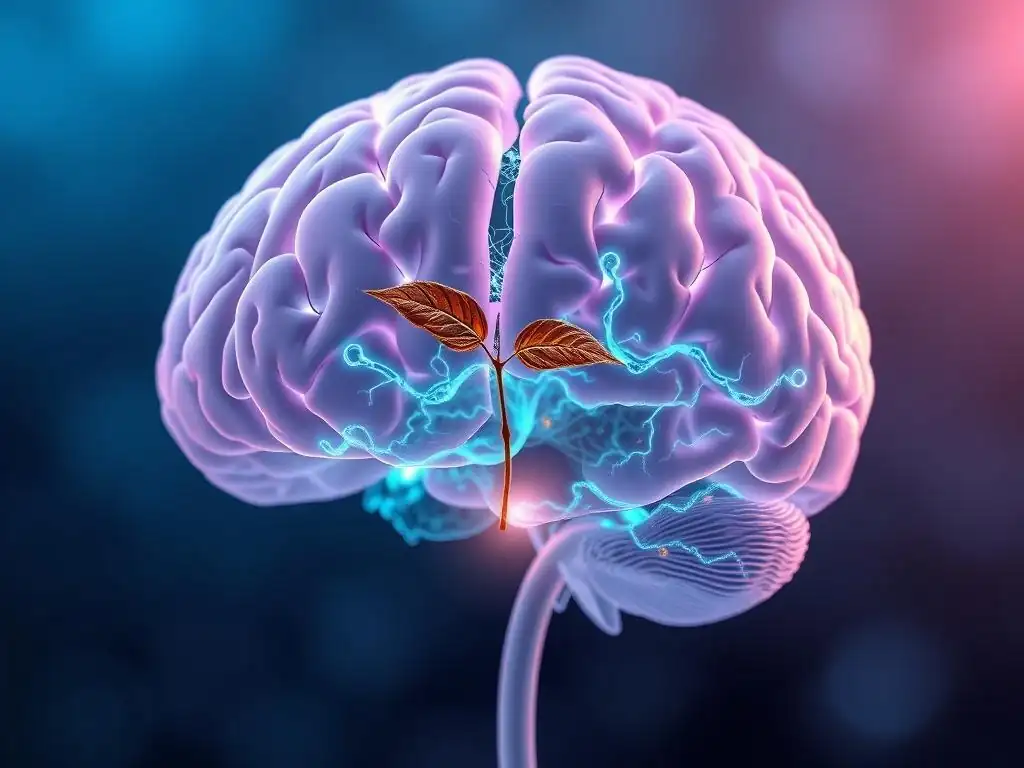
Welcome to Mind Care Guide, a space dedicated to nurturing your mental well-being.
Ever felt like stress is tearing you apart, both mentally and physically? We understand. Dive into our latest exploration of the GutBrain stress cycle connection and uncover the fascinating science behind how stress impacts your gut and your mind, creating a vicious cycle that can be broken. Curious to learn how? Let's explore the neuroscience and find paths to a healthier, more balanced you.
How Stress Damages Your Gut and Your Mind: A Vicious Gut-Brain Cycle
- Introduction: Understanding the Gut-Brain Stress Cycle Connection
- The Gut-Brain Axis: A Two-Way Communication System
- How Stress Impacts Gut Health: The Domino Effect
- The Gut's Influence on Mental Health: From Microbiome to Mind
- The Vicious Cycle: How Gut Problems Worsen Stress and Anxiety
- Specific Mental Health Conditions Linked to Gut-Brain Stress Cycle
- Breaking the Gut-Brain Stress Cycle: Strategies for Healing
- The Role of Probiotics in Managing Stress and Mental Wellbeing
- The Importance of Seeking Professional Help for Gut-Brain Imbalances
- Conclusion: Nurturing Your Gut, Nurturing Your Mind for Mental Well-being
-
Frequently Asked Questions
- How does stress trigger the gut-brain stress cycle?
- What are some common gut symptoms associated with the gut-brain stress cycle?
- How does the gut microbiome influence mental well-being in the gut-brain stress cycle?
- What role does inflammation play in the gut-brain stress cycle?
- What strategies can help break the gut-brain stress cycle?
- Final Reflection: Unraveling the Gut-Brain Connection in a Stressed World
- Unlock Your Gut-Brain Connection: Take Charge of Your Wellbeing
Introduction: Understanding the Gut-Brain Stress Cycle Connection
The human body is an incredibly complex system, with various organs and systems constantly communicating with each other. One of the most fascinating and increasingly recognized connections is the link between our gut and our brain. This intricate relationship, known as the gut-brain axis, plays a pivotal role in our overall health, influencing everything from digestion to mood and cognitive function. When stress enters the equation, it doesn't just affect our mental state; it creates a significant disruption in this delicate balance, leading to a cascade of negative effects on both our digestive system and our psychological well-being.
Chronic stress can initiate and perpetuate a vicious cycle where gut problems exacerbate stress and anxiety, which in turn worsen gut health. Understanding this Gutbrain stress cycle connection is crucial for anyone seeking to improve their mental health and physical resilience.
This article will delve into the science behind the gut-brain axis, explore how stress impacts this connection, and discuss practical strategies for breaking this cycle to foster a healthier gut and a calmer mind. By recognizing the profound influence our gut has on our mental state and vice versa, we can adopt more holistic approaches to managing stress and promoting well-being.
The Gut-Brain Axis: A Two-Way Communication System
What is the Gut-Brain Axis and Why Does it Matter?
The gut-brain axis is a bidirectional communication network that links the central nervous system (brain and spinal cord) with the enteric nervous system (ENS), often referred to as the "second brain," located in the walls of the gastrointestinal tract. This constant conversation involves a complex interplay of neural, hormonal, and immunological signals. It allows the brain to influence gut functions like motility, secretion, and blood flow, while the gut simultaneously sends signals back to the brain that can affect mood, behavior, and cognitive processes.
This axis is not just about digestion; it's fundamental to maintaining homeostasis and responding to internal and external stimuli, including stress. For instance, the "butterflies" you feel in your stomach before a stressful event are a direct manifestation of the brain signaling the gut. Conversely, signals from the gut, particularly those related to its microbial inhabitants, can significantly impact brain function and mental health, highlighting why understanding this connection is vital for holistic well-being.
Key Players in the Gut-Brain Axis: Microbiome, Vagus Nerve, and Neurotransmitters
Several key components facilitate communication along the gut-brain axis. The gut microbiome, the trillions of microorganisms living in our digestive tract, is a major player. These microbes produce various metabolites, short-chain fatty acids (SCFAs) like butyrate, and even neurotransmitters that can enter the bloodstream and influence brain function or directly interact with the ENS. The composition and diversity of this microbial community have profound implications for both gut and mental health.
Another critical link is the vagus nerve, the longest cranial nerve, which acts as a direct superhighway connecting the brainstem to the gut. Approximately 80-90% of the nerve fibers in the vagus nerve are afferent, meaning they transmit information from the gut to the brain, providing the brain with constant updates on the state of the digestive system and its microbial inhabitants.
Neurotransmitters, chemical messengers like serotonin and dopamine, are also key players; while most are known for their roles in the brain, a significant portion (up to 90% of the body's serotonin, for example) is produced and stored in the gut, where they influence gut motility and can also signal the brain.
How Stress Impacts Gut Health: The Domino Effect
Stress and Gut Microbiome Imbalance (Dysbiosis)
Chronic stress is a potent disruptor of the gut microbiome, leading to a state known as dysbiosis, characterized by an imbalance between beneficial and harmful bacteria. Research, including studies in both animals and humans, has shown that stress can alter the diversity and composition of gut microbes relatively quickly. For example, stressful events have been linked to a decrease in beneficial bacteria like Lactobacillus and Bifidobacterium species, while potentially increasing populations of pro-inflammatory bacteria.
This shift isn't just a minor inconvenience; it has functional consequences. An imbalanced microbiome can alter the production of SCFAs, which are vital for gut barrier integrity and have systemic anti-inflammatory effects. It can also affect the production of neurotransmitters by gut microbes, potentially impacting mood and behavior. Furthermore, a stressed microbiome may become less resilient, making the host more susceptible to pathogens and further contributing to the Gutbrain stress cycle connection.
Increased Intestinal Permeability (Leaky Gut) Due to Stress
One of the significant physical effects of stress on the gut is increased intestinal permeability, often referred to as "leaky gut." The lining of the gut acts as a crucial barrier, controlling what gets absorbed into the bloodstream while preventing harmful substances like undigested food particles, toxins, and bacteria from passing through. Stress hormones, particularly cortisol, can weaken the tight junctions between the cells lining the intestinal wall.
When these junctions loosen, the gut barrier becomes more permeable. This allows substances that should remain within the gut lumen to cross into the bloodstream, triggering an immune response. This immune activation can lead to systemic inflammation, affecting not only the gut but also other parts of the body, including the brain, thus reinforcing the negative feedback loop of the Gutbrain stress cycle connection. Studies have shown that even acute stress can rapidly increase gut permeability in healthy individuals.
Stress-Induced Inflammation in the Gut
Stress is a known trigger for inflammation throughout the body, and the gut is particularly susceptible. The increased intestinal permeability caused by stress allows pro-inflammatory molecules to enter the circulation, directly activating immune cells residing in the gut wall (which houses a significant portion of the body's immune system). This leads to a localized inflammatory response within the gut.
Chronic stress sustains this inflammatory state, contributing to symptoms like abdominal pain, bloating, and altered bowel habits. This gut inflammation also has systemic implications. Inflammatory cytokines produced in the gut can travel through the bloodstream or via the vagus nerve to the brain, where they can interfere with neurotransmitter function, neurogenesis (the creation of new neurons), and overall brain health. This inflammatory link is a critical component of how stress in the mind translates to physical distress in the gut and how gut inflammation can negatively impact mental state, demonstrating the deep Gutbrain stress cycle connection.
The Gut's Influence on Mental Health: From Microbiome to Mind
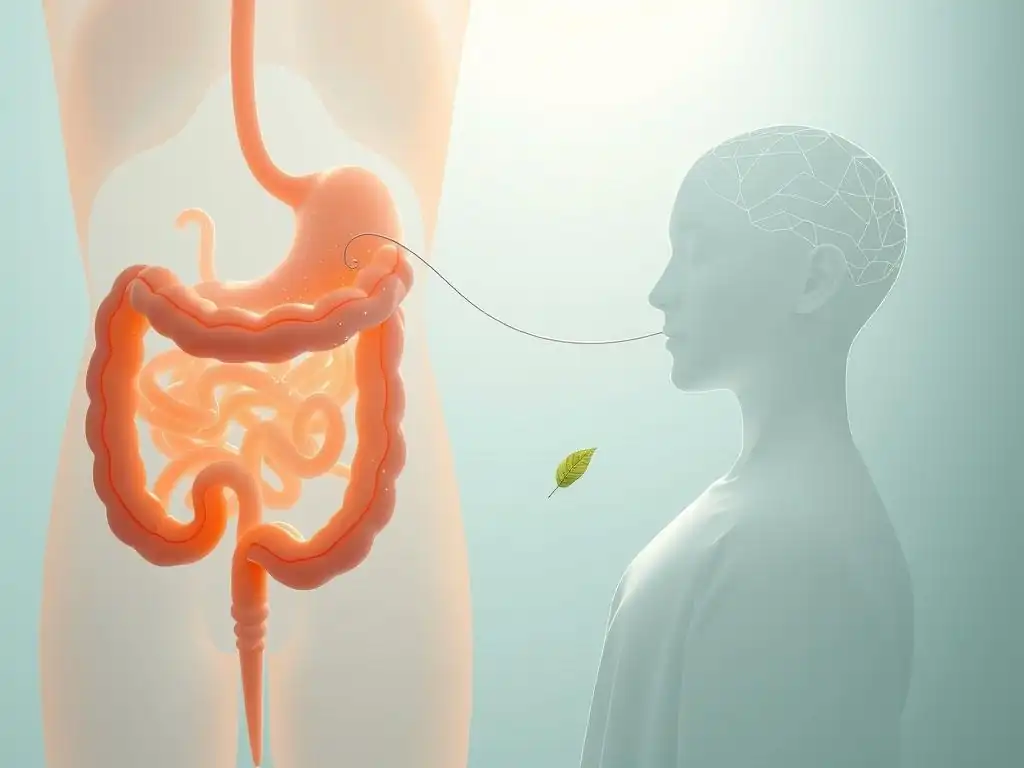
Gut Dysbiosis and Mental Health Disorders: Correlation vs. Causation
The growing body of research strongly suggests a significant link between gut microbiome composition and mental health conditions like anxiety and depression. Studies comparing the gut bacteria of individuals with these conditions to healthy controls often reveal distinct differences in microbial diversity and specific bacterial populations. For instance, some studies have found reduced levels of certain beneficial bacteria, such as those producing butyrate, in people with depression.
While these findings demonstrate a clear correlation, establishing direct causation is complex. It's challenging to determine whether the altered microbiome contributes to the mental health disorder or if the disorder (and associated lifestyle factors like diet or medication) influences the gut bacteria. However, animal studies involving germ-free animals or fecal transplants provide more causal evidence, showing that transferring the gut microbiota from stressed or depressed animals to healthy ones can induce similar behavioral changes, strongly supporting the idea that the gut microbiome can directly influence mood and behavior.
The Role of Neurotransmitters Produced in the Gut on Mood and Cognition
As mentioned earlier, the gut is a major production site for several neurotransmitters that are critical for brain function and mood regulation. Serotonin, often called the "feel-good" neurotransmitter, is primarily produced in the gut's enterochromaffin cells and by certain gut bacteria. While most gut-derived serotonin doesn't directly cross the blood-brain barrier, it plays vital roles in gut motility and can signal the brain via the vagus nerve. Changes in gut serotonin production or signaling can therefore impact both digestive function and mood.
Other neurotransmitters and neuroactive compounds produced by gut microbes, such as GABA (gamma-aminobutyric acid), dopamine, and short-chain fatty acids like butyrate, propionate, and acetate, also influence brain function. GABA is an inhibitory neurotransmitter known for its calming effects, and certain gut bacteria produce it. SCFAs, particularly butyrate, nourish gut cells and have been shown to influence brain health, protect against neuroinflammation, and potentially impact neurotransmitter synthesis in the brain. This microbial contribution to neurochemistry is a key pathway through which the gut influences the mind, deepening the Gutbrain stress cycle connection.
Inflammation in the Gut and its Impact on Brain Function
Chronic inflammation originating in the gut can have profound effects on brain function and mental health. Inflammatory molecules, such as cytokines (e.g., IL-6, TNF-alpha), released by immune cells in the inflamed gut can cross the blood-brain barrier, although the mechanisms are still being fully elucidated. Once in the brain, these cytokines can activate resident immune cells called microglia, leading to neuroinflammation.
Neuroinflammation is implicated in the development and exacerbation of various neurological and psychiatric disorders, including depression and anxiety. It can interfere with neurotransmitter metabolism (like serotonin and dopamine pathways), impair neurogenesis, and disrupt neural circuits involved in mood regulation, motivation, and cognitive function. This inflammatory pathway provides a clear mechanism by which problems starting in the gut, often triggered by stress, can directly contribute to mental health challenges, solidifying the understanding of the Gutbrain stress cycle connection.
The Vicious Cycle: How Gut Problems Worsen Stress and Anxiety
Gut-Derived Signals Amplifying the Stress Response
The bidirectional nature of the gut-brain axis means that problems in the gut don't just stay there; they send distress signals back to the brain. An inflamed gut, increased permeability, or an imbalanced microbiome can trigger the release of pro-inflammatory cytokines and other molecules that travel to the brain. These signals can activate the hypothalamic-pituitary-adrenal (HPA) axis, the body's central stress response system.
Activation of the HPA axis leads to the release of stress hormones like cortisol, which, as we've seen, further negatively impacts the gut. This creates a feedback loop where gut distress amplifies the physiological stress response, making individuals more reactive to stressors and potentially increasing feelings of anxiety and stress. The constant barrage of negative signals from a troubled gut keeps the brain in a state of heightened alert.
The Feedback Loop: Stress, Gut Problems, and Exacerbated Mental Health
This continuous interplay between stress, gut health, and mental state forms a true vicious cycle. Stress triggers gut dysbiosis, increased permeability, and inflammation. These gut issues, in turn, send pro-inflammatory signals and alter neural communication back to the brain, amplifying the stress response and contributing to symptoms of anxiety and depression. The resulting mental distress can then lead to behaviors (like poor dietary choices, lack of exercise, or disrupted sleep) that further impair gut health, perpetuating the cycle.
Consider someone experiencing chronic work stress. This stress might lead to changes in their gut bacteria and increased gut permeability. The signals from their compromised gut might then make them feel more anxious and irritable, making it harder to cope with the original work stress. This heightened anxiety might disrupt their sleep, which negatively impacts the gut microbiome, and so on. Breaking this Gutbrain stress cycle connection requires addressing both ends of the axis simultaneously.
Specific Mental Health Conditions Linked to Gut-Brain Stress Cycle
Anxiety and the Gut Microbiome: Exploring the Connection
Numerous studies have highlighted a strong association between anxiety disorders and alterations in the gut microbiome. Individuals with anxiety often exhibit different microbial profiles compared to non-anxious controls. For example, some research suggests a reduced abundance of certain beneficial bacteria known to produce GABA, a calming neurotransmitter, in anxious individuals. The vagus nerve also plays a crucial role here; signals from a dysbiotic gut transmitted via the vagus nerve can directly influence brain regions involved in fear and anxiety processing, such as the amygdala.
Furthermore, the inflammatory component is significant. Gut inflammation, often stress-induced, leads to the release of cytokines that can cause neuroinflammation. This neuroinflammation can interfere with neurotransmitter systems (like serotonin and dopamine) and neural pathways that regulate mood and anxiety levels. Animal models have repeatedly shown that manipulating the gut microbiome can alter anxiety-like behaviors, providing compelling evidence for the gut's influence on anxiety through the Gutbrain stress cycle connection.
Depression and the Gut: The Role of Inflammation and Neurotransmitters
The link between the gut and depression is particularly well-established, with inflammation being a key mediator. Depression is increasingly viewed as a condition with significant inflammatory underpinnings, and a substantial portion of this inflammation may originate in the gut, often triggered or exacerbated by stress. Gut dysbiosis and increased permeability allow inflammatory molecules to cross the gut barrier and contribute to systemic and neuroinflammation, which disrupts brain circuits involved in mood regulation.
Beyond inflammation, alterations in gut-derived neurotransmitters are also implicated. As mentioned, up to 90% of the body's serotonin is in the gut, influencing gut function and signaling the brain. Changes in the gut microbiome's ability to produce or metabolize precursors for neurotransmitters like serotonin, dopamine, or GABA can impact their availability or signaling, potentially contributing to depressive symptoms. Restoring a healthy gut environment is therefore a promising avenue for supporting mental well-being in the context of the Gutbrain stress cycle connection.
Irritable Bowel Syndrome (IBS) and Mental Health: A Complex Interplay
Irritable Bowel Syndrome (IBS) is a classic example of a disorder deeply rooted in the gut-brain axis, highlighting the intricate Gutbrain stress cycle connection. IBS is characterized by chronic abdominal pain, bloating, and altered bowel habits (diarrhea, constipation, or both), and it frequently co-occurs with anxiety and depression. Stress is a well-known trigger and exacerbator of IBS symptoms, and conversely, living with chronic gut symptoms is a significant source of stress and can lead to or worsen mental health issues.
The mechanisms underlying this interplay involve increased gut sensitivity, altered gut motility, gut dysbiosis, low-grade gut inflammation, and visceral hypersensitivity (an increased perception of pain from the gut). These gut-level issues send amplified signals to the brain via the vagus nerve and other pathways, contributing to heightened stress responses and anxiety. Similarly, stress can directly impact gut function, triggering IBS flares. Treating IBS often requires addressing both the gut symptoms and the associated stress and mental health components, underscoring the need for a holistic approach.
Breaking the Gut-Brain Stress Cycle: Strategies for Healing
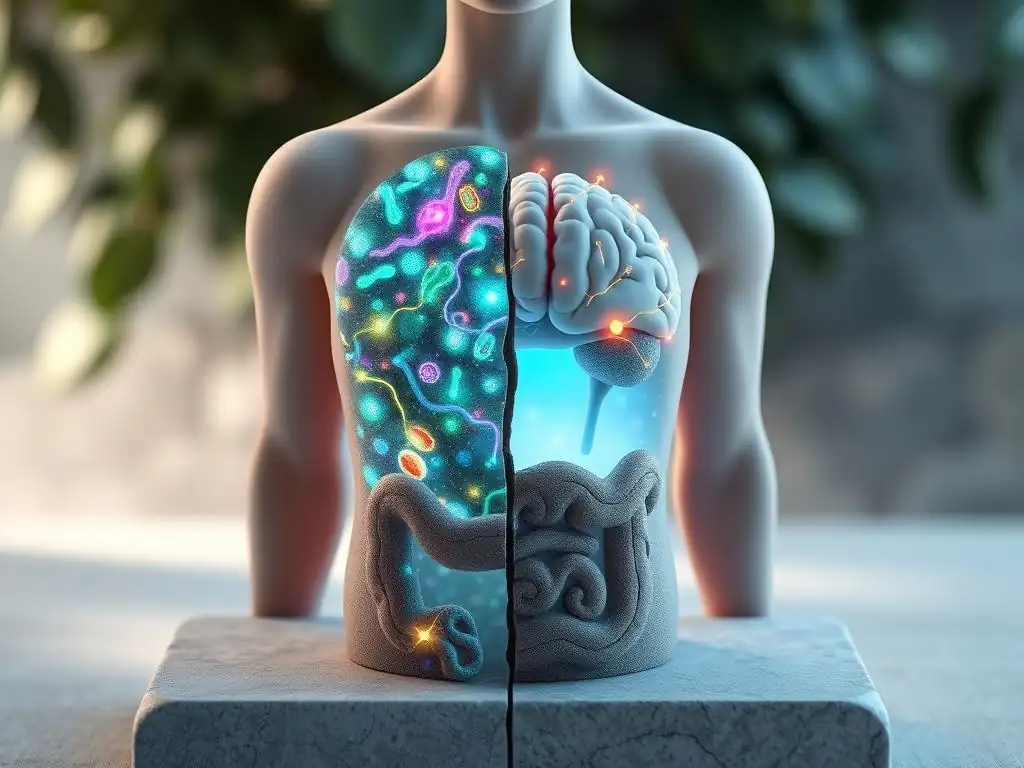
Stress Management Techniques for Gut Health: Mindfulness, Meditation, and Yoga
Since stress is a primary driver of the negative Gutbrain stress cycle connection, effective stress management is paramount for healing both the gut and the mind. Techniques that activate the parasympathetic nervous system ("rest and digest" state) can counteract the effects of the sympathetic nervous system ("fight or flight" state) triggered by stress.
Mindfulness practices, such as mindful breathing or body scans, help individuals become more aware of their physical and mental states, allowing them to recognize stress responses early and choose how to react. Regular meditation has been shown to reduce cortisol levels and positively influence gut motility and inflammation. Yoga, combining physical movement with breathwork and meditation, can also significantly lower stress hormones and improve symptoms in stress-related gut conditions like IBS, demonstrating a tangible benefit for the gut-brain link.
Dietary Interventions to Support Gut Health: Prebiotics, Probiotics, and Anti-Inflammatory Foods
Diet plays a critical role in shaping the gut microbiome and influencing gut barrier function and inflammation, making it a powerful tool to break the Gutbrain stress cycle connection. A diet rich in fiber, found in fruits, vegetables, legumes, and whole grains, provides prebiotics – non-digestible compounds that feed beneficial gut bacteria, helping to restore balance (reducing dysbiosis).
Incorporating probiotic-rich foods (like yogurt, kefir, sauerkraut, kimchi) or taking probiotic supplements can introduce beneficial bacteria directly into the gut, potentially improving microbiome composition and function. Furthermore, adopting an anti-inflammatory diet, emphasizing omega-3 fatty acids (fatty fish, flaxseeds), colorful fruits and vegetables (rich in antioxidants and polyphenols), and limiting processed foods, sugar, and unhealthy fats, can reduce systemic inflammation that impacts both the gut and the brain.
Beyond diet and specific stress techniques, broader lifestyle factors significantly influence the Gutbrain stress cycle connection. Consistent, quality sleep is essential; sleep deprivation increases stress hormones and negatively impacts the gut microbiome and permeability. Aiming for 7-9 hours of uninterrupted sleep per night is crucial for both mental and gut health.
Regular physical exercise is a powerful stress reliever and has been shown to positively influence the gut microbiome composition, increasing microbial diversity and beneficial bacteria. Even moderate activity, like a brisk walk, can help reduce stress hormones and improve gut motility. Finally, strong social connections provide emotional support and reduce feelings of isolation, buffering the effects of stress on the body, including the gut-brain axis. Engaging in enjoyable activities and spending time with loved ones nourishes both the mind and contributes to a healthier gut environment.
The Role of Probiotics in Managing Stress and Mental Wellbeing
Selecting the Right Probiotic Strain for Stress Relief and Gut Health
While probiotic supplements can be beneficial in supporting gut health and potentially influencing the Gutbrain stress cycle connection, not all strains are created equal, especially concerning mental well-being. Research into "psychobiotics" – probiotics that may have mental health benefits – is ongoing. Certain strains of Lactobacillus and Bifidobacterium have shown promise in studies related to stress, anxiety, and depression.
For example, strains like Lactobacillus helveticus R0052 and Bifidobacterium longum R0175 have been studied for their effects on stress-related gastrointestinal symptoms and psychological distress. Bifidobacterium longum 1714 has also shown potential in reducing stress responses and improving cognitive function in healthy adults. When considering a probiotic for stress or mental health support, it's beneficial to look for products containing specific strains that have demonstrated efficacy in clinical trials related to the gut-brain axis, rather than generic multi-strain formulations without specific research backing for psychological effects.
Timing and Dosage Considerations for Probiotic Supplementation
The optimal timing and dosage for probiotic supplementation can vary depending on the specific product and the individual's needs. Generally, probiotics are taken daily. Some sources suggest taking them with food, particularly a meal containing some fat, to help the bacteria survive the acidic stomach environment. Others recommend taking them on an empty stomach first thing in the morning or before bed. Consistency is often considered more important than the exact timing.
Dosage is typically measured in Colony Forming Units (CFUs), often ranging from 1 billion to 100 billion CFUs per dose. Higher CFU counts don't always equate to greater effectiveness; the right strain and viability are more crucial. It's important to follow the manufacturer's instructions on the product label.
Because individual responses to probiotics can vary widely based on the existing microbiome and health status, starting with a standard dose and observing effects is often recommended. Consulting with a healthcare professional can provide personalized guidance on selecting a suitable probiotic and determining the appropriate dosage and timing within the context of managing the Gutbrain stress cycle connection.
The Importance of Seeking Professional Help for Gut-Brain Imbalances
When to Consult a Doctor or Mental Health Professional
Given the complex and bidirectional nature of the Gutbrain stress cycle connection, it's crucial to recognize when self-help strategies are insufficient and professional guidance is needed. If you are experiencing chronic or severe symptoms related to either your gut health (persistent pain, significant changes in bowel habits, unexplained weight loss) or your mental health (debilitating anxiety, persistent low mood, difficulty functioning), it's time to consult a healthcare professional.
A medical doctor can rule out underlying medical conditions causing gut symptoms and provide appropriate treatment or refer you to a gastroenterologist. For mental health symptoms, a therapist, psychologist, or psychiatrist can offer diagnosis, therapy (like CBT or mindfulness-based stress reduction), and potentially medication. Since gut and mental health are so intertwined, seeking support from professionals who understand the gut-brain axis or working with a team (e.g., a doctor and a therapist) can be particularly beneficial.
Diagnostic Tests for Assessing Gut Health and Stress Levels
While there isn't one single test to perfectly map the entire Gutbrain stress cycle connection, various diagnostic tools can provide insights into different aspects of this axis. For gut health, doctors may use tests like stool analysis to assess microbiome composition, detect pathogens, or measure markers of inflammation (e.g., calprotectin). Breath tests can diagnose conditions like Small Intestinal Bacterial Overgrowth (SIBO), which impacts gut function and can be stress-related. Blood tests can check for inflammatory markers or nutrient deficiencies potentially linked to gut issues.
Assessing stress levels often involves clinical evaluation by a mental health professional, discussing symptoms, triggers, and coping mechanisms. While less commonly used in standard practice for stress diagnosis, physiological measures like heart rate variability or cortisol levels (measured in saliva, urine, or blood over a period) can provide objective data on the body's stress response activation. Discussing these options with a healthcare provider can help determine which assessments might be relevant to understand your specific gut-brain imbalance.
Conclusion: Nurturing Your Gut, Nurturing Your Mind for Mental Well-being
Key Takeaways: Breaking the Gut-Brain Stress Cycle for a Healthier Life
Understanding the profound and bidirectional Gutbrain stress cycle connection is the first step towards taking control of your well-being. Chronic stress doesn't just make you feel bad mentally; it actively harms your gut health by disrupting the microbiome, increasing permeability, and fueling inflammation. These gut issues then send signals back to the brain, amplifying stress responses and contributing to or worsening anxiety and depression. This creates a powerful, negative feedback loop that can significantly impact your quality of life.
Breaking this vicious cycle requires a holistic approach that addresses both ends of the axis. Effective stress management techniques like mindfulness, meditation, and yoga are crucial for calming the nervous system. Dietary interventions focusing on whole, fiber-rich, anti-inflammatory foods, along with targeted probiotics or prebiotics, can help restore gut health.
Furthermore, prioritizing foundational lifestyle factors like adequate sleep, regular exercise, and social connection provides a robust buffer against the damaging effects of stress on the gut-brain axis. By nurturing your gut, you are actively nurturing your mind, paving the way for improved mental health and overall resilience in the face of life's stressors.
Future Research Directions in the Gut-Brain Axis and Mental Health
The field of the gut-brain axis and its implications for mental health is rapidly evolving. Future research aims to identify specific microbial strains or metabolites that have the most significant impact on mood and behavior, potentially leading to more targeted psychobiotic therapies. Understanding the precise molecular mechanisms by which gut microbes and gut-derived signals influence neuroinflammation, neurotransmitter pathways, and brain plasticity is another critical area of investigation.
Researchers are also exploring personalized approaches, recognizing that each individual's gut microbiome is unique and may respond differently to interventions. The development of more sophisticated diagnostic tools to assess the gut-brain axis is also anticipated. As our understanding deepens, we can expect more effective, evidence-based strategies for preventing and treating stress-related disorders and mental health conditions by targeting the intricate Gutbrain stress cycle connection, offering new hope for individuals seeking comprehensive well-being.
Frequently Asked Questions
How does stress trigger the gut-brain stress cycle?
Stress triggers the release of stress hormones like cortisol, which can disrupt the gut microbiome and increase intestinal permeability. This gut disruption then sends signals back to the brain, perpetuating the stress response.
What are some common gut symptoms associated with the gut-brain stress cycle?
Common gut symptoms include bloating, abdominal pain, changes in bowel habits (diarrhea or constipation), and increased sensitivity to food. These symptoms are often linked to imbalances in gut bacteria caused by stress.
How does the gut microbiome influence mental well-being in the gut-brain stress cycle?
The gut microbiome produces neurotransmitters like serotonin and dopamine, which are crucial for mood regulation. An imbalanced microbiome can lead to reduced production of these neurotransmitters, contributing to anxiety and depression.
What role does inflammation play in the gut-brain stress cycle?
Stress-induced gut dysbiosis can lead to increased inflammation in the gut and body. This inflammation can then affect brain function, contributing to cognitive impairment and worsening mental health symptoms.
What strategies can help break the gut-brain stress cycle?
Strategies include stress management techniques (meditation, yoga), dietary changes to support a healthy gut (probiotics, prebiotics), and targeted therapies to address both mental and gut health concerns.
Final Reflection: Unraveling the Gut-Brain Connection in a Stressed World
The inextricable link between gut health and mental well-being is no longer a fringe theory; it's a critical understanding for navigating the pressures of modern life. Ignoring this powerful connection means overlooking a significant pathway to improved physical and mental health, a pathway paved with both challenges and incredible opportunities for self-care and healing. The pervasive nature of stress in our daily lives necessitates a deeper understanding of this gut-brain axis and its profound impact.
The exploration of the gut-brain axis has profoundly shifted my own perspective on stress management and holistic well-being. I've come to appreciate the intricate dance between the bacteria in our gut and the intricate workings of our brain, a relationship far more complex and influential than I initially imagined. The gut is the second brain,
a phrase often used, truly undersells the depth of this bidirectional communication. Understanding this connection allows us to move beyond simplistic solutions to stress and embrace a more holistic approach to self-care, one that nourishes both mind and body.
Now, consider your own relationship with stress. How does it manifest in your body? Are you noticing any digestive issues? This article serves as a starting point, not an endpoint. I encourage you to explore further, to listen to your body's signals, and to seek support when needed. By nurturing your gut health through mindful eating, stress reduction techniques, and potentially professional guidance, you can actively participate in breaking the vicious cycle and cultivating a healthier, more resilient you. Embrace the power of this connection – your gut and your mind will thank you.
Unlock Your Gut-Brain Connection: Take Charge of Your Wellbeing
Thanks for taking the time to explore the fascinating connection between your gut and your mind! You've now learned how stress impacts both, and we hope this empowers you to make positive changes. Ready to take action?
- Prioritize a gut-friendly diet: Start small – add one extra serving of fiber-rich fruits or vegetables to your daily routine this week. It's a simple step with powerful effects!
- Incorporate a daily mindfulness practice: Even five minutes of deep breathing or meditation can significantly reduce stress and improve gut health. Try a guided session – it's easier than you think!
- Share your journey: Tell a friend or family member about what you've learned – sharing your knowledge can inspire others and deepen your commitment.
What simple change will you make today to nurture both your gut and your mind?