
Your Gut Microbiome: A Hidden Player in Cognitive Function and Mental Clarity

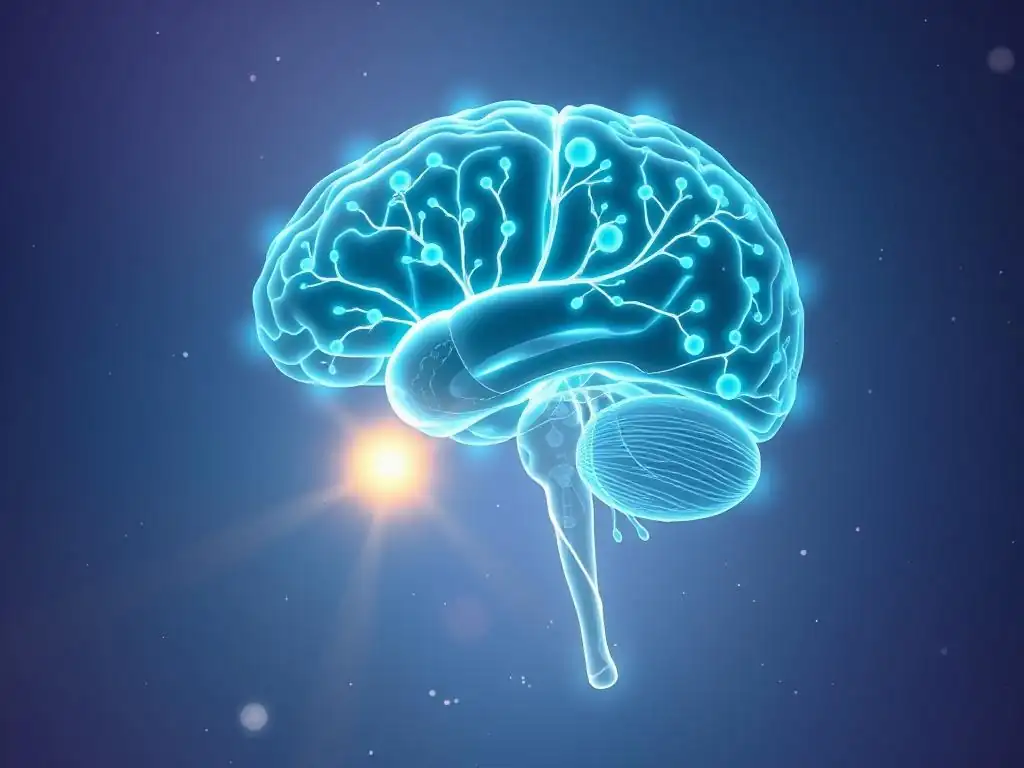
Welcome to Mind Care Guide, a sanctuary dedicated to your mental well-being. Ever wondered if the key to a clearer mind and improved mood might reside in an unexpected place? Dive into the fascinating world of the gut microbiome and uncover its surprising connection to cognitive mental health. Are you ready to explore how the tiny inhabitants of your gut can impact your thoughts, feelings, and overall mental clarity? Let's begin this journey together.
Your Gut Microbiome: A Hidden Player in Cognitive Function and Mental Clarity
- Introduction: Understanding the Gut-Brain Axis and Cognitive Health
- The Gut Microbiome: A Deep Dive into its Role
- Gut Microbiome Imbalance: Dysbiosis and Cognitive Decline
- The Gut Microbiome and Specific Cognitive Functions
- The Gut Microbiome's Influence on Mental Health Conditions
- Optimizing Your Gut Microbiome for Enhanced Cognitive Function
- Testing Your Gut Microbiome: Understanding Your Individual Profile
- The Future of Gut Microbiome Research and Cognitive Enhancement
- Conclusion: Nurturing Your Gut for a Sharper Mind
-
Frequently Asked Questions
- What is the gut microbiome, and how is it related to cognitive function?
- How can an imbalanced gut microbiome affect mental health?
- What specific cognitive functions are thought to be influenced by the gut microbiome?
- What are some ways to improve my gut microbiome to support cognitive and mental health?
- How can I find out if my gut microbiome is contributing to my mental health challenges?
- Final Reflection: Unlocking the Mind-Gut Connection for a Sharper You
- Unlock Your Brain's Potential: Nurture Your Gut Microbiome
Introduction: Understanding the Gut-Brain Axis and Cognitive Health
The Emerging Link Between Gut Health and Mental Well-being
For decades, the focus in neuroscience primarily centered on the brain as the sole command center for our thoughts, feelings, and cognitive abilities. However, recent scientific advancements have unveiled a complex, bidirectional communication network connecting the gut and the brain, often referred to as the gut-brain axis. This intricate link reveals that the state of our digestive system, particularly the trillions of microorganisms residing within it—collectively known as the gut microbiome—plays a far more significant role in our overall health, including our mental well-being and cognitive function, than previously understood.
This burgeoning field of research highlights that signals from the gut can profoundly influence brain activity, impacting everything from mood and stress levels to complex cognitive processes like memory and decision-making. The concept that the health of our gut microbiome could be a hidden player in our cognitive function and mental clarity is rapidly transforming our understanding of health and disease. It suggests that nurturing a healthy gut environment could be a powerful, yet often overlooked, strategy for supporting brain health and fostering mental resilience.
Why the Gut Microbiome Matters for Cognitive Function
The gut microbiome is not merely a passive passenger in our digestive system; it is an active and dynamic ecosystem that performs vital functions extending far beyond nutrient absorption. These microbes produce a vast array of biochemicals, including neurotransmitters, short-chain fatty acids (SCFAs), and other metabolites, which can enter the bloodstream and directly influence brain chemistry and function. For instance, gut bacteria produce a significant portion of the body's serotonin, a neurotransmitter crucial for mood regulation and also implicated in cognitive processes.
Furthermore, the gut microbiome plays a critical role in maintaining the integrity of the gut barrier and modulating the immune system, both of which have direct implications for brain health. Chronic inflammation originating in the gut can negatively impact brain function, contributing to cognitive decline and affecting mental clarity. Understanding the intricate ways these microbial communities interact with our physiology provides a compelling case for why focusing on gut health is essential for optimizing cognitive performance and supporting overall gut microbiome cognitive mental health.
The Gut Microbiome: A Deep Dive into its Role
What is the Gut Microbiome and Why is it Important?
The gut microbiome is a complex community of microorganisms, primarily bacteria, but also including fungi, viruses, and archaea, that inhabit our gastrointestinal tract. This ecosystem is incredibly diverse, with estimates suggesting that an adult human carries about 100 trillion microbial cells, outnumbering human cells by a significant margin and collectively weighing up to several pounds. This microbial community is unique to each individual, shaped by genetics, diet, lifestyle, and early life exposures.
The importance of this microbial community cannot be overstated. It is vital for numerous physiological processes, including the digestion of complex carbohydrates that human enzymes cannot break down, the synthesis of essential vitamins (like B vitamins and vitamin K), protection against pathogens, and the development and maturation of the immune system. Its critical role in producing neuroactive compounds and modulating inflammation directly links it to brain health and underscores its importance for cognitive function and overall gut microbiome cognitive mental health.
The Composition of a Healthy Gut Microbiome and its Impact
A healthy gut microbiome is characterized by high diversity and a balanced ratio of different microbial species. It typically includes a prevalence of beneficial bacteria, such as those belonging to the Firmicutes and Bacteroidetes phyla, along with other important groups like Actinobacteria and Proteobacteria in smaller proportions. Within these phyla are numerous genera and species, each contributing unique functions to the ecosystem. For example, species like Faecalibacterium prausnitzii and Bifidobacteria are often considered indicators of a healthy gut due to their roles in producing beneficial SCFAs like butyrate.
This diverse and balanced community has a profound impact on health. A robust, diverse microbiome supports efficient digestion, maintains a strong gut barrier (preventing unwanted substances from entering the bloodstream), educates the immune system, and produces beneficial metabolites that nourish gut cells and influence distant organs, including the brain. This harmonious state is associated with better metabolic health, reduced inflammation, and is increasingly linked to improved cognitive function and mental clarity, highlighting the importance of maintaining a diverse gut microbiome for cognitive mental health.
How the Gut Microbiome Communicates with the Brain: The Gut-Brain Axis
Communication along the gut-brain axis occurs through multiple pathways, creating a complex bidirectional dialogue. One key route is the vagus nerve, a major nerve connecting the gut and the brain, acting like a direct information highway. Gut microbes can signal the brain via this nerve, influencing neural activity and potentially impacting mood and behavior. Studies have shown that certain bacteria can activate or inhibit vagal pathways.
Another crucial pathway involves the production of neuroactive molecules by gut bacteria. These include neurotransmitters like GABA and serotonin, and SCFAs like butyrate, propionate, and acetate. These molecules can enter the bloodstream and cross the blood-brain barrier or signal through other mechanisms to influence brain function, neuroinflammation, and even neurogenesis (the creation of new neurons). The immune system also plays a significant role, with gut microbes influencing immune cell activity and the release of cytokines, which can travel to the brain and affect neural circuits, further demonstrating the intricate link between the gut microbiome and cognitive mental health.
Gut Microbiome Imbalance: Dysbiosis and Cognitive Decline
What is Gut Dysbiosis and How Does it Develop?
Gut dysbiosis refers to an imbalance in the gut microbial community. This can manifest as a loss of microbial diversity, a shift in the relative abundance of different species (often an increase in potentially harmful bacteria and a decrease in beneficial ones), or an alteration in the functional capacity of the microbiome (e.g., reduced production of beneficial SCFAs). Dysbiosis can develop due to various factors, including a poor diet (particularly one low in fiber and high in processed foods), antibiotic use, stress, lack of sleep, infections, and environmental toxins.
For example, a course of broad-spectrum antibiotics, while necessary to treat bacterial infections, can significantly reduce the diversity of the gut microbiome, sometimes taking weeks or even months to recover fully. Similarly, a Western-style diet, typically low in plant fiber and high in sugar and unhealthy fats, tends to favor the growth of certain bacterial groups associated with inflammation and can reduce the abundance of beneficial, fiber-fermenting bacteria. This imbalance can disrupt the normal functions of the gut microbiome, setting the stage for negative impacts on overall health, including cognitive function and mental clarity.
The Impact of Dysbiosis on Brain Function and Mental Clarity
Gut dysbiosis can negatively impact brain function and mental clarity through several mechanisms. An imbalanced microbiome may produce fewer beneficial metabolites, such as butyrate, which is a primary energy source for colon cells and has anti-inflammatory properties that can benefit the brain. Conversely, dysbiosis can lead to an increase in the production of potentially harmful substances, such as lipopolysaccharides (LPS), components of the cell walls of certain bacteria. When the gut barrier is compromised (often associated with dysbiosis), LPS can leak into the bloodstream.
Once in circulation, LPS can trigger systemic inflammation, which can extend to the brain, a state known as neuroinflammation. Neuroinflammation is implicated in impaired cognitive function, including difficulties with memory, focus, and decision-making, and is associated with an increased risk of neurodegenerative conditions. Thus, dysbiosis disrupts the beneficial signaling along the gut-brain axis and promotes inflammatory pathways that directly undermine cognitive health and mental clarity, highlighting the critical link between gut microbiome imbalance and cognitive mental health issues.
Inflammation, Leaky Gut, and Cognitive Impairment
Chronic low-grade inflammation is a significant consequence of gut dysbiosis and a major contributor to cognitive impairment. As mentioned, dysbiosis can compromise the integrity of the gut lining, leading to increased intestinal permeability, often referred to as "leaky gut." This allows bacteria, toxins (like LPS), and undigested food particles to pass through the gut barrier into the bloodstream.
Once these substances enter the systemic circulation, they trigger an immune response, leading to widespread inflammation. Inflammatory molecules (cytokines) can travel to the brain, cross the blood-brain barrier, and activate glial cells (the brain's immune cells). This neuroinflammatory state can disrupt neuronal signaling, impair synaptic plasticity (the ability of brain connections to change), and even lead to neuronal damage over time. Research consistently links elevated inflammatory markers to decreased cognitive performance, slower processing speed, and a higher risk of developing cognitive disorders, underscoring how the cycle of dysbiosis, leaky gut, and inflammation directly threatens cognitive function and mental clarity.
The Gut Microbiome and Specific Cognitive Functions
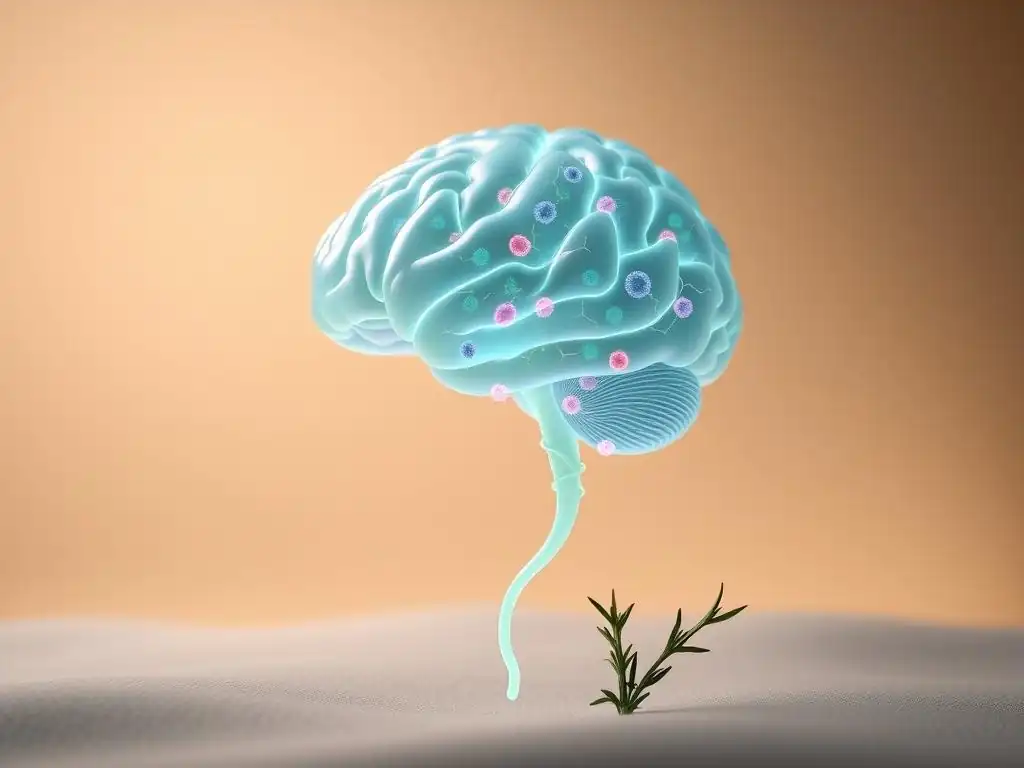
Gut Bacteria and Memory: Investigating the Connection
Emerging research strongly suggests a link between the composition of the gut microbiome and memory function. Studies in both animals and humans are exploring how specific bacterial species and the metabolites they produce might influence areas of the brain critical for memory formation and retrieval, such as the hippocampus. For example, animal studies have shown that altering the gut microbiome through probiotics or fecal microbiota transplantation can improve performance on memory tests.
In humans, studies comparing the gut microbiome of individuals with and without cognitive impairment, including those with Alzheimer's disease, have found notable differences in microbial diversity and composition. While these associations do not prove causation, they suggest that the gut microbiome plays a role in maintaining or disrupting the neural pathways involved in memory. The production of SCFAs by gut bacteria, particularly butyrate, is thought to be protective of brain health and may support synaptic function crucial for memory.
The Role of the Gut Microbiome in Focus and Attention
The ability to focus and maintain attention is another cognitive function potentially influenced by the gut microbiome. This involves complex neural networks that can be sensitive to neuroinflammation and the availability of key neurotransmitters, both of which can be modulated by gut microbes. An imbalanced gut microbiome, leading to increased inflammation or altered neurotransmitter production, could potentially impair the brain's ability to regulate attention and executive control.
Research into conditions characterized by attention difficulties, such as ADHD, is beginning to explore the potential involvement of the gut microbiome. While still in early stages, some studies have observed differences in the gut microbial profiles of individuals with ADHD compared to neurotypical individuals. These findings suggest that the gut-brain axis could be a target for interventions aimed at improving focus and attention, highlighting the broad impact of gut microbiome cognitive mental health research.
Gut Health and Executive Functions: Planning and Decision-Making
Executive functions, a set of higher-level cognitive processes including planning, decision-making, problem-solving, and working memory, are essential for goal-directed behavior. These functions rely heavily on the prefrontal cortex, a brain region known to be sensitive to systemic inflammation and imbalances in neurotransmitter systems, both of which can be influenced by the gut microbiome.
Studies investigating the link between gut health and executive functions have found associations between specific microbial profiles and performance on tests assessing these abilities. For instance, a microbiome lacking diversity or featuring a higher proportion of pro-inflammatory bacteria might be associated with reduced performance on tasks requiring complex planning or flexible thinking. While more research is needed to fully elucidate the mechanisms, it is becoming clear that maintaining a healthy gut microbiome is likely supportive of optimal executive function and overall gut microbiome cognitive mental health.
The Gut Microbiome's Influence on Mental Health Conditions
The Gut Microbiome and Anxiety: Exploring the Link
Anxiety disorders are among the most common mental health conditions, and growing evidence points to a significant connection with the gut microbiome. Research indicates that the gut-brain axis plays a crucial role in regulating stress responses and emotional behavior. An imbalanced gut microbiome can alter the production of stress hormones, influence the sensitivity of the HPA axis (the body's central stress response system), and affect neurotransmitter levels, all of which can contribute to feelings of anxiety.
Animal studies have demonstrated that transferring gut microbes from anxious animals to germ-free animals can induce anxious behaviors, while transferring microbes from calm animals can reduce them. In humans, studies have found differences in the gut microbial composition of individuals with anxiety disorders compared to healthy controls. Certain probiotic strains, such as Lactobacillus and Bifidobacterium species, have shown promise in clinical trials for reducing anxiety symptoms, potentially by modulating neurotransmitter levels or reducing inflammation, supporting the idea that the gut microbiome is intertwined with cognitive mental health and emotional regulation.
Depression and the Gut: Understanding the Connection
The link between the gut microbiome and depression is another area of intense research. Depression is often associated with chronic low-grade inflammation, and as previously discussed, gut dysbiosis can be a significant driver of systemic inflammation. Furthermore, gut bacteria produce and metabolize neurotransmitters and other compounds that can influence mood, including serotonin, dopamine, and SCFAs like butyrate, which has neuroprotective effects.
Studies comparing the gut microbiome of individuals with major depressive disorder to healthy individuals have consistently found differences in microbial diversity and the abundance of specific bacteria. For example, some studies report lower levels of Faecalibacterium prausnitzii and other butyrate-producing bacteria in depressed individuals. While it's a complex relationship with multiple contributing factors, the evidence suggests that targeting the gut microbiome through diet or probiotics could be a potential avenue for supporting mental health and improving symptoms of depression, reinforcing the critical role of the gut microbiome in cognitive mental health.
The Gut Microbiome and Neurodevelopmental Disorders
The influence of the gut microbiome extends to neurodevelopmental disorders, including Autism Spectrum Disorder (ASD). While the causes of ASD are complex and multifaceted, accumulating evidence suggests that the gut-brain axis may play a contributing role in some cases. Individuals with ASD often experience gastrointestinal issues, and studies have identified differences in their gut microbial composition compared to neurotypical individuals, sometimes showing reduced diversity or alterations in specific bacterial groups.
Research is exploring whether these microbial differences contribute to some of the neurological or behavioral symptoms associated with ASD, potentially through the production of neuroactive metabolites or modulation of immune responses that affect brain development and function. While this research is still evolving, it highlights the broad reach of the gut microbiome's influence on brain health and development, suggesting that understanding and potentially modulating the gut microbiome could offer new insights into supporting individuals with neurodevelopmental challenges and their overall cognitive mental health.
Optimizing Your Gut Microbiome for Enhanced Cognitive Function
Dietary Strategies for a Healthy Gut Microbiome
Diet is arguably the most powerful lever we have for shaping our gut microbiome. What we eat directly feeds our microbial inhabitants, influencing their composition and the metabolites they produce. A diet rich in diverse plant foods is key to fostering a diverse and healthy gut community, which in turn supports cognitive function and mental clarity.
Focusing on whole, unprocessed foods provides the complex carbohydrates and fibers that beneficial gut bacteria thrive on. Limiting processed foods, high sugar intake, and excessive unhealthy fats can help prevent the growth of less beneficial bacteria and reduce inflammation. Prioritizing a varied and colorful diet ensures you are feeding a wide range of beneficial microbes, promoting a robust ecosystem that supports overall gut microbiome cognitive mental health.
The Importance of Fiber-Rich Foods for Gut Bacteria
Dietary fiber is the cornerstone of a healthy gut microbiome. Humans lack the enzymes to digest many types of fiber, but our gut bacteria do. They ferment these fibers, producing beneficial short-chain fatty acids (SCFAs) like acetate, propionate, and especially butyrate. Butyrate is a primary energy source for the cells lining the colon and has potent anti-inflammatory effects throughout the body, including the brain.
Consuming a variety of fiber-rich foods, such as fruits, vegetables, legumes, nuts, seeds, and whole grains, provides different types of fiber that support a diverse array of beneficial bacteria. Aiming for at least 25-30 grams of fiber per day, as recommended by many health organizations, can significantly nourish your gut microbes and support the production of these brain-boosting SCFAs. Studies have shown that higher fiber intake is associated with greater gut microbial diversity and improved markers of cognitive health.
Probiotic-Rich Foods: Fermented Foods for Mental Clarity
Probiotic-rich foods contain live beneficial bacteria that can transiently colonize the gut and potentially exert health benefits, including support for mental clarity and cognitive function. Regularly incorporating fermented foods into your diet is a delicious way to introduce these beneficial microbes. Examples include yogurt (with live and active cultures), kefir, sauerkraut, kimchi, tempeh, and kombucha.
While the bacteria in fermented foods may not permanently take up residence in the gut, they can interact with the existing microbiome and immune system, potentially modulating gut-brain signaling. For instance, some fermented foods contain Lactobacillus and Bifidobacterium species that have been studied for their potential psychobiotic effects (benefiting mental health). Consuming these foods as part of a balanced diet contributes to a more diverse microbial environment and may support the gut microbiome cognitive mental health axis.
Prebiotics: Fueling Beneficial Gut Bacteria
Prebiotics are non-digestible fibers that selectively feed beneficial bacteria already residing in your gut. Think of them as fertilizer for your good microbes. By providing this preferred food source, prebiotics help beneficial bacteria thrive and increase their production of beneficial metabolites like SCFAs. Common sources of prebiotics include garlic, onions, leeks, asparagus, bananas (especially slightly green ones), oats, apples, flaxseeds, and chicory root.
Including a variety of prebiotic-rich foods in your diet works synergistically with probiotic-rich foods and overall fiber intake to cultivate a flourishing gut ecosystem. This synergistic effect is crucial for maintaining a balanced microbiome that effectively supports brain health and cognitive function. Ensuring adequate prebiotic intake is a fundamental strategy for nurturing your gut microbiome for enhanced cognitive mental health.
The Role of Probiotic Supplements in Cognitive Enhancement
While diet is the primary way to influence the gut microbiome, probiotic supplements offer a way to introduce specific strains of beneficial bacteria. Probiotic supplements contain live microorganisms, typically bacteria, that are intended to provide health benefits when consumed in adequate amounts. Research into the effects of specific probiotic strains on cognitive function and mental health is a rapidly developing area.
Some studies suggest that certain strains, often referred to as "psychobiotics," may positively influence mood, stress levels, and potentially some aspects of cognitive function. For example, specific combinations of Lactobacillus and Bifidobacterium strains have shown potential in clinical trials for reducing symptoms of anxiety and depression. However, the effects of probiotics are often strain-specific and vary depending on the individual's existing microbiome and health status.
Choosing the Right Probiotic Supplement for Brain Health
Selecting a probiotic supplement for cognitive enhancement requires careful consideration. Not all probiotics are created equal, and the benefits are often strain-specific. Look for supplements that list specific bacterial strains (e.g., Lactobacillus rhamnosus GG, Bifidobacterium longum 1714) rather than just the genus and species. Research the specific strains included to see if they have been studied for effects relevant to cognitive function or mental health.
Consider the number of live organisms (CFUs - Colony Forming Units) guaranteed at the time of expiry, although higher CFU counts don't always equate to greater effectiveness; strain matters more. Also, check for third-party testing to ensure quality and potency. Consulting with a healthcare professional knowledgeable about the gut-brain axis can help you choose a supplement best suited to your individual needs and health goals for supporting your gut microbiome cognitive mental health.
Lifestyle Factors Influencing Gut Microbiome and Cognitive Function
Beyond diet, several lifestyle factors significantly impact the health and diversity of your gut microbiome, which in turn affects cognitive function. Managing stress, getting adequate sleep, and engaging in regular physical activity are all crucial components of supporting a healthy gut-brain axis and optimizing mental clarity.
These lifestyle elements don't just indirectly affect the gut; they have direct physiological effects that can alter microbial composition and activity. For instance, chronic stress can negatively impact gut barrier function and shift the microbiome towards a less favorable profile. Prioritizing these lifestyle factors is just as important as dietary changes for cultivating a gut environment that supports optimal cognitive mental health.
Stress Management Techniques for a Healthy Gut
Chronic stress has a profound negative impact on the gut microbiome. It can alter gut motility, increase intestinal permeability ("leaky gut"), and change the composition and diversity of gut bacteria, often favoring pro-inflammatory species. These changes can disrupt the gut-brain axis and contribute to impaired cognitive function and mental health issues.
Implementing effective stress management techniques is therefore vital for supporting gut health and cognitive function. Practices such as mindfulness meditation, deep breathing exercises, yoga, spending time in nature, and ensuring adequate leisure time can help reduce stress hormone levels and mitigate their negative effects on the gut microbiome. By reducing stress, you create a more favorable environment for beneficial gut bacteria to thrive, supporting a healthier gut-brain connection and better cognitive mental health.
The Impact of Sleep on Gut Microbiome Diversity
Sleep is another critical, yet often overlooked, factor influencing gut microbiome health. Disrupted sleep patterns, sleep deprivation, and shift work have all been associated with alterations in the gut microbial composition, often leading to reduced diversity and shifts towards less beneficial bacteria. These sleep-induced changes in the microbiome can, in turn, negatively impact the gut-brain axis and cognitive function.
The gut microbiome also appears to influence sleep patterns, suggesting a bidirectional relationship. Maintaining a consistent sleep schedule and aiming for 7-9 hours of quality sleep per night can help support a more stable and diverse gut microbiome. Prioritizing good sleep hygiene is a fundamental step in nurturing your gut health and, consequently, supporting optimal cognitive function and overall gut microbiome cognitive mental health.
Exercise and its Benefits for Gut Health and Cognitive Performance
Regular physical activity has been shown to positively influence the gut microbiome composition and diversity. Studies comparing sedentary individuals to athletes or those who exercise regularly often find greater microbial diversity and a higher abundance of certain beneficial bacteria (like Faecalibacterium prausnitzii) in active individuals. Exercise may also increase the production of SCFAs and improve gut motility.
These exercise-induced changes in the gut microbiome are thought to contribute to the well-established benefits of exercise on cognitive function, including improved memory, attention, and executive functions. The mechanisms may involve reduced inflammation, increased production of neurotrophic factors (like BDNF), and enhanced gut-brain signaling. Aiming for at least 150 minutes of moderate-intensity aerobic exercise or 75 minutes of vigorous-intensity exercise per week, as recommended by health guidelines, can be a powerful way to support both your gut health and cognitive performance, strengthening the gut microbiome cognitive mental health connection.
Testing Your Gut Microbiome: Understanding Your Individual Profile
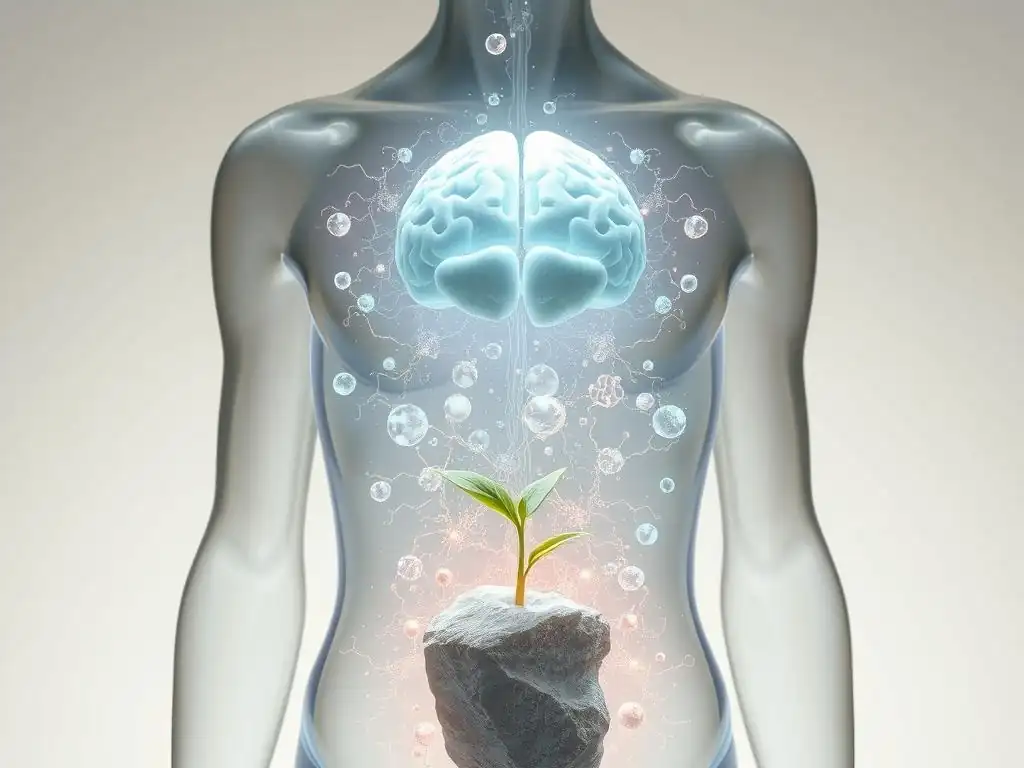
When to Consider Gut Microbiome Testing
While not a substitute for professional medical advice, gut microbiome testing has become more accessible and can provide insights into the composition and potential function of your unique microbial community. You might consider testing if you experience persistent digestive issues (like bloating, gas, irregular bowel movements), chronic inflammation, or are particularly interested in understanding how your gut health might be impacting your cognitive function and mental clarity despite implementing general healthy lifestyle changes.
Testing can reveal imbalances (dysbiosis), levels of beneficial bacteria, presence of potential pathogens or opportunistic microbes, and the capacity to produce certain metabolites like SCFAs. This information can sometimes help tailor dietary or lifestyle interventions, although interpreting the results requires caution and often the guidance of a healthcare professional or registered dietitian familiar with microbiome science.
Types of Gut Microbiome Tests Available
There are several types of gut microbiome tests available, primarily utilizing stool samples. The most common method is 16S rRNA gene sequencing, which identifies the types and relative abundance of bacteria present in the sample by analyzing a specific gene region common to all bacteria. This provides a good overview of the bacterial community structure.
Another, more advanced method is whole-genome shotgun sequencing. This technique sequences all the DNA in the sample, providing information not only about the types of microbes present (bacteria, fungi, viruses) but also their functional potential – what genes they possess and therefore what metabolites they are capable of producing. While more expensive, shotgun sequencing offers a more comprehensive picture of the gut ecosystem's capabilities relevant to gut microbiome cognitive mental health.
Interpreting Your Gut Microbiome Test Results
Interpreting gut microbiome test results can be complex, as the field is still relatively young, and there is no single "ideal" microbiome profile. Results typically show the diversity of your microbiome and the relative abundance of different bacterial groups compared to reference populations. High diversity is generally considered a marker of a healthy gut.
The results may also highlight specific imbalances, such as a low abundance of known beneficial bacteria (e.g., butyrate producers) or a high abundance of bacteria associated with inflammation or dysbiosis. However, it's crucial to remember that these tests provide a snapshot in time and the results should be interpreted within the context of your individual symptoms, diet, lifestyle, and medical history. They are best used as a tool to inform potential personalized interventions under the guidance of a qualified health professional, rather than a definitive diagnosis of your gut microbiome cognitive mental health status.
The Future of Gut Microbiome Research and Cognitive Enhancement
Emerging Therapies Targeting the Gut-Brain Axis
The growing understanding of the gut-brain axis is paving the way for novel therapeutic strategies aimed at improving cognitive function and mental health by targeting the gut microbiome. Beyond dietary changes and general probiotics, researchers are exploring more targeted interventions. These include prebiotics designed to selectively stimulate the growth of specific beneficial bacteria, postbiotics (beneficial compounds produced by bacteria), and live biotherapeutics (specifically selected bacterial strains administered for therapeutic effect).
Precision prebiotics and probiotics, tailored to an individual's specific microbiome profile, are on the horizon. Furthermore, therapies aimed at modulating the gut barrier function or directly influencing the production of key metabolites like SCFAs are being investigated. These emerging therapies hold promise for providing more effective and personalized approaches to support gut microbiome cognitive mental health.
The Potential of Fecal Microbiota Transplantation (FMT) for Cognitive Disorders
Fecal Microbiota Transplantation (FMT), which involves transferring stool from a healthy donor to the recipient's gut, has shown significant success in treating recurrent Clostridioides difficile infection by restoring a healthy microbial balance. Building on this success, researchers are now exploring the potential of FMT for a range of other conditions linked to gut dysbiosis, including neurological and cognitive disorders.
Early studies and case reports are investigating the effects of FMT in conditions such as Parkinson's disease, Alzheimer's disease, and even autism, which often show significant gut microbiome alterations. The hypothesis is that introducing a diverse and healthy microbial community could help restore beneficial gut-brain signaling, reduce neuroinflammation, and potentially improve symptoms. While this approach is still highly experimental for cognitive disorders and carries risks, it represents a potentially powerful future intervention for severe cases where gut dysbiosis is a major contributing factor to cognitive mental health issues.
Personalized Gut Microbiome Interventions for Improved Mental Health
The future of leveraging the gut microbiome for enhanced cognitive function and mental health likely lies in personalized interventions. As our ability to analyze and understand the gut microbiome improves, and as we identify specific microbial signatures associated with different cognitive profiles or mental health conditions, it will become possible to design interventions tailored to an individual's unique needs.
This could involve precision nutrition recommendations based on how an individual's microbes process different foods, personalized probiotic or prebiotic formulations designed to introduce or support specific beneficial strains, or even targeted therapies aimed at eliminating problematic microbes. The goal is to move beyond one-size-fits-all approaches towards highly specific interventions that optimize an individual's gut microbiome to support their unique cognitive and mental well-being goals, marking an exciting frontier in gut microbiome cognitive mental health research and application.
Conclusion: Nurturing Your Gut for a Sharper Mind
The Power of a Healthy Gut Microbiome for Cognitive Well-being
The journey through the gut-brain axis reveals a profound and intricate connection between the trillions of microbes in our gut and the complex functions of our brain. It is increasingly clear that a healthy, diverse gut microbiome is not just essential for digestion and immunity but is also a powerful ally in maintaining optimal cognitive function and mental clarity. From memory and focus to executive functions and emotional resilience, the state of our gut significantly influences our mental landscape.
Recognizing the gut microbiome as a hidden player in cognitive mental health empowers us to take a more holistic approach to brain health. It highlights that caring for our gut is a fundamental aspect of caring for our mind. The evidence is compelling: fostering a balanced and diverse microbial community through diet and lifestyle can positively impact neuroinflammation, neurotransmitter production, and gut-brain signaling, contributing to a sharper mind and greater cognitive well-being.
Taking Control of Your Gut Health for Enhanced Mental Clarity
The good news is that the gut microbiome is remarkably responsive to changes in diet and lifestyle. This means we have significant agency in influencing its composition and activity to support enhanced mental clarity and cognitive function. Simple, actionable steps can make a real difference.
Prioritizing a diet rich in fiber from diverse plant sources, incorporating fermented foods, managing stress effectively, ensuring adequate sleep, and engaging in regular physical activity are all powerful strategies to cultivate a thriving gut microbiome. While probiotic supplements and future targeted therapies offer exciting possibilities, building a strong foundation through these fundamental lifestyle practices is the most accessible and impactful way to nurture your gut for a sharper mind and better gut microbiome cognitive mental health.
Resources for Gut Health and Mental Wellness
Embarking on a journey to optimize your gut health for cognitive benefits can involve seeking out reliable information and support. Consult with healthcare professionals, such as registered dietitians, gastroenterologists, or integrative medicine practitioners, who are knowledgeable about the gut-brain axis. They can provide personalized advice based on your health status and needs.
Look for reputable sources of information on nutrition science, the gut microbiome, and mental wellness. Consider exploring mindfulness or stress-reduction programs. Remember that improving gut health and its impact on cognitive function is often a gradual process, requiring consistent effort and patience. By taking proactive steps to nourish your gut, you are investing in your long-term cognitive vitality and overall gut microbiome cognitive mental health.
Frequently Asked Questions
The gut microbiome is the complex community of microorganisms living in your digestive tract. Emerging research suggests a strong link between the gut microbiome and the brain, known as the gut-brain axis, influencing cognitive function.
How can an imbalanced gut microbiome affect mental health?
An imbalanced gut (dysbiosis) can lead to inflammation and altered neurotransmitter production. This can contribute to conditions like anxiety, depression, and cognitive decline.
What specific cognitive functions are thought to be influenced by the gut microbiome?
Studies indicate the gut microbiome may impact memory, learning, and executive functions like decision-making and problem-solving.
What are some ways to improve my gut microbiome to support cognitive and mental health?
Dietary changes such as consuming probiotic-rich foods (yogurt, kefir) and prebiotic-rich foods (fruits, vegetables) can promote a healthy gut microbiome. Also, consider reducing processed foods and sugars.
How can I find out if my gut microbiome is contributing to my mental health challenges?
Consult a healthcare professional or a registered dietitian. They can assess your symptoms and potentially recommend gut microbiome testing or other relevant evaluations to determine if your gut health is impacting your mental well-being.
Final Reflection: Unlocking the Mind-Gut Connection for a Sharper You
The intricate relationship between our gut microbiome and cognitive function is no longer a fringe theory; it's a rapidly expanding field with profound implications for our mental well-being. Understanding this connection is crucial in an era increasingly marked by stress, anxiety, and cognitive decline. Ignoring the silent influence of trillions of microorganisms residing within us is akin to ignoring a vital organ – one that significantly impacts our mental clarity and overall cognitive health.
The more I researched the mind-gut axis, the more I realized how deeply intertwined our physical and mental health truly are. This isn't just about digestive health; it's about unlocking the potential for sharper focus, improved mood, and enhanced cognitive resilience. The gut is the second brain,
a phrase often used, truly undersells the complexity and profound impact of this connection. The ongoing research highlights the need for a holistic approach to mental wellness, one that considers the crucial role of our gut microbiome.
Consider this your call to action. Start nurturing your gut microbiome today. Incorporate a diverse range of nutrient-rich foods, reduce stress through mindful practices, and consider consulting a healthcare professional to explore personalized strategies for optimizing your gut health. By understanding and supporting this hidden player within you, you're not just improving your digestion; you're investing in a brighter, sharper, and more resilient mind. The journey to a healthier mind begins in your gut.
Unlock Your Brain's Potential: Nurture Your Gut Microbiome
Thanks for taking the time to explore the fascinating connection between your gut and your brain! You've now learned how vital gut health is for sharp focus and mental clarity. Ready to take action?
- Prioritize prebiotic and probiotic-rich foods: Start incorporating more fermented foods like kimchi, yogurt, and kefir into your diet this week. This is your primary step towards a healthier gut microbiome.
- Track your food and mood: Notice any changes in your cognitive function after making dietary adjustments. This will help you personalize your approach.
- Share your discoveries: Let's build a community! Share this article with friends who are also interested in optimizing brain health and improving their gut health.
What small change will you implement today to support a healthier and sharper mind?