
Can You Reverse StressInduced Brain Changes? Biological Insights

Welcome to Mind Care Guide, a sanctuary for your mental well-being.
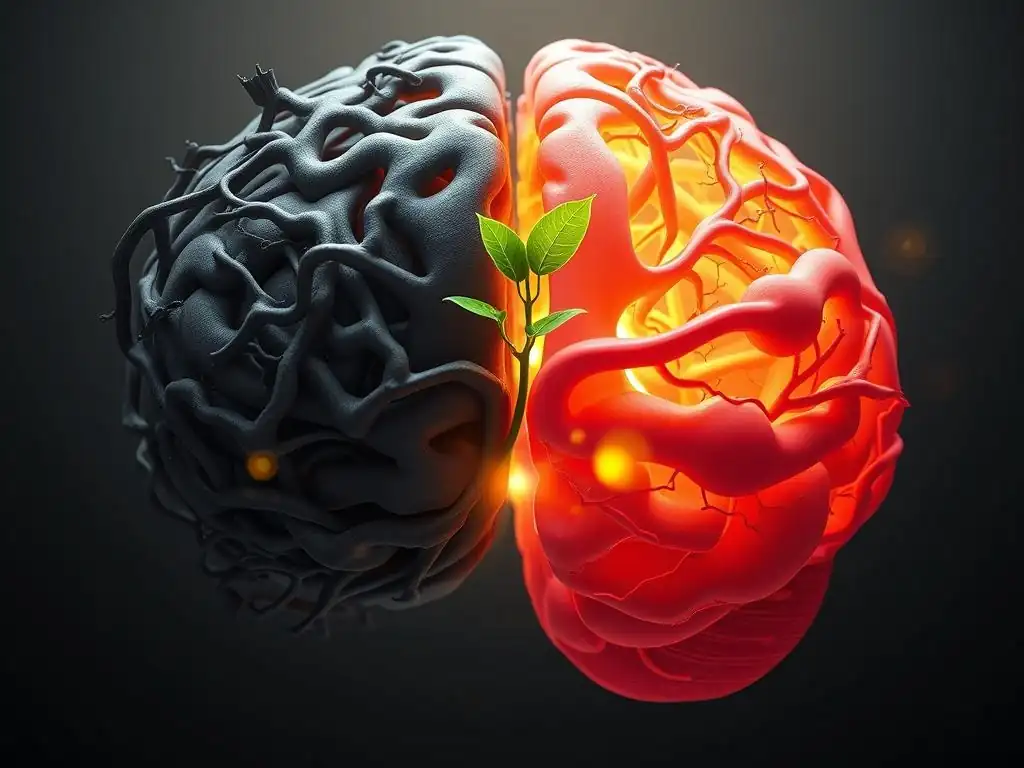
Feeling overwhelmed by stress? You're not alone. We understand the weight it can carry, and we're here to guide you towards understanding its impact on your brain. But what if those changes aren't permanent? Dive into our latest article, " Can You Reverse Stress-Induced Brain Changes? Biological Insights," where we explore the fascinating possibilities of stress brain changes reversal. Discover the science behind the stress and the potential paths towards recovery. Let's embark on this journey of healing and understanding together.
-
Can You Reverse Stress-Induced Brain Changes? Biological Insights for Mind Care
- Introduction: Understanding Stress and its Impact on the Brain
- The Biological Mechanisms of Stress-Induced Brain Alterations
- Identifying Stress-Related Brain Changes: Symptoms and Markers
- Can Stress-Induced Brain Changes Be Reversed? Exploring the Possibilities
- Strategies for Reversing Stress-Related Brain Damage: A Mind Care Guide
- Therapeutic Interventions for Stress-Induced Brain Changes
- The Importance of Early Intervention: Preventing Long-Term Damage
- Case Studies: Real-World Examples of Brain Recovery from Stress
- Maintaining Long-Term Brain Health After Stress Recovery
- Conclusion: Hope for Reversing Stress-Induced Brain Alterations
-
Frequently Asked Questions
- What specific types of brain changes are typically caused by prolonged stress?
- Is it truly possible to reverse stress-induced brain changes, or is it just mitigation of symptoms?
- Which lifestyle changes are most effective in reversing or mitigating stress-related brain alterations?
- What therapeutic interventions have shown promise in reversing the negative effects of stress on the brain?
- How long does it typically take to see noticeable improvements in brain function after implementing stress-reducing strategies?
- Final Reflection: Reclaiming Your Brain's Resilience
- Unlock Your Brain's Resilience: Take Control Now!
Can You Reverse Stress-Induced Brain Changes? Biological Insights for Mind Care
Introduction: Understanding Stress and its Impact on the Brain
Stress is an unavoidable part of life, but its chronic or severe forms can exert profound and lasting effects on our biology, particularly our brains. While acute stress responses are adaptive, helping us react to immediate threats, prolonged exposure to stressors can lead to significant alterations in brain structure and function. These changes are not merely theoretical; they are observable and measurable, impacting everything from our mood and memory to our ability to make decisions. Understanding these biological impacts is the first step towards exploring the possibility of stress brain changes reversal.
The field of neuroscience has made significant strides in mapping how stress pathways influence different brain regions. Key areas affected include the prefrontal cortex, vital for executive functions; the hippocampus, crucial for memory formation; and the amygdala, central to processing emotions like fear. Chronic stress can shrink the hippocampus and prefrontal cortex, while increasing the size and activity of the amygdala. These structural and functional shifts underpin many common stress-related symptoms, raising the critical question: are these changes permanent, or is stress brain changes reversal a realistic goal?
The Biological Mechanisms of Stress-Induced Brain Alterations
How Stress Hormones Affect Brain Structure and Function
The primary mediators of the stress response are hormones, particularly cortisol, released by the adrenal glands under the command of the hypothalamic-pituitary-adrenal (HPA) axis. In short bursts, cortisol helps mobilize energy and focus attention. However, chronically elevated cortisol levels have a detrimental impact on brain tissue. High concentrations of cortisol receptors are found in the hippocampus and prefrontal cortex, making these areas particularly vulnerable. Prolonged exposure can inhibit the birth of new neurons (neurogenesis) in the hippocampus and reduce the density of dendrites and synapses, essentially weakening the connections between brain cells.
Beyond cortisol, other stress-related neurotransmitters like norepinephrine and glutamate also play a role. While necessary for acute responses, excessive or prolonged release of glutamate can be excitotoxic, damaging neurons. Norepinephrine, while boosting alertness initially, can impair cognitive function and flexibility when levels remain high. These hormonal and neurotransmitter imbalances contribute significantly to the structural and functional changes observed, such as reduced gray matter volume in critical areas and altered connectivity between different brain networks, setting the stage for exploring how stress brain changes reversal might occur.
Neuroplasticity and Stress: The Brain's Adaptive Response
Fortunately, the brain possesses a remarkable property known as neuroplasticity – the ability to reorganize itself by forming new neural connections throughout life. This inherent adaptability is the cornerstone of learning and memory, but it also represents the brain's capacity to heal and recover from insult, including stress-induced damage. While chronic stress can impair certain aspects of neuroplasticity, the pathways and mechanisms for change remain active, offering hope for reversal.
Neuroplasticity manifests in several ways relevant to stress recovery. These include structural plasticity (changes in the size of brain regions and density of synapses), functional plasticity (changes in the strength of connections between neurons and networks), and neurogenesis (the creation of new neurons, primarily in the hippocampus). Understanding how to harness and promote these natural processes is central to developing strategies aimed at stress brain changes reversal. The brain's capacity for adaptation means that even after periods of significant stress, positive changes are possible with targeted interventions and lifestyle adjustments.
Cognitive Impairment: Memory, Focus, and Decision-Making
One of the most common manifestations of stress-induced brain changes is cognitive impairment. Individuals experiencing chronic stress often report difficulties with memory, particularly forming new memories and retrieving existing ones. This is strongly linked to stress-induced reductions in hippocampal volume and function. For instance, studies have shown that individuals with chronic stress may perform worse on tasks requiring spatial or verbal memory compared to their less-stressed counterparts, reflecting compromised hippocampal activity.
Furthermore, the prefrontal cortex's vulnerability to stress hormones affects executive functions like focus, attention, planning, and decision-making. Chronic stress can impair working memory and the ability to filter out distractions, making it hard to concentrate. Decision-making can become more impulsive or risk-averse, influenced by an overactive amygdala and a less effective prefrontal cortex. These cognitive markers serve as important indicators that stress is impacting brain health and highlight the potential targets for stress brain changes reversal efforts.
Emotional Dysregulation: Anxiety, Depression, and Irritability
Stress significantly impacts the brain networks involved in emotional processing and regulation, leading to heightened emotional reactivity and dysregulation. The amygdala, the brain's "fear center," becomes more active and potentially larger under chronic stress, contributing to increased feelings of anxiety and fearfulness. Simultaneously, the reduced activity and connectivity in the prefrontal cortex can impair its ability to modulate or dampen these emotional responses, making individuals more susceptible to mood swings and heightened irritability.
Chronic stress is also a significant risk factor for developing mood disorders like depression. The complex interplay between stress hormones, neurotransmitter imbalances (such as serotonin and dopamine), and changes in brain circuitries connecting areas like the prefrontal cortex, amygdala, and hippocampus contribute to the persistent low mood, loss of interest, and other symptoms characteristic of depression. Recognizing these emotional markers is crucial for identifying when stress has crossed the threshold from adaptive response to a state requiring interventions aimed at stress brain changes reversal and mental well-being.
Can Stress-Induced Brain Changes Be Reversed? Exploring the Possibilities
Neuroplasticity and Recovery: The Brain's Capacity for Healing
Yes, compelling evidence from neuroscience suggests that stress-induced brain changes are often not permanent and can be reversed or significantly mitigated. The key lies in leveraging the brain's inherent neuroplasticity. While chronic stress can disrupt neuroplastic processes, removing the stressor and implementing strategies that promote neuroplasticity can facilitate recovery. This involves mechanisms like regaining lost synaptic connections, restoring neurogenesis in the hippocampus, and rebalancing activity across crucial brain networks.
Research using techniques like fMRI and structural MRI has demonstrated that interventions aimed at reducing stress can lead to measurable positive changes in brain structure and function. For example, studies have shown increases in hippocampal volume and prefrontal cortical thickness after periods of reduced stress or therapeutic intervention. This indicates that the brain retains a remarkable capacity for healing and adaptation, providing a strong biological basis for the possibility of stress brain changes reversal. The brain is not a static organ; it is dynamic and capable of significant positive change.
The Role of Lifestyle Factors in Brain Recovery
Lifestyle factors play a critical role in supporting the brain's natural recovery processes and facilitating stress brain changes reversal. Healthy habits can directly influence neuroplasticity, neurogenesis, and the balance of stress hormones. For instance, regular physical exercise has been shown to boost levels of brain-derived neurotrophic factor (BDNF), a protein vital for the growth, survival, and function of neurons, particularly in the hippocampus.
Diet and nutrition also impact brain health. A diet rich in omega-3 fatty acids, antioxidants, and vitamins can protect neurons from damage and support synaptic function. Conversely, poor diet can exacerbate inflammation, which is detrimental to brain health. Sleep is another fundamental factor; adequate, quality sleep is essential for memory consolidation and allows the brain to perform crucial restorative processes. By optimizing these lifestyle elements, individuals can create an environment that strongly supports the brain's efforts towards stress brain changes reversal.
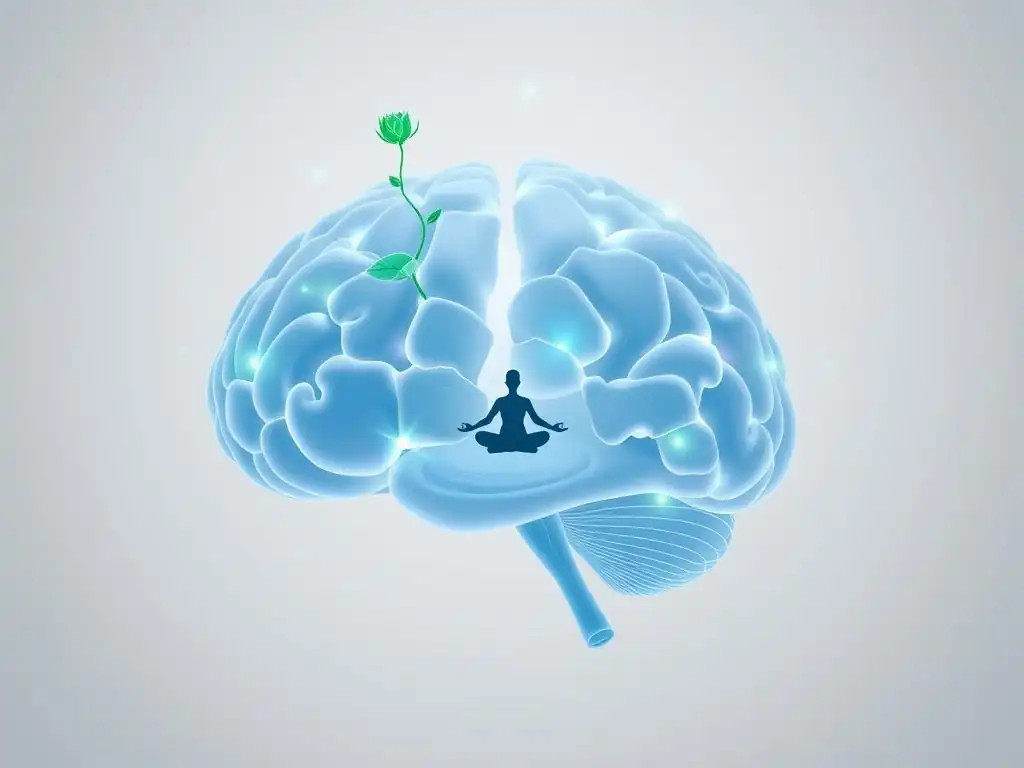
Mindfulness and Meditation: Reducing Stress and Promoting Neurogenesis
Mindfulness and meditation practices have gained significant attention for their positive effects on brain health and their potential role in stress brain changes reversal. These practices involve training attention and awareness, which can help regulate the stress response and reduce cortisol levels. Regular meditation has been associated with structural changes in the brain, including increased gray matter density in areas linked to self-awareness, compassion, and stress regulation, such as the prefrontal cortex and hippocampus.
Studies using experienced meditators have shown measurable differences in brain structure compared to control groups, including increased cortical thickness in certain regions. While these studies often involve long-term practitioners, even relatively short periods of mindfulness training (e.g., 8 weeks) have been shown to produce observable brain changes and reductions in stress markers. By calming the nervous system and fostering a different relationship with stressful thoughts, mindfulness provides a powerful tool for mitigating stress's impact and encouraging brain recovery.
Exercise and Physical Activity: Enhancing Brain Health and Resilience
Physical exercise is one of the most robust interventions known to promote brain health and can significantly contribute to stress brain changes reversal. Exercise increases blood flow to the brain, delivering essential oxygen and nutrients. More importantly, it stimulates the production of neurotrophic factors like BDNF, which are crucial for neurogenesis and synaptic plasticity. Research consistently shows that aerobic exercise, in particular, can increase hippocampal volume and improve cognitive function, especially memory.
Engaging in regular physical activity also helps regulate the HPA axis, leading to lower levels of stress hormones over time. It provides a healthy outlet for stress and can improve mood by releasing endorphins. Aiming for at least 150 minutes of moderate-intensity aerobic exercise or 75 minutes of vigorous-intensity exercise per week, combined with muscle-strengthening activities, is a widely recommended guideline that offers substantial benefits for both physical and mental well-being, directly supporting the brain's capacity for recovery.
Nutrition and Diet: Fueling Brain Recovery from Stress
A nutrient-rich diet is fundamental to supporting brain function and facilitating stress brain changes reversal. The brain requires a steady supply of specific nutrients to build and maintain neural tissue, produce neurotransmitters, and protect against oxidative stress and inflammation, which can be exacerbated by chronic stress. Key nutrients include omega-3 fatty acids (found in fatty fish, flaxseeds, walnuts), which are critical components of brain cell membranes and have anti-inflammatory properties.
Antioxidants (found in fruits, vegetables, berries) help protect brain cells from damage caused by free radicals, which can be elevated during stress. B vitamins and magnesium are essential for energy metabolism and neurotransmitter synthesis. Limiting processed foods, high sugar intake, and unhealthy fats is also crucial, as these can promote inflammation and negatively impact cognitive function. Think of nutrition as providing the essential building blocks and protective agents the brain needs to repair itself and build resilience against future stress.
Therapeutic Interventions for Stress-Induced Brain Changes
Cognitive Behavioral Therapy (CBT): Addressing Negative Thought Patterns
Cognitive Behavioral Therapy (CBT) is a widely effective psychotherapeutic approach that can play a significant role in stress brain changes reversal, particularly by addressing the cognitive and emotional components of stress. CBT helps individuals identify and challenge negative thought patterns and beliefs that contribute to stress and anxiety. By learning to reframe thoughts and develop more adaptive coping strategies, individuals can change their emotional and behavioral responses to stressors.
While CBT is a behavioral intervention, its effects are mediated by changes in brain activity. Studies have shown that successful CBT for conditions like anxiety and depression, often rooted in chronic stress, is associated with normalization of activity in brain regions like the amygdala and prefrontal cortex. By altering how the brain processes and responds to threats and challenges, CBT indirectly supports the biological recovery processes and helps restore healthier brain function.
Neurofeedback: Training the Brain to Regulate Stress Responses
Neurofeedback is a type of biofeedback that trains individuals to alter their brain activity patterns. Using electroencephalography (EEG) or other brain imaging techniques, individuals receive real-time feedback on their brainwave activity and learn to regulate specific patterns associated with stress, anxiety, or other conditions. For example, someone might learn to increase alpha waves (associated with relaxation) or decrease high-frequency beta waves (associated with anxiety).
While still an emerging field for direct stress brain changes reversal, neurofeedback shows promise by helping individuals gain conscious control over physiological responses that are often dysregulated by chronic stress. By practicing self-regulation of brain activity, individuals may improve connectivity and function in stress-related neural circuits. This technique offers a direct way to train the brain towards healthier, less reactive states, potentially supporting the broader goals of stress-related recovery.
Pharmacological Approaches: Considerations and Limitations
Pharmacological interventions, such as antidepressants or anti-anxiety medications, are sometimes used to manage severe symptoms associated with chronic stress, like major depression or generalized anxiety disorder. These medications can help rebalance neurotransmitter levels (like serotonin, norepinephrine, or GABA) that are often disrupted by prolonged stress. For individuals with severe symptoms, medication can provide necessary relief, enabling them to engage in therapy and lifestyle changes more effectively.
However, pharmacological approaches primarily target symptoms rather than directly reversing the underlying structural or functional brain changes caused by stress. They can create a window for recovery but are generally not considered a standalone solution for stress brain changes reversal. Furthermore, medications come with potential side effects and may not be suitable for everyone. Their use is typically considered part of a comprehensive treatment plan, often combined with psychotherapy and lifestyle adjustments, rather than the sole method for addressing stress's impact on the brain.
The Importance of Early Intervention: Preventing Long-Term Damage
Recognizing the Signs of Chronic Stress: A Proactive Approach
Recognizing the early signs of chronic stress is paramount in preventing long-term, potentially more challenging-to-reverse brain changes. Chronic stress manifests differently in individuals but often includes persistent fatigue, sleep disturbances (insomnia or excessive sleeping), changes in appetite, increased irritability or anxiety, difficulty concentrating, and physical symptoms like headaches or muscle tension. Emotional signs might include feeling overwhelmed, helpless, or losing interest in activities once enjoyed.
Ignoring these signs allows stress to continue its detrimental work on the brain, potentially leading to more entrenched structural and functional alterations that require more intensive efforts for stress brain changes reversal. A proactive approach involves paying attention to these signals from your mind and body and taking steps to manage stress early on. This could involve implementing stress-reduction techniques, seeking support from friends or family, or consulting a mental health professional. Early recognition is the first line of defense against the insidious effects of chronic stress.
Building Resilience: Strengthening the Brain's Ability to Cope with Stress
Building resilience is about strengthening the brain's inherent ability to withstand and recover from stress, effectively minimizing the likelihood of severe stress-induced changes and supporting ongoing stress brain changes reversal efforts. Resilience isn't an innate trait possessed by a few; it's a skill that can be cultivated through various practices. These include developing strong social connections, practicing effective coping strategies (like problem-solving or positive reframing), maintaining a positive outlook, and fostering self-compassion.
From a biological perspective, resilience is linked to a more flexible and balanced HPA axis response and healthier connectivity between the prefrontal cortex and the amygdala. Resilient individuals tend to have a prefrontal cortex that is more effective at regulating amygdala activity, preventing the stress response from becoming overwhelming. Engaging in activities that promote neuroplasticity, such as learning new skills or pursuing hobbies, also contributes to resilience by keeping the brain adaptable and robust. Building resilience is an ongoing process that offers long-term protection against stress's impact.
Case Studies: Real-World Examples of Brain Recovery from Stress
Recovery from Workplace Stress and Improved Cognitive Function
Consider the case of "Sarah," a marketing executive who experienced chronic workplace stress for several years, leading to symptoms of burnout, including significant problems with focus, memory lapses, and difficulty making decisions – classic signs of stress-induced cognitive impairment. After taking a leave of absence and committing to a structured recovery plan that included regular exercise (jogging 3-4 times a week), mindfulness meditation (15-20 minutes daily), and therapy sessions focusing on stress management techniques, Sarah reported a gradual improvement in her cognitive function over six months.
While specific brain scans weren't publicly available for this hypothetical case, the reported improvements in memory recall and concentration align with findings in studies where similar interventions have been associated with increased hippocampal volume and improved prefrontal cortex activity. Sarah's experience illustrates that even significant cognitive deficits resulting from chronic stress can be mitigated through consistent, targeted efforts, demonstrating a real-world example of potential stress brain changes reversal. Her return to work was accompanied by better performance and reduced feelings of being overwhelmed.
Managing PTSD Symptoms Through Therapy and Lifestyle Changes
Another example involves individuals recovering from Post-Traumatic Stress Disorder (PTSD), a condition often associated with significant and persistent stress-induced brain changes, including a smaller hippocampus and altered amygdala reactivity. While PTSD is complex, therapeutic interventions like Trauma-Focused Cognitive Behavioral Therapy (TF-CBT) or Eye Movement Desensitization and Reprocessing (EMDR), combined with supportive lifestyle changes, have shown remarkable success in reducing symptoms and facilitating brain recovery.
For instance, studies using MRI scans before and after successful PTSD treatment have sometimes shown increases in hippocampal volume and a decrease in amygdala reactivity. These biological shifts correlate with clinical improvements, such as reduced flashbacks, decreased hypervigilance, and improved emotional regulation. While full "reversal" of all changes might not occur in every case, these examples provide compelling evidence that significant positive neurobiological changes and functional recovery are possible through dedicated therapeutic work and healthy living, highlighting the potential for stress brain changes reversal even after severe trauma.
Maintaining Long-Term Brain Health After Stress Recovery
Continued Lifestyle Modifications: Sustaining a Healthy Brain Environment
Achieving stress brain changes reversal is a significant step, but maintaining those positive changes requires ongoing commitment to healthy lifestyle practices. The brain's plasticity means it can continue to adapt, for better or worse. Sustaining regular exercise, a balanced diet rich in brain-supporting nutrients, adequate sleep (typically 7-9 hours per night for adults), and continued engagement in stress-reducing activities like mindfulness or hobbies are crucial for supporting the brain's long-term health and resilience.
Think of these lifestyle factors not just as recovery tools, but as essential maintenance for optimal brain function. Just as consistent exercise keeps muscles strong, consistent healthy habits keep neural pathways robust and the stress response system balanced. Continuing to prioritize these areas helps prevent a relapse into stress-induced patterns and supports the brain's capacity to handle future challenges without succumbing to detrimental changes. It's about creating a sustainable environment where the brain can thrive.
Regular Mental Health Check-ins: Monitoring for Relapse
Even after a period of recovery and apparent stress brain changes reversal, it's wise to incorporate regular mental health check-ins into your routine. This doesn't necessarily mean formal therapy sessions indefinitely, though periodic booster sessions can be helpful. It can involve self-monitoring for returning signs of excessive stress, anxiety, or cognitive difficulties. Open communication with trusted friends, family, or a healthcare provider about how you're feeling is also vital.
Early detection of returning stress signals allows for prompt action, preventing a slide back into chronic stress patterns that could re-induce negative brain changes. Consider it a form of preventative care for your brain. Being proactive about monitoring your mental state and seeking support when needed is a sign of strength and a key strategy for ensuring the long-term success of your stress brain changes reversal efforts and overall mind care.
Conclusion: Hope for Reversing Stress-Induced Brain Alterations
The Power of Neuroplasticity and Proactive Mind Care
The journey through understanding stress's impact on the brain reveals a challenging picture, but one filled with hope. While chronic stress can indeed cause significant alterations in brain structure and function, the remarkable power of neuroplasticity demonstrates that these changes are often not permanent. The brain possesses an inherent capacity to heal, adapt, and reorganize itself throughout life, offering a strong biological basis for the possibility of stress brain changes reversal.
Achieving this reversal hinges on proactive mind care – recognizing the signs of stress early, implementing evidence-based strategies like mindfulness, exercise, and healthy nutrition, and utilizing therapeutic interventions when necessary. It requires consistent effort and a commitment to fostering a brain-healthy lifestyle. The science is increasingly clear: by actively engaging in practices that support neuroplasticity and regulate the stress response, individuals can mitigate past damage and build a more resilient brain for the future.
Resources for Further Learning and Support
Understanding the complexities of stress and its effects on the brain is an ongoing process. For those seeking to deepen their knowledge or find support, numerous resources are available. Educational websites, books by leading neuroscientists and mental health professionals, and reputable organizations dedicated to mental health research and advocacy offer valuable information.
Furthermore, seeking professional support from therapists, counselors, or psychiatrists specializing in stress and trauma is a crucial step for many. These professionals can provide personalized strategies, therapeutic interventions, and medical guidance tailored to individual needs. Remember, you don't have to navigate the path towards stress brain changes reversal alone; help and information are available to support your journey towards greater mental well-being.
Frequently Asked Questions
What specific types of brain changes are typically caused by prolonged stress?
Prolonged stress can lead to decreased gray matter volume in areas like the prefrontal cortex and hippocampus, impacting cognitive functions and memory.
Is it truly possible to reverse stress-induced brain changes, or is it just mitigation of symptoms?
While complete reversal may be difficult, research suggests that neuroplasticity allows for significant recovery. Lifestyle changes and therapeutic interventions can promote brain health.
Regular exercise, a healthy diet, and mindfulness practices are crucial. They help reduce cortisol levels and promote neurogenesis, supporting brain recovery.
What therapeutic interventions have shown promise in reversing the negative effects of stress on the brain?
Cognitive Behavioral Therapy (CBT) and Mindfulness-Based Stress Reduction (MBSR) are effective. These therapies help manage stress and promote adaptive coping mechanisms, benefiting brain health.
How long does it typically take to see noticeable improvements in brain function after implementing stress-reducing strategies?
The timeline varies, but noticeable improvements in mood and cognitive function can occur within weeks to months. Significant brain structural changes may take longer with consistent effort.
Final Reflection: Reclaiming Your Brain's Resilience
The pervasive impact of stress on our brains is undeniable, yet the possibility of reversing these changes offers a beacon of hope. Understanding the biological mechanisms behind stress-induced brain alterations is not merely an academic pursuit; it's a crucial step towards empowering individuals to take control of their mental and physical well-being. The research highlighted in this article demonstrates that while the effects of stress can be profound, they are not necessarily irreversible.
The journey towards understanding and mitigating the effects of stress on the brain is a continuous one, profoundly shaping our understanding of mental health and resilience. This journey underscores the importance of proactive strategies, from mindfulness practices to lifestyle adjustments, in fostering neuroplasticity and promoting brain health. The brain is like a muscle. We must constantly work it to keep it strong.
This quote, though simplistic, captures the essence of our ability to shape our brain's response to stress through conscious effort and targeted interventions.
Now, consider your own relationship with stress. What steps can you take today to nurture your brain's resilience? This article isn't just a collection of scientific findings; it's a call to action. Embrace the power of neuroplasticity, prioritize self-care, and actively seek strategies to mitigate the negative effects of stress. Your brain's capacity for change is remarkable – take the opportunity to cultivate a healthier, more resilient mind.
Unlock Your Brain's Resilience: Take Control Now!
Thanks for diving deep into the fascinating world of stress and brain health! We hope you gained valuable insights into how to protect and even reverse some of the negative effects of stress. Now it's time to put that knowledge into action.
Here's how you can start building a more resilient mind:
- Prioritize a daily mindfulness practice: Even 5-10 minutes of meditation or deep breathing can significantly impact your brain's response to stress. This is the key step to building long-term resilience.
- Share this article with someone you care about: Help them unlock their brain's potential for resilience too! Spread the knowledge and empower those around you.
- Explore our other articles on brain health: Discover even more practical tips and techniques on MindCareGuide.org for creating a calmer, healthier you. We have a wealth of resources to support your journey.
What small step will you take today to strengthen your brain's resilience against stress?