
Reduce Headaches and Migraines: Stress Reduction Through Meditation

Welcome to Mind Care Guide, your sanctuary for nurturing inner peace.
Are headaches and migraines holding you back? Perhaps the tension of daily life has tightened its grip. In this article, we delve into a powerful and accessible tool: stress reduction meditation headaches. Discover how this mindful practice can help you unlock relief, reclaim control, and embark on a journey towards lasting well-being. Curious to learn more? Let's explore the path to a calmer, headache-free you.
Reduce Headaches and Migraines: Stress Reduction Through Meditation | Mind Care Guide
- Introduction: Meditation for Headache and Migraine Relief
- The Science Behind Meditation and Headache Reduction
- Types of Meditation for Stress and Headache Relief
-
Step-by-Step Guide: Practicing Stress Reduction Meditation for Headaches
- Finding a Quiet and Comfortable Space for Meditation
- Setting an Intention: Focusing on Headache Relief and Stress Reduction
- Guided Breathing Exercises for Relaxation and Headache Management
- Body Awareness and Release of Tension During Meditation
- Maintaining Consistency: Building a Meditation Habit for Long-Term Headache Prevention
- Benefits of Regular Meditation for Headache Sufferers
- Integrating Meditation into Your Daily Routine for Headache Prevention
- Overcoming Challenges in Meditation for Headache Relief
- Complementary Therapies for Headache Management Alongside Meditation
- Conclusion: Embracing Meditation for a Headache-Free Life
-
Frequently Asked Questions
- How can meditation help reduce headaches and migraines?
- What types of meditation are most effective for headache relief?
- How often should I meditate to see a reduction in headaches?
- Are there any potential side effects of using meditation for headaches?
- Where can I find resources and guidance for learning meditation techniques for headache relief?
- Final Reflection: Finding Stillness in the Storm of Pain
- Unlock Your Calm: Start Your Headache-Free Journey Today!
Introduction: Meditation for Headache and Migraine Relief
Understanding the Connection: Stress, Headaches, and Migraines
Stress is a common trigger for both tension headaches and migraines, affecting millions globally. When the body perceives stress, it initiates a 'fight or flight' response, releasing hormones like cortisol and adrenaline. This physiological reaction can lead to muscle tension, particularly in the neck and shoulders, and changes in blood vessel activity, all of which contribute significantly to headache and migraine onset and severity. Chronic stress, in particular, can lower a person's threshold for pain and make them more susceptible to frequent and intense headache episodes.
Research consistently points to stress as a major precipitating factor for headaches. Studies indicate that up to 70-80% of individuals with tension-type headaches report stress as a primary trigger. For migraine sufferers, stress is also frequently cited, with estimates suggesting it triggers attacks in over 50% of cases. Understanding this profound link between stress and head pain is the first step towards effective management, highlighting the potential of stress reduction techniques like meditation as a therapeutic tool. Managing stress through practices like stress reduction meditation headaches can become less frequent and less debilitating.
Mind Care Guide's Approach to Headache Management Through Meditation
At Mind Care Guide, we recognize the debilitating impact that chronic headaches and migraines can have on daily life. Our approach to managing these conditions emphasizes holistic well-being, focusing on addressing root causes rather than just symptoms. We advocate for evidence-based strategies, and stress reduction through meditation stands out as a powerful, non-pharmacological intervention with significant potential benefits for headache sufferers. It's about empowering individuals to take an active role in their health.
We believe that integrating meditation into a comprehensive headache management plan can offer profound relief. This involves not just learning how to meditate but understanding why it works from a physiological and psychological perspective. By providing guidance on various meditation techniques and explaining the science behind their effectiveness in reducing stress and pain, Mind Care Guide aims to equip our readers with the tools to effectively use stress reduction meditation headaches relief. This includes practical steps for incorporating meditation into daily routines and managing potential challenges.
The Science Behind Meditation and Headache Reduction
How Meditation Lowers Stress Hormones: The Cortisol Connection
Meditation has been shown to directly influence the body's stress response system, particularly the hypothalamic-pituitary-adrenal (HPA) axis. The HPA axis regulates the release of cortisol, often called the "stress hormone." During stress, the HPA axis is activated, leading to increased cortisol levels. While necessary for short-term survival, chronically elevated cortisol can have detrimental effects on health, including increased inflammation and heightened pain sensitivity, both of which can exacerbate headaches.
Regular meditation practice helps to downregulate the HPA axis, leading to a reduction in circulating cortisol levels. For instance, a meta-analysis involving multiple studies found that meditation interventions were associated with a significant decrease in cortisol compared to control groups. This physiological shift away from a constant state of high alert helps calm the nervous system. By mitigating the chronic stress response at a hormonal level, meditation provides a powerful mechanism for stress reduction meditation headaches relief, making the body less reactive to triggers.
Meditation's Impact on Brain Activity and Pain Perception
Beyond hormonal changes, meditation also alters brain structure and activity in ways that can influence pain perception. Functional MRI studies have shown that experienced meditators exhibit changes in areas of the brain associated with pain processing, such as the insula, anterior cingulate cortex (ACC), and prefrontal cortex. These regions are involved not only in sensing pain but also in the emotional and cognitive appraisal of it.
Specifically, meditation appears to decrease activity in brain regions that process the unpleasantness of pain, while maintaining or even increasing activity in areas related to the sensation of pain. This suggests that meditators may still feel the pain, but they are less bothered or distressed by it. For headache sufferers, this shift in perception can be transformative, potentially reducing the intensity and disruptive nature of headache pain. Furthermore, consistent meditation practice has been linked to increased gray matter density in areas associated with self-awareness and emotional regulation, further enhancing the ability to manage stress and pain signals.
Research Supporting Meditation for Headache and Migraine Prevention
A growing body of scientific literature supports the use of meditation for headache and migraine management. Studies have explored various meditation techniques and their effects on headache frequency, intensity, and duration. While research is ongoing, initial findings are promising.
For example, a study published in the journal Headache investigated the effects of mindfulness-based stress reduction (MBSR) on chronic migraine sufferers. Participants reported a significant reduction in headache frequency and disability after completing the MBSR program compared to a control group. Another study focusing on tension-type headaches found that a combination of relaxation techniques, including meditation, led to a notable decrease in headache days per month. These findings underscore the potential of incorporating stress reduction meditation headaches management strategies into treatment plans, offering a non-pharmacological option for prevention and relief.
Types of Meditation for Stress and Headache Relief
Mindfulness Meditation: Cultivating Awareness and Reducing Tension
Mindfulness meditation involves paying attention to the present moment without judgment. This includes noticing thoughts, feelings, bodily sensations, and external stimuli as they arise. For headache sufferers, cultivating this non-judgmental awareness can be particularly beneficial. It helps individuals observe the physical sensations associated with a developing headache or the stress triggering it without immediately reacting with fear, frustration, or resistance, which can often amplify pain.
By practicing mindfulness regularly, individuals learn to identify early signs of stress or tension that might precede a headache. They also develop the capacity to sit with discomfort, whether physical or emotional, without being overwhelmed. This skill can be crucial during a headache episode, allowing for a more measured response and potentially reducing the intensity or duration of the pain. Regular mindfulness practice builds resilience, making the nervous system less reactive to stressors and contributing to effective stress reduction meditation headaches prevention.
Guided Meditation: Visualization and Relaxation Techniques for Headaches
Guided meditation involves being led through a meditation practice by an instructor, either in person, via audio recording, or video. These sessions often use visualization, progressive muscle relaxation, or guided imagery specifically tailored to promote relaxation and alleviate physical tension. For someone new to meditation or experiencing significant pain, guided practices can be easier to follow and provide immediate comfort.
Many guided meditations for headaches focus on releasing tension in common headache areas like the jaw, neck, shoulders, and forehead. They might also guide the listener through visualizations of pain dissolving or stress melting away. This directed approach can be very effective in inducing a state of deep relaxation, which counteracts the physiological stress response that contributes to headaches. Using guided stress reduction meditation headaches relief can be a powerful tool, especially when dealing with acute pain.
Transcendental Meditation: Achieving Deep Relaxation to Alleviate Pain
Transcendental Meditation (TM) is a specific form of meditation that involves silently repeating a mantra provided by a certified instructor. It is practiced for 15-20 minutes twice a day, sitting comfortably with eyes closed. TM is known for its ability to produce a state of deep rest and relaxation, often described as being deeper than sleep.
The deep relaxation achieved during TM practice is associated with significant physiological changes, including reduced heart rate, lower blood pressure, and decreased oxygen consumption. This profound state of rest helps to dissolve accumulated stress and tension in the nervous system. While TM requires instruction from a certified teacher, studies have shown its effectiveness in reducing stress and anxiety, factors directly linked to headaches and migraines. The consistent practice of TM can build resilience against stress triggers, offering a potential pathway for stress reduction meditation headaches management.
Body Scan Meditation: Releasing Physical Tension and Headache Symptoms
Body scan meditation is a practice where you systematically bring your attention to different parts of your body, noticing sensations without judgment. Starting from the toes and moving up to the head, you observe tingling, warmth, coolness, tension, or relaxation in each area. This practice helps to increase body awareness and identify areas where stress or tension is held.
For headache sufferers, the body scan is particularly useful as tension in the neck, shoulders, and scalp is often a direct contributor to head pain. By focusing attention on these areas during the scan, individuals can become more aware of where they habitually hold tension and learn to consciously release it.
Regular body scans can improve interoceptive awareness (the sense of the internal state of the body), making it easier to detect early signs of tension before they escalate into a full-blown headache. Incorporating body scan into a routine enhances stress reduction meditation headaches prevention by directly addressing physical tension.
Step-by-Step Guide: Practicing Stress Reduction Meditation for Headaches
Finding a Quiet and Comfortable Space for Meditation
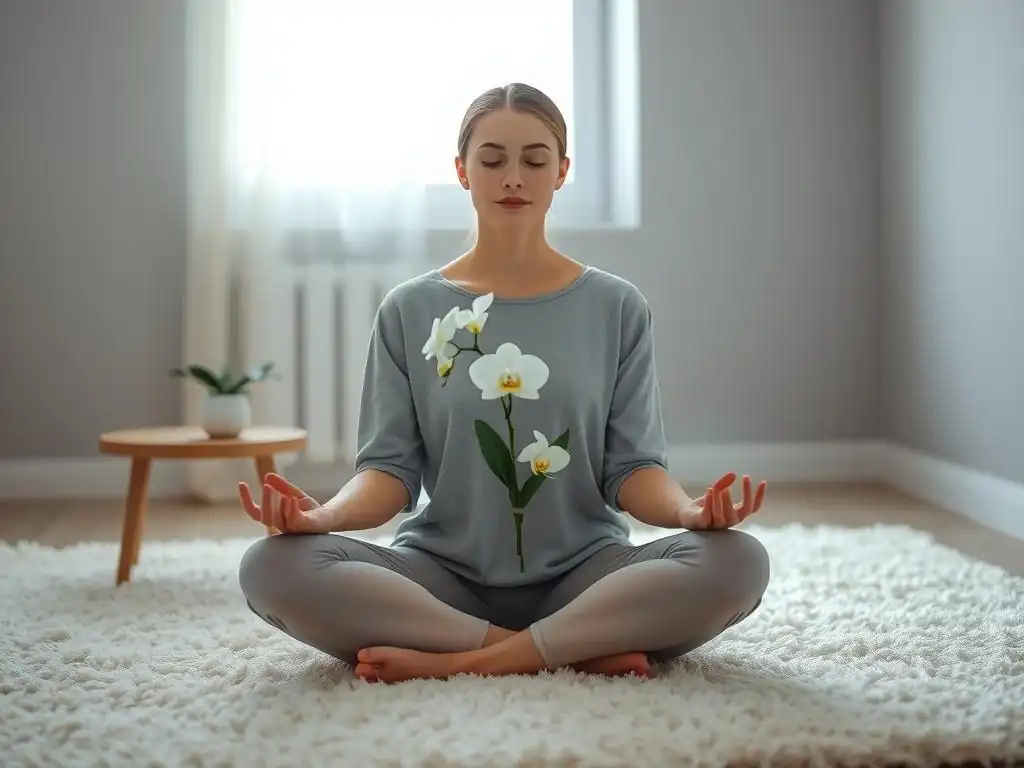
Choosing the right environment is crucial for a successful meditation practice, especially when aiming for headache relief. Look for a place where you are unlikely to be interrupted for the duration of your session, ideally 10-20 minutes. This could be a quiet corner of your home, a park bench, or even a calm spot in your office during a break.
Ensure the space is comfortable. This means finding a comfortable position, whether sitting on a cushion on the floor, on a chair with your feet flat, or even lying down if that feels best (though be mindful of falling asleep). Minimize distractions like electronic devices and loud noises. Creating a dedicated space, even if simple, signals to your mind and body that it's time to transition into a state of calm, preparing you for effective stress reduction meditation headaches techniques.
Setting an Intention: Focusing on Headache Relief and Stress Reduction
Before beginning your meditation, take a moment to set an intention. An intention is a gentle reminder of why you are practicing. For headache relief, your intention might be something like: "I intend to release tension," "I am cultivating calm and peace," or "I am allowing stress to melt away." This isn't a rigid goal to achieve, but rather a guiding principle for your practice.
Setting an intention helps focus your mind and brings purpose to the meditation. It can be particularly helpful if you are starting with a headache or feeling stressed, as it provides a positive focus point. Simply stating your intention silently or aloud at the beginning helps align your mind towards the desired outcome: using stress reduction meditation headaches relief.
Guided Breathing Exercises for Relaxation and Headache Management
Breathing is a fundamental aspect of meditation and a powerful tool for managing stress and pain. Many meditation practices begin with focusing on the breath or incorporating specific breathing exercises. Slow, deep, and rhythmic breathing activates the parasympathetic nervous system, which is responsible for the body's "rest and digest" state, counteracting the stress response.
A simple technique is diaphragmatic or belly breathing. Inhale slowly through your nose, allowing your abdomen to expand. Exhale slowly through your mouth, feeling your abdomen contract. Try counting your breaths, perhaps inhaling for a count of four and exhaling for a count of six. Focusing on slow exhalations is particularly effective for promoting relaxation. Practicing these breathing techniques regularly, even outside of formal meditation, can help manage stress and potentially avert or lessen the severity of headaches. This focus on breath is a core element of stress reduction meditation headaches strategies.
Body Awareness and Release of Tension During Meditation
As you settle into your meditation, bring gentle awareness to your body. Notice any areas of tension, without judgment. Common spots for headache-related tension include the jaw, neck, shoulders, forehead, and scalp. Simply acknowledging where you feel tension is the first step towards releasing it.
You can then consciously try to soften or relax these areas on the exhale. Imagine the tension melting away with each breath. You might gently move or stretch the area beforehand if that helps. If discomfort or pain arises during the meditation, acknowledge it without getting caught up in thoughts about it. Try to breathe into the sensation, imagining the breath bringing ease to that area. This practice of body awareness and conscious release is integral to using stress reduction meditation headaches effectively.
Maintaining Consistency: Building a Meditation Habit for Long-Term Headache Prevention
Consistency is key to reaping the long-term benefits of meditation for headache relief. While a single session can provide temporary calm, regular practice is what truly rewires the brain and nervous system to better manage stress and pain. Aim for a daily practice, even if it's just for 5-10 minutes initially.
- Start small: Begin with short sessions and gradually increase the duration.
- Schedule it: Treat your meditation time like any other important appointment.
- Be flexible: If you miss a day, don't get discouraged; just start again tomorrow.
- Find a buddy: Meditating with others or having someone to check in with can help maintain motivation.
Building a consistent meditation habit can significantly reduce the frequency and intensity of headaches over time by building resilience against stress triggers. This dedicated practice is how you truly leverage stress reduction meditation headaches prevention.
Benefits of Regular Meditation for Headache Sufferers
Reduced Headache Frequency and Intensity
One of the most significant benefits reported by individuals who regularly practice meditation is a reduction in the frequency and intensity of their headaches and migraines. By consistently lowering stress levels, meditation helps to minimize one of the most common headache triggers. The calming effect on the nervous system reduces overall physiological reactivity.
Over time, the threshold for headache triggers may increase, meaning it takes more stress to initiate an episode. Furthermore, for headaches that do occur, the ability to remain calm and less reactive to the pain sensation itself can make the experience less severe and debilitating. Many report seeing a noticeable change within a few months of consistent practice, sometimes experiencing 20-30% fewer headache days per month. This direct impact on headache statistics highlights the power of regular stress reduction meditation headaches management.
Improved Stress Management and Emotional Well-being
Meditation teaches valuable skills for managing stress in daily life. It helps individuals become more aware of their stress triggers and their typical reactions. With practice, the automatic "fight or flight" response to stressors can be softened, replaced by a more measured and conscious response. This enhanced ability to navigate stressful situations calmly directly reduces the internal pressure that can lead to headaches.
Beyond stress management, regular meditation contributes to overall emotional well-being. It can reduce feelings of anxiety, irritability, and frustration, emotions often intertwined with chronic pain conditions like headaches. Cultivating qualities like patience, self-compassion, and acceptance through meditation fosters a more positive emotional state, creating a less fertile ground for stress-induced headaches. This holistic improvement in emotional health is a key benefit of stress reduction meditation headaches practices.
Sleep disturbances are frequently linked to headaches and migraines, acting as both a trigger and a symptom. Poor sleep quality can increase stress and inflammation, making individuals more susceptible to head pain. Meditation has been shown to improve sleep quality by calming the mind and reducing the rumination that often interferes with falling and staying asleep.
Practicing meditation, particularly before bedtime, can help quiet the mental chatter and promote a state of relaxation conducive to sleep. Studies have indicated that regular meditation can improve symptoms of insomnia and increase total sleep time. By fostering better sleep hygiene and deeper rest, meditation can help break the cycle of sleep-related headaches and contribute to overall headache prevention. Improved sleep is a vital component of effective stress reduction meditation headaches strategies.
Decreased Reliance on Pain Medication
For individuals dealing with chronic headaches and migraines, reliance on pain medication is common. While medications can provide temporary relief, they often come with side effects and can sometimes lead to medication overuse headaches. By addressing the underlying stress and tension that contributes to headaches, meditation offers a path towards potentially reducing the need for frequent medication.
As headache frequency and intensity decrease with regular meditation practice, many individuals find they can reduce their reliance on over-the-counter or prescription pain relievers. This doesn't mean abandoning medication entirely, especially for acute attacks, but rather integrating meditation as a complementary therapy that reduces the overall burden of pain and the need for pharmacological intervention. This shift towards fewer medications is a significant advantage of incorporating stress reduction meditation headaches techniques into a treatment plan.
Integrating Meditation into Your Daily Routine for Headache Prevention
Scheduling Dedicated Meditation Time
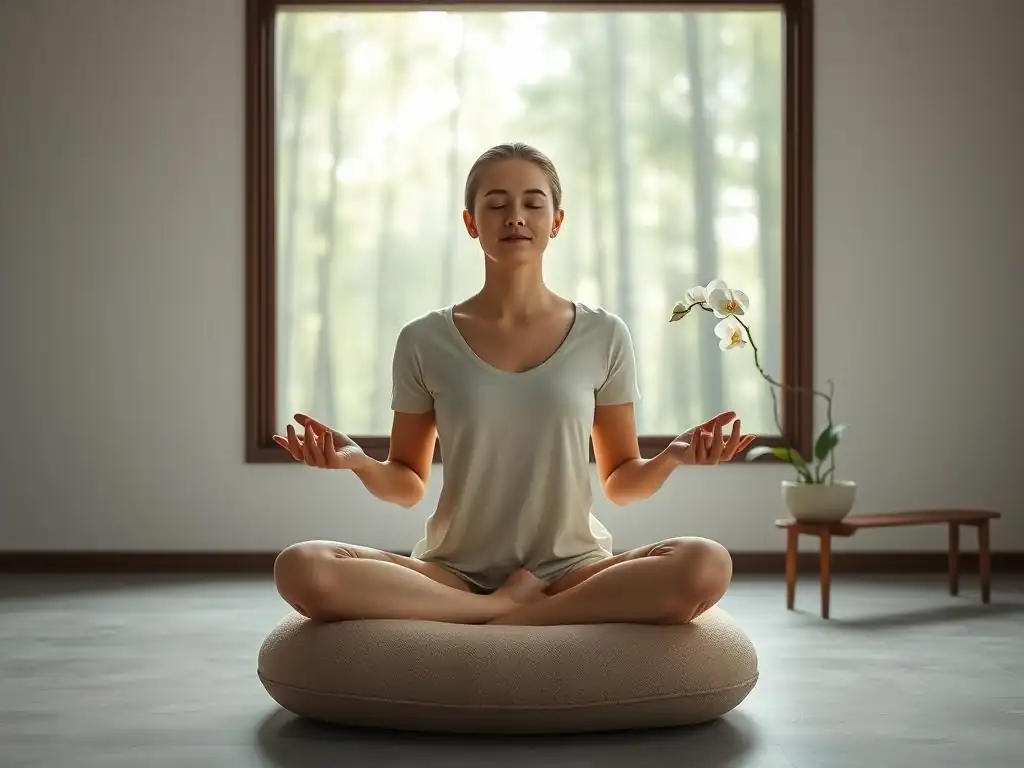
Making meditation a consistent part of your day is crucial for long-term headache prevention. Think of it as an appointment you keep with yourself. Even just 10-15 minutes daily can make a difference. Consider what time of day works best for you – perhaps first thing in the morning to set a calm tone, during a lunch break to reset, or in the evening to unwind before bed.
Finding a consistent time helps build the habit. It doesn't have to be rigid, but having a general slot in your schedule increases the likelihood that you'll actually do it. Some people find success linking meditation to an existing habit, like after brushing their teeth or before their first cup of coffee. This dedicated time reinforces the commitment to using stress reduction meditation headaches prevention.
Using Meditation Apps and Online Resources for Guidance
For beginners or those who prefer guidance, numerous meditation apps and online resources can be incredibly helpful. Apps like Calm, Headspace, Insight Timer, and others offer guided meditations ranging from a few minutes to longer sessions, often with specific programs for stress, sleep, or pain.
These resources can provide structure, instruction, and variety in your practice. They can make meditation accessible anytime, anywhere. Exploring different guided meditations can also help you find techniques or instructors whose voices and styles resonate with you, making the practice more enjoyable and sustainable. Leveraging these tools supports your journey with stress reduction meditation headaches techniques.
Mindful Moments: Incorporating Meditation Techniques Throughout the Day
While dedicated meditation sessions are important, you don't have to limit mindfulness to a specific time. You can weave 'mindful moments' into your daily activities. This involves bringing awareness to simple actions, like eating, walking, or even washing dishes.
- Mindful Eating: Pay attention to the taste, texture, and smell of your food.
- Mindful Walking: Notice the sensation of your feet on the ground, the movement of your body.
- Mindful Breathing Breaks: Take a few deep breaths when feeling stressed or overwhelmed.
These short bursts of mindfulness throughout the day can help maintain a state of calm and prevent stress from building up, thereby reducing the likelihood of stress-induced headaches. Integrating these moments complements your formal stress reduction meditation headaches practice.
Creating a Supportive Environment for Meditation Practice
Your physical environment can significantly impact your meditation experience. While you don't need a fancy meditation room, making your chosen space as conducive to relaxation as possible can help. This might involve:
- Keeping it tidy and free of clutter.
- Adjusting lighting to be soft or natural.
- Using comfortable seating or cushions.
- Minimizing noise or using earplugs if necessary.
Informing family or housemates about your meditation time can also help ensure you are not interrupted. Creating a peaceful and supportive environment makes it easier to commit to your practice and get the most out of your stress reduction meditation headaches sessions.
Overcoming Challenges in Meditation for Headache Relief
Dealing with Distractions During Meditation
It's completely normal for your mind to wander during meditation. Thoughts, sounds, physical sensations, and emotions will inevitably arise. The goal isn't to stop thinking or eliminate distractions, but to notice them without judgment and gently guide your attention back to your anchor, such as your breath or body sensations.
When you notice your mind has wandered – perhaps you're thinking about your to-do list or a stressful situation – simply acknowledge the thought ("Ah, thinking about work") and gently redirect your focus back to your breath. Don't criticize yourself; this act of noticing and returning is the core practice of meditation. Consistency in bringing your attention back builds mental discipline, which is crucial for stress reduction meditation headaches management.
Addressing Physical Discomfort and Pain
Sometimes, physical discomfort or pain, including a developing headache, can arise during meditation. It can be challenging to sit with these sensations. If the discomfort is mild, try acknowledging it with curiosity, breathing into it, and seeing if you can create space around the sensation. Sometimes, simply observing pain without resistance can lessen its intensity.
If the pain is significant, it's okay to adjust your position or even take a break. Meditation isn't about enduring suffering but about cultivating awareness and ease. If you find yourself consistently experiencing pain during meditation, ensure your posture is comfortable and consider trying a different position, like lying down. Learning to mindfully relate to physical discomfort is a key aspect of using stress reduction meditation headaches techniques effectively.
Staying Motivated and Consistent with Meditation Practice
Maintaining a regular meditation practice can be challenging, especially when dealing with chronic pain or busy schedules. Motivation may wax and wane. Remind yourself of why you started – the potential for reduced headaches and improved well-being. Keep a journal to track your progress, noting any changes in headache frequency or intensity, stress levels, or mood. Seeing tangible improvements can be a powerful motivator.
Find a meditation style or guide that you enjoy. Vary your practice to keep it interesting. Connect with others who meditate, whether online or in person, for support and shared experience. Celebrate small victories, like completing a week of daily practice. Building consistency is a process, and being kind and patient with yourself is key to making stress reduction meditation headaches a sustainable habit.
Complementary Therapies for Headache Management Alongside Meditation
Yoga and Stretching for Stress Relief and Headache Prevention
Yoga and gentle stretching are excellent complements to meditation for headache relief. Both practices emphasize body awareness, breath control, and relaxation. Many types of headaches, particularly tension headaches, are linked to muscle tightness in the neck, shoulders, and upper back. Yoga poses and stretches specifically target these areas, helping to release physical tension.
Regular yoga practice can improve flexibility, strength, and posture, all of which can reduce strain that contributes to headaches. The combination of physical movement, breathwork, and mindfulness in yoga offers a holistic approach to stress reduction. Incorporating yoga alongside stress reduction meditation headaches strategies can provide synergistic benefits, addressing both mental and physical aspects of tension.
Acupuncture and Massage Therapy for Pain Reduction
Acupuncture and massage therapy are also widely used complementary therapies for headache and migraine management. Acupuncture involves inserting thin needles into specific points on the body to stimulate energy flow and promote healing. Research suggests it may help reduce headache frequency and intensity, potentially by influencing pain pathways and releasing endorphins.
Massage therapy, particularly focusing on the neck, shoulders, and scalp, can help release muscle knots and reduce tension that contributes to headaches. It also promotes overall relaxation and stress reduction. Many individuals find that combining regular massage or acupuncture sessions with their stress reduction meditation headaches practice enhances their ability to manage pain and prevent future episodes.
Dietary Considerations for Headache Management
While not a direct therapy like meditation or massage, dietary choices play a significant role in headache management for many individuals. Certain foods and beverages can trigger headaches in susceptible people. Common culprits include aged cheeses, processed meats, chocolate, caffeine, alcohol (especially red wine), and artificial sweeteners.
Identifying and avoiding personal dietary triggers can significantly reduce headache frequency. Maintaining regular meal times and staying well-hydrated are also important. While meditation helps manage the stress response, managing dietary triggers addresses potential instigators of headaches. Combining mindful eating, which can be enhanced by meditation practice, with conscious avoidance of triggers is a comprehensive approach to headache prevention.
Conclusion: Embracing Meditation for a Headache-Free Life
The Power of Mindfulness and Stress Reduction
The journey towards reducing headaches and migraines often involves addressing underlying factors, with stress being a primary contributor for many. Meditation, particularly focused on stress reduction, offers a powerful and accessible tool to manage this critical trigger. By cultivating mindfulness and learning to calm the nervous system, individuals can build resilience against stress and reduce its physiological impact.
Embracing a regular meditation practice empowers you to take an active role in your health and well-being. It's not a quick fix, but a sustainable lifestyle change that fosters inner peace and physical ease. The consistent application of stress reduction meditation headaches techniques can lead to fewer headache days, less intense pain, and a greater sense of control over your health.
Mind Care Guide's Commitment to Holistic Headache Management
At Mind Care Guide, we are committed to providing comprehensive information and support for mental well-being, which includes addressing conditions like chronic headaches and migraines from a holistic perspective. We believe in the power of integrating mind-body practices into conventional care plans.
Our resources aim to educate and inspire you to explore effective strategies like meditation. We encourage you to view stress reduction meditation headaches relief not just as a technique, but as a pathway to a calmer, more balanced life, where headaches no longer dictate your daily experience. By integrating these practices, you can move towards a life with reduced pain and enhanced well-being.
Frequently Asked Questions
How can meditation help reduce headaches and migraines?
Meditation helps by reducing stress and tension, which are common triggers for headaches. It promotes relaxation and mindfulness, altering the body's response to pain.
What types of meditation are most effective for headache relief?
Mindfulness meditation and guided meditation are often recommended. These techniques help focus on the present moment and reduce stress and anxiety, providing relief from headaches.
How often should I meditate to see a reduction in headaches?
Consistency is key. Aim for at least 15-20 minutes daily. Regular practice allows you to develop better stress management skills and reduce headache frequency.
Are there any potential side effects of using meditation for headaches?
Meditation is generally safe, but some may initially experience increased awareness of discomfort. Starting with short sessions and gradually increasing duration can minimize any initial challenges.
Where can I find resources and guidance for learning meditation techniques for headache relief?
Mind Care Guide offers information, support, and resources. You can also explore online meditation apps or seek guidance from a qualified meditation instructor for personalized support.
Final Reflection: Finding Stillness in the Storm of Pain
The pervasive nature of stress in modern life is inextricably linked to the rising prevalence of headaches and migraines. Millions suffer daily, seeking relief from the throbbing pain that disrupts their lives. This article has explored the powerful connection between stress and these debilitating conditions, highlighting the transformative potential of meditation as a readily accessible and effective tool for managing both.
The journey towards stress reduction through meditation is not merely a physical one; it's a deeply personal exploration of the mind-body connection. It's about learning to observe the storm of thoughts and emotions without being swept away by them. This process of cultivating inner stillness has profoundly impacted my own life, allowing me to navigate stressful situations with greater clarity and resilience. The mind is everything. What you think you become.
– Buddha. This ancient wisdom rings truer than ever in our fast-paced world, reminding us of the power we hold to shape our own experiences through mindful practices.
Now, consider your own relationship with stress and its impact on your well-being. Are you willing to dedicate even a few minutes each day to explore the calming power of meditation? This isn't about achieving perfect serenity; it's about cultivating a gentler, more compassionate approach to yourself and the challenges you face. Begin with small steps, breathe deeply, and allow the quiet strength of mindfulness to guide you towards a life less burdened by pain and more filled with peace. The journey to a healthier, happier you begins with a single breath.
Unlock Your Calm: Start Your Headache-Free Journey Today!
Thanks for taking the time to explore stress reduction techniques with us! We hope you've gained valuable insights into how meditation can help alleviate headaches and migraines. Now it's time to put that knowledge into practice.
- Begin your daily meditation practice: Even 5-10 minutes a day can make a significant difference. Find a quiet space and try one of the guided meditations we recommended.
- Share your experience: Let us know in the comments how meditation is impacting your headache frequency and intensity. Inspire others to find relief!
- Explore additional resources: Look into complementary therapies like yoga or aromatherapy, often recommended in conjunction with meditation for stress management.
So, ready to prioritize your well-being and discover a calmer, headache-free you? What small step will you take today to reduce stress and improve your overall health?