
The Power of Fermented Foods: Nourishing Your GutBrain Connection

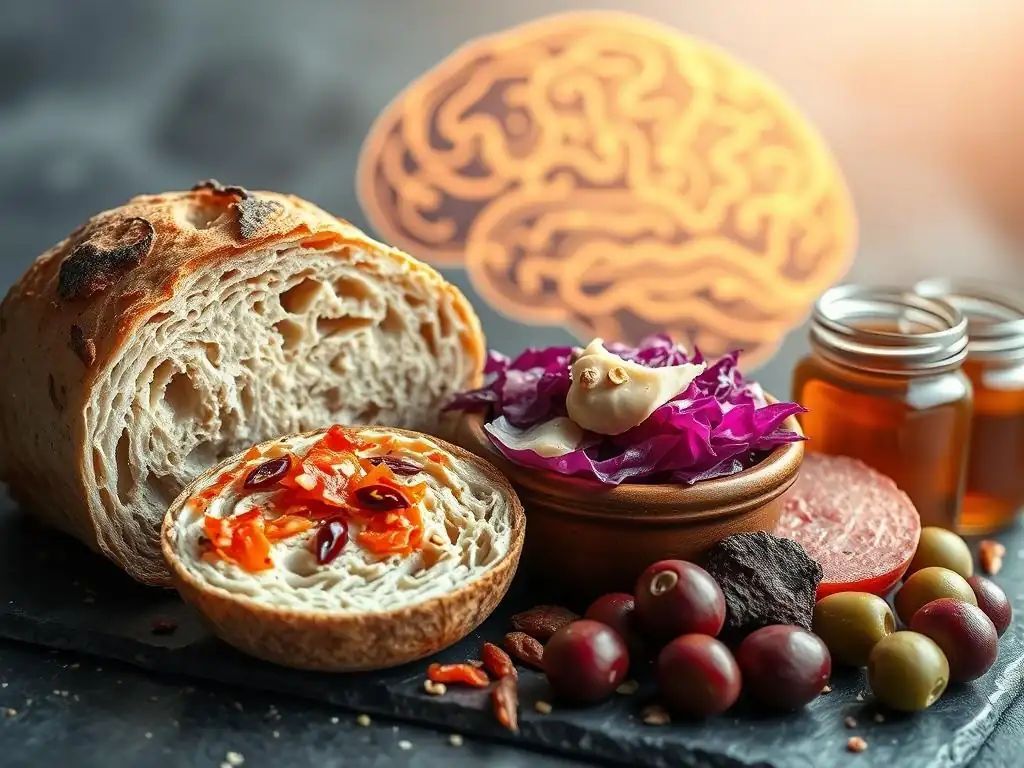
Welcome to Mind Care Guide, your compassionate companion on the journey to mental well-being.
Ever wondered if your gut holds the key to unlocking a happier mind? Dive in to discover the fascinating science behind the fermented foods gutbrain health connection. We'll explore how nurturing your gut microbiome can profoundly impact your mood, cognition, and overall mental resilience. Let's unravel this incredible link together and empower you with practical steps to nourish your mind from the inside out.
- The Power of Fermented Foods: Nourishing Your Gut-Brain Connection for Mental Well-being
- The Gut-Brain Axis: A Two-Way Street to Mental Wellness
- Fermented Foods: Nature's Probiotic Powerhouse for Mental Health
- The Benefits of Fermented Foods for Gut-Brain Health
- Fermented Foods and Specific Mental Health Conditions
- Incorporating Fermented Foods into Your Diet: A Practical Guide
- Beyond Fermented Foods: A Holistic Approach to Gut-Brain Health
- Conclusion: Embracing Fermented Foods for a Healthier Gut and Mind
-
Frequently Asked Questions
- How do fermented foods impact my mental well-being?
- What types of fermented foods are most beneficial for gutbrain health?
- How does the gut-brain axis work, and why is it important?
- How often should I consume fermented foods to see a positive impact on my mental well-being?
- Are there any potential side effects of consuming fermented foods?
- Final Reflection: Cultivating a Healthier You Through the Gut-Brain Axis
- Unlock Your Gut's Potential: Nourish Your Mind & Body
The Power of Fermented Foods: Nourishing Your Gut-Brain Connection for Mental Well-being
Introduction: Understanding Fermented Foods and Gut-Brain Health
Fermented foods have been a staple in human diets for centuries, valued for their preservation qualities and unique flavors. However, their significance extends far beyond the culinary world, reaching deep into the intricate relationship between our digestive system and our brain. This connection, often referred to as the gut-brain axis, is a critical pathway influencing our mental and physical health.
Understanding the role of fermented foods gut-brain health involves exploring how the billions of microorganisms residing in our gut, collectively known as the gut microbiota, communicate with the brain. This communication happens bidirectionally through various pathways, including the vagus nerve, the immune system, and the production of neurochemicals. Fermented foods, rich in probiotics and other beneficial compounds, offer a natural way to support a healthy gut microbiome, which in turn can have profound effects on mood, stress response, and cognitive function. Embracing these traditional foods can be a powerful step towards enhancing overall mental well-being.
The Gut-Brain Axis: A Two-Way Street to Mental Wellness
Exploring the Intricate Connection Between Gut Microbiota and Brain Function
The gut-brain axis is a complex network of communication that links the central nervous system (brain and spinal cord) with the enteric nervous system (ENS), which is embedded in the gut wall. This connection involves hormonal, immune, and neural signaling pathways. The gut microbiota plays a pivotal role in this communication by producing various metabolites, such as short-chain fatty acids (SCFAs) like butyrate, propionate, and acetate, which can cross the blood-brain barrier and influence brain function.
Furthermore, the gut microbiota can influence the production of neurotransmitters, modulate the immune system, and impact the integrity of the gut lining, which in turn affects systemic inflammation. Research indicates that disruptions in the composition and diversity of the gut microbiome, often termed dysbiosis, are associated with various neurological and psychiatric conditions. For example, studies have shown that individuals with depression or anxiety often exhibit different microbial profiles compared to healthy individuals, suggesting a potential link where microbial imbalance could contribute to mental health challenges.
How the Gut Microbiome Influences Mood, Cognition, and Behavior
The gut microbiome exerts its influence on the brain through several mechanisms. One key pathway involves the production of neuroactive compounds. For instance, gut bacteria are responsible for producing a significant portion of the body's serotonin, a neurotransmitter crucial for regulating mood, sleep, and appetite. While most of this gut-produced serotonin acts locally within the digestive system, it influences ENS signaling which communicates with the brain.
Beyond serotonin, gut microbes also produce gamma-aminobutyric acid (GABA), an inhibitory neurotransmitter that helps reduce anxiety, and can influence the levels of dopamine, which is involved in motivation and reward. The production of SCFAs by gut bacteria fermenting dietary fibers has also been linked to improved cognitive function and reduced anxiety-like behaviors in animal studies.
Human studies are increasingly exploring these links, with some research suggesting that targeted probiotic interventions or dietary changes focusing on fermented foods gut-brain health can lead to measurable changes in mood and stress markers. For example, a study published in the Journal of Affective Disorders found that participants consuming probiotic-rich fermented foods reported reduced self-rated anxiety scores compared to a control group over a period of several weeks.
Fermented Foods: Nature's Probiotic Powerhouse for Mental Health

What are Fermented Foods? A Deep Dive into the Fermentation Process
Fermentation is an ancient metabolic process that converts sugars into acids, gases, or alcohol using microorganisms like bacteria or yeast. This process not only preserves food but also enhances its nutritional profile and creates unique flavors and textures. During fermentation, beneficial microbes break down complex compounds in the food, making nutrients more bioavailable and often producing new beneficial substances, including probiotics.
The specific outcome of fermentation depends on the type of food, the microorganisms involved, and the environmental conditions (like temperature and oxygen levels). For instance, lactic acid fermentation, common in yogurt, sauerkraut, and kimchi, involves bacteria converting sugars into lactic acid. This acid acts as a natural preservative and gives these foods their characteristic tangy taste. Understanding this process highlights why fermented foods gut-brain health is a topic of growing interest, as the live and active cultures present in these foods are believed to directly contribute to a healthier gut environment.
Key Types of Fermented Foods and Their Health Benefits
Fermented foods are diverse and found in cuisines worldwide. Each type offers a unique blend of microbes and nutrients that can support gut health and, by extension, mental well-being.
Yogurt and Kefir: Dairy-Based Probiotic Power
Yogurt and kefir are popular dairy products fermented using specific bacterial cultures (yogurt) or a combination of bacteria and yeasts (kefir grains). They are excellent sources of live and active probiotics, particularly Lactobacillus and Bifidobacterium species.
Regular consumption of yogurt and kefir has been associated with improvements in digestive health, including reduced symptoms of lactose intolerance and irritable bowel syndrome in some individuals. Beyond gut benefits, some studies have explored their impact on mental health.
For example, research indicates that the probiotics found in these foods may help reduce inflammation and influence neurotransmitter pathways, potentially contributing to lower levels of stress and anxiety. A review published in Translational Psychiatry highlighted several studies showing that supplementation with Lactobacillus and Bifidobacterium strains, commonly found in yogurt and kefir, was associated with improvements in mood scores in participants with mild to moderate depression.
Sauerkraut and Kimchi: Fermented Vegetable Delights
Sauerkraut (fermented cabbage) and kimchi (a Korean dish typically made from fermented cabbage and other vegetables) are produced through lactic acid fermentation. These foods are not only rich in probiotics but also contain fiber, vitamins (especially Vitamin C and K), and antioxidants.
The fermentation process enhances the bioavailability of certain nutrients in these vegetables. Sauerkraut and kimchi are particularly noted for their potential to diversify the gut microbiome. Studies suggest that the diverse range of microbes present in these foods, including various Lactobacillus species, can contribute to a more robust and balanced gut ecosystem.
The fiber content also acts as a prebiotic, feeding beneficial gut bacteria. Regular intake has been linked to improved digestion and immune function, and emerging research is exploring their specific impact on fermented foods gut-brain health through pathways like reducing systemic inflammation, which is often implicated in mood disorders.
Kombucha and Kvass: Fermented Beverages for Gut Health
Kombucha is a fizzy, fermented tea beverage made using a SCOBY (Symbiotic Culture of Bacteria and Yeast). Kvass is a traditional Slavic beverage made from fermented rye bread or beets. These drinks offer a different way to consume probiotics and beneficial metabolites.
Kombucha typically contains a mix of bacteria (like Acetobacter) and yeasts. While the probiotic content can vary widely depending on the brewing process, it also contains organic acids, antioxidants, and B vitamins. Kvass, similarly, provides beneficial bacteria and enzymes. While research specifically on kombucha and kvass's impact on the gut-brain axis is still developing, their consumption is associated with supporting gut diversity and providing beneficial organic acids. Some anecdotal reports and preliminary studies suggest that regular consumption might contribute to improved energy levels and digestive comfort, which can indirectly support mental well-being.
Miso and Tempeh: Fermented Soy Products Rich in Nutrients
Miso (a paste made from fermented soybeans, rice, or barley) and tempeh (a firm cake made from fermented soybeans) are staples in Asian cuisines. These foods are fermented using the Aspergillus oryzae mold (for miso) or the Rhizopus mold (for tempeh).
Miso and tempeh are excellent sources of plant-based protein, fiber, vitamins, and minerals. The fermentation process breaks down phytic acid in soybeans, which can inhibit mineral absorption, thus increasing the bioavailability of nutrients like iron and zinc. Tempeh, in particular, retains the whole soybean, providing significant fiber.
While not always containing live and active cultures when pasteurized (like some miso soups), they still contain beneficial postbiotics (metabolites produced by bacteria) and prebiotics that nourish gut microbes. Their rich nutrient profile, combined with the benefits of fermentation, makes them valuable components of a diet aimed at supporting overall health, including the complex interplay of fermented foods gut-brain health.
The Benefits of Fermented Foods for Gut-Brain Health
Enhancing Gut Microbiome Diversity and Balance
A diverse and balanced gut microbiome is often considered a hallmark of good health, both physical and mental. The trillions of microbes in our gut perform essential functions, from aiding digestion and synthesizing vitamins to modulating the immune system and influencing brain chemistry.
Consuming a variety of fermented foods introduces beneficial bacteria and yeasts into the digestive tract, potentially increasing the overall diversity and population of helpful microorganisms. For example, studies have shown that incorporating fermented foods into the diet can lead to a measurable increase in the abundance of beneficial bacteria like Lactobacillus and Bifidobacterium species within a few weeks.
This influx of beneficial microbes can help crowd out potentially harmful bacteria, restore balance after disturbances (like antibiotic use), and support the production of beneficial metabolites like SCFAs, which are vital for gut lining health and brain function. A more diverse microbial community is generally more resilient and better equipped to perform the wide range of functions necessary for optimal health.
Reducing Inflammation: The Role of Fermented Foods in Mental Health
Chronic low-grade inflammation in the body and brain is increasingly recognized as a contributing factor in various mental health conditions, including depression and anxiety. The gut plays a significant role in regulating systemic inflammation, partly through the integrity of the gut lining and the communication between gut microbes and the immune system.
Fermented foods can help reduce inflammation through several mechanisms. The probiotics they contain can strengthen the gut barrier, reducing the "leaky gut" phenomenon where toxins and inflammatory compounds cross into the bloodstream. Furthermore, beneficial bacteria produce SCFAs, particularly butyrate, which has potent anti-inflammatory properties both within the gut and systemically. Research indicates that individuals who consume more fermented foods often exhibit lower levels of inflammatory markers like C-reactive protein (CRP). While direct causality is still being studied, reducing systemic inflammation through dietary interventions like consuming fermented foods gut-brain health is a promising avenue for supporting mental well-being.
Improving Nutrient Absorption: Maximizing Brain Health
The efficiency of nutrient absorption in the gut directly impacts the availability of essential building blocks for brain function, including vitamins, minerals, and amino acids. A healthy gut microbiome plays a crucial role in this process.
Fermentation can pre-digest certain compounds in food, making nutrients more accessible for absorption. For example, fermentation can break down complex carbohydrates and proteins and reduce levels of anti-nutrients like phytic acid, which can bind to minerals and inhibit their absorption. Probiotic bacteria themselves can also synthesize certain vitamins, such as B vitamins and Vitamin K, which are important for neurological health.
By improving nutrient absorption and potentially contributing to vitamin synthesis, fermented foods help ensure the brain receives the necessary fuel and components to function optimally, supporting cognitive processes and mood regulation. Maximizing the body's ability to absorb nutrients from food is a fundamental aspect of supporting overall health and the brain's intricate needs.
Supporting Neurotransmitter Production: Serotonin, Dopamine, and GABA
Neurotransmitters are chemical messengers that play a critical role in regulating mood, cognition, behavior, and sleep. While traditionally associated primarily with the brain, a significant portion of the body's neurotransmitter production occurs in the gut, influenced by the resident microbes.
As mentioned earlier, gut bacteria are heavily involved in the synthesis of serotonin, with estimates suggesting up to 90% is produced in the gut. While this gut-derived serotonin mainly acts locally, it influences the gut-brain axis. Furthermore, gut microbes produce GABA, an inhibitory neurotransmitter that can help calm the nervous system and reduce anxiety.
They can also influence the precursors and metabolism of dopamine, involved in reward and motivation. By fostering a healthy microbial environment, fermented foods gut-brain health can potentially support the optimal production and balance of these crucial neurochemicals, contributing to improved mood stability, reduced anxiety, and better stress management.
Fermented Foods and Specific Mental Health Conditions
Fermented Foods for Anxiety Relief
Anxiety is a common mental health challenge characterized by excessive worry and nervousness. Research into the gut-brain axis has opened new avenues for understanding and potentially managing anxiety, with the gut microbiome emerging as a key player.
Studies, including clinical trials, are exploring the potential of probiotics and fermented foods to alleviate anxiety symptoms. Some research indicates that certain probiotic strains found in fermented foods can modulate the stress response system (the HPA axis) and reduce levels of stress hormones like cortisol.
For instance, a systematic review published in General Psychiatry found that probiotic supplementation had a small but significant effect in reducing anxiety symptoms. While more large-scale human trials are needed, the evidence suggests that incorporating probiotic-rich fermented foods into the diet may offer a natural complementary approach to support individuals experiencing anxiety, potentially by balancing gut microbes and influencing stress pathways.
Fermented Foods for Depression
Depression is a complex mood disorder affecting millions worldwide. Growing evidence points to a link between gut health, inflammation, and depressive symptoms. The gut microbiome's influence on neurotransmitter production, inflammation, and the stress response makes it a relevant target for intervention.
Several studies have investigated the impact of probiotics and fermented foods on depressive symptoms. Some clinical trials have reported improvements in mood scores and reductions in depressive symptoms in participants who consumed specific probiotic formulations or fermented foods compared to placebo groups. While the exact mechanisms are still being elucidated, it's believed that the anti-inflammatory effects, improved nutrient absorption, and modulation of neurotransmitter precursors by a healthy gut microbiome contribute to these benefits.
For example, a study involving participants with major depressive disorder found that daily consumption of a multi-strain probiotic blend for eight weeks led to a significant decrease in depression severity scores. This underscores the potential of dietary strategies focusing on fermented foods gut-brain health as part of a holistic approach to managing depression.
Fermented Foods for Cognitive Function
Cognitive function, encompassing memory, learning, and executive functions, can also be influenced by gut health. The gut-brain axis plays a role in neuroinflammation and the production of neurotrophic factors that are essential for brain plasticity and cognitive performance.
Research suggests that a healthy gut microbiome can support cognitive function throughout life. SCFAs, produced by gut bacteria, have been shown to have neuroprotective effects and can influence the production of brain-derived neurotrophic factor (BDNF), which is crucial for learning and memory. Studies in both animals and humans are exploring the link between probiotic consumption and cognitive outcomes.
Some preliminary human studies have indicated that probiotic or fermented food interventions may lead to improvements in certain cognitive domains, such as memory and executive function, particularly in older adults or individuals with cognitive impairment. While more robust research is needed, the potential for fermented foods gut-brain health to support cognitive resilience is an exciting area of ongoing study.
Incorporating Fermented Foods into Your Diet: A Practical Guide

Starting Slow: Introducing Fermented Foods Gradually
Introducing fermented foods into your diet is a simple yet effective way to support your gut microbiome and overall health. However, if you are new to these foods, it's often best to start slowly to allow your digestive system to adjust.
Begin with small servings, such as a few spoonfuls of sauerkraut, a small cup of kefir, or a small glass of kombucha. This helps prevent potential digestive discomfort, such as gas or bloating, which can occur as your gut microbiome adjusts to the influx of new bacteria. Gradually increase the portion size over a week or two as your body becomes accustomed to them. This gentle approach ensures that you reap the benefits of fermented foods gut-brain health without unnecessary side effects. Listen to your body and adjust intake as needed.
Choosing High-Quality Fermented Foods: What to Look For
Not all fermented foods are created equal when it comes to probiotic content. To maximize the benefits for your gut and brain, it's important to choose high-quality products that contain live and active cultures.
Look for labels that explicitly state "contains live and active cultures" or "naturally fermented." For products like sauerkraut, kimchi, and pickles, choose options found in the refrigerated section, as pasteurization (often used for shelf-stable versions) kills beneficial bacteria. For yogurt and kefir, check the ingredient list for specific bacterial strains. Avoid products with excessive added sugars or artificial ingredients, as these can counteract the positive effects on gut health. Opting for traditionally prepared, minimally processed fermented foods gut-brain health ensures you are getting the most beneficial microbes and nutrients.
Fermented Food Recipes for Gut and Brain Health
Incorporating fermented foods into meals doesn't have to be complicated. Many simple recipes can help you enjoy their benefits regularly.
- Add a dollop of plain, probiotic-rich yogurt or kefir to your morning smoothie or oatmeal.
- Top salads, sandwiches, or tacos with a spoonful of sauerkraut or kimchi.
- Use miso paste to create savory soup broths or salad dressings.
- Enjoy tempeh as a protein source in stir-fries, salads, or sandwiches.
- Sip on kombucha as a refreshing alternative to sugary drinks.
Simple Sauerkraut Addition:
Mix 1/4 cup of refrigerated sauerkraut into your tuna salad or chicken salad.
These are just a few examples, and the possibilities are vast. Experiment with different fermented foods and find ways to integrate them into your favorite dishes to support your fermented foods gut-brain health goals.
Safety Considerations and Potential Side Effects
While generally safe for most people, introducing fermented foods can sometimes cause mild digestive upset, such as gas, bloating, or changes in bowel movements, especially when starting. These symptoms usually subside as the body adjusts.
Individuals with compromised immune systems or specific health conditions should consult with a healthcare provider before significantly increasing their intake of fermented foods, particularly those with very high levels of live cultures. Additionally, some fermented foods can be high in sodium (like sauerkraut and kimchi) or sugar (like some kombuchas), so it's important to consume them in moderation as part of a balanced diet. Always store fermented foods properly (usually refrigerated) to maintain their quality and safety. Paying attention to portion sizes and how your body responds is key to safely incorporating fermented foods gut-brain health into your routine.
Beyond Fermented Foods: A Holistic Approach to Gut-Brain Health
The Importance of a Balanced Diet and Lifestyle
While fermented foods are powerful allies for the gut-brain axis, they are just one piece of the puzzle. Achieving optimal gut health and mental well-being requires a holistic approach that encompasses a balanced diet and healthy lifestyle habits.
A diet rich in diverse plant fibers from fruits, vegetables, legumes, and whole grains is crucial, as these provide prebiotics that nourish beneficial gut bacteria. Limiting processed foods, excessive sugar, and unhealthy fats also supports a healthier gut environment. Beyond diet, factors like regular physical activity, adequate sleep, and stress management techniques significantly impact gut health and the gut-brain connection. For example, chronic stress can negatively alter the composition of the gut microbiome and increase gut permeability. Therefore, integrating fermented foods gut-brain health into a broader framework of healthy eating and living offers the most comprehensive benefits.
Prebiotics: Feeding Your Gut Microbiome
Prebiotics are non-digestible fibers that selectively feed beneficial bacteria in your gut. Think of them as the fertilizer for your gut garden. While fermented foods introduce beneficial microbes, prebiotics help these microbes thrive and multiply.
Excellent sources of prebiotics include garlic, onions, leeks, asparagus, bananas (especially slightly green ones), oats, apples, and flaxseeds. Consuming a variety of these foods ensures that your gut bacteria have the fuel they need to produce beneficial compounds like SCFAs and maintain a healthy balance. Combining prebiotics and probiotics (found in fermented foods) is often referred to as consuming synbiotics, which can have a synergistic effect on gut health. Focusing on both introducing beneficial bacteria and feeding them adequately is a powerful strategy for supporting fermented foods gut-brain health.
Stress Management and its Impact on Gut Health
Stress is a major factor influencing the gut-brain axis. Both acute and chronic stress can alter gut motility, increase gut permeability, change the composition of the gut microbiome, and increase inflammation.
The brain and gut are in constant communication regarding stress. Feeling stressed can lead to digestive issues, and conversely, gut problems can contribute to stress and anxiety. Implementing effective stress management techniques is therefore vital for supporting gut health and, consequently, mental well-being.
Practices such as mindfulness meditation, deep breathing exercises, yoga, spending time in nature, and ensuring sufficient rest can help regulate the body's stress response, which in turn has a positive impact on the gut microbiome and its communication with the brain. Acknowledging the significant role of stress in the fermented foods gut-brain health equation highlights the need for a multi-faceted approach to well-being.
Conclusion: Embracing Fermented Foods for a Healthier Gut and Mind
The Future of Fermented Foods and Gut-Brain Research
The field of gut-brain research is rapidly expanding, with new discoveries constantly emerging about the complex interplay between our gut microbes and our mental health. The role of fermented foods within this context is a particularly exciting area of study.
Future research is likely to delve deeper into the specific strains of probiotics found in different fermented foods and their precise effects on various aspects of brain function and mental health conditions. Researchers are also exploring how the unique metabolic byproducts produced during fermentation, beyond just live microbes, might influence the gut-brain axis.
As technology advances, we may see personalized dietary recommendations based on an individual's unique gut microbiome profile, potentially including tailored suggestions for incorporating specific fermented foods gut-brain health. This ongoing scientific exploration promises to unlock even greater potential for using diet as a tool for mental wellness.
Taking Charge of Your Mental Well-being Through Gut Health
Empowering yourself with knowledge about the gut-brain connection and the role of diet is a significant step towards taking charge of your mental well-being. Understanding that what you eat impacts not just your physical health but also your mood, stress levels, and cognitive function can inspire positive dietary changes.
Incorporating fermented foods into your daily routine, alongside a balanced diet rich in prebiotics, managing stress, and prioritizing sleep, offers a powerful, natural way to support your gut microbiome and foster a healthier mind. While fermented foods are not a magic bullet or a substitute for professional medical advice or treatment for mental health conditions, they can be a valuable and accessible component of a comprehensive approach to well-being.
By nourishing your gut, you are nourishing your brain, paving the way for improved resilience and vitality. Embracing the power of fermented foods gut-brain health is an investment in your overall health journey.
Frequently Asked Questions
How do fermented foods impact my mental well-being?
Fermented foods positively influence mental well-being by promoting a healthy gut microbiome. This improved gut health can then impact the gut-brain axis, which is a vital communication pathway. Essentially, a happy gut can lead to a happier mind.
What types of fermented foods are most beneficial for gutbrain health?
Foods like kefir, sauerkraut, kimchi, yogurt (with live cultures), and kombucha are known to support a healthy gut. These foods contain probiotics, which are beneficial bacteria that can improve gut flora and subsequently, brain function.
How does the gut-brain axis work, and why is it important?
The gut-brain axis is a complex bidirectional communication system between your gut and your brain. It involves the nervous system, immune system, and endocrine system. A balanced axis is crucial for regulating mood, reducing anxiety, and supporting overall mental health.
How often should I consume fermented foods to see a positive impact on my mental well-being?
While individual needs vary, incorporating fermented foods daily or several times a week can be beneficial. Start with small servings and gradually increase to assess your tolerance and observe any positive changes in your mood and cognitive function.
Are there any potential side effects of consuming fermented foods?
Some individuals may experience digestive discomfort, such as bloating or gas, particularly when first introducing fermented foods into their diet. It is important to start slowly and choose high-quality, properly fermented products to minimize potential side effects.
Final Reflection: Cultivating a Healthier You Through the Gut-Brain Axis
The transformative power of fermented foods extends far beyond simple digestion; it's a direct pathway to enhancing both physical and mental well-being. We've explored the intricate connection between our gut microbiome and brain function, revealing how the foods we consume profoundly impact our mood, cognitive abilities, and overall health. This isn't just a trendy health topic; it's a fundamental shift in our understanding of holistic wellness.
The impact of this gut-brain axis understanding is already rippling through our culture, influencing everything from dietary choices to mental health treatments. We're seeing a growing awareness of the importance of gut health, leading to increased demand for fermented foods and probiotics. This shift is incredibly encouraging, as it signifies a move towards a more preventative and personalized approach to healthcare. The gut is the second brain,
a phrase often used, is more than just a catchy slogan; it represents a powerful truth about the interconnectedness of our bodies.
Now, consider your own relationship with food. What steps can you take today to nourish your gut-brain connection? Start small – incorporate a daily serving of kimchi, kefir, or sauerkraut into your diet. Explore the diverse world of fermented foods, experimenting with different flavors and textures. By making conscious choices about what we consume, we empower ourselves to cultivate a healthier, happier, and more resilient self. The journey to a healthier gut-brain axis begins with a single, delicious bite.
Unlock Your Gut's Potential: Nourish Your Mind & Body
Thanks for diving into the world of fermented foods with us! We hope you've gained a deeper understanding of how these incredible foods can support your gut health and overall well-being. Now it's time to put this knowledge into action.
- Start small, but start now! Choose one new fermented food to incorporate into your diet this week – whether it's kimchi, sauerkraut, or a delicious yogurt. See how it makes you feel!
- Share the gut-health love! Tell a friend or family member about the benefits of fermented foods and encourage them to explore this exciting culinary world with you.
- Explore the endless possibilities! Experiment with different types of fermented foods to discover your new favorites. You might be surprised at how many delicious and nutritious options there are.
What simple swap will you make today to add a fermented food into your daily routine?