
Holistic Mental Health & Self-Care
Discover the transformative power of holistic mental health and self-care—a journey that nurtures your mind, body, and spirit as one interconnected system. From gentle movement therapies like Tai Chi, Qigong, and Yoga to the science-backed benefits of nutrition, sleep hygiene, and anti-inflammatory eating, this guide empowers you with practical tools for lasting emotional balance. Explore how nature therapy, gratitude practices, and stress management techniques can reduce anxiety, boost mood, and enhance resilience. Whether you’re seeking integrative approaches or evidence-based lifestyle adjustments, our resources help you build a personalized self-care routine that supports your unique well-being. Embrace a compassionate, whole-person path to mental clarity and inner harmony—start your journey today.
 Yoga for Mental Health - Mind-Body Connection
 Stress Management Techniques - Relaxation and Mindfulness
 Sleep Hygiene for Mental Well-being - Best Practices
 Lifestyle and Emotional Health - Balance and Harmony
 Gratitude Practices - Cultivating Positivity
 Exercise and Mental Health - Physical Activity Benefits
 Anti-Inflammatory Diet for Mental Health
 Sleep and Mental Health - Importance of Sleep
 Qigong for Mental Health - Energy and Balance
 Nature and Mental Health - The Healing Power of Nature
 Nutrition for Mental Well-being - Food and Mood
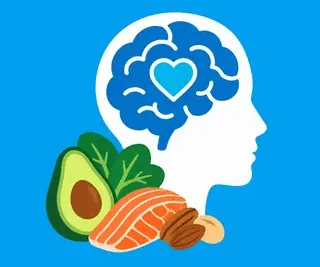 Ketogenic Diet for Mental Health - Emerging Research
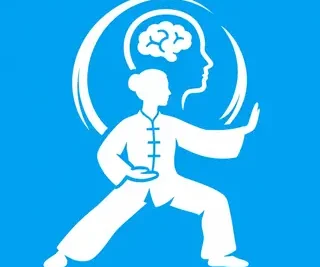 Tai Chi for Mental Health - Gentle Movement Therapy
 Holistic Approaches to Mental Health - Integrative Practices
 Self-Care Techniques for Mental Health - Practical Guide
Holistic Mental Health & Self-Care
Welcome to Mind Care Guide’s hub for holistic mental health and self-care, where we blend science-backed strategies with time-honored, whole-person approaches. Here, you’ll discover how nutrition, gentle movement, sleep, gratitude, and stress management work together to nurture your mind, body, and spirit. This section is your roadmap to building a sustainable, personalized wellness routine that boosts emotional resilience and daily calm—perfect for anyone seeking natural, integrative ways to support their mental well-being.
🌿 Self-Care Techniques for Mental Health - Practical Guide
This subcategory offers actionable, everyday strategies to recharge your emotional batteries. Expect step-by-step routines for mindful journaling, digital detoxes, self-compassion exercises, and boundary-setting. You’ll learn how small, consistent acts—like a five-minute breathing break or a gratitude snapshot—can significantly reduce anxiety and improve mood. We emphasize realistic, sustainable habits that fit busy lives, helping you move from burnout to balance without overwhelming your schedule.
🧘 Holistic Approaches to Mental Health - Integrative Practices
Here, explore how complementary therapies—from acupuncture and aromatherapy to meditation and energy work—can enhance traditional care. We break down the evidence behind each practice, explaining how they target stress hormones, nervous system regulation, and emotional balance. Expect guides to building a personalized integrative toolkit, including how to combine talk therapy with body-based modalities for deeper healing. This is your starting point for viewing mental health through a whole-person, mind-body-spirit lens.
🦢 Tai Chi for Mental Health - Gentle Movement Therapy
Discover how this slow, flowing martial art acts as moving meditation, reducing cortisol and boosting serotonin. We provide beginner-friendly sequences, breathing cues, and posture tips that calm racing thoughts and improve focus. Research highlighted here shows Tai Chi’s power in alleviating symptoms of depression, PTSD, and chronic stress. Expect expert advice on integrating 10-minute sessions into your morning or evening routine, even in small spaces, for immediate nervous-system reset.
🥑 Ketogenic Diet for Mental Health - Emerging Research
This cutting-edge section examines how a high-fat, low-carb diet may stabilize mood, particularly for bipolar disorder and treatment-resistant depression. We unpack the neuroprotective mechanisms—ketones as brain fuel, reduced inflammation, and enhanced mitochondrial function. You’ll find practical meal plans, potential side effects, and guidance on medical supervision. We stress that this is not a one-size-fits-all approach, but for some, it offers a revolutionary adjunct to medication and therapy. Expect unbiased, science-first analysis.
🍎 Nutrition for Mental Well-being - Food and Mood
Learn how your plate directly shapes your brain chemistry. This subcategory decodes the gut-brain axis, spotlighting probiotics, omega-3s, B-vitamins, and antioxidants that fight depression and anxiety. We provide sample “mood-boosting” meals, snack swaps, and hydration guidelines. Expect clear explanations of how blood sugar spikes and crashes contribute to irritability and fatigue—and how to stabilize them with whole foods and balanced macros. Start here for foundational dietary changes that yield noticeable emotional shifts within weeks.
🌲 Nature and Mental Health - The Healing Power of Nature
Step outside to lower blood pressure, reduce rumination, and restore attention span. This section explores ecotherapy, forest bathing, and horticulture therapy with evidence-backed benefits for stress and depression. We offer practical “nature prescriptions”—simple walks, gardening tasks, or even watching nature videos—that fit urban settings. Expect tips on sensory immersion: noticing birdsong, soil texture, and leaf patterns to anchor your mind in the present moment, away from anxious thoughts.
⚡ Qigong for Mental Health - Energy and Balance
Qigong combines breath, posture, and intention to move life energy (qi), reducing emotional tension and improving clarity. This subcategory breaks down gentle routines for mood management, including tips for releasing “stuck” feelings through mindful shaking and stretching. We cite studies showing qigong’s efficacy in lowering anxiety and improving sleep quality. Expect beginner-friendly video scripts and breathing patterns that you can perform in under 15 minutes, anytime you need a mental reset.
😴 Sleep and Mental Health - Importance of Sleep
Uncover the bidirectional link between sleep and mood disorders. Here, we explain why poor sleep fuels anxiety, depression, and emotional reactivity—and how improving sleep can be transformative. Expect research on sleep stages, circadian rhythms, and the effects of blue light, caffeine, and alcohol on rest. We provide practical targets for sleep duration and timing, plus evidence-based strategies to fall asleep faster and wake refreshed, directly enhancing your mental resilience.
🍒 Anti-Inflammatory Diet for Mental Health
Chronic inflammation is increasingly linked to depression and burnout. This section offers an anti-inflammatory food framework rich in colorful vegetables, healthy fats, and lean proteins while reducing processed foods and sugars. We explain how cytokines affect brain function and how omega-3s, curcumin, and polyphenols can lower inflammatory markers. Expect a 7-day sample menu, pantry lists, and dining-out tips that make this eating style simple and delicious, supporting both your body and brain.
🏃 Exercise and Mental Health - Physical Activity Benefits
Here, we translate exercise science into mood-boosting routines for every fitness level. Learn how aerobic activity releases endorphins and BDNF, promoting neuroplasticity and stress relief. We cover practical variables—intensity, frequency, and type—so you can choose walking, swimming, dancing, or strength training that feels joyful, not punishing. Expect smart goal-setting tips and how to overcome motivation slumps, ensuring physical activity becomes a reliable anchor for your mental wellness.
🙏 Gratitude Practices - Cultivating Positivity
Gratitude is more than saying “thanks”—it’s a neural trainable skill that rewires your brain for optimism. This subcategory offers science-backed exercises, from daily gratitude lists to “three good things” journaling and thank-you letters. We explain how these practices increase dopamine and serotonin while lowering inflammatory stress markers. Expect creative variation ideas—gratitude walks, jars, or apps—that keep the habit fresh and deeply meaningful, building a lasting positive mindset.
⚖️ Lifestyle and Emotional Health - Balance and Harmony
Explore how daily structure, relationships, work, and leisure synergize to shape your mood. This section provides an audit framework to assess your life domains—sleep, social time, career, and play—and rebalance undernourished areas. We share tips on time management, setting healthy boundaries, and creating supportive environments. Expect a holistic self-checksurvey to identify hidden stressors and design a personalized “emotional harmony plan” that fosters sustainable well-being rather than quick fixes.
🌙 Sleep Hygiene for Mental Well-being - Best Practices
Dive deeper into evidence-based sleep rituals that signal your brain it’s time to wind down. We cover optimal bedroom conditions—cool temperature, darkness, quiet—and pre-sleep routines involving reading, gentle stretching, or white noise. Expect clear do’s and don’ts around screen use, napping, and eating before bed. This targeted subcategory provides checklists and habit trackers to help you slowly replace poor sleep patterns with restorative, consistent rest that fortifies your mental health.
🌀 Stress Management Techniques - Relaxation and Mindfulness
Build your personal stress-response toolkit with science-backed techniques like diaphragmatic breathing, progressive muscle relaxation, and body scans. We explain the stress cascade—cortisol, adrenaline, and amygdala activation—and how to interrupt it with short, focused practices. Expect guided scripts for 2-minute resets and longer mindfulness sessions aimed at reducing chronic tension. You’ll learn to recognize early stress signals and activate recovery mode before overwhelm takes hold.
🧘♀️ Yoga for Mental Health - Mind-Body Connection
Yoga integrates physical postures, breath control, and meditation to down-regulate stress and improve emotional regulation. This subcategory details beginner sequences for anxiety, depression, and PTSD, including restorative poses like child’s pose and legs-up-the-wall. We highlight the vagus nerve stimulation benefits and how yoga increases GABA, a calming neurotransmitter. Expect class-style breakdowns (yin, hatha, pranayama) and modifications for limited mobility, making the practice accessible to absolutely everyone.
Frequently Asked Questions
Can holistic self-care replace therapy or medication?
No. Holistic practices are powerful complements—not substitutes—for professional care. They can enhance mood, reduce side effects, and improve coping, but for moderate to severe conditions, always work with a mental health provider. Use these techniques as supportive tools within a comprehensive treatment plan, never as a sole option.
How quickly will I notice benefits from these practices?
Some practices—like deep breathing or a gratitude journal—offer immediate calming effects within minutes. Others, such as dietary changes or Tai Chi, may take 4–12 weeks for measurable shifts in mood and energy. Consistency matters more than intensity. Track small wins weekly, and be patient with your nervous system’s adaptation pace.
Do I need special equipment or fitness levels for Tai Chi, Qigong, or Yoga?
No—all three are adaptable to any fitness level. You need comfortable clothing, a non-slip mat (optional), and about 2×3 feet of floor space. Beginners can start with seated or standing variations, using chairs for support. Focus on gentle movement and breath; never push into pain. Modify poses as needed.
Is the ketogenic diet safe for everyone with mental health issues?
Not always. This diet carries risk for those with kidney disease, eating disorders, or on certain medications like insulin or lithium. It requires strict nutritional oversight to avoid deficiencies. Always consult your psychiatrist and a registered dietitian before starting. For most, a gentle anti-inflammatory diet may be safer and equally beneficial.
What is the single most impactful self-care habit to start?
Prioritize sleep hygiene. Restful sleep amplifies the benefits of every other self-care practice—better mood, focus, and stress resilience. Begin by setting a fixed wake time, dimming lights after sunset, and avoiding caffeine after noon. Once sleep stabilizes, layer in daily movement and gratitude for compounding improvements.