Yoga Nidra: Deep Relaxation for a Restful Mind
🌿 Discover how Yoga Nidra can deeply relax the mind, helping to reduce anxiety and stress. This powerful practice offers a pathway…
Read article

Discover the transformative power of yoga for mental health—where mindful movement and breathwork unite to strengthen the mind-body connection. This holistic approach goes beyond physical poses, helping you reduce stress, ease anxiety, and cultivate emotional balance through intentional practice. By syncing movement with breath, you’ll activate your parasympathetic nervous system, quiet racing thoughts, and boost self-awareness. Whether you’re a beginner or seasoned practitioner, these techniques offer a natural, empowering path to resilience and inner calm. Explore how yoga’s grounding rituals can enhance your overall well-being, complementing therapy and self-care routines. Unlock a deeper sense of peace, clarity, and vitality—one mindful breath at a time. 🌿✨

🌿 Discover how Yoga Nidra can deeply relax the mind, helping to reduce anxiety and stress. This powerful practice offers a pathway…
Read article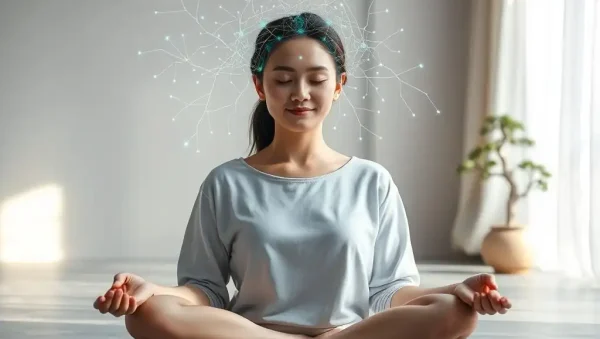
✨ Discover how yoga for anxiety relief can transform your mental well-being by calming the nervous system and enhancing brain function. Explore…
Read article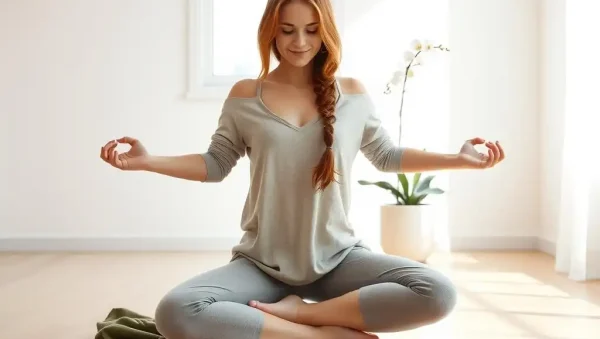
🌿 Discover easy yoga poses for stress relief that can be practiced anytime to calm your mind and boost mental well-being. This…
Read article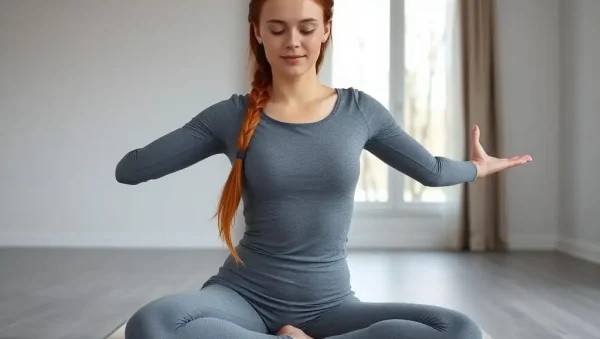
🌟 Discover a transformative yoga sequence for stress relief that helps you transition from overwhelm to calm. This gentle practice, part of…
Read article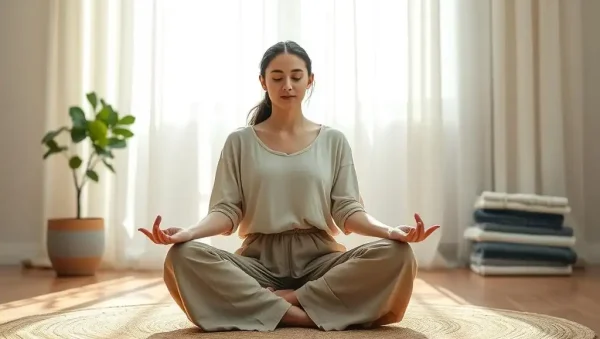
🌟 Discover how yoga for anxiety relief can transform your mental health journey, fostering mindfulness, reducing stress, and promoting emotional balance—empowering you…
Read article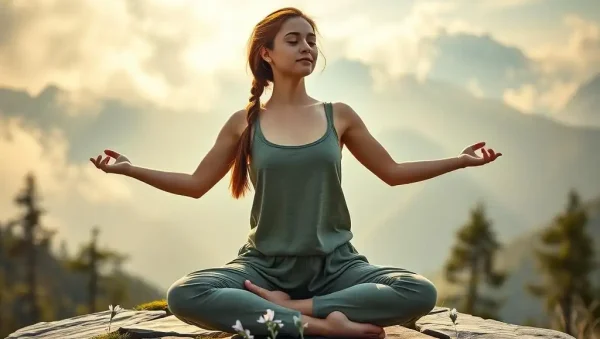
🌟 Discover how Yoga reduce fear anxiety by fostering mindfulness and inner calm, empowering you to navigate uncertainty with confidence. This guide…
Read article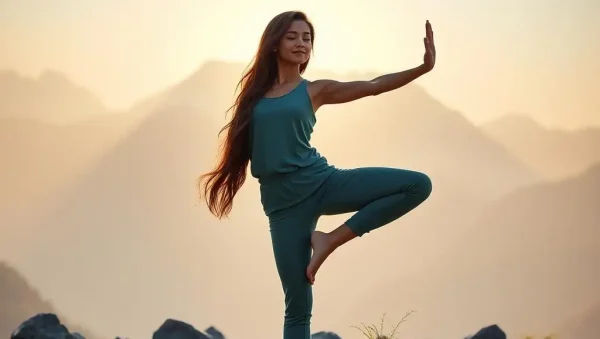
🌟 Discover how yoga for anxiety relief can empower your mind and body, fostering resilience and inner peace. This holistic practice offers…
Read article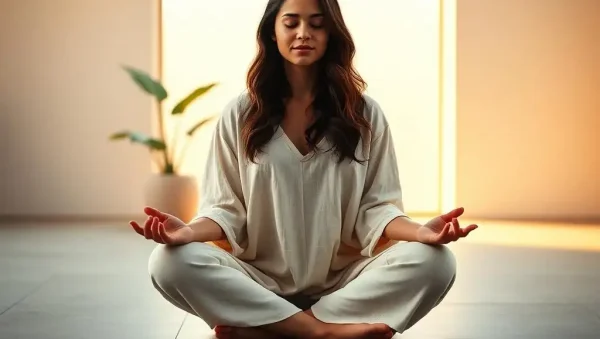
🌿 Discover how yoga for anxiety relief unlocks a calming power within, helping to reduce stress and cultivate mental clarity. This ancient…
Read article
🌟 Discover how a dedicated yoga selfcompassion mindfulness practice can transform your mental well-being, fostering self-love, resilience, and inner peace. Embrace gentle…
Read article
🌟 Discover how beginner-friendly yoga can be a powerful tool for mental well-being. This article explores simple yoga for anxiety relief techniques,…
Read article
🌿 Discover effective yoga grounding techniques for anxiety relief that help you feel centered and restore emotional balance. This guide offers practical…
Read article
🌿 Discover how yoga reduce chronic stress and foster long-term mental well-being. This holistic practice offers sustainable relief, helping you manage daily…
Read articleWelcome to the Yoga for Mental Health subcategory at Mind Care Guide. Here, we explore how ancient yogic practices can be a powerful, science-backed ally in your mental wellness journey. This isn’t just about physical flexibility; it’s about using breath, movement, and mindfulness to regulate your nervous system, reduce stress, and cultivate inner peace, creating a resilient foundation for holistic mental health.
In this section, you will discover specific breathing techniques designed to activate your parasympathetic nervous system, which is your body's natural "rest and digest" mode. Pranayama, or yogic breath control, is a direct bridge between your mind and body, offering immediate tools to calm racing thoughts and lower cortisol levels. We break down techniques like Nadi Shodhana (alternate nostril breathing) and Bhramari (humming bee breath) into simple, step-by-step guides.
Expect to find practical routines you can use during a panic attack, before a stressful meeting, or as a nightly wind-down ritual. We emphasize that consistency is more important than perfection—even five minutes of focused breathing can shift your emotional state. This subsection is your go-to resource for portable, drug-free anxiety management that you can practice anywhere, anytime.
While all yoga helps, certain asanas are particularly effective for releasing emotional tension stored in your hips, shoulders, and chest. This section focuses on gentle, accessible poses that support mood regulation, such as Child's Pose, Legs-Up-the-Wall, and Supported Bridge. We explain the physiological mechanisms behind why opening the chest can alleviate feelings of sadness and how grounding postures can reduce feelings of dissociation or overwhelm.
Here, you will find curated sequences for different emotional needs—a calming sequence for anger, a grounding one for fatigue, and an uplifting flow for low energy. Each pose description includes modifications for beginners and those with physical limitations, ensuring that yoga for mental health is inclusive. This is not about achieving perfect alignment but about listening to your body and creating a safe space for emotional release.
Integration of mindfulness meditation into your yoga practice transforms it from simple exercise into a moving meditation. This subcategory covers the art of body scanning, where you systematically bring awareness to each part of your body, noticing sensations without judgment. This practice builds interoceptive awareness—your ability to sense internal states—which is crucial for recognizing early signs of stress or burnout.
Expect guided audio scripts and written prompts to help you cultivate a non-reactive awareness. You will learn how to observe thoughts as they arise during yoga, letting them pass like clouds, which builds mental clarity and emotional resilience. This section provides the mental framework that makes physical postures truly therapeutic, linking every movement to present-moment awareness and deepening your overall mind-body connection.
Creating a sustainable routine is more beneficial than occasional intense sessions. Here, we offer realistic daily yoga routines tailored to different schedules and energy levels. From a 10-minute morning energizer that sets a positive tone for the day, to a 20-minute evening release that unwinds physical tension and mental chatter, these plans are designed for busy lives. We integrate principles of self-compassion and habit stacking to help you stay consistent.
You can expect a monthly calendar that rotates focus areas—week one on breath, week two on hip openers, etc.—to keep your practice fresh and engaging. We also discuss how to track your mood alongside your practice to see tangible benefits over time. This resource is your blueprint for weaving yoga into your self-care routine, ensuring that mental wellness becomes a daily habit, not an afterthought, and that every session reinforces a positive mind-body relationship.
This section bridges ancient wisdom with modern research, providing evidence-based insights on how yoga impacts the brain, including neuroplasticity, GABA levels, and the default mode network. You'll find credible citations and explanations of how yoga complements traditional treatments like CBT or medication. We explore the concept of embodied cognition—how changing your posture can change your mental state—offering a scientific foundation for your practice. This is essential for those who want to understand the 'why' behind the exercises.
Furthermore, we provide practical advice on how to communicate with your therapist about incorporating yoga into your treatment plan. Expect to learn about trauma-informed yoga and how to find classes that are safe for those with PTSD or severe anxiety. This subsection empowers you to be an informed advocate for your own mental health, confidently using yoga as an adjunctive tool alongside professional care. It establishes yoga not as a replacement for medication or therapy, but as a powerful complementary strategy for holistic recovery.
Many individuals report feeling calmer after a single session, but lasting changes in mood and anxiety typically require consistent practice over six to twelve weeks. Neuroplasticity—your brain's ability to rewire—is stimulated by repetitive practice. With three to four sessions weekly, you may see noticeable improvements in stress reactivity and emotional balance within a month, though individual experiences vary based on severity and consistency.
Absolutely. Yoga for mental health is about internal experience, not external flexibility. All poses can be modified with props like bolsters, blocks, or chairs to suit your body. The focus is on breath awareness and gentle movement. Inflexibility is not a barrier; it is simply your starting point. Many chair-based variations offer the same emotional benefits without requiring you to get on the floor.
Both are effective, but yoga postures often engage the nervous system faster through physical release and proprioceptive input. Breathwork within yoga is particularly potent for acute anxiety. Meditation is excellent for long-term stress reduction and emotional regulation. A combined practice—such as starting with a few gentle poses and ending with seated meditation—typically yields the most comprehensive benefits for anxiety management.
No, you do not. Yoga is a physical and mental practice that can be secular. While it originates from spiritual traditions, modern therapeutic yoga focuses on biomechanics and neuroscience. You can simply treat it as a form of mindful exercise or relaxation technique. The scientific benefits, such as reduced cortisol and increased GABA, occur regardless of your beliefs, making it accessible to everyone.
No, yoga should not replace prescribed medication without medical supervision. It can be a powerful complementary therapy, helping to reduce symptoms and improve overall well-being. However, depression is a complex biological condition that often requires pharmacological or psychological interventions. Always consult your psychiatrist before making changes, and view yoga as a supportive element within a comprehensive treatment plan, not a substitute.