Mind Care Guide Explores: The Intriguing Link Between Keto and Brain Health
🧠 Discover how the keto diet brain health connection can boost cognitive function and mental clarity. This guide explores the science behind…
Read article

Explore the promising frontier of the ketogenic diet for mental health, where emerging research is reshaping our understanding of brain energy metabolism and emotional resilience. This innovative approach, rooted in holistic mental health and self-care, examines how ketones—a clean fuel alternative to glucose—may support conditions like depression, anxiety, and even bipolar disorder. By shifting the brain’s energy substrate, this dietary strategy could modulate neuroinflammation, stabilize neurotransmitter balance, and enhance mitochondrial function, offering a novel, drug-free complement to traditional therapies. While still early, clinical evidence points to significant improvements in mood, cognitive clarity, and stress response, making it a fascinating addition to your mental wellness toolkit. As the science evolves, staying informed on these developments empowers you to make educated, proactive choices—merging metabolic health with emotional well-being in a truly integrative way.

🧠 Discover how the keto diet brain health connection can boost cognitive function and mental clarity. This guide explores the science behind…
Read article
🧠 Emerging research highlights how the ketogenic diet may offer mental illness support, revealing promising links between low-carb eating and improved brain…
Read article
🌟 Discover how switching to a keto diet may enhance mental health by leveraging potential keto diet mental health benefits. Explore the…
Read article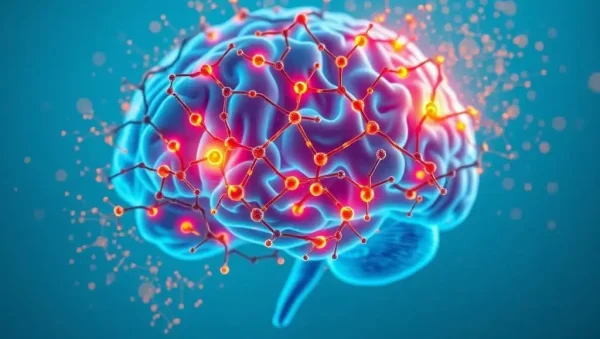
🌟 Discover how the Keto diet may protect brain cells by reducing oxidative stress and supporting mitochondrial health, offering a promising approach…
Read article
🌟 Emerging research highlights the potential of ketosis to enhance cognitive function, revealing notable ketosis cognitive function benefits. Discover how this metabolic…
Read article
🌟 Discover how the ketogenic diet can support mental health by enhancing mood, cognitive function, and emotional stability. This comprehensive guide explores…
Read article
🌟 Discover how the ketogenic diet may enhance mental health, with emerging clinical evidence highlighting its potential mental health benefits. This comprehensive…
Read article
🌟 Emerging research on the ADHD ketogenic diet benefits suggests potential improvements in focus and behavior for those with ADHD. Explore this…
Read article
🧠 Unlock the truth behind Keto mental health benefits research—discover evidence-based insights that go beyond hype, highlighting how a ketogenic approach may…
Read article
🌟 Emerging research highlights the potential of Keto treatment schizophrenia symptoms, suggesting dietary approaches may complement traditional therapies. Explore how ketogenic diets…
Read article
🌟 Discover how the Keto diet mental health benefits can boost brain energy and resilience, highlighting a promising approach for enhancing mental…
Read article
🌟 Discover how the ketogenic diet mental health benefits are emerging as a promising therapy for neurodegenerative conditions, offering hope and support…
Read articleExplore how a high-fat, low-carbohydrate ketogenic diet is being studied for its potential to support brain function, stabilize mood, and complement traditional mental health treatments. While not a first-line therapy, emerging research suggests promising neurological and metabolic effects that may benefit conditions like depression, bipolar disorder, and anxiety.
Ketosis elevates blood ketone bodies—such as beta-hydroxybutyrate—which serve as an alternative fuel for the brain. This metabolic shift may enhance mitochondrial efficiency, reduce oxidative stress, and modulate neurotransmitter balance, particularly GABA and glutamate. These changes can support synaptic plasticity and may help stabilize neural networks linked to mood and cognition.
Additionally, the diet lowers inflammation and influences the gut-brain axis, both of which are increasingly implicated in psychiatric disorders. For individuals with treatment-resistant symptoms, this metabolic approach offers a novel, non-pharmacological avenue worth discussing with a healthcare professional.
Preliminary clinical observations and small pilot studies indicate that a ketogenic diet may reduce depressive symptoms and improve emotional stability in some patients. For bipolar disorder, anecdotal reports and early trials suggest fewer mood swings and better overall functioning, though more robust randomized controlled trials are needed to confirm these effects.
Importantly, many researchers believe the diet’s impact on mitochondrial energy production and reduced oxidative damage may be key. Always combine this approach with professional psychiatric care, as abrupt dietary changes can interact with medications or mood patterns.
Emerging evidence points to the ketogenic diet’s potential in reducing anxiety-like behaviors by increasing GABAergic inhibition and lowering excitatory glutamate activity. Studies in animal models and early human reports show reduced panic symptoms and improved stress resilience. Additionally, ketones may enhance focus, memory retrieval, and mental clarity in some individuals, especially those experiencing “brain fog.”
However, the initial adaptation phase can temporarily worsen anxiety—do not attempt without medical supervision. Over time, many report a calmer mental baseline, but results vary widely based on metabolic health, adherence, and concurrent therapies.
To safely explore this path, aim for 70-80% calories from fat, 15-20% protein, and only 5-10% carbohydrates (typically under 20-30g net carbs daily). Emphasize whole foods like avocados, olive oil, fatty fish, nuts, seeds, and non-starchy vegetables. Strict sodium, magnesium, and potassium supplementation is often necessary to avoid “keto flu” and support neural excitability.
Work with a registered dietitian or physician experienced in therapeutic ketogenic diets. Regular blood ketone testing (0.5-3.0 mmol/L) and periodic labs for lipids, electrolytes, and renal function are essential for safety and efficacy.
Current research highlights the diet’s most promise for those with treatment-resistant depression, epilepsy-associated mood issues, or metabolic syndromes like insulin resistance. Individuals seeking cognitive longevity or adjunctive support for medication may also find value. Yet, it is not suitable for everyone—pregnant women, those with eating disorders, kidney disease, or certain cardiac conditions should avoid it entirely.
If you take lithium, antiepileptics, or diuretics, the ketogenic diet can alter drug levels and electrolyte balance. Always coordinate with your psychiatrist and primary care provider before starting, and never discontinue prescribed treatments without guidance.
No. The ketogenic diet is an emerging adjunctive strategy, not a replacement. Antidepressants, mood stabilizers, and therapy remain first-line treatments. Some patients might reduce medication under close medical supervision, but self-discontinuation is dangerous. Always collaborate with your psychiatrist to evaluate any changes based on your symptom trajectory.
Some report benefits within 2-4 weeks, while others need 2-3 months of sustained ketosis. Initial adaptation (1-2 weeks) may cause fatigue or irritability. Track mood journals and ketone levels daily. Research suggests metabolic rescue occurs gradually, so patience is critical—do not judge the diet’s success during the first fortnight.
Yes, but it is more challenging. Use tofu, tempeh, nuts, seeds, coconut oil, avocados, and low-carb plant proteins like pea protein. Watch for B12, iron, and omega-3 deficiencies, which can worsen mood. Consult a nutritionist to ensure micronutrient adequacy while maintaining ketosis.
Known as “keto flu,” symptoms include headaches, brain fog, nausea, dizziness, and irritability. These are usually transient and can be mitigated with electrolytes (sodium, magnesium, potassium) and hydration. If you experience severe mood swings, palpitations, or confusion, stop and seek medical advice immediately—these may indicate electrolyte imbalance or an underlying condition.
Combine objective and subjective measures: track daily mood ratings (1-10 scale), anxiety episodes, sleep quality, and energy. Use blood ketone meters to confirm nutritional ketosis. Schedule monthly reviews with your psychiatric team. Document any changes in medication response, suicidal ideation, or cognitive clarity. If no improvement after 3 months of consistent adherence, reconsider the approach.