Is Nature Therapy Right for You? Benefits and Approaches
🌿 Discover if nature therapy is right for you by exploring its proven benefits for anxiety relief. This holistic approach offers a…
Read article

Discover how reconnecting with nature can transform your mental well-being—from reducing stress and anxiety to boosting mood and clarity. Scientific research confirms that even brief moments outdoors lower cortisol levels, improve focus, and foster emotional resilience. 🌿 Whether it’s a quiet forest walk, gardening, or simply listening to birdsong, nature acts as a gentle, accessible therapist. At Mind Care Guide, we explore the healing power of green spaces, grounding techniques, and eco-therapy practices that you can weave into daily life—no expensive gear or special skills required. Embrace the outdoors as a vital part of your holistic self-care toolkit, and unlock a natural path to calm, presence, and renewed energy. Start small, feel the difference, and let nature guide your recovery. 🍃
🌿 Discover if nature therapy is right for you by exploring its proven benefits for anxiety relief. This holistic approach offers a…
Read article
🌿 Discover how immersing yourself in nature can unlock your creative potential. Nature boosts creative thinking by reducing stress and inspiring fresh…
Read article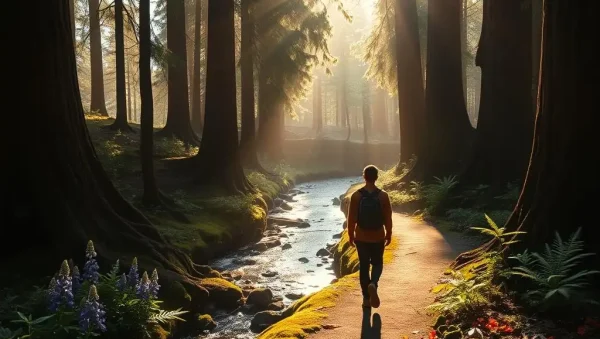
🌿 Discover how nature’s remedies for depression symptoms can offer genuine relief and uplift your mental well-being. This article explores the healing…
Read article
🌿 Discover how immersing yourself in nature’s sights, sounds, and scents can significantly reduce anxiety and stress. Nature sounds reduce anxiety stress,…
Read article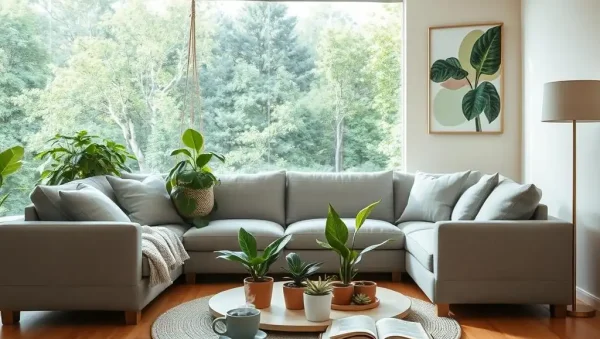
🌿 Discover how indoor plants boost mental health by creating calming, nature-inspired spaces at home. Integrating greenery and scenic views can significantly…
Read article
🌿 Extensive research shows that spending time outdoors significantly improves mental health, reducing stress, anxiety, and depression. Embracing nature as part of…
Read article
🌿 Discover how just a 30-minute walk in nature can significantly boost your mental health by reducing stress and enhancing mood. Nature…
Read article
🌿 Discover how ecotherapy benefits mental health by reconnecting with nature, reducing stress, and fostering emotional resilience. This holistic approach offers a…
Read article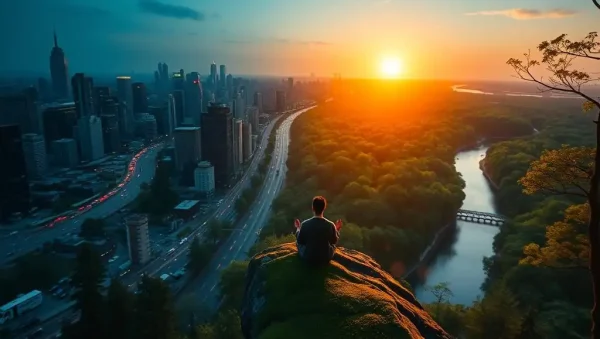
🌿 Discover how nature reduces city stress and restores mental clarity. In our hectic urban lives, green escapes are vital for mental…
Read article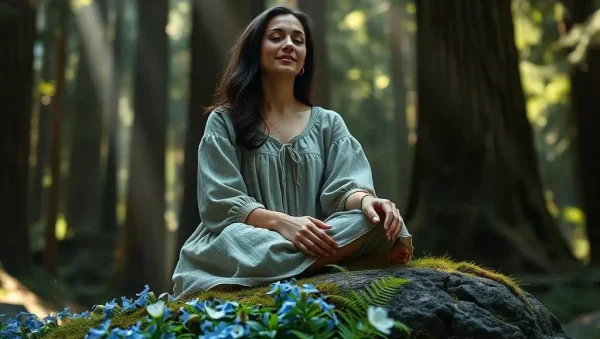
🌿 Discover how fostering a deep connection with nature can significantly boost mental health, providing emotional resilience, reducing stress, and enhancing overall…
Read article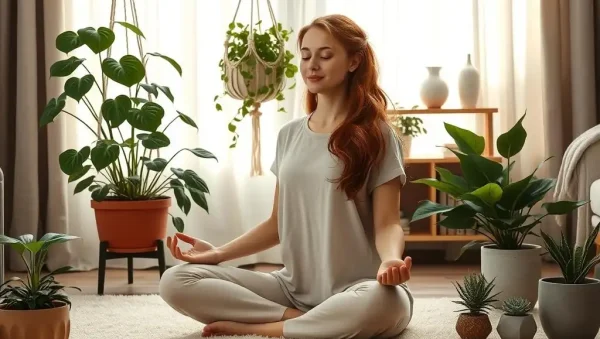
🌿 Discover how incorporating plants into your home creates a calming oasis, as plants reduce home stress and promote mental well-being. Simple…
Read article
🌿 Discover how to access free outdoor mental health support by exploring budget-friendly ways to connect with nature, boost your well-being, and…
Read articleWelcome to our dedicated subcategory on Nature and Mental Health, where we explore the profound, science-backed connection between the natural world and your emotional resilience. At Mind Care Guide, we believe that stepping outside isn’t just a break—it’s a therapeutic intervention. From reducing cortisol to boosting serotonin, nature’s restorative effects are accessible to everyone, regardless of where you live. Here, you’ll discover practical strategies, mindful practices, and research insights to help you harness the outdoors as a tool for anxiety relief, stress reduction, and overall holistic self-care. Let’s walk this path together toward deeper calm and clarity.
Ecotherapy, also known as green therapy, is more than a trend—it’s rooted in neuroscience. When you immerse yourself in natural settings, your brain shifts from high-alert, directed attention (common in urban environments) to a more relaxed, diffuse awareness. This transition lowers amygdala activity, the brain’s fear center, and increases parasympathetic nervous system responses, prompting a state of rest and digest. Studies published in Environmental Health Perspectives show that just 20 minutes in a park can significantly reduce cortisol, the primary stress hormone, while improving mood and working memory. For anyone dealing with chronic stress or burnout, this natural reset can be as effective as meditation.
Beyond stress reduction, regular nature exposure enhances neuroplasticity—your brain’s ability to form new, positive connections. This supports emotional regulation, making it easier to reframe negative thoughts. Whether you’re walking in a forest, tending a garden, or simply sitting by a window with a plant view, these micro-interactions cumulatively build resilience. We’ll guide you through specific practices like “forest bathing” (Shinrin-Yoku) and “grounding” techniques, showing you how to integrate them into daily life, even with a busy schedule. Expect actionable steps that transform a simple stroll into a powerful self-care ritual.
Forest bathing, a Japanese practice called Shinrin-Yoku, involves slow, mindful walks that engage all five senses—listening to rustling leaves, smelling damp earth, touching bark, noticing light filters through canopy. Research from Chiba University found that such walks reduce stress hormones by 12.4%, lower blood pressure, and increase natural killer cell activity, boosting immune function. This is because phytoncides, antimicrobial compounds released by trees, positively affect human physiology. For those without forest access, urban green spaces—parks, community gardens, or tree-lined streets—offer comparable benefits when engagement is intentional. A 2023 study in Scientific Reports noted that even five minutes of mindful observation in a city park improves self-esteem and reduces tension.
The key isn’t the size of the green area but your quality of attention. A noisy, crowded park may offer less relief than a quiet backyard with a single oak tree. We’ll help you identify and maximize your local green assets, whether that’s planting herbs on a balcony or mapping out a weekly lunchtime walk in a nearby greenbelt. You’ll learn how to “read” your environment for sensory cues that anchor you in the present, turning an ordinary commute into a mindfulness practice. Expect practical checklists for finding your ideal nature spot, plus guided audio scripts you can use on your phone for solo sessions.
Horticultural therapy is an evidence-based practice that uses gardening tasks—planting, weeding, harvesting—to improve mental health outcomes. The repetitive, rhythmic motions involved in digging or pruning trigger a meditative state, reducing rumination and anxiety. A meta-analysis from the Journal of Therapeutic Horticulture shows that 30 minutes of active gardening lowers cortisol by 13% and increases feelings of vitality and purpose. Plus, the act of nurturing a living thing provides a sense of accomplishment and responsibility, countering feelings of helplessness often associated with depression. For people recovering from trauma or living with PTSD, gardening offers a predictable, controllable environment to rebuild trust in daily routines.
You don’t need a large yard to benefit. Container gardening, hydroponic kits, or even growing microgreens on a kitchen counter can deliver micro-doses of this therapy. We’ll walk you through starting an “emotional resilience garden”—selecting plants with soothing aromas like lavender, chamomile, and mint, and establishing a daily care routine that doubles as a mindfulness practice. Expect seasonal guides, troubleshooting tips for indoor gardening, and simple project ideas for children or elderly family members to create shared positive experiences. This section transforms your home into a living ecosystem that supports your mental health year-round.
Natural light is arguably nature’s most powerful regulator of mood. Exposure to morning sunlight synchronizes your circadian rhythm, improving sleep quality and elevating serotonin production during waking hours. For those with Seasonal Affective Disorder (SAD)—a type of depression linked to reduced daylight—structured light exposure can be as effective as antidepressants for some people. Research from the American Journal of Psychiatry suggests that 30 minutes of bright light, particularly within two hours of waking, significantly reduces SAD symptoms like lethargy, overeating, and social withdrawal. Even for those without SAD, low light levels in modern indoor environments contribute to afternoon slumps and irritability.
We’ll teach you how to “hack” your day with natural light: scheduling short breaks near windows, aligning outdoor activities with sunrise/sunset, and using light-reflecting surfaces indoors. You’ll learn the difference between broad-spectrum light boxes for winter months and simple behavioral shifts like eating lunch outside. For night shift workers or those in low-sun regions, we provide alternative strategies using red-spectrum lighting to protect your melatonin cycles. Expect a detailed morning routine list, a “sunlight first” habit tracker, and resources for managing SAD if you live in polar areas or experience long winters. This knowledge turns light management into a daily, self-administered therapy.
“Blue mind” is a term coined by marine biologist Wallace J. Nichols to describe the calming, meditative state induced by water—oceans, rivers, lakes, or even fountains. Neuroimaging studies show that viewing water triggers a unique pattern of brain activity associated with awe and positive reflection, decreasing anxiety and promoting creative problem-solving. The sound of gently lapping waves induces what researchers call “soft fascination,” which allows the mind to rest without being bored. In a 2021 study from Frontiers in Psychology, participants who walked along a waterfront for 15 minutes reported a 22% reduction in mental fatigue compared to those on a concrete path. This effect is partly due to the negative ions concentrated near moving water, which are believed to increase oxygen flow to the brain.
For those far from the coast, we explore nearby alternatives: urban rivers, reflectivity ponds, conservation areas, even water features in a local courtyard. You’ll learn techniques like “river meditation” (focusing on the rhythm of flowing water) and “lake absorption” (visualizing the stillness as a mirror for inner calm). We also include virtual reality options and audio tracks that simulate water environments for indoor practice. Expect a guide to finding accessible blue spaces, safety tips for water-based activities, and a sensory checklist to deepen your connection during each visit. This section opens a fresh lens on how everyday watery elements can anchor you during stressful moments.
Research suggests that as little as 20–30 minutes per day of nature exposure can significantly lower cortisol and improve mood. For maximum impact, aim for a minimum of 120 minutes per week, broken into shorter sessions. Even five minutes of mindful observation, like watching clouds or touching leaves, has positive effects when done consistently. Start small and build up—this is about sustainable habit, not perfection.
Nature acts as an adjunctive therapy, not a replacement for professional care. For mild to moderate stress, it can be highly effective. For clinical depression or anxiety, ecotherapy can enhance the efficacy of psychotherapy and medication, but always consult your mental health provider. It supports recovery by improving sleep, reducing rumination, and increasing physical activity, but it shouldn’t be used alone for severe conditions.
You can still benefit from nature by engaging with micro-nature elements: a balcony plant, a window view of a tree, or a moss patch on a sidewalk. Listen to nature sounds through headphones during your commute, or use virtual reality nature apps. Even houseplants like snake plants or ferns improve air quality and create a calm visual anchor. Focus on quality attention, not the size of the space.
Risks are minimal but include allergy triggers, weather-related discomfort, or overstimulation for highly sensitive individuals. Always dress appropriately, apply sunscreen, and start with short, low-intensity sessions. If you have mobility issues, choose flat, accessible paths. Avoid nature activities during extreme conditions, and if you feel overwhelmed, return indoors—it’s okay to build tolerance slowly.
Begin by silencing your phone and choosing a quiet route. Walk at half your normal pace and focus on each footfall, then alternate between senses—one minute just listening, another just noticing colors. Pause to touch bark, smell flowers, or watch insects. Use a simple breathing pattern: inhale for four steps, exhale for six. This turns a walk into a meditation that reduces distraction and deepens your connection to the present moment.