Battling Depression with Your Fork: An AntiInflammatory Diet Strategy
🌟 Discover how an antiinflammatory diet depression relief strategy can transform your mental health by reducing inflammation, boosting mood, and promoting overall…
Read article

Discover how an anti-inflammatory diet can transform your mental health by reducing brain fog, easing anxiety, and stabilizing mood. At Mind Care Guide, we explore the powerful link between nutrition and emotional well-being, showing you how everyday food choices—rich in omega-3s, antioxidants, and gut-friendly fiber—can calm the nervous system and support cognitive clarity. This holistic approach goes beyond symptom management, targeting the root inflammation that often underlies depression, stress, and chronic fatigue. Learn practical, science-backed strategies to nourish your brain, boost resilience, and feel more balanced—without restrictive rules or overwhelm. Whether you’re new to mindful eating or seeking advanced tips, our guidance helps you build a sustainable, inflammation-lowering lifestyle that complements therapy and self-care. Start your journey toward a calmer, sharper, and more vibrant you today. 🌿🧠✨

🌟 Discover how an antiinflammatory diet depression relief strategy can transform your mental health by reducing inflammation, boosting mood, and promoting overall…
Read article
🌟 Discover how an antiinflammatory diet improves focus by reducing brain fog and enhancing mental clarity. Embracing anti-inflammatory eating habits can significantly…
Read article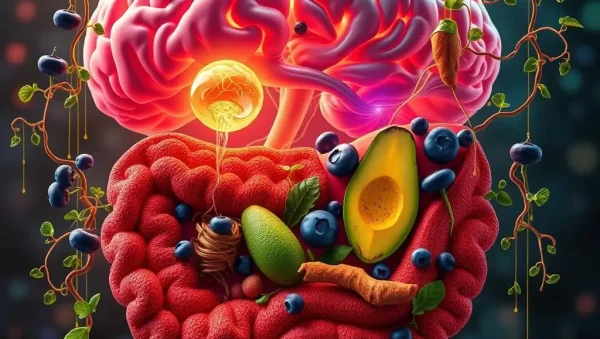
🌿 Discover how an antiinflammatory diet mental health benefits by reducing inflammation in the gut, which directly impacts mood and cognitive function.…
Read article
🌟 Discover how an antiinflammatory diet can significantly enhance mental health by reducing inflammation and boosting cognitive function. Unlock your mind's potential…
Read article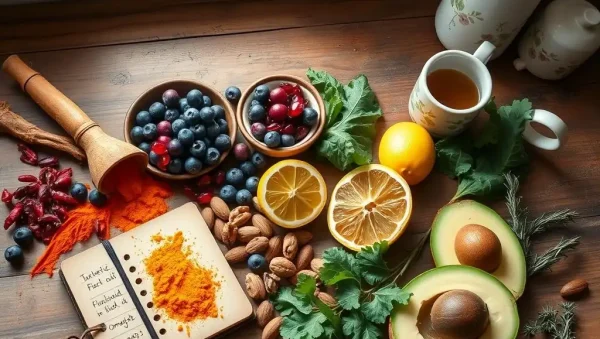
🌿 Discover how reducing inflammatory foods can boost mental health. This guide highlights anti-inflammatory shopping tips to support your well-being, emphasizing the…
Read article
✨ Discover how reducing inflammation sharpens mind focus, clearing brain fog and enhancing mental clarity. This guide reveals effective strategies to combat…
Read article
🌿 Discover how an antiinflammatory diet for anxiety can significantly improve mental health by reducing inflammation, stabilizing mood, and boosting overall well-being.…
Read article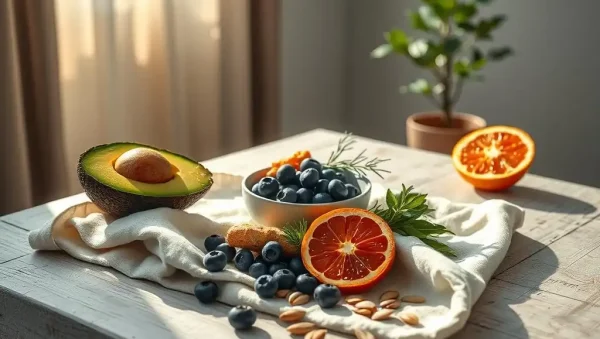
🌟 Discover how an anti-inflammatory diet can enhance mental health by reducing inflammation-related stress and mood swings. Learn practical tips to balance…
Read article
🌟 Discover how specific foods boost mental clarity and focus, unlocking your brain’s full potential. This guide reveals dietary secrets to foster…
Read article
🌿 Discover how an antiinflammatory diet for anxiety relief can transform your mental health by reducing inflammation through nourishing foods, offering a…
Read article
🌿 Discover how antiinflammatory foods stress relief can boost mental resilience, supporting your mental well-being. This guide explores nourishing options that reduce…
Read article
🌿 Discover how antiinflammatory eating mental health can boost your well-being with simple dietary steps. This guide offers practical tips to reduce…
Read articleWelcome to the Anti-Inflammatory Diet for Mental Health subcategory at Mind Care Guide. Here, we explore the transformative connection between what you eat and how you feel. This isn’t just another diet plan—it’s a holistic approach that uses nutrition to reduce systemic inflammation, which is increasingly linked to mood disorders like depression and anxiety. By understanding which foods fuel your brain and which ones fuel the fire of inflammation, you can take proactive steps toward better emotional resilience and cognitive clarity.
Your brain and gut are in constant communication through the vagus nerve and immune signaling pathways. When your body experiences chronic inflammation—often triggered by processed foods, sugar, and trans fats—it produces cytokines that can cross the blood-brain barrier, leading to what researchers call "neuroinflammation." This process is strongly correlated with symptoms of depression, brain fog, and heightened stress responses. By reducing dietary inflammation, you lower these harmful signals, allowing your brain to function more calmly and efficiently.
Everyone’s inflammatory triggers are unique, but common culprits include refined carbohydrates, fried foods, and excessive alcohol. The anti-inflammatory diet emphasizes colorful vegetables, omega-3 fatty acids, and antioxidant-rich fruits. Studies show that populations adhering to Mediterranean-style eating patterns have significantly lower rates of depressive symptoms. This approach isn’t about perfection—it’s about consistently choosing foods that support neural repair and hormonal balance, giving your mental health a steady foundation to thrive.
When planning your mental health-friendly plate, focus on foods that are dense in polyphenols and healthy fats. Berries like blueberries and strawberries are packed with flavonoids that combat oxidative stress, while fatty fish such as salmon and sardines provide omega-3s that reduce inflammation markers. Leafy greens, nuts, and seeds (especially flax and chia) are also excellent choices. Incorporate these into daily meals to create a protective barrier against mood swings and cognitive decline.
Don’t forget the power of spices: turmeric, ginger, and cinnamon have potent anti-inflammatory properties. A daily smoothie with spinach, berries, and a pinch of turmeric can make a tangible difference. Equally important is what to avoid—sugary drinks, white bread, and processed meats actively promote inflammation. By swapping these for whole, plant-based alternatives, you’ll notice improvements in energy, focus, and emotional stability within a few weeks, not just on your waistline but in your overall mental state.
Knowing which foods to eat is only half the battle—the next step is building a sustainable eating rhythm. Start with a balanced breakfast: oatmeal topped with walnuts and blueberries, or scrambled eggs with spinach and avocado. Lunch can be a quinoa salad with olive oil, chickpeas, and roasted vegetables. Dinner might feature baked salmon with sweet potato and steamed broccoli. These combinations stabilize blood sugar, preventing afternoon crashes that often trigger anxiety and irritability.
For snacks, choose hummus with carrot sticks or a small handful of almonds—both keep inflammation low and energy steady. Hydration is equally critical; dehydration can mimic anxiety symptoms. Aim for eight glasses of water daily and include herbal teas like chamomile or green tea. Crucially, don’t make drastic changes overnight. Instead, add one anti-inflammatory meal per day and gradually build up. This gentler transition ensures you stay consistent and actually experience the mental health benefits without feeling deprived.
While whole foods should be your primary source, certain supplements can bridge nutritional gaps that indirectly affect inflammation. Omega-3 supplements (EPA/DHA) are heavily researched for their mood-stabilizing properties, especially when dietary intake is low. Probiotics, which support gut health, also lower systemic inflammation—consider a high-quality strain that includes Bifidobacterium and Lactobacillus. Curcumin (turmeric’s active compound) is another option, though choose one with black pepper for better absorption.
Herbal teas like ashwagandha and lemon balm are adaptogens that modulate the stress response and reduce cortisol levels, lowering the inflammatory cascade. Always consult a healthcare provider before starting supplements, especially for those on antidepressants or blood thinners. Remember, supplements are not a substitute for a nutritious diet but can be a powerful ally. Pair them with mindful eating practices—chew slowly, savor your meals—to enhance the parasympathetic (“rest and digest”) response, further calming both your mind and your immune system.
One of the best ways to succeed with an anti-inflammatory diet for mental health is to track how your mood responds to different foods. Keep a daily journal noting what you eat, your energy levels, sleep quality, and anxiety scores (e.g., 0–10 scale). After two weeks, you’ll likely identify patterns—for instance, a heavy pasta meal may be followed by brain fog. Use this data to personalize your plan, increasing foods that make you feel bright and calm while rotating out those that trigger discomfort.
Be patient with yourself; the full anti-inflammatory effect on the brain often takes 6–8 weeks to become noticeable. Seasonal changes also matter—in winter, you might crave more warm soups and root vegetables, while summer calls for fresh salads. Flexibility is key. If you slip up on a bad day, don't spiral—just return to your baseline next meal. This is not a rigid medical protocol but a compassionate living framework that supports your mind, gut, and immune system in harmony.
Typically, you may notice subtle shifts in energy and mood within 2 to 4 weeks, especially if you were consuming a highly processed diet. However, significant changes in depression or anxiety symptoms often require 6–8 weeks of consistent adherence, as neuroinflammation slowly subsides. Individual responses vary based on genetics, baseline inflammation, and stress levels. Journaling your progress can help you see positive trends earlier and stay motivated.
No—this diet should be viewed as a complementary support, not a replacement for professional treatment. Antidepressants and therapy address neurochemical and psychological imbalances that food alone cannot resolve. However, many individuals find that combining dietary changes with traditional care improves overall efficacy and reduces side effects. Always discuss any dietary shifts with your psychiatrist or therapist to ensure a coordinated, safe approach.
Prioritize avoiding refined sugars (sodas, candies), industrial seed oils (soy, corn), fried foods, and processed meats like sausages and bacon. These promote pro-inflammatory cytokines and disrupt gut microbiota. Artificial additives and excessive alcohol also trigger neuroinflammation. Keep a "red list" of your personal triggers—common ones include gluten and dairy for some individuals—and gradually eliminate these to see if your mental clarity improves.
It doesn’t have to be. Buying frozen vegetables and berries, canned fish (sardines, wild salmon), beans, lentils, and seasonal produce keeps costs down. Meal prepping three days ahead reduces daily stress. For nutrient density, focus on a few powerhouse items (e.g., eggs, oats, spinach, walnuts) rather than exotic superfoods. The long-term savings from fewer doctor visits and improved productivity often outweigh the grocery bill.
Yes, but with modifications for growth and activity levels. A balanced anti-inflammatory diet—rich in fruits, vegetables, lean proteins, and whole grains—is safe for most kids. However, never restrict calories or fats without pediatric guidance, as growing brains need adequate energy. Involve teens in cooking and educate them on how food affects their mood, which fosters ownership. For severe conditions like ADHD or depression, always partner with a pediatric nutritionist or dietitian.