Your Gut's Second Brain: Unlocking Mood Secrets Through Digestion
🌟 Discover how the Gutbrain axis mood connection influences your mental well-being, revealing that nurturing your digestion can unlock mood balance and…
Read article

Discover how the food on your plate can transform the way you feel, think, and thrive. At Mind Care Guide, we dive deep into the powerful connection between nutrition and mental well-being—because what you eat isn’t just fuel for your body, it’s the building block for your brain’s chemistry, mood stability, and emotional resilience. From gut-friendly probiotics and omega-3-rich fats to blood-sugar-balancing meals and mood-boosting micronutrients like magnesium and B-vitamins, our practical, science-backed insights help you harness the food–mood link to reduce anxiety, sharpen focus, and lift your spirits naturally. Whether you’re looking to combat stress eating, create a brain-healthy meal plan, or simply understand why a balanced diet can be your most accessible self-care tool, this space offers actionable tips, simple swaps, and mindful eating strategies that nourish both mind and body. Unlock the secret to lasting emotional balance—one delicious, nutrient-packed bite at a time. 🧠🥑✨
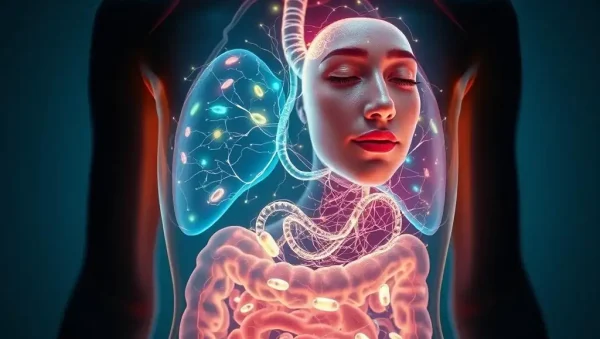
🌟 Discover how the Gutbrain axis mood connection influences your mental well-being, revealing that nurturing your digestion can unlock mood balance and…
Read article
😊 Discover how alcohol can negatively impact your mood and contribute to depression. Learn about alcohol depression symptoms, treatment options, and strategies…
Read article
🌟 Discover how certain foods boost mental energy and combat fatigue naturally. This guide highlights nutrient-rich options to power up your mind,…
Read article
😊 Skipping meals significantly affect mood and energy levels, leading to irritability, fatigue, and decreased focus. Understanding this impact is crucial for…
Read article
🌱 Discover how your personalized FoodMood Journal can enhance mental well-being by tracking emotional and dietary patterns. Learn about the Food Mood…
Read article
🌟 Discover how colorful foods boost brain health by providing vital phytonutrients. Incorporating vibrant fruits and vegetables into your diet can enhance…
Read article
🌿 Discover how the AntiAnxiety Kitchen can help you find inner peace by stocking foods that reduce anxiety symptoms, offering a natural,…
Read article
🌟 Discover how B vitamins play a crucial role in supporting your brain health and enhancing mood stability. This guide explores essential…
Read article
🌙 Discover how the SleepMood Diet can transform your nights and days by enhancing sleep quality and mood. Learn about the sleep…
Read article
🌱 Embracing a plant-based diet can significantly boost mental wellbeing, providing essential nutrients that enhance mood and reduce stress. Discover how incorporating…
Read article
🌟 Explore how food sensitivities may influence mood, revealing the often-overlooked food sensitivities mood connection. This guide helps you understand the impact…
Read article
🌟 Discover how mindful eating can restore hormonal balance and stabilize mood, offering effective stress eating hormonal imbalance relief. This guide reveals…
Read articleAt Mind Care Guide, we believe that true mental wellness extends beyond therapy and mindfulness—it begins on your plate. The subcategory Nutrition for Mental Well-being: Food and Mood explores the fascinating, science-backed relationship between what you eat and how you feel. From stabilizing blood sugar to feeding your gut microbiome, your dietary choices can influence anxiety, depression, focus, and resilience. Here, you’ll discover practical, holistic strategies to nourish your brain, boost emotional balance, and create a sustainable eating pattern that supports your mental health journey.
Your digestive system houses millions of neurons and produces up to 90% of your body’s serotonin—the “feel-good” neurotransmitter. This bidirectional communication between your gut and brain means that an imbalanced microbiome can trigger mood swings, irritability, and even depressive symptoms. In this section, we break down how fermented foods, prebiotic fibers, and polyphenol-rich vegetables strengthen your gut lining and reduce systemic inflammation, which is a hidden driver of mental fatigue.
By prioritizing probiotic-rich foods like yogurt, kefir, sauerkraut, and kimchi, alongside prebiotic sources such as garlic, onions, and oats, you can cultivate a resilient gut ecosystem. We’ll guide you through simple swaps—like choosing whole grains over refined carbs—to keep your microbiome thriving. Expect actionable meal ideas that don’t require culinary expertise but deliver profound effects on your daily mood, stress response, and even sleep quality.
Have you ever felt “hangry” or noticed a mid-afternoon energy crash that triggers anxiety? That’s your blood sugar rollercoaster. When glucose spikes and plummets, your adrenal glands release cortisol and adrenaline, mimicking stress responses. This section teaches you how to pair carbohydrates with proteins and healthy fats to slow absorption, ensuring a steady supply of fuel for your brain. This simple strategy can dramatically reduce irritability, brain fog, and panic-like symptoms.
We provide a practical framework called “The Balanced Plate Method”—half non-starchy vegetables, a quarter lean protein, and a quarter complex carbs like quinoa or sweet potatoes. You’ll also learn how meal timing affects your circadian rhythm, making consistent breakfasts and scheduled snacks powerful tools for emotional regulation. Whether you’re managing stress eating or just want more consistent energy, these science-driven adjustments will transform how you feel hour by hour.
Specific micronutrients act as natural antidepressants and anti-anxiety agents. Omega-3 fatty acids, especially EPA and DHA, reduce neuroinflammation and support the structure of brain cell membranes. Likewise, B vitamins (particularly B6, B9, and B12) are cofactors for producing dopamine and serotonin. In this section, we detail food-based sources—like fatty fish, walnuts, leafy greens, and legumes—that outshine supplements in bioavailability, while explaining when a targeted supplement might still be necessary under medical guidance.
Magnesium, often called the “relaxation mineral,” is a standout for calming the nervous system and easing muscle tension associated with chronic stress. We’ll teach you how to integrate dark chocolate, pumpkin seeds, avocado, and spinach into daily meals without boredom. You’ll also learn about the overlooked role of vitamin D and zinc in mood disorders. Expect a nutrient cheat sheet you can print and pin on your fridge, turning every grocery trip into a mental wellness ritual.
Chronic inflammation is increasingly recognized as a biological contributor to major depressive disorder. A diet high in ultra-processed foods, refined sugars, and seed oils fuels inflammatory pathways that disrupt neurotransmitter function. Conversely, adopting an anti-inflammatory dietary pattern—similar to the Mediterranean diet—has been shown in randomized trials to reduce depressive symptoms within weeks. This section outlines the core principles: prioritizing colorful vegetables, berries, olive oil, nuts, and fatty fish while minimizing red meat and sugary beverages.
We emphasize practical meal prep strategies that make anti-inflammatory eating realistic for busy lives. You’ll find a 7-day sample menu, smart grocery list organization, and tips for dining out without derailing your progress. Crucially, we address the psychological barrier of “restriction” by reframing food as nourishment rather than punishment. Discover how spices like turmeric and ginger, plus green tea, can amplify your brain’s antioxidant defenses, lowering oxidative stress linked to anxiety and mood disorders.
Beyond what you eat, how you eat matters. Mindful eating—slowing down, chewing thoroughly, and savoring flavors—activates your parasympathetic nervous system, improving digestion and signaling satiety. This practice reduces emotional eating and binge episodes, which are often intertwined with mood regulation. In this section, we offer guided exercises to help you recognize true hunger versus stress cravings, plus techniques to cultivate a non-judgmental relationship with food.
Hydration is equally critical: even mild dehydration (1-2% loss) can impair attention, memory, and increase perceived fatigue. We’ll break down how water intake impacts cortisol levels and suggest hydration targets based on your activity and climate. Additionally, we cover caffeine and alcohol’s mood-altering effects—when they help, when they hurt, and smart alternatives like herbal teas. These subtle shifts create a foundation of physical calm that makes other mental health practices more effective.
No, diet should complement, not replace, professional mental health care. For some, nutritional changes can reduce symptoms, but for moderate-to-severe depression or anxiety, therapy and medication are evidence-based first-line treatments. Think of food as a powerful adjunct that supports brain chemistry and inflammation control. Always consult your psychiatrist or doctor before making significant changes, especially if you take medications that interact with nutrients like vitamin K or tyramine.
Some people notice a shift in energy and irritability within a few days due to stabilized blood sugar, especially when reducing refined carbs. However, meaningful changes in inflammatory markers and gut microbiome composition typically take 2-4 weeks of consistent eating. For full gut-brain adaptation, up to 6-8 weeks is realistic. Keep a mood journal to track subtle changes, and be patient—habit formation is just as important as the food itself.
First, avoid sugary sodas and juices—they cause rapid glucose spikes and crashes. Second, minimize trans fats and highly processed snacks like chips and fast food, which trigger neuroinflammation. Third, limit excessive alcohol (more than one drink daily for women, two for men) as it disrupts REM sleep and depletes B vitamins. You don’t need to eliminate them forever, but reducing frequency can markedly stabilize your mood and improve clarity.
Not strictly necessary. The mental health benefits come from the nutrient density and fiber of whole plant foods, whether organic or conventional. However, some pesticides are neurotoxic, so a pragmatic approach is to prioritize organic for the “Dirty Dozen” (like strawberries and spinach) while buying conventional for others (like avocado and onions). The bigger win is increasing your daily fruit and vegetable intake from any source—washing produce properly mitigates most residue risks.
For some, yes. Fasting can lower blood sugar and increase cortisol initially, triggering jitters or mood dips, especially in women. If you have a history of disordered eating, fasting is not recommended. However, for others, 12-14 hour overnight fasts can enhance mitochondrial function and mental clarity. Start with a short overnight window, monitor your mood, and always break fasts with a balanced meal. If anxiety increases, transition back to regular meals—there’s no “one-size-fits-all” approach.