Walk Your Way to Calm: The Practice of Mindful Walking
🌿 Discover how mindful walking reduce stress anxiety by calming the mind and body. This simple, accessible practice promotes mental well-being, helping…
Read article
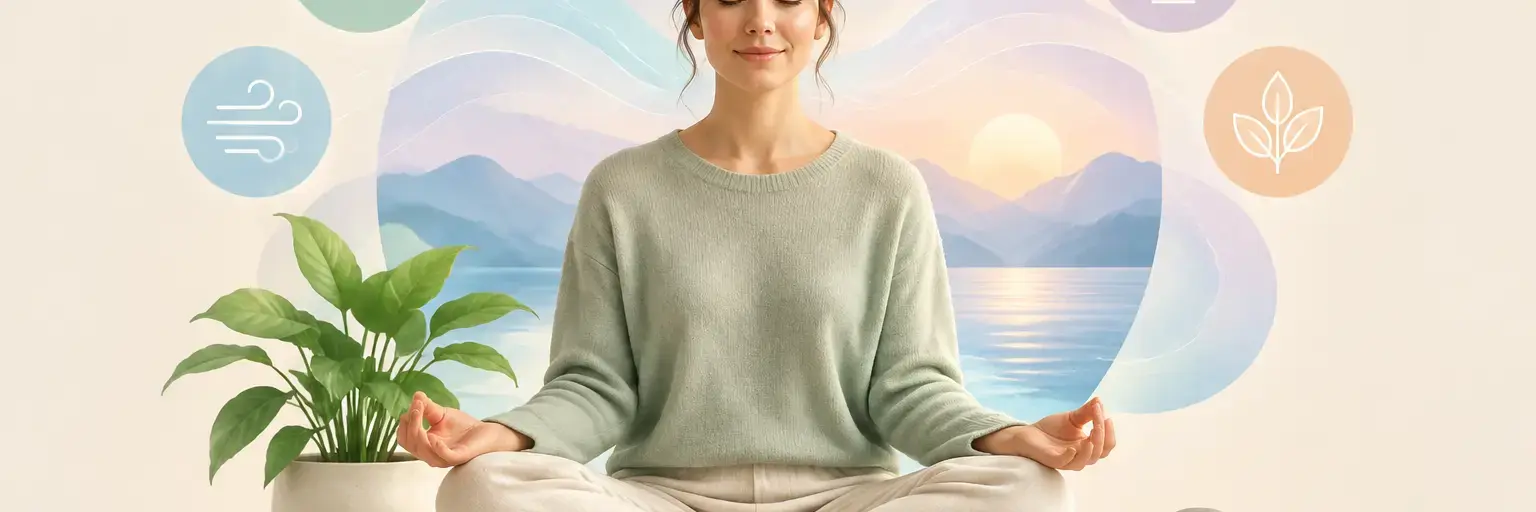
Discover the transformative power of relaxation and mindfulness with our expertly curated stress management techniques, designed to help you reclaim calm and balance in your daily life. From deep breathing exercises and progressive muscle relaxation to guided meditations and body scans, these evidence-based practices are perfect for reducing anxiety, improving focus, and enhancing overall emotional resilience. Whether you’re a beginner seeking simple ways to unwind or looking to deepen your self-care routine, our step-by-step guidance makes mindfulness accessible, practical, and deeply restorative. Embrace a gentler, more present mindset and unlock the secrets to lasting peace—your journey to a healthier, happier you starts here.

🌿 Discover how mindful walking reduce stress anxiety by calming the mind and body. This simple, accessible practice promotes mental well-being, helping…
Read article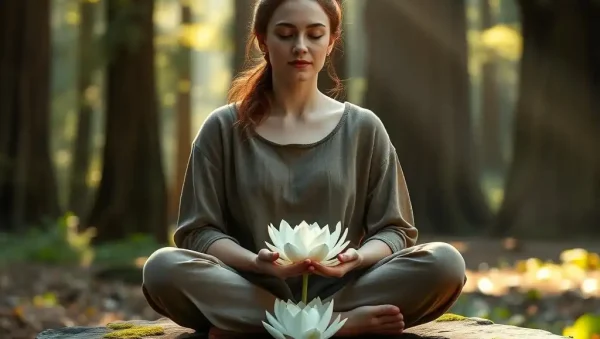
🌟 Discover how mindfulness reduce stress anxiety by calming your mind and cultivating self-compassion. This powerful practice helps silence the inner critic,…
Read article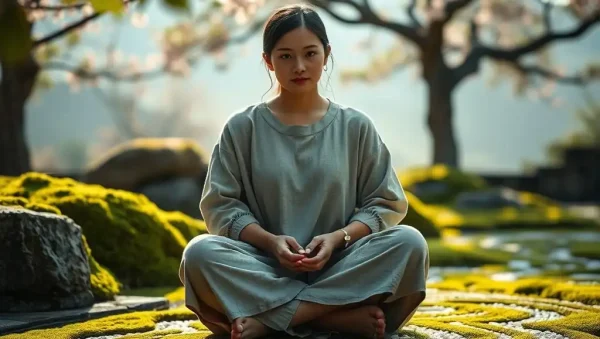
🌿 Discover how mindfulness for beginners anxiety can transform your life, providing simple, practical steps to cultivate calmness, reduce stress, and build…
Read article
🌟 Discover how simple mindfulness techniques can calm anxiety and bring peace to your mind. This guide offers practical strategies to help…
Read article
🌟 Discover how integrating mindfulness for everyday stress relief can transform your mental well-being, helping you stay present, reduce anxiety, and cultivate…
Read article
🌿 Discover how mindful eating can naturally reduce stress by fostering awareness and presence during meals. Incorporating mindful eating into your routine…
Read article
🌿 Discover the calming power of aromatherapy stress relief techniques, proven to reduce anxiety and promote relaxation. This guide offers essential insights…
Read article
🌟 Discover effective relaxation techniques for anxiety relief and learn how to overcome resistance to self-care. Prioritizing your mental well-being is essential—embrace…
Read article
🌿 Discover effective stress management techniques for busy lives with simple, practical ways to incorporate daily relaxation. This guide offers valuable tips…
Read article
🌿 Discover the transformative power of guided imagery stress relief techniques to find serenity anywhere. This comprehensive guide offers practical methods to…
Read article
🌬️ Discover simple deep breathing for anxiety relief techniques that can instantly soothe your mind. Our guide offers easy exercises to help…
Read article
🌟 Discover how small moments of mindfulness for everyday stress relief can transform your mental well-being. The power of the pause helps…
Read articleWelcome to the dedicated hub for Stress Management Techniques within the Holistic Mental Health & Self-Care category at Mind Care Guide. Here, we focus on practical, evidence-based methods to calm your nervous system, reduce anxiety, and cultivate a present-moment awareness. Whether you are a beginner seeking simple breathing exercises or a seasoned practitioner looking to deepen your mindfulness practice, this subcategory provides step-by-step guidance, scientific insights, and lifestyle integration tips. Our mission is to help you transform stress from a debilitating force into a manageable aspect of daily life, ultimately enhancing your overall mental well-being and resilience.
Breathwork is the cornerstone of immediate stress relief, acting as a natural "off switch" for the body's fight-or-flight response. In this section, you will learn a variety of techniques, from the calming 4-7-8 method to the energizing alternate nostril breathing. We explain the physiology behind why slow, deep breaths activate the parasympathetic nervous system, lowering cortisol levels and heart rate. Expect guided audio scripts, visual diagrams, and troubleshooting tips to help you master these tools for use in anxious moments or as a daily preventive practice.
By integrating diaphragmatic breathing into your routine, you can significantly reduce muscle tension and mental fog. We explore common mistakes, such as shallow chest breathing, and provide correctional exercises. Each technique is broken down into 5-minute, 10-minute, and 20-minute variations to fit your schedule. You’ll also discover how breathwork complements other relaxation methods, enhancing meditation and progressive muscle relaxation. This foundational skill is perfect for anyone—from office workers to athletes—seeking a portable, private, and highly effective stress-management strategy.
Guided meditation offers a structured entry point for those who find it hard to quiet the mind alone. Here, we curate a collection of audio sessions focused on body scan, loving-kindness, and visualization practices. Each guide emphasizes non-judgmental awareness, helping you observe thoughts without attachment. You will find tailored meditations for specific triggers, such as work-related stress, social anxiety, or sleep disturbances. Our clear instructions on posture, environment setup, and handling distractions ensure your practice is effective and sustainable.
The body scan technique, in particular, is a powerful tool for releasing stored physical tension. In this subsection, we walk you through a detailed, mindful journey from the crown of your head to your toes, teaching you to recognize and soothe areas of tightness. Expect practical advice on creating a comfortable meditation space, using props like cushions or blankets, and tracking your progress over time. We also explain how regular practice rewires brain pathways for greater emotional regulation, making this a cornerstone of holistic mental health and self-care.
Progressive Muscle Relaxation is a scientifically validated technique that alternates between tensing and relaxing muscle groups to reduce physical and mental stress. This section provides a comprehensive, step-by-step protocol, starting with your hands and feet before moving to larger muscle groups. You will learn the importance of the tension-relaxation contrast, which helps you identify even subtle signs of chronic tension. We include printable guides, scheduled practice plans, and adaptation tips for those with mobility limitations.
PMR is particularly effective for individuals who experience stress as physical symptoms, such as headaches, jaw clenching, or back pain. Beyond the basic routine, we discuss how to integrate PMR into your nightly wind-down routine to improve sleep quality. Moreover, you’ll find advanced variations, like abbreviated PMR for use at your desk or in transit. By mastering this technique, you equip yourself with a reliable mechanism to lower adrenaline levels and induce a state of deep relaxation, reinforcing your overall emotional stability and well-being.
Mindfulness-Based Stress Reduction is an eight-week, evidence-based program that combines meditation, body awareness, and yoga. In this section, we break down its core principles, including present-moment awareness and acceptance. You will learn how to apply mindfulness to everyday activities—eating, walking, even washing dishes—to break the cycle of habitual stress reactions. We provide simplified daily exercises that require no prior experience, enabling you to gradually build a robust mindfulness muscle.
Expect in-depth explanations of the psychological mechanisms behind MBSR, such as decentering and cognitive reappraisal. We also share success stories and research findings that highlight its effectiveness in reducing anxiety, chronic pain, and burnout. This subcategory offers a full course syllabus, including weekly themes and homework assignments, so you can follow along at your own pace. By embracing MBSR, you gain a lifelong framework for resilience, making it easier to navigate high-pressure situations with clarity and composure.
Relaxation is not one-size-fits-all; for many, creative outlets are the most potent stress relievers. This section explores art therapy, journaling, music, and aromatherapy as valid mindfulness-based practices. We provide guided prompts for expressive writing, instructions for creating a calm-down jar, and playlists curated for different emotional states. You will learn how engaging your senses—through textures, scents, or sounds—anchors you in the present and interrupts rumination. These methods are especially useful for kinesthetic learners or those who feel restless with traditional seated meditation.
We also delve into the science of “flow state,” where focused engagement in a creative task reduces self-critical thoughts. Practical ideas include nature-based mindfulness, coloring books for adults, and simple cooking or gardening exercises. Each suggestion comes with clear time estimates and materials needed, ensuring you can easily incorporate them into a busy lifestyle. By diversifying your relaxation toolkit, you increase the likelihood of finding techniques that genuinely resonate, making stress management a joyful and rewarding part of your self-care routine.
Many individuals feel immediate calm after a single deep-breathing session or a 10-minute meditation. However, lasting changes in stress reactivity typically require 4 to 6 weeks of consistent daily practice. Your brain rewires gradually, so short-term relief becomes long-term resilience. Stick with one technique for two weeks before judging its effectiveness.
No, most techniques require only your body and attention. A quiet space and a chair or floor mat are helpful, but not mandatory. For creative methods, simple supplies like paper, pens, or essential oils are optional. Our guides always provide low-cost or free alternatives to ensure accessibility.
No, mindfulness and relaxation are complementary tools, not replacements for professional treatment. They can reduce symptom intensity and improve coping, but if you experience severe, persistent symptoms, seek licensed mental health support. Combine these techniques with therapy or medication under your provider's guidance for best results.
Morning practice sets a calm tone for the day, while evening practice helps unwind and improves sleep. Choose a time you can consistently commit to, even if it’s just 5 minutes. Many find mid-afternoon helpful for energy slumps. Consistency matters more than the specific hour, so experiment to find your optimal window.
Perfection is not the goal; self-compassion is key. Missed days are normal—acknowledge them without guilt, then gently resume. Shorten your session on your first day back to rebuild momentum. Use our habit-tracker templates or join online communities for accountability, and remind yourself that each small practice strengthens your long-term well-being.