
Walking Meditation: Find Peace and Reduce Stress One Step at a Time


Welcome to Mind Care Guide, your sanctuary for nurturing inner peace.
Are you feeling overwhelmed by the relentless demands of daily life? Discover how the simple act of walking can become a powerful tool for stress reduction and mental clarity. Our guide to walking meditation offers practical techniques and insights to help you find tranquility, one mindful step at a time. Intrigued? Let's begin your journey towards a calmer, more centered you...
Walking Meditation: Find Peace and Reduce Stress One Step at a Time
- Introduction to Walking Meditation for Stress Relief
- Preparing for Your Walking Meditation Practice
- Step-by-Step Guide to Walking Meditation
- Advanced Techniques for Deeper Walking Meditation
- Common Mistakes to Avoid in Walking Meditation
- Integrating Walking Meditation into Your Daily Routine
- The Science Behind Walking Meditation and Stress Reduction
- Troubleshooting Your Walking Meditation Practice
- Conclusion: Embrace Walking Meditation for Lasting Peace and Stress Management
-
Frequently Asked Questions
- What is walking meditation, and how does it differ from regular walking?
- Can walking meditation really help reduce stress, as claimed?
- How often should I practice walking meditation to see noticeable stress reduction benefits?
- Where is the best place to practice walking meditation effectively?
- Are there any specific techniques or tips to improve my walking meditation practice and maximize stress reduction?
- Final Reflection: The Paved Path to Inner Peace
- Unveil Your Inner Calm: Take a Step Towards Mindfulness
Introduction to Walking Meditation for Stress Relief
Walking meditation is a powerful yet simple practice that combines the physical act of walking with the mental discipline of mindfulness. Unlike traditional seated meditation, it encourages you to bring your awareness into movement, making it an accessible way to find peace and reduce stress in the midst of a busy life. By intentionally focusing on the sensations of walking, the breath, and the surrounding environment, you train your mind to stay present, letting go of worries about the past or future. This mindful movement helps to calm the nervous system and interrupt the cycle of stress-inducing thoughts.
Integrating walking meditation into your routine offers a dynamic approach to mental well-being. It provides an opportunity to step away from screens and sedentary tasks, engaging the body while simultaneously soothing the mind. Many people find it easier to focus during walking meditation compared to sitting still, as the gentle rhythm of walking can naturally anchor attention.
This practice is not about getting somewhere quickly or covering a specific distance; it is about cultivating awareness with each step, recognizing that the journey itself is the meditation. The primary goal is to foster a state of calm presence, which is inherently effective in helping walking meditation reduce stress levels.
Understanding the Benefits of Walking Meditation
Engaging in walking meditation offers a wealth of mental and physical benefits, particularly for those seeking to manage stress. Regular practice has been shown to significantly decrease levels of cortisol, the body's primary stress hormone. While specific reductions vary among individuals and studies, research consistently indicates that mindfulness practices like walking meditation can lead to a noticeable drop in physiological stress markers, potentially lowering cortisol by 10-20% over several weeks of consistent practice in some populations. Beyond biochemical changes, individuals often report feeling more relaxed, centered, and less reactive to daily stressors.
The benefits extend to improved emotional regulation and cognitive function. By training the mind to observe thoughts and feelings without judgment, walking meditation helps build resilience against negative thought patterns often associated with stress and anxiety. Practitioners frequently experience enhanced clarity, better concentration, and a greater sense of calm. Furthermore, the gentle physical activity involved contributes to overall physical health, which in turn supports mental well-being. Even short sessions, perhaps 10-15 minutes daily, can yield tangible improvements in mood and a reduced perception of stress.
Walking Meditation vs. Traditional Meditation: Key Differences
The fundamental difference between walking meditation and traditional seated meditation lies in the element of movement. Seated meditation typically involves remaining still, focusing on the breath, body sensations, or a mantra while minimizing external distractions. The challenge often lies in managing physical discomfort from stillness and the intense internal focus required. Walking meditation, conversely, uses the natural rhythm of walking as the primary anchor for attention. The focus shifts to the physical sensations of lifting, moving, and placing the feet, coordinating awareness with deliberate, often slower, movement.
While both practices cultivate mindfulness, walking meditation offers a more dynamic form of presence. It integrates mindfulness into an activity that is part of daily life, making the transition from formal practice to mindful living potentially smoother for some. For individuals who find sitting still difficult due to restlessness or anxiety, walking meditation can be a more accessible entry point into mindfulness. It engages the kinesthetic sense more directly, providing a tangible, repetitive action to focus on. Both forms aim to reduce stress, but they offer different paths to achieving a state of calm, present awareness.
Who Can Benefit from Mindful Walking?
Mindful walking is a highly inclusive practice, suitable for almost anyone looking to enhance their well-being and manage stress. Individuals who spend long hours sitting, such as office workers or students, can find immense benefit in using walking meditation as a way to break up sedentary periods and refresh their minds.
People experiencing high levels of stress or anxiety often discover that the gentle movement helps to release pent-up energy and calm a restless mind more effectively than sitting still. For example, someone feeling overwhelmed by deadlines might take a 15-minute mindful walk around the block to regain composure and perspective.
Moreover, mindful walking is beneficial for those new to meditation, as the physical activity can make the mental focus feel less daunting. It's also excellent for individuals who enjoy being outdoors, as it provides a structured way to connect with nature mindfully. Even people with limited mobility can adapt the practice, perhaps by walking slowly in a small space or focusing on the sensations of shifting weight while standing. Anyone seeking a practical, accessible tool to cultivate presence, reduce stress, and improve their connection with their body and environment can significantly benefit from incorporating mindful walking into their life.
Preparing for Your Walking Meditation Practice
Preparation is key to making your walking meditation session as effective and stress-reducing as possible. While the practice itself is simple, taking a few moments beforehand to set the stage can significantly enhance your experience and deepen your ability to find peace and reduce stress. This isn't about creating elaborate rituals, but rather about making conscious choices that support your intention to be present and attentive during your walk.
By addressing practical considerations like location and attire, and by setting a clear intention, you create a foundation for a more focused and rewarding session. This preparatory phase helps transition your mind from the busyness of daily life to a state of readiness for mindful awareness. It signals to your mind and body that you are about to engage in a deliberate practice aimed at cultivating calm and reducing stress.
Choosing the Right Location for Walking Meditation
The ideal location for walking meditation is one where you feel safe and can minimize distractions. This doesn't necessarily mean complete silence or solitude; it means finding a place where you can comfortably focus on your internal experience without excessive external interruptions or safety concerns. A quiet path in a park, a less-trafficked sidewalk in your neighborhood, a spacious room in your home, or even a hallway at work can serve as suitable locations. Some people prefer natural settings, finding the presence of trees, plants, or open sky enhances their sense of peace.
Consider the length of your intended meditation. If you plan a 20-minute session, choose a loop or path that allows for this without needing to navigate complex routes or heavy traffic. Ensure the ground is relatively even to avoid needing to focus excessively on your footing, which can pull attention away from the meditative focus. The goal is to select an environment that supports your ability to turn your attention inward while moving, helping walking meditation reduce stress more effectively by providing a calming backdrop.
Setting Intentions for Your Walking Meditation Session
Before you begin walking, take a moment to set a clear intention for your practice. An intention is a gentle reminder of why you are engaging in walking meditation and what you hope to cultivate or explore during the session. Your intention might be simply to be present with each step, to notice the sensations in your body, to cultivate calm, or specifically to practice walking meditation to reduce stress. For instance, you might set the intention: "My intention for this walk is to simply be present and notice my breath and steps, releasing tension as I go."
Setting an intention helps to focus your mind from the outset and provides a point of reference if you become distracted. It's not a rigid goal to achieve, but rather a guiding principle for your practice. Reviewing your intention periodically during the walk, especially if your mind wanders, can gently bring you back to your purpose. This simple act of conscious intention-setting adds depth to the practice and reinforces its role in helping you find peace and manage stress.
What to Wear and Bring for Comfort
Comfort is paramount when preparing for walking meditation, as physical discomfort can easily become a significant distraction. Wear comfortable shoes that provide adequate support for walking. Avoid tight clothing or anything that restricts movement or breathing. The aim is to feel at ease in your body so that you can direct your attention to the sensations of walking rather than being preoccupied with discomfort.
Depending on your chosen location and the weather, you might need to bring essentials like a light jacket, water bottle, or sunglasses. However, try to keep what you carry to a minimum to avoid unnecessary burdens. If you are walking outside, check the weather forecast beforehand. The focus should be on being present with your experience, and being appropriately dressed and prepared for the conditions allows you to do this without being pulled out of the moment by physical needs or discomfort.
Step-by-Step Guide to Walking Meditation
Embarking on a walking meditation practice is straightforward, requiring no special equipment or prior experience. The key is to approach it with patience and curiosity, allowing yourself to explore the sensations of movement with mindful awareness. This step-by-step guide will walk you through the process, helping you integrate body awareness, breath, and movement to cultivate a sense of calm and effectively use walking meditation to reduce stress. Remember, there is no right or wrong way to do this; the practice is simply about paying attention.
Step 1: Finding Your Posture and Grounding Yourself
Begin by standing still at your chosen starting point. Allow your body to settle, feeling the weight distributed evenly on both feet. Stand tall but relaxed, with your shoulders down and back, and your head held naturally. Let your gaze soften, perhaps looking a few feet ahead of you on the ground, or close your eyes if you feel stable and comfortable doing so. Take a moment to simply arrive in the present moment, noticing the feeling of the ground beneath your feet. This initial grounding helps to anchor your awareness before you even begin to move.
Bring your attention to your posture, making any small adjustments needed to feel balanced and at ease. Notice the contact points between your feet and the ground. Feel the pressure, the texture, the temperature. This initial focus on grounding helps to bring your awareness out of your head and into your physical body, preparing you for the mindful movement to come. It sets the stage for a practice rooted in physical presence, essential for letting go of mental clutter and allowing walking meditation reduce stress.
Step 2: Focusing on Your Breath and Body Sensations
Before taking your first step, bring your awareness to your breath. Notice the natural rhythm of your inhalation and exhalation without trying to change it. Feel the air entering and leaving your body. Simultaneously, expand your awareness to include other sensations in your body. Scan from the crown of your head down to your toes, noticing any areas of tension or ease. Pay particular attention to the sensations in your legs and feet, as these will be central to the practice.
As you stand still, continue to breathe naturally and feel the subtle shifts in weight, the sway of your body, the feeling of your clothes against your skin. This step deepens your connection to your physical presence and helps to quiet the mental chatter. Becoming attuned to body sensations provides a rich field of awareness to focus on as you begin to walk, making it easier to stay present and use the physical act of walking as a meditation practice that helps walking meditation reduce stress.
Step 3: Coordinating Movement with Breath Awareness
Now, begin to walk at a slow, deliberate pace. As you walk, shift your primary focus to the sensations in your feet and legs. Notice the lifting of one foot, the swing forward, the placement back on the ground, and the shifting of weight onto that foot. Break down the movement into its component parts: lifting, moving, placing. You can even label these sensations mentally if it helps you focus, saying silently "lifting," "moving," "placing" with each step.
Coordinate this awareness with your breath. You might find that one full breath cycle (in-breath and out-breath) corresponds naturally to a certain number of steps, perhaps two or three steps per inhale and two or three steps per exhale. There's no need to force this; simply notice the relationship between your breath and your pace.
Allow your arms to swing naturally or keep them clasped gently in front or behind you. The key is to maintain a gentle, steady rhythm, keeping your attention anchored on the physical experience of walking and breathing. This deliberate, mindful movement is the core technique that allows walking meditation reduce stress by interrupting habitual thought patterns and grounding you in the present.
Step 4: Addressing Distractions During Walking Meditation

It is perfectly normal for your mind to wander during walking meditation, just as it does in any other form of meditation. You might start thinking about your to-do list, a conversation, or future plans. When you notice your mind has wandered, gently acknowledge the thought without judgment. Simply say to yourself, "Thinking," or "Planning," and then kindly guide your attention back to the sensations of walking – the feeling of your feet on the ground, the movement of your legs, or the rhythm of your breath.
Treat distractions not as failures, but as opportunities to practice bringing your attention back. Each time you notice your mind has wandered and gently redirect it, you strengthen your capacity for focus and mindfulness. Be patient and compassionate with yourself; the goal isn't to have an empty mind, but to develop the awareness to recognize when your mind has drifted and the ability to return to the present moment. This repeated process of noticing and returning is a fundamental skill in mindfulness that significantly contributes to the ability of walking meditation to reduce stress.
Step 5: Completing Your Walking Meditation Session Mindfully
As you approach the end of your planned walking meditation time or reach your designated stopping point, begin to slow your pace. Take a few final mindful steps, perhaps noticing the sensations with extra clarity. Come to a gentle stop and stand still for a moment, just as you did at the beginning. Close your eyes or keep your gaze soft.
Take a few deep breaths, noticing the feeling of your body standing still, the weight of your feet on the ground, and any changes in your physical or mental state. Acknowledge your effort in practicing walking meditation. You might notice a greater sense of calm, clarity, or simply a difference from how you felt when you started. This moment of stillness and reflection allows you to integrate the experience of the mindful walk before transitioning back to your daily activities, helping to carry the sense of peace and reduced stress forward.
Advanced Techniques for Deeper Walking Meditation
Once you are comfortable with the basic practice of focusing on the physical sensations of walking, you can explore advanced techniques to deepen your walking meditation experience. These methods build upon the foundation of mindful movement and can enhance the practice's ability to cultivate specific qualities like gratitude, connection, and insight, further amplifying how walking meditation reduce stress and promotes well-being.
Incorporating Visualizations into Your Walking Meditation
Adding visualization to walking meditation can enrich the practice by engaging another sensory dimension and focusing the mind on positive imagery or intentions. One common visualization is imagining that with each inhale, you are breathing in peace, calm, or positive energy, and with each exhale, you are breathing out stress, tension, or negative feelings. As you walk, you might visualize these qualities entering and leaving your body with the rhythm of your breath and steps.
Another technique involves visualizing a peaceful place or a positive outcome related to your intention. For example, if you are using walking meditation to reduce stress related to a specific situation, you might visualize yourself handling that situation with calm and confidence as you walk.
Alternatively, you could visualize roots growing from the soles of your feet into the earth with each step, grounding you and drawing up a sense of stability and strength. These visualizations serve as additional anchors for your attention and can enhance the therapeutic effects of the walk, helping walking meditation reduce stress by actively engaging the mind in positive ways.
Using Walking Meditation to Cultivate Gratitude
Walking meditation provides an excellent opportunity to actively cultivate gratitude. As you walk, you can shift your focus from the mechanical sensations of movement to a mindful awareness of things you are grateful for. With each step or breath, you can bring to mind one thing, person, or experience for which you feel thankful. This could be as simple as the feeling of the sun on your skin, the ability to walk, the beauty of your surroundings, or a kind gesture you received.
Focusing on gratitude shifts your mental state away from worry and stress towards appreciation and positivity. As you walk mindfully, deliberately recalling things you are grateful for, you train your brain to notice and value the positive aspects of your life. This practice can be particularly powerful when feeling overwhelmed or stressed, offering a simple yet effective way to change your perspective and enhance your sense of well-being. Regularly practicing gratitude during walking meditation reinforces its ability to help walking meditation reduce stress and increase feelings of contentment.
Walking Meditation in Nature: Connecting with the Environment
Practicing walking meditation in a natural setting like a park, forest, or by a body of water can profoundly enhance the experience and its stress-reducing effects. When walking in nature, expand your awareness beyond your internal sensations to include the environment around you. Mindfully notice the sights, sounds, smells, and textures of nature. Pay attention to the rustling of leaves, the chirping of birds, the scent of damp earth, the feeling of a breeze on your skin, or the colors of flowers and trees.
Engaging with nature through mindful walking fosters a sense of connection to something larger than yourself, which can be incredibly grounding and calming. Studies suggest that spending time in nature can significantly lower stress levels and improve mood. Combining this with the deliberate practice of walking meditation amplifies these benefits, allowing the natural environment to serve as a powerful aid in cultivating presence and peace. Walking meditation in nature is a potent way to reduce stress and reconnect with the restorative power of the natural world.
Common Mistakes to Avoid in Walking Meditation
While walking meditation is a forgiving practice, being aware of common pitfalls can help you deepen your experience and gain the most benefit, especially in using walking meditation to reduce stress. Avoiding these mistakes allows you to maintain focus and presence, rather than letting the practice become just another hurried task.
Rushing the Process: The Importance of Slowing Down
One of the most common mistakes is walking too fast or being preoccupied with covering a certain distance. Walking meditation is not about exercise or getting somewhere quickly; it's about the journey itself. Rushing prevents you from fully engaging with the subtle sensations of walking and makes it harder to maintain mindful awareness. The purpose is to move at a pace that allows you to be fully present with each step.
Intentionally slowing down your pace allows you to notice the intricate movements of your body and the feeling of gravity and balance. A slower speed makes it easier to coordinate your awareness with the physical actions of lifting, moving, and placing your feet. Aim for a pace that feels deliberate and mindful, rather than hurried. This conscious choice to slow down is fundamental to allowing walking meditation reduce stress by shifting your focus from external goals to internal experience.
Focusing Too Much on the Destination
Another pitfall is becoming fixated on the destination rather than the process of walking. When your mind is primarily focused on arriving, you miss the opportunity to be present with the sensations of the journey. This is similar to how we often rush through life, missing the richness of the present moment while fixated on future outcomes. In walking meditation, the destination is irrelevant; the walk itself is the meditation.
If you find yourself preoccupied with reaching your endpoint, gently bring your attention back to the feeling of your feet on the ground, your breath, or the sights and sounds immediately around you. Remind yourself that the purpose of this walk is simply to be present, one step at a time. Letting go of the need to reach a destination quickly frees your mind to settle into the rhythm of the walk and experience the stress-reducing benefits of mindful presence.
Ignoring Physical Discomfort During Walking Meditation
While mindfulness involves observing sensations without judgment, this does not mean ignoring significant physical discomfort or pushing through pain. Walking meditation should be a gentle and nurturing practice. If you experience pain or discomfort, first acknowledge it mindfully without immediately trying to fix it. Notice where it is located, its quality, and its intensity.
However, if the discomfort is persistent or worsening, it's important to respond wisely. This might mean adjusting your posture, changing your pace, or even stopping the walk if necessary. Ignoring genuine physical needs can lead to injury or make the practice unpleasant, hindering your ability to relax and reduce stress. Listen to your body with compassion and make choices that support your overall well-being during the practice.
Integrating Walking Meditation into Your Daily Routine
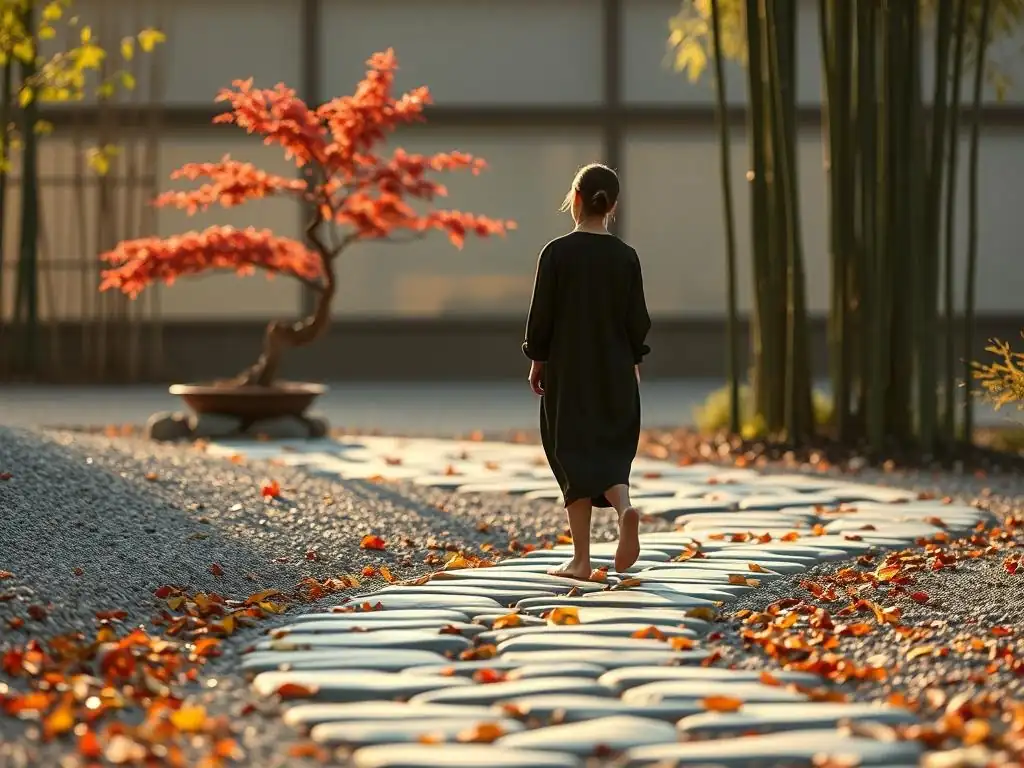
Making walking meditation a regular part of your life doesn't require large blocks of time. Even short, mindful walks can significantly contribute to your ability to find peace and use walking meditation to reduce stress. The key is consistency and finding opportunities to weave mindful movement into your existing schedule.
Short Walking Meditation Breaks for Workplace Stress Reduction
Incorporating brief walking meditation breaks throughout the workday can be an incredibly effective strategy for managing workplace stress. Instead of scrolling through your phone or chatting mindlessly during a break, dedicate 5-10 minutes to a mindful walk. This could be a walk around the office floor, down a hallway, or even outside around the building if possible.
During this short walk, focus on your breath and the sensations of walking. Let go of thoughts about upcoming meetings or unfinished tasks. This brief period of mindful movement can help clear your head, reduce mental fatigue, and lower stress levels, allowing you to return to your work feeling refreshed and more focused. Even a few minutes of mindful walking can shift your state from stressed to centered.
Combining Walking Meditation with Other Mindfulness Practices
Walking meditation can be a powerful standalone practice, but its benefits are often amplified when combined with other mindfulness techniques. For instance, you might start your day with a short seated meditation to cultivate stillness and focus, then transition to a walking meditation to bring that awareness into movement. Alternatively, you could use mindful walking as a way to prepare for a longer seated session, using the movement to release restlessness.
Other complementary practices include mindful breathing exercises before or after your walk, or incorporating mindful eating by paying full attention to your meal after your walk. Integrating mindful walking with practices like yoga or tai chi, which also emphasize conscious movement, can further enhance body awareness and reduce stress. The synergy between different mindfulness techniques strengthens your overall capacity for presence and calm.
Tracking Your Progress and Staying Motivated
While walking meditation isn't about achieving specific metrics like speed or distance, tracking your practice can help you stay motivated and notice its impact on your well-being. You might keep a simple journal noting when and where you practiced, how long you walked, and how you felt before and after the session. Over time, reviewing these entries can reveal patterns and demonstrate how regular walking meditation helps reduce stress and improves your mood.
Seeing tangible evidence of the positive effects, such as consistently reporting feeling "less stressed" or "more calm" after walks, can be a powerful motivator to continue the practice. Don't get discouraged by days when your mind feels particularly busy; simply acknowledge it and recommit to the practice. Consistency, even in short bursts, is more important than perfection. Celebrating small victories, like successfully bringing your attention back multiple times during a walk, can also boost motivation.
The Science Behind Walking Meditation and Stress Reduction
The effectiveness of walking meditation in promoting peace and reducing stress is supported by growing scientific understanding of how mindfulness and physical activity affect the brain and body. Research in psychology and neuroscience is shedding light on the mechanisms by which mindful walking exerts its positive effects on mental and physical health.
Research Supporting the Benefits of Mindful Walking
Numerous studies have investigated the benefits of mindfulness practices, including mindful walking. While specific studies on "walking meditation" as a distinct category might be less numerous than those on seated meditation, research on mindful movement, green exercise (exercise in nature), and the combination of physical activity and mindfulness all point to significant positive outcomes. For example, a study published in the Journal of Environmental Psychology found that participants who took a 50-minute walk in nature reported lower levels of anxiety and negative rumination compared to those who walked in an urban environment.
More broadly, studies on mindfulness-based interventions (MBIs) like MBSR (Mindfulness-Based Stress Reduction), which often include mindful movement, consistently show reductions in self-reported stress, anxiety, and depression. A meta-analysis published in JAMA Internal Medicine in 2014 reviewed over 47 trials and concluded that MBIs demonstrated moderate evidence of improving anxiety and depression and low evidence of improving stress. While this study didn't isolate walking meditation, it underscores the general effectiveness of mindfulness in addressing these issues. Combining the known benefits of moderate physical activity with mindfulness offers a compelling pathway for reducing stress.
How Walking Meditation Affects the Brain and Body
Walking meditation influences both the brain and body in ways that counteract the stress response. On a physiological level, the gentle, rhythmic nature of walking combined with mindful breathing can activate the parasympathetic nervous system, often referred to as the "rest and digest" system. This activation helps to lower heart rate, reduce blood pressure, and decrease the production of stress hormones like cortisol and adrenaline. Regular practice can lead to a more balanced autonomic nervous system response, making individuals less reactive to stressors.
In the brain, mindfulness practices have been associated with structural and functional changes. Studies using fMRI have shown that regular meditation can lead to increased gray matter density in areas associated with learning, memory, emotion regulation (like the hippocampus and prefrontal cortex), and decreased activity in the amygdala, the brain's fear center.
While research specifically on walking meditation's neural correlates is emerging, it is hypothesized that the combination of physical activity and mindful attention similarly promotes neuroplasticity in areas related to focus, emotional control, and stress processing. This dual action on the body's stress response and the brain's emotional centers explains why walking meditation reduce stress so effectively.
Walking Meditation as a Complementary Therapy for Anxiety and Depression
Given its documented effects on stress, mood, and physiological markers, walking meditation is increasingly recognized as a valuable complementary therapy for individuals managing anxiety and depression. It offers a gentle form of physical activity, which is often recommended for mood disorders, combined with the mental training of mindfulness. For someone experiencing the restlessness or low energy associated with these conditions, a mindful walk can be more approachable than seated meditation or vigorous exercise.
While not a replacement for professional medical or psychological treatment, incorporating walking meditation into a treatment plan can provide individuals with an active coping strategy. It empowers them to cultivate moments of calm, reduce rumination, and reconnect with their bodies and the present moment. Many mental health professionals recommend mindful movement practices as a tool for clients to build resilience, manage difficult emotions, and find a sense of grounding, thereby helping walking meditation reduce stress and alleviate symptoms of anxiety and depression.
Troubleshooting Your Walking Meditation Practice
Even with clear instructions, you might encounter challenges as you integrate walking meditation into your routine. This is a normal part of the learning process. Addressing common difficulties with patience and flexibility will help you maintain a consistent and beneficial practice.
Difficulty Focusing? Tips for Managing Wandering Thoughts
One of the most frequent challenges is a wandering mind. It's important to remember that the goal isn't to stop thinking, but to develop the awareness to notice when your mind has drifted and the ability to gently guide it back. If you find your mind is particularly busy, try narrowing your focus initially. Instead of trying to notice everything, concentrate solely on the sensation of your feet touching the ground for several steps.
- Tip 1: Gently label the distraction ("thinking," "planning," "worrying") and consciously release it as you exhale.
- Tip 2: Anchor your attention firmly on the breath for a few cycles, then return to the walking sensations.
- Tip 3: Shorten your meditation session if needed. Even 5 minutes of focused walking is beneficial.
- Tip 4: Try walking in a less stimulating environment if possible.
Remember, each time you notice your mind wandering and bring it back, you are strengthening your "mindfulness muscle." Be kind to yourself and approach distractions with curiosity rather than frustration. This persistent gentle redirection is key to allowing walking meditation reduce stress over time.
Physical Challenges: Adapting Walking Meditation to Your Needs
Physical limitations or discomfort can make walking meditation challenging. The practice is highly adaptable, however, and can be modified to suit various needs. If walking outdoors or for extended periods is difficult, you can practice mindful walking indoors in a hallway or even a small room, focusing on the sensations of pivoting and shifting weight.
If standing and walking are not possible, you can adapt the principles of mindful movement to other activities, such as mindful chair yoga or simply focusing on the sensations of shifting your weight while seated. The core principle is bringing mindful awareness to gentle physical movement.
Consult with a healthcare professional if you have significant mobility issues or pain to find the safest and most appropriate way to incorporate mindful movement into your routine. The goal is to find a way to engage the body mindfully that supports your well-being and helps walking meditation reduce stress in a way that is accessible to you.
Maintaining Consistency: Overcoming Obstacles to Regular Practice
Life is busy, and finding time for regular practice can be a significant obstacle. Lack of motivation, feeling too tired, or simply forgetting can derail consistency. To overcome these challenges, try integrating walking meditation into existing routines. For example, make your commute to work a mindful walk, or dedicate the first 10 minutes of your lunch break to mindful walking.
- Strategy 1: Schedule it. Put walking meditation sessions on your calendar like any other appointment.
- Strategy 2: Start small. Begin with just 5-10 minutes per day and gradually increase the duration if you wish.
- Strategy 3: Pair it with something you already do, like walking the dog or walking to the store.
- Strategy 4: Find an accountability partner or join a mindful walking group.
- Strategy 5: Reflect on the benefits. Regularly remind yourself how the practice makes you feel, focusing on the moments of peace and reduced stress you've experienced.
Remember that consistency doesn't mean perfection. Missing a day or two is okay; the important thing is to simply return to the practice as soon as you can. Regular, even short, sessions are more beneficial than infrequent long ones for using walking meditation to reduce stress effectively.
Conclusion: Embrace Walking Meditation for Lasting Peace and Stress Management
Walking meditation offers a simple yet profound pathway to enhanced well-being, providing a practical and accessible method to find peace and reduce stress in daily life. By intentionally bringing mindfulness to the act of walking, you transform an ordinary activity into a powerful tool for cultivating presence, calming the nervous system, and releasing tension. It bridges the gap between formal meditation practice and everyday movement, making mindfulness a more integrated part of your existence.
The benefits, supported by both personal experience and scientific insights, demonstrate its effectiveness in lowering stress hormones, improving mood, enhancing focus, and fostering a greater connection with yourself and the world around you. Whether you have just a few minutes or longer periods, incorporating mindful walking into your routine offers a consistent opportunity to step out of the cycle of worry and into the grounding reality of the present moment. Embracing walking meditation is an investment in your mental and physical health, providing a sustainable strategy for managing stress and cultivating lasting peace, one mindful step at a time.
Walking Meditation: A Simple Path to Enhanced Well-being
Walking meditation stands out for its simplicity and accessibility. It requires no special equipment or location, and the basic technique can be learned quickly. This ease of access makes it an ideal practice for anyone looking to begin a mindfulness journey or find a dynamic alternative to seated meditation. By focusing on the natural rhythm of the body and breath during movement, it provides a tangible anchor for attention, making it easier for many people to stay present and avoid getting lost in thought.
The repetitive nature of walking, when combined with mindful awareness, creates a calming effect on the mind and body. This inherent simplicity is its strength, allowing individuals to easily integrate the practice into their busy lives and consistently reap the benefits of walking meditation reduce stress and enhance overall well-being. It's a reminder that mindfulness doesn't have to be complicated; it can be found in the most basic of human activities.
Resources for Further Exploration of Walking Meditation
To deepen your understanding and practice of walking meditation, numerous resources are available. Many mindfulness centers and meditation apps offer guided walking meditations, which can be particularly helpful when you are starting out or if you find it difficult to maintain focus on your own. Guided sessions provide verbal cues that help you direct your attention to specific sensations or aspects of the environment, making the practice more structured.
Books on mindfulness and meditation often include chapters or sections specifically dedicated to walking meditation techniques, offering different perspectives and approaches. Exploring the teachings of various mindfulness teachers can also provide valuable insights. Additionally, workshops and retreats sometimes include mindful walking as a core component, offering an opportunity for intensive practice and guidance. Utilizing these resources can help you refine your technique, stay motivated, and continue to explore the profound ways that walking meditation reduce stress and enrich your life.
Frequently Asked Questions
What is walking meditation, and how does it differ from regular walking?
Walking meditation involves mindfully focusing on the sensation of walking, such as the movement of your feet and the rhythm of your breath. Unlike regular walking, the goal isn't to reach a destination but to be present in the moment.
Can walking meditation really help reduce stress, as claimed?
Yes, studies have shown that walking meditation can significantly reduce stress levels by promoting mindfulness and relaxation. This is because it helps to quiet the mental chatter and focus on the present.
How often should I practice walking meditation to see noticeable stress reduction benefits?
Ideally, you should aim for at least 15-20 minutes of walking meditation several times a week. Consistency is key, and even short sessions can provide cumulative benefits in stress reduction.
Where is the best place to practice walking meditation effectively?
While you can practice almost anywhere, a quiet and safe environment is ideal. Consider a park, garden, or even a peaceful room indoors where you can focus without distractions.
Are there any specific techniques or tips to improve my walking meditation practice and maximize stress reduction?
Focus on your breath, the sensation of your feet touching the ground, and maintain a slow, deliberate pace. Gently redirect your attention back to these sensations whenever your mind wanders, which is perfectly normal.
Final Reflection: The Paved Path to Inner Peace
The simple act of walking, when approached mindfully, offers a potent antidote to the relentless stress of modern life. This isn't just a fleeting trend; it's a rediscovery of an ancient practice perfectly suited to our always-on world. In a society constantly bombarded with information and demands, walking meditation provides a readily accessible tool for reclaiming our inner calm and fostering a deeper connection with ourselves.
The impact of walking meditation extends far beyond individual stress reduction; it's a quiet revolution in how we approach well-being. It challenges the notion that peace requires escaping the everyday, demonstrating instead that tranquility can be found within the ordinary rhythm of our steps. This resonates deeply with me, as I've personally experienced the transformative power of this practice in navigating the complexities of daily life. The journey of a thousand miles begins with a single step.
This ancient proverb takes on new meaning when we consider the profound inner journey that unfolds with each mindful stride.
Now, consider your own journey. What small step can you take today to incorporate the principles of walking meditation into your life? Perhaps it's a five-minute mindful walk during your lunch break, or a dedicated time each evening to connect with your breath and surroundings. Embrace the simplicity, allow yourself to be present, and discover the profound peace that awaits you on the path. The journey to inner calm begins with a single, mindful step.
Unveil Your Inner Calm: Take a Step Towards Mindfulness
Thanks for taking the time to explore the power of walking meditation with us! We hope you discovered a new path to peace and stress reduction. Now it's time to put your newfound knowledge into practice.
- Begin your mindful walking journey today: Even a short 10-minute walk can make a difference. Focus on your breath and the sensation of your feet on the ground.
- Share your walking meditation experience: Inspire others to find their inner peace by sharing this article with friends and family. Let's build a supportive community of mindful walkers!
- Explore different walking meditation techniques: Experiment with variations like focusing on your senses or reciting a mantra to deepen your practice.
Ready to experience the transformative power of mindful movement? What small step will you take today to incorporate walking meditation into your daily routine?