
Beyond Digestion: The Surprising Link Between Gut Health and Anxiety

Welcome to Mind Care Guide, a space dedicated to nurturing your mental well-being.
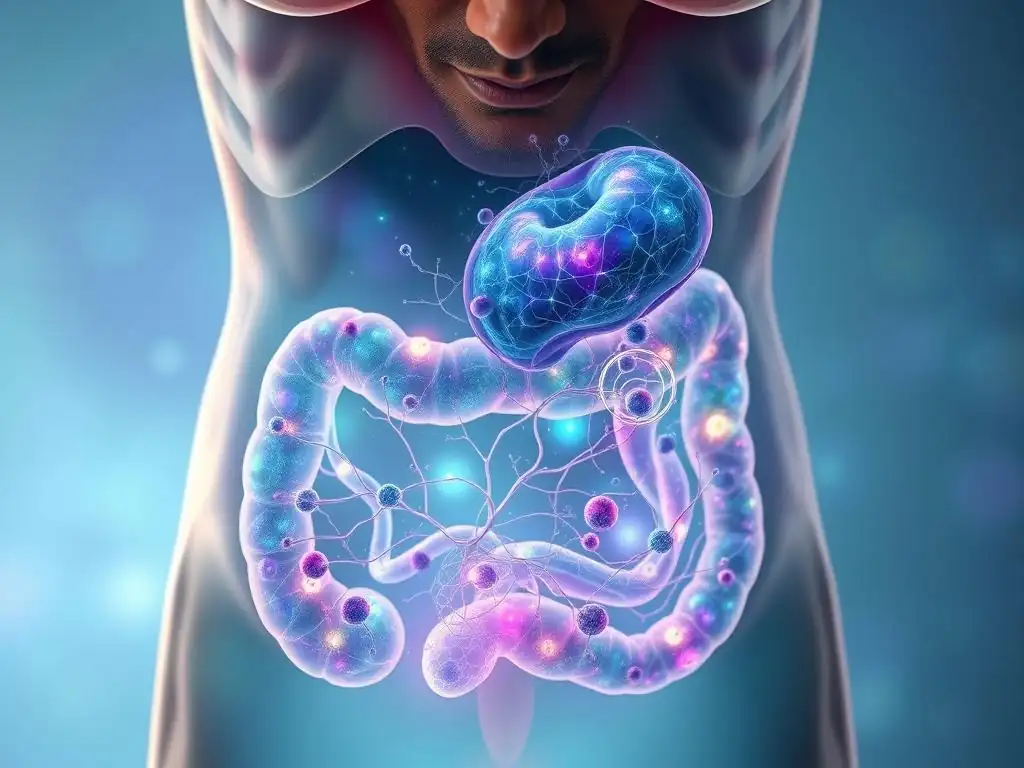
Feeling anxious and struggling to find the root cause? You're not alone. Many are discovering a surprising connection between their gut and their mental state. This article, "Beyond Digestion: The Surprising Link Between Gut Health and Anxiety," delves into the fascinating relationship between your microbiome and your anxiety, offering insights and practical strategies for gut health anxiety symptoms relief. Could the key to calming your mind lie within your gut? Let's explore this vital connection together...
Beyond Digestion: The Surprising Link Between Gut Health and Anxiety
- Introduction: Unveiling the Gut-Brain Axis and Anxiety
- Understanding the Gut-Brain Connection
- Gut Health and Anxiety Symptoms: Exploring the Connection
- Identifying Gut Health Issues That May Contribute to Anxiety
- Diet and Gut Health: A Path to Anxiety Relief
- Lifestyle Changes for Gut Health and Anxiety Relief
- Supplements for Gut Health and Anxiety: What to Consider
- Seeking Professional Help for Gut Health and Anxiety
- Practical Strategies for Managing Gut Health Anxiety Symptoms
- Conclusion: Empowering Yourself Through Gut Health for Lasting Anxiety Relief
-
Frequently Asked Questions
- What is the connection between gut health and anxiety, according to the article?
- Can improving gut health actually help relieve anxiety symptoms?
- What are some specific gut health anxiety symptoms discussed in the article?
- What dietary changes are recommended to improve gut health and potentially reduce anxiety?
- Besides diet, what other strategies are mentioned for improving gut health and alleviating anxiety?
- Final Reflection: Unraveling the Gut-Brain Axis for Lasting Anxiety Relief
- Unlock Your Inner Calm: Nurture Your Gut, Soothe Your Mind
Introduction: Unveiling the Gut-Brain Axis and Anxiety
For centuries, the gut was primarily viewed as a digestive organ, processing food and eliminating waste. However, modern science has unveiled a far more complex picture, revealing a profound and constant dialogue between your gut and your brain. This intricate communication network, known as the gut-brain axis, plays a crucial role not just in digestion but also in regulating mood, emotions, and even mental health. Understanding this connection is vital for anyone seeking comprehensive well-being, especially when dealing with anxiety.
Anxiety is a prevalent mental health challenge affecting millions globally, characterized by excessive worry, nervousness, and fear. While traditional approaches focus on psychological interventions and pharmaceuticals, an emerging perspective highlights the gut's significant influence on anxious feelings. Exploring the gut-brain axis offers a new avenue for addressing anxiety symptoms, suggesting that fostering better gut health could be a powerful component in achieving lasting relief. This article delves into this surprising link, exploring how your gut health directly impacts your mental state and offering strategies for gut health anxiety symptoms relief.
Understanding the Gut-Brain Connection
What is the Gut-Brain Axis? A Two-Way Communication System
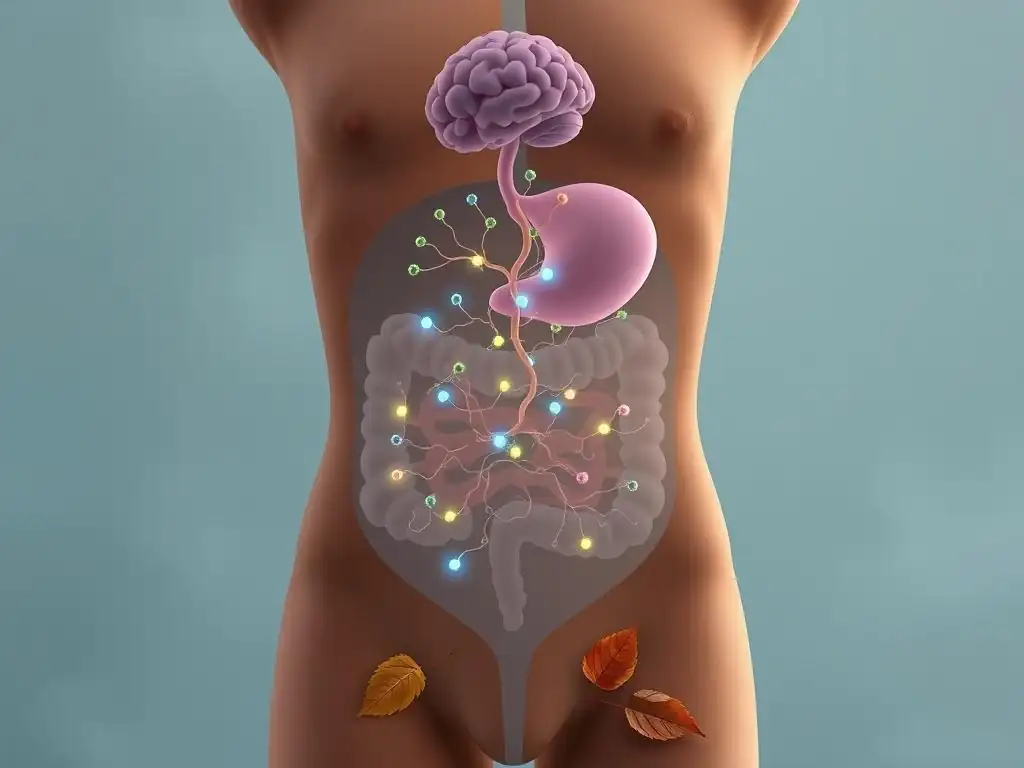
The gut-brain axis is a bidirectional communication pathway linking the central nervous system (CNS), which includes the brain and spinal cord, with the enteric nervous system (ENS), often referred to as the "second brain" located in the gut lining. This connection is not merely theoretical; it involves physical, biochemical, and hormonal signaling pathways.
The vagus nerve, the longest cranial nerve, serves as a major highway, transmitting signals from the gut to the brain and vice versa at rapid speeds. This allows the brain to influence gut function (like motility and secretion) and, critically, allows the gut to send signals that can impact mood, stress responses, and cognitive function.
Beyond the vagus nerve, the gut and brain communicate through a complex interplay of hormones, immune system signals, and neurotransmitters. The gut, particularly through the actions of its vast microbial inhabitants, produces and responds to many of the same signaling molecules used by the brain. For instance, stress hormones released by the brain can alter gut motility and permeability, while substances produced in the gut can cross the blood-brain barrier or stimulate nerves that signal the brain, thereby influencing neural activity and potentially contributing to anxiety symptoms. This constant, dynamic exchange underscores the inseparability of gut and brain health.
The Role of the Microbiome in Mental Health
The human gut is home to trillions of microorganisms, collectively known as the gut microbiome, which includes bacteria, viruses, fungi, and other microbes. While some are harmful, a diverse and balanced community of beneficial microbes is essential for health. This microbial ecosystem is not just passively residing in the gut; it actively participates in digestion, nutrient absorption, immune system regulation, and the production of various compounds, including vitamins and short-chain fatty acids (SCFAs). SCFAs like butyrate, for example, are crucial energy sources for colon cells and have anti-inflammatory properties, potentially influencing brain health.
Crucially, the gut microbiome profoundly influences the gut-brain axis and, consequently, mental health. Gut bacteria can produce neuroactive substances, modulate immune responses that affect the brain, and even influence the development and function of the nervous system. Research suggests that alterations in the composition and diversity of the gut microbiome, a state known as dysbiosis, are associated with various mental health conditions, including anxiety and depression. A healthy, diverse microbiome appears to support a resilient gut-brain axis, contributing to emotional balance and potentially offering a pathway for gut health anxiety symptoms relief.
Neurotransmitters and the Gut: Serotonin, Dopamine, and GABA
Neurotransmitters are chemical messengers that play a vital role in regulating mood, sleep, appetite, and many other bodily functions, including those related to anxiety. While often associated primarily with the brain, a significant proportion of the body's neurotransmitters are produced in the gut.
Serotonin, for example, often called the "feel-good" neurotransmitter, is crucial for mood regulation, but approximately 90% of the body's serotonin is produced in the gut by specialized cells called enterochromaffin cells and influenced by gut bacteria. This gut-derived serotonin affects gut motility and sensation, but it also signals the brain via the vagus nerve and other pathways, impacting mood and potentially contributing to feelings of anxiety or calm.
Other key neurotransmitters like dopamine, involved in motivation and reward, and gamma-aminobutyric acid (GABA), the primary inhibitory neurotransmitter that helps calm nervous activity, are also influenced by or produced in the gut. Certain gut bacteria strains can produce GABA, and its presence in the gut can affect the ENS and signal the brain, potentially mediating anxiety levels.
The gut microbiome's ability to produce or modulate these crucial neurochemicals highlights its direct influence on brain function and emotional states. Imbalances in gut microbial populations can disrupt this delicate production and signaling system, potentially contributing to the development or exacerbation of gut health anxiety symptoms.
Gut Health and Anxiety Symptoms: Exploring the Connection
How Gut Imbalance Can Trigger Anxiety Symptoms
An imbalance in the gut microbiome, or dysbiosis, can disrupt the delicate balance of the gut-brain axis, sending distress signals to the brain that manifest as anxiety. When harmful bacteria outnumber beneficial ones, or diversity is lost, the gut lining can become compromised, leading to increased permeability (often referred to as "leaky gut"). This allows undigested food particles, toxins, and microbial products to enter the bloodstream, triggering a systemic inflammatory response. These inflammatory molecules can travel to the brain, crossing the blood-brain barrier and affecting brain function, including areas involved in mood and anxiety regulation.
Furthermore, gut dysbiosis can alter the production of key neurotransmitters and other signaling molecules. As mentioned, the gut produces a large amount of serotonin; dysbiosis can impact this production, potentially leading to imbalances that affect mood. Gut bacteria also produce metabolites, such as SCFAs, which are generally beneficial, but dysbiosis can lead to the production of less beneficial or even harmful metabolites.
These substances can directly influence the vagus nerve and other signaling pathways, sending signals to the brain that can contribute to heightened stress reactivity and anxiety symptoms. Addressing gut imbalance is a key step towards seeking gut health anxiety symptoms relief.
The Impact of Inflammation on Brain Function and Anxiety
Chronic, low-grade inflammation is increasingly recognized as a significant factor in the development and persistence of various mental health conditions, including anxiety disorders. The gut, with its vast immune system presence (about 70-80% of the body's immune cells reside in the gut), is a major source of this inflammation. When the gut barrier is compromised or the microbiome is imbalanced, the immune system in the gut lining is constantly stimulated, releasing inflammatory cytokines into the bloodstream.
These inflammatory cytokines can travel to the brain, where they can disrupt the function of neurons, alter neurotransmitter metabolism, and impair neurogenesis (the creation of new brain cells). Inflammation in the brain can affect regions like the amygdala (involved in processing fear and anxiety) and the prefrontal cortex (involved in regulating emotions). Studies have shown elevated levels of inflammatory markers in individuals with anxiety. Therefore, reducing inflammation originating in the gut is a critical strategy for managing anxiety symptoms and is a core component of achieving gut health anxiety symptoms relief.
Gut Dysbiosis and Its Link to Anxiety Disorders
Research has consistently found differences in the gut microbiome composition between healthy individuals and those diagnosed with anxiety disorders. While the exact microbial signatures can vary, studies often report reduced diversity and altered ratios of specific bacterial phyla (like Firmicutes and Bacteroidetes) in anxious individuals compared to controls. For instance, some studies have observed a decrease in beneficial bacteria known for producing SCFAs or GABA in individuals with anxiety.
Animal studies further support this link, demonstrating that transferring gut microbiota from anxious animals to germ-free animals can induce anxious behaviors in the recipients. Conversely, introducing beneficial bacteria (probiotics) can have anxiolytic (anxiety-reducing) effects. While human research is more complex, these findings strongly suggest that gut dysbiosis is not merely a symptom of anxiety but can be a contributing factor or even a driver of the condition. Targeting the gut microbiome through dietary changes, probiotics, and lifestyle interventions offers a promising avenue for managing and potentially alleviating gut health anxiety symptoms.
Identifying Gut Health Issues That May Contribute to Anxiety
Common Gut Problems Associated with Anxiety
Many individuals experiencing chronic anxiety also struggle with various digestive issues. This overlap is not coincidental but rather reflects the deep connection between the gut and the brain. While anxiety can certainly worsen digestive symptoms, underlying gut problems can also trigger or exacerbate anxiety through the mechanisms of the gut-brain axis discussed earlier, including inflammation, altered neurotransmitter signaling, and increased gut permeability. Recognizing these common gut conditions is an important step in identifying potential root causes for persistent anxiety and finding effective gut health anxiety symptoms relief.
Some of the most frequently observed gut conditions linked to anxiety include Irritable Bowel Syndrome (IBS), often characterized by abdominal pain, bloating, and changes in bowel habits. Leaky Gut Syndrome, a term referring to increased intestinal permeability, is another condition proposed to contribute to systemic inflammation and anxiety. Small Intestinal Bacterial Overgrowth (SIBO), an excess of bacteria in the small intestine, is also increasingly recognized for its potential links to both digestive distress and mood disorders. Understanding these specific conditions helps tailor approaches for managing both gut health and anxiety.
Irritable Bowel Syndrome (IBS) and Anxiety
IBS is a functional gastrointestinal disorder affecting a significant portion of the population, estimated to be around 10-15% worldwide. It is strongly associated with psychological distress, with anxiety and depression being significantly more prevalent in individuals with IBS compared to the general population. Some estimates suggest that 50-90% of individuals with IBS also experience a mood disorder, with anxiety being particularly common. This bidirectional relationship means that stress and anxiety can trigger or worsen IBS symptoms, while the chronic pain and discomfort of IBS can significantly contribute to or intensify anxiety.
The mechanisms linking IBS and anxiety are multifaceted and involve the gut-brain axis. Individuals with IBS often exhibit heightened visceral sensitivity, meaning they perceive normal gut sensations as painful. This altered pain processing is influenced by signaling along the gut-brain axis. Additionally, studies have shown that people with IBS frequently have gut dysbiosis, increased gut permeability, and low-grade inflammation, all of which can send signals to the brain that promote anxiety. Addressing both the psychological aspects and the underlying gut dysbiosis and inflammation is crucial for effective gut health anxiety symptoms relief in individuals with IBS.
Leaky Gut Syndrome and Its Effects on Mental Wellbeing
"Leaky Gut Syndrome," or increased intestinal permeability, describes a condition where the tight junctions between the cells lining the intestinal wall become looser than normal. This allows substances that would ordinarily be contained within the gut lumen, such as bacteria, toxins (like LPS - lipopolysaccharide), and undigested food particles, to pass into the bloodstream. While the medical community's view on "Leaky Gut Syndrome" as a standalone diagnosis is debated, the concept of increased intestinal permeability is well-established and known to occur in various conditions, including inflammatory bowel disease and likely IBS and SIBO.
When these foreign substances enter the circulation, they can trigger a systemic immune response and inflammation. As discussed earlier, inflammation can travel to the brain and disrupt its function, impacting mood, cognition, and stress reactivity. The release of inflammatory cytokines can directly influence neural pathways involved in anxiety. Therefore, repairing the gut barrier and reducing intestinal permeability is considered a potential strategy to decrease systemic inflammation and alleviate associated gut health anxiety symptoms.
Small Intestinal Bacterial Overgrowth (SIBO) and Anxiety
SIBO is characterized by an excessive amount of bacteria in the small intestine, a part of the digestive tract that should typically contain relatively few microbes compared to the large intestine. This overgrowth, often stemming from issues with gut motility, structural abnormalities, or other underlying conditions, can lead to fermentation of carbohydrates in the small intestine, producing gases like hydrogen and methane. Symptoms commonly include bloating, gas, abdominal pain, diarrhea, or constipation.
The link between SIBO and anxiety is gaining recognition. The excessive bacteria in the small intestine can metabolize nutrients before the host can absorb them and produce metabolites that might be absorbed into the bloodstream. The gas production itself can cause physical discomfort and stress, but the bacteria can also influence the gut-brain axis.
Some SIBO-associated bacteria may produce substances that irritate the gut lining, increase permeability, or interfere with neurotransmitter signaling. Studies show a high overlap between IBS and SIBO, and given the strong link between IBS and anxiety, SIBO is also being explored as a potential contributor to gut health anxiety symptoms in susceptible individuals.
Diet and Gut Health: A Path to Anxiety Relief
The Importance of a Gut-Friendly Diet
Diet is perhaps the most significant factor influencing the composition and function of the gut microbiome. What you eat directly feeds the bacteria residing in your gut, either promoting the growth of beneficial microbes or favoring those that can contribute to dysbiosis and inflammation. A diet rich in diverse plant fibers and fermented foods tends to foster a diverse and healthy microbiome, while a diet high in processed foods, sugar, and unhealthy fats can lead to imbalances that negatively impact the gut-brain axis.
Adopting a gut-friendly diet is a foundational step towards improving overall gut health, reducing inflammation, and positively influencing the gut-brain connection. By consciously choosing foods that nourish beneficial bacteria and avoiding those that harm them, you can help restore microbial balance, reduce intestinal permeability, and decrease systemic inflammation. This dietary approach is a powerful, non-pharmacological strategy for managing and potentially achieving gut health anxiety symptoms relief.
Foods to Include for Improved Gut Health and Reduced Anxiety
Focusing on nutrient-dense, whole foods is key to supporting a healthy gut microbiome and calming the nervous system. Prioritizing a variety of plant-based foods provides the diverse fibers that beneficial gut bacteria thrive on. Including sources of probiotics and prebiotics directly supports the microbial ecosystem, while incorporating anti-inflammatory foods helps reduce the systemic inflammation that can contribute to anxiety. Building meals around these food groups can create a powerful synergy for both digestive and mental well-being.
Specific categories of foods have been shown to have significant benefits for gut health and, consequently, may help reduce anxiety symptoms. These include foods rich in live and active cultures (probiotics), foods high in specific types of fiber that feed beneficial bacteria (prebiotics), and foods packed with compounds that combat inflammation throughout the body. Making conscious choices to incorporate these into your daily meals can have a tangible positive impact on your gut health anxiety symptoms.
Probiotic-Rich Foods: Yogurt, Kefir, and Sauerkraut
Probiotics are live microorganisms, typically bacteria or yeasts, that, when consumed in adequate amounts, confer a health benefit to the host. Eating foods naturally containing probiotics or fortified with them can introduce beneficial bacteria into your gut, helping to increase microbial diversity and potentially counteract dysbiosis. Fermented foods are excellent natural sources of probiotics.
Examples of probiotic-rich foods include yogurt with live and active cultures, kefir (a fermented milk drink), sauerkraut (fermented cabbage), kimchi (Korean fermented vegetables), tempeh (fermented soybeans), and miso (fermented soybean paste). When choosing these foods, look for labels that indicate "live and active cultures." While the specific strains and their effects can vary, regularly consuming a variety of these foods can help populate your gut with friendly bacteria, supporting a healthier gut-brain axis and potentially contributing to gut health anxiety symptoms relief.
Prebiotic-Rich Foods: Fiber and Resistant Starch
Prebiotics are non-digestible fibers and compounds that selectively feed beneficial bacteria already present in your gut. Think of them as fertilizer for your healthy gut microbes. While all fiber is important for digestion, prebiotics are specific types that reach the large intestine undigested, where they are fermented by beneficial bacteria, producing beneficial metabolites like short-chain fatty acids (SCFAs).
Excellent sources of prebiotics include garlic, onions, leeks, asparagus, bananas (especially slightly green ones), oats, apples, flaxseeds, and chicory root. Resistant starch, found in cooked and cooled potatoes or rice, and legumes like beans and lentils, is another type of prebiotic fiber. Consuming a variety of these foods ensures you are providing the necessary fuel for your beneficial gut bacteria to thrive, which in turn supports a healthy gut lining, reduces inflammation, and positively influences the gut-brain axis, aiding in the management of gut health anxiety symptoms.
Anti-Inflammatory Foods: Omega-3 Fatty Acids and Antioxidants
Chronic inflammation, often stemming from gut imbalance, is a key contributor to anxiety. Therefore, incorporating foods with strong anti-inflammatory properties is vital for supporting both gut health and mental well-being. Omega-3 fatty acids are renowned for their potent anti-inflammatory effects throughout the body, including the brain.
Good sources of Omega-3s include fatty fish like salmon, mackerel, and sardines, as well as flaxseeds, chia seeds, and walnuts. Antioxidants, found in abundance in colorful fruits and vegetables, help protect cells from damage and reduce inflammation. Berries, leafy greens (like spinach and kale), turmeric, ginger, and green tea are excellent sources of antioxidants. By reducing systemic inflammation through diet, you can help calm the gut-brain axis and potentially lessen the intensity of gut health anxiety symptoms.
Foods to Avoid That Can Worsen Gut Health and Anxiety
Just as certain foods support gut health, others can disrupt it, promoting dysbiosis and inflammation. Identifying and reducing or eliminating these foods is equally important for improving the gut-brain connection and seeking anxiety relief. These foods often lack fiber, are high in unhealthy fats and sugars, and can feed less beneficial bacteria or directly irritate the gut lining.
Avoiding or minimizing consumption of these detrimental foods can help reduce inflammation, improve gut barrier function, and rebalance the microbiome. This proactive dietary change is a crucial component of a strategy aimed at achieving comprehensive gut health anxiety symptoms relief.
Processed Foods and Added Sugars
Highly processed foods are often low in fiber and nutrients but high in unhealthy fats, salt, and added sugars. These foods can negatively impact the gut microbiome by feeding sugar-loving, potentially harmful bacteria while starving beneficial fiber-loving microbes. A diet high in processed foods is associated with reduced microbial diversity and increased gut permeability.
Added sugars, in particular, can fuel the growth of certain bacteria and yeasts (like Candida) that may contribute to dysbiosis and inflammation. High sugar intake can also lead to blood sugar fluctuations, which can impact mood and stress levels. Reducing processed foods and minimizing added sugars helps create a more favorable environment for beneficial gut bacteria, contributing to a healthier gut-brain axis and potentially reducing gut health anxiety symptoms.
Artificial Sweeteners and Gut Health
While often marketed as a healthy alternative to sugar, some artificial sweeteners have been shown to have negative effects on the gut microbiome. Research suggests that certain artificial sweeteners, such as sucralose and saccharin, can alter the composition and function of gut bacteria, potentially leading to dysbiosis.
The mechanisms are still being studied, but it's believed that some artificial sweeteners are not fully absorbed in the small intestine and reach the large intestine, where they can be fermented by bacteria in ways that differ from natural sugars or fibers. This fermentation can produce different metabolites and potentially shift the balance of microbial populations. While more research is needed, individuals seeking to optimize gut health for anxiety relief may consider minimizing their intake of artificial sweeteners.
Excessive Alcohol Consumption and Its Impact on Gut Health
Excessive alcohol consumption can significantly harm gut health in multiple ways. Alcohol can directly irritate the gut lining, increasing intestinal permeability and contributing to a "leaky gut." It can also alter gut motility and secretion, disrupting the digestive process. Furthermore, alcohol has a profound impact on the gut microbiome, reducing the diversity of beneficial bacteria and promoting the growth of less desirable microbes.
Chronic alcohol use is associated with increased inflammation in the gut and throughout the body. This gut-derived inflammation can signal the brain and contribute to anxiety symptoms. While moderate alcohol consumption might have minimal effects for some, excessive or regular heavy drinking clearly impairs gut health and can exacerbate gut health anxiety symptoms. Reducing alcohol intake is often a necessary step for improving gut health and seeking relief from anxiety.
Lifestyle Changes for Gut Health and Anxiety Relief
Beyond diet, various lifestyle factors significantly influence both gut health and mental well-being. Integrating healthy habits into your daily routine can create a synergistic effect, supporting a resilient gut-brain axis and providing additional pathways for gut health anxiety symptoms relief. These practices address stress, physical activity, and sleep, all of which are deeply interconnected with digestive and mental health.
Making conscious choices about how you manage stress, how much you move your body, and the quality of your sleep can profoundly impact the health of your gut microbiome and the signaling along the gut-brain axis. Implementing these lifestyle changes alongside dietary modifications offers a comprehensive approach to fostering a healthier gut and a calmer mind.
Stress Management Techniques for Gut Health
The gut-brain axis is highly responsive to stress. When you experience stress, your brain sends signals to your gut that can alter motility, increase permeability, and even change the composition of your gut microbiome. Chronic stress is a known contributor to gut issues like IBS and can exacerbate dysbiosis, creating a vicious cycle where stress harms the gut, and the unhealthy gut sends signals back to the brain that increase anxiety.
Practicing stress management techniques is therefore crucial for both mental health and gut health. Techniques like mindfulness meditation, deep breathing exercises, yoga, spending time in nature, and engaging in hobbies can activate the parasympathetic nervous system, often called the "rest and digest" system. This counteracts the stress response, calming gut activity, reducing inflammation, and supporting a healthier gut environment, which can in turn lessen gut health anxiety symptoms.
The Role of Exercise in Gut Health and Mental Wellbeing
Regular physical activity is not only beneficial for cardiovascular health and mood but also has a positive impact on the gut microbiome. Studies have shown that exercise can increase the diversity and richness of gut bacteria, promoting the growth of beneficial species. Exercise may also improve gut motility, helping to prevent constipation and reduce the time potentially harmful substances linger in the gut.
Furthermore, exercise has well-documented effects on reducing anxiety and improving mood, partly through the release of endorphins and the reduction of stress hormones. By improving gut health and directly influencing brain chemistry, exercise serves as a dual-action strategy for managing anxiety. Aim for regular, moderate-intensity exercise as part of a holistic approach to support both your gut and your mental health, contributing to gut health anxiety symptoms relief.
Sleep Hygiene and Its Impact on the Gut-Brain Axis
Sleep is essential for overall health, and disruptions in sleep patterns can negatively affect both gut health and mental well-being. The gut microbiome exhibits a circadian rhythm, with the activity and composition of microbes fluctuating throughout the day and night. Poor sleep can disrupt this rhythm, potentially leading to dysbiosis.
Conversely, gut health can also influence sleep. The gut microbiome produces metabolites that can affect sleep-wake cycles. Chronic sleep deprivation or irregular sleep schedules can increase stress hormones, promote inflammation, and disrupt gut barrier function, all of which can exacerbate anxiety. Prioritizing consistent, quality sleep (aiming for 7-9 hours per night for most adults) supports the natural rhythms of the gut-brain axis, contributing to a more balanced microbiome and potentially reducing gut health anxiety symptoms.
Supplements for Gut Health and Anxiety: What to Consider
While diet and lifestyle are foundational, certain supplements may offer additional support for improving gut health and managing anxiety symptoms. However, it's crucial to approach supplementation thoughtfully and ideally under the guidance of a healthcare professional, as individual needs vary. Supplements should be viewed as complementary tools, not replacements for healthy diet and lifestyle practices, when seeking gut health anxiety symptoms relief.
Various supplements target different aspects of gut health, from introducing beneficial bacteria to supporting the gut lining or reducing inflammation. Understanding the potential benefits and considerations for each type can help you make informed choices about whether they might be appropriate for your specific situation in your journey towards better gut health anxiety symptoms relief.
Probiotics for Anxiety: Choosing the Right Strain
Probiotic supplements contain live beneficial bacteria intended to supplement the gut microbiome. While many probiotics offer general digestive support, research into specific strains for mental health benefits, including anxiety, is growing. Not all probiotic strains have the same effects, and the term "psychobiotics" is sometimes used to refer to probiotics that may have a positive impact on mental health via the gut-brain axis.
Some strains that have shown promise in preliminary studies related to mood and anxiety include Lactobacillus helveticus R0052 and Bifidobacterium longum R0175 (often studied in combination), as well as certain strains of Lactobacillus rhamnosus and Bifidobacterium breve. When considering a probiotic for anxiety, look for products that contain specific, well-researched strains and ensure the product guarantees the viability of the bacteria until the expiration date. Dosage and duration can vary, so consulting a healthcare provider knowledgeable in gut-brain health is recommended.
Prebiotics: Fueling Beneficial Gut Bacteria
Prebiotic supplements typically contain concentrated forms of the non-digestible fibers that feed beneficial gut bacteria. Common prebiotic fibers found in supplements include inulin, fructooligosaccharides (FOS), galactooligosaccharides (GOS), and partially hydrolyzed guar gum (PHGG). Unlike probiotics, which introduce new bacteria, prebiotics work by nourishing the beneficial microbes already present in your gut, helping them to grow and produce beneficial metabolites like SCFAs.
Prebiotic supplements can be particularly helpful if your diet is low in prebiotic-rich foods. By promoting the growth of beneficial bacteria, prebiotics can help improve microbial balance, support gut barrier function, and reduce inflammation, potentially contributing to a healthier gut-brain axis and aiding in gut health anxiety symptoms relief. Start with a low dose to avoid potential gas and bloating, gradually increasing as tolerated.
L-Glutamine: Supporting Gut Lining Integrity
L-Glutamine is an amino acid that serves as a primary fuel source for the cells lining the small intestine (enterocytes). It plays a critical role in maintaining the integrity of the gut barrier, helping to keep the tight junctions between intestinal cells sealed. When the gut lining is compromised, as in cases of increased intestinal permeability ("leaky gut"), L-Glutamine is often recommended to help support repair and regeneration of the intestinal wall.
By strengthening the gut barrier, L-Glutamine can help prevent the passage of inflammatory substances from the gut into the bloodstream, thereby reducing systemic inflammation. Given the link between inflammation and anxiety, supporting gut lining integrity with L-Glutamine may indirectly contribute to reducing gut health anxiety symptoms, particularly in individuals with identified gut permeability issues.
Omega-3 Fatty Acids: Reducing Inflammation and Supporting Brain Health
Omega-3 fatty acids, particularly EPA (eicosapentaenoic acid) and DHA (docosahexaenoic acid), are well-known for their potent anti-inflammatory properties. While they don't directly affect the gut microbiome in the same way as probiotics or prebiotics, by reducing systemic inflammation, they can positively impact the gut-brain axis and brain function.
Chronic inflammation is implicated in both gut dysfunction and anxiety. Supplementing with high-quality omega-3 fatty acids can help lower inflammatory markers throughout the body, including those that can affect the brain. Omega-3s are also crucial components of brain cell membranes and play a role in neurotransmitter function. Reducing inflammation with omega-3s can support a calmer state within the gut-brain axis, offering another avenue for managing gut health anxiety symptoms. Look for supplements derived from fish oil or algae, ensuring they are tested for purity.
Seeking Professional Help for Gut Health and Anxiety
Navigating the complex interplay between gut health and anxiety can be challenging on your own. While dietary and lifestyle changes are powerful tools, professional guidance is often necessary to identify underlying issues, create a personalized plan, and ensure safe and effective treatment. Collaborating with healthcare professionals who understand the gut-brain connection is key to achieving meaningful gut health anxiety symptoms relief.
A holistic approach that considers both the physical and psychological aspects of your health is often the most effective. This might involve different types of practitioners working together to address the root causes of your gut health issues and develop comprehensive strategies for managing anxiety.
When to Consult a Doctor or Gastroenterologist
If you are experiencing persistent digestive symptoms such as chronic bloating, pain, changes in bowel habits (diarrhea or constipation), unexplained weight loss, or blood in your stool, it is essential to consult a medical doctor or a gastroenterologist. These symptoms could indicate underlying medical conditions that require diagnosis and treatment, such as Inflammatory Bowel Disease (IBD), Celiac Disease, or infections, which can also contribute to anxiety.
Even if your symptoms are less severe but persistent and you suspect a link to your anxiety, discussing this with your doctor is important. They can rule out serious conditions, order tests (like stool tests or breath tests for SIBO), and provide initial guidance. A gastroenterologist has specialized knowledge in digestive disorders and can offer targeted diagnostic and treatment strategies for gut issues that may be contributing to your gut health anxiety symptoms.
Working with a Registered Dietitian for Gut Health
A registered dietitian (RD) or registered dietitian nutritionist (RDN) specializing in gut health or functional nutrition can be an invaluable resource. While you can make general dietary changes based on recommendations for gut health, a dietitian can assess your specific dietary habits, identify potential triggers, and create a personalized eating plan tailored to your unique needs and any diagnosed gut conditions (like IBS or SIBO).
A dietitian can help you implement an elimination diet if necessary to identify food sensitivities, guide you on incorporating prebiotic and probiotic-rich foods effectively, and advise on appropriate supplementation. They can also help you navigate complex diets like the low-FODMAP diet, often used for IBS, while ensuring you maintain adequate nutrition. Their expertise can help you optimize your diet for gut health, which is a cornerstone of achieving gut health anxiety symptoms relief.
The Importance of a Holistic Approach to Anxiety Treatment
Given the bidirectional nature of the gut-brain axis, addressing anxiety effectively often requires a holistic approach that simultaneously targets both the gut and the mind. Focusing solely on psychological interventions might overlook physical contributors from the gut, while only treating gut symptoms might not fully resolve anxiety if stress or other psychological factors are also at play.
Working with a team of healthcare professionals, which might include a doctor, a gastroenterologist, a registered dietitian, and a mental health professional (like a therapist or psychologist), allows for a comprehensive treatment plan. This integrated approach ensures that both the physiological aspects of gut health and the psychological aspects of anxiety are addressed, leading to more sustainable and effective gut health anxiety symptoms relief. Cognitive Behavioral Therapy (CBT) or other therapeutic modalities can help manage the anxiety itself, while gut-focused interventions address the potential physical triggers.
Practical Strategies for Managing Gut Health Anxiety Symptoms
Taking proactive steps in your daily life can significantly help manage anxiety symptoms that may be linked to your gut health. These strategies involve paying close attention to your body's signals, making mindful choices around food, and utilizing therapeutic techniques that address the connection between your thoughts, feelings, and physical sensations. Implementing these practical tools empowers you to take control of your well-being and work towards gut health anxiety symptoms relief.
These strategies encourage self-awareness and provide concrete actions you can integrate into your routine. They complement dietary changes and professional guidance by helping you understand your personal triggers and develop coping mechanisms that directly impact the gut-brain axis.
Tracking Your Diet and Symptoms: Food Journaling
Keeping a detailed food and symptom journal is a simple yet powerful tool for identifying potential connections between what you eat and how you feel, both physically (digestive symptoms) and mentally (anxiety levels). Record everything you eat and drink, noting the time. Alongside this, track your digestive symptoms (bloating, pain, bowel changes) and your anxiety levels or mood throughout the day.
Over time, reviewing your journal can reveal patterns that might not be obvious otherwise. You might notice that certain foods consistently precede an increase in bloating or a spike in anxiety. This information is invaluable for identifying personal trigger foods and making informed dietary adjustments. Sharing this journal with a dietitian or doctor can also provide them with crucial insights for guiding your treatment plan for gut health anxiety symptoms relief.
Mindful Eating for Improved Digestion and Anxiety Reduction
Mindful eating involves paying full attention to the experience of eating – noticing the colors, smells, textures, and tastes of your food, and being aware of your body's hunger and fullness cues. Beyond simply enjoying your meal more, mindful eating practices can significantly benefit digestion and reduce anxiety related to food or gut symptoms.
When you eat mindfully, you are typically more relaxed, which activates the parasympathetic nervous system ("rest and digest"), optimizing digestive function. Eating slowly and chewing thoroughly can also improve nutrient absorption and reduce digestive discomfort like bloating. By focusing on the present moment of eating rather than worrying about potential symptoms or other stressors, mindful eating can help break the cycle of anxiety triggering gut distress and vice versa, contributing to gut health anxiety symptoms relief.
Cognitive Behavioral Therapy (CBT) is a type of psychotherapy that helps individuals identify and challenge negative thought patterns and behaviors that contribute to anxiety. When anxiety is linked to gut health issues, individuals may develop fears around eating certain foods, worry excessively about symptoms, or avoid social situations due to digestive concerns.
CBT can provide tools to manage the anxiety specifically related to these gut issues. Techniques might include challenging catastrophic thinking about symptoms, developing coping strategies for managing discomfort, and gradually reintroducing feared foods or situations. By addressing the psychological component of the gut-brain axis, CBT can help reduce the anxiety that might be exacerbating gut symptoms, creating a positive feedback loop that supports overall gut health anxiety symptoms relief.
Conclusion: Empowering Yourself Through Gut Health for Lasting Anxiety Relief
The growing understanding of the gut-brain axis has revolutionized our perspective on mental health, revealing that the state of our digestive system is intrinsically linked to our emotional well-being. Anxiety, often viewed solely as a psychological condition, is now recognized as potentially having significant roots in gut health. From the trillions of microbes residing within us to the complex signaling pathways connecting gut and brain, the evidence points to a profound influence of the gut on our anxiety levels.
Empowering yourself with knowledge about this connection opens up new avenues for achieving lasting gut health anxiety symptoms relief. By focusing on nurturing a healthy gut through conscious dietary choices, adopting beneficial lifestyle habits, exploring targeted supplementation when appropriate, and seeking professional guidance, you can positively influence your gut-brain axis.
Taking a holistic and proactive approach to your gut health is not just about better digestion; it's a powerful strategy for cultivating resilience, calming your nervous system, and fostering a greater sense of well-being. Your journey towards reduced anxiety can begin, or be significantly enhanced, by paying attention to the health of your gut.
Frequently Asked Questions
What is the connection between gut health and anxiety, according to the article?
The article highlights a strong connection between the gut and the brain via the gut-brain axis. Imbalances in gut bacteria can trigger inflammatory responses and impact neurotransmitter production, directly affecting anxiety levels. This connection influences both physical and mental well-being.
Can improving gut health actually help relieve anxiety symptoms?
Yes, the article suggests that improving gut health through dietary changes, probiotics, and stress management can indeed contribute to anxiety symptoms relief. A healthy gut can lead to better neurotransmitter balance, potentially reducing anxiety.
What are some specific gut health anxiety symptoms discussed in the article?
The article likely explores how gut issues can manifest as anxiety symptoms, such as increased worry, nervousness, digestive discomfort linked to anxiety, and potentially even panic attacks. It emphasizes that these symptoms may be directly linked to gut imbalances.
What dietary changes are recommended to improve gut health and potentially reduce anxiety?
The article probably recommends incorporating a diet rich in fiber, prebiotics, and probiotics. This might include fruits, vegetables, fermented foods (like yogurt or sauerkraut), and limiting processed foods and sugars. These changes aim to promote a healthy gut microbiome.
Besides diet, what other strategies are mentioned for improving gut health and alleviating anxiety?
Beyond diet, the article likely suggests stress management techniques such as mindfulness, exercise, and adequate sleep. These strategies can positively influence the gut-brain axis and reduce anxiety. Additionally, probiotic supplementation might be suggested.
Final Reflection: Unraveling the Gut-Brain Axis for Lasting Anxiety Relief
The intricate connection between gut health and anxiety is no longer a niche concept; it's a vital understanding for anyone seeking holistic well-being. Ignoring this powerful link means missing a significant opportunity for effective and lasting anxiety relief. The research presented clearly demonstrates that addressing gut imbalances can significantly impact mental health, offering a pathway to a calmer, more resilient self.
The journey of exploring this gut-brain axis has been profoundly impactful, highlighting the interconnectedness of our physical and mental states. It's a reminder that we are not simply collections of independent systems, but rather a complex ecosystem where every part plays a crucial role. The gut is the second brain,
a phrase often used, underscores the profound influence our digestive system has on our emotional landscape. This understanding shifts the narrative from simply treating symptoms to addressing the root causes of anxiety, fostering a more comprehensive and sustainable approach to mental wellness.
Now, consider your own relationship with your gut health. Are you nourishing it with the care and attention it deserves? This article isn't just a collection of facts; it's an invitation to embark on a journey of self-discovery. Take the time to listen to your body, to understand the signals it's sending, and to make conscious choices that support both your physical and mental well-being. Start small, perhaps by incorporating more fiber into your diet or exploring probiotic supplements. The path to lasting anxiety relief begins with a commitment to understanding and nurturing the incredible power within your gut.
Unlock Your Inner Calm: Nurture Your Gut, Soothe Your Mind
Thank you for taking the time to explore the fascinating connection between gut health and anxiety! We hope you gained valuable insights into how nurturing your gut can positively impact your mental well-being. Now it's time to put that knowledge into action.
- Prioritize prebiotics and probiotics: Start incorporating more fiber-rich foods and probiotic-rich yogurt or supplements into your daily diet. This is the key step to improving your gut microbiome and potentially reducing anxiety symptoms.
- Share your experience: Tell us – what's one surprising thing you learned about gut health today? Share your thoughts in the comments below! Let's build a supportive community of mindful individuals focused on holistic well-being.
- Track your progress: Keep a food diary for a week and note any changes in your anxiety levels alongside changes in your diet. This simple step can reveal surprising patterns and motivate you to continue your journey to better gut and mental health.
Are you ready to embark on this transformative journey towards a calmer, healthier you, starting with your gut?