
The Future of Mental Health Treatment? Targeting the Gut Microbiome

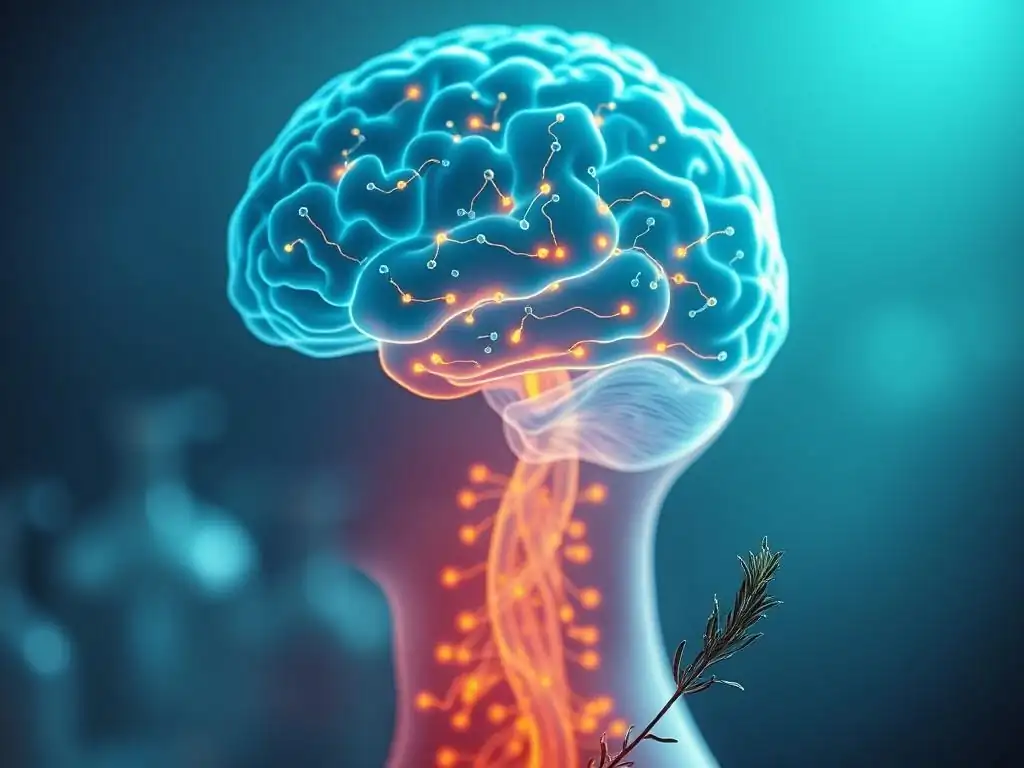
Welcome to Mind Care Guide, a supportive space dedicated to nurturing your mental well-being. Ever wondered if the key to a healthier mind might lie within your gut? Dive into our exploration of Gut Microbiome Mental Health Treatment and discover the fascinating connection between your gut and your brain. Could this be the future of mental health care? Let's unravel the science together and explore promising new avenues for healing.
- The Gut-Brain Axis: A New Frontier in Mental Health Treatment
- Understanding the Gut-Brain Axis and Mental Health
- Gut Microbiome Mental Health Treatment: A New Frontier
- Current Research on the Gut Microbiome and Specific Mental Health Conditions
- Probiotics and Prebiotics: Tools for Improving Gut Health and Mental Well-being
- Dietary Interventions for Gut-Brain Health: A Holistic Approach
- Challenges and Future Directions in Gut Microbiome Mental Health Treatment
- The Future of Mental Healthcare: Integrating Gut Health Strategies
- Optimizing Your Gut Microbiome for Mental Wellness: Practical Steps
-
Frequently Asked Questions
- How is the gut microbiome connected to mental health?
- What is "Gut Microbiome Mental Health Treatment" referring to?
- What types of mental health conditions might benefit from targeting the gut microbiome?
- Are there any specific dietary changes that can improve the gut microbiome and, in turn, mental health?
- What are the potential risks or side effects of gut microbiome-based mental health treatments?
- Final Reflection: Rethinking the Mind-Gut Connection
- Unlock Your Gut-Brain Connection: Take Charge of Your Mental Wellbeing
The Gut-Brain Axis: A New Frontier in Mental Health Treatment
The intricate relationship between the gut and the brain, often referred to as the gut-brain axis, is rapidly emerging as a critical area of focus in mental health research. This bidirectional communication system involves complex interactions between the central nervous system, the enteric nervous system (the "brain" of the gut), the immune system, and the trillions of microorganisms residing in the digestive tract – the gut microbiome.
For decades, the connection between physical health, particularly gut health, and mental state has been observed, but only recently has the scientific community begun to unravel the precise mechanisms at play. As our understanding deepens, the potential for novel approaches to gut microbiome mental health treatment becomes increasingly apparent, offering hope for individuals struggling with various psychological challenges.
This burgeoning field suggests that optimizing the composition and function of the gut microbiome could offer therapeutic avenues beyond traditional pharmacological and psychotherapeutic interventions. Researchers are investigating how imbalances in gut bacteria might contribute to the development and severity of conditions like anxiety, depression, and even neurodevelopmental disorders. The prospect of targeting the gut microbiome for mental health treatment represents a significant paradigm shift, moving towards a more holistic understanding of mental wellness that encompasses the body's complex internal ecosystem.
Understanding the Gut-Brain Axis and Mental Health
The Intricate Connection Between the Gut Microbiome and the Brain
The gut microbiome, a vast and diverse community primarily composed of bacteria, fungi, viruses, and other microbes, plays a far greater role than merely aiding digestion. It acts as a critical interface between the external environment (through food intake) and the internal state of the body.
This microbial community communicates with the brain through multiple pathways, including the vagus nerve, the immune system, and the production of various metabolites and neurotransmitters. For instance, the gut contains a vast network of neurons, approximately 100 million, forming the enteric nervous system, which can operate somewhat independently but is in constant dialogue with the central nervous system via the vagus nerve.
Furthermore, gut bacteria can influence the immune system, with a significant portion of the body's immune cells residing in the gut-associated lymphoid tissue (GALT). Chronic low-grade inflammation, often linked to an imbalanced gut microbiome, has been implicated in several mental health conditions.
Gut microbes also produce a wide array of neuroactive compounds, such as short-chain fatty acids (SCFAs) like butyrate, propionate, and acetate, which can cross the blood-brain barrier or influence brain function indirectly. Dysbiosis, an imbalance in the gut microbiome composition, can disrupt these communication pathways, potentially contributing to neuroinflammation and altering brain chemistry, thereby impacting mood, cognition, and behavior.
How the Gut Microbiome Influences Mood and Behavior
The influence of the gut microbiome on mood and behavior is multifaceted and involves the pathways described above. One significant mechanism is the microbial production of neurotransmitters or their precursors. For example, it's estimated that around 90% of the body's serotonin, a key neurotransmitter associated with mood regulation, is produced in the gut, primarily by enterochromaffin cells, but influenced by gut microbes. Gut bacteria also produce gamma-aminobutyric acid (GABA), an inhibitory neurotransmitter that helps regulate anxiety. Disruptions in the microbial community can alter the production or availability of these crucial compounds.
Beyond neurotransmitters, the gut microbiome impacts the stress response system, specifically the hypothalamic-pituitary-adrenal (HPA) axis. Studies in both animal models and humans have shown that germ-free animals (born without a microbiome) exhibit exaggerated stress responses and altered HPA axis activity. Conversely, colonization with certain bacteria can normalize these responses.
The metabolites produced by bacteria, such as SCFAs, can also influence brain function directly or indirectly. Butyrate, for instance, is a primary energy source for colonocytes but also has epigenetic effects and can influence brain health. The cumulative effect of these microbial activities suggests that a healthy, diverse gut microbiome is essential for maintaining optimal brain function and emotional resilience, underscoring the potential of gut microbiome mental health treatment strategies.
Gut Microbiome Mental Health Treatment: A New Frontier
Exploring the Potential of Microbiome-Based Therapies for Mental Illness
Microbiome-based therapies represent a promising new frontier in the treatment of mental illness. These approaches aim to restore balance and diversity to the gut microbial community or introduce specific microbes known to have beneficial effects on the gut-brain axis.
The primary strategies currently being explored include the use of probiotics (live beneficial bacteria), prebiotics (non-digestible fibers that feed beneficial bacteria), synbiotics (a combination of probiotics and prebiotics), postbiotics (beneficial metabolites produced by bacteria), and even Fecal Microbiota Transplantation (FMT). The rationale behind these interventions is that by modulating the gut environment, it may be possible to positively influence brain function, reduce neuroinflammation, and alter neurotransmitter profiles, thereby alleviating mental health symptoms.
While still in relatively early stages of clinical research for mental health conditions, studies are showing encouraging results. For example, certain probiotic strains have been investigated for their potential to reduce symptoms of anxiety and depression. Prebiotic interventions, by selectively stimulating the growth of beneficial bacteria like Bifidobacteria and Lactobacilli, may improve gut barrier function and reduce inflammatory markers, which could indirectly benefit mental health. The development of targeted microbiome mental health treatment requires a deeper understanding of which specific microbes or microbial functions are most relevant to different conditions.
The Role of Gut Bacteria in Neurotransmitter Production and Mental Well-being
The ability of gut bacteria to directly or indirectly influence neurotransmitter levels is a cornerstone of the gut-brain connection and a key target for gut microbiome mental health treatment. As mentioned, gut microbes contribute significantly to the body's pool of serotonin, influencing not only mood but also gut motility. They also produce GABA, the primary inhibitory neurotransmitter, which plays a crucial role in calming nervous activity and reducing anxiety. Other neurotransmitters influenced by gut bacteria include dopamine, norepinephrine, and acetylcholine, all of which are vital for mood, motivation, cognition, and autonomic functions.
Specific bacterial species have been identified that can produce these neuroactive compounds. For instance, certain strains of Lactobacillus and Bifidobacterium are known producers of GABA. Escherichia and Bacillus species can produce dopamine and norepinephrine.
The complex interplay between the host and the microbial community determines the overall neurochemical environment. An imbalanced gut microbiome might lead to a deficiency in beneficial bacteria that produce calming neurotransmitters or an overgrowth of microbes that produce compounds detrimental to brain health. Therefore, interventions aimed at cultivating a microbiome rich in beneficial, neuroactive bacteria hold significant promise for improving mental well-being and represent a direct approach to gut microbiome mental health treatment.
Current Research on the Gut Microbiome and Specific Mental Health Conditions
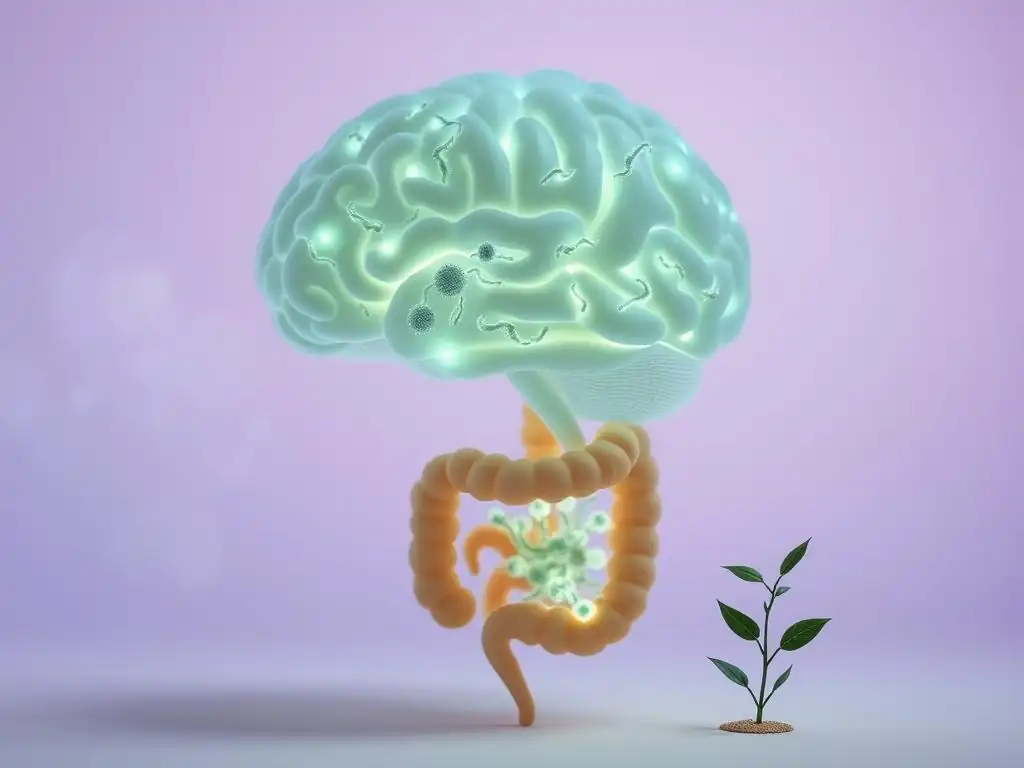
Gut Microbiome Imbalance and Anxiety Disorders: What the Science Says
Research has increasingly pointed towards a link between gut microbiome composition and anxiety disorders. Studies comparing the gut bacteria of individuals with anxiety to healthy controls often reveal differences in microbial diversity and the relative abundance of specific bacterial groups. For instance, some studies have reported lower levels of Lactobacillus and Bifidobacterium species in individuals with anxiety. Animal models have provided compelling evidence; transferring gut microbiota from anxious mice to germ-free mice can induce anxiety-like behaviors in the recipients, and vice versa. This suggests a causal role for the microbiome in mediating anxiety.
Clinical trials investigating the effects of probiotics on anxiety symptoms have yielded mixed but promising results. A meta-analysis published around 2018, aggregating data from several studies, indicated that probiotic supplementation could have a modest but significant effect in reducing anxiety symptoms in some populations. Specific strains, often referred to as "psychobiotics," are being investigated for their anxiolytic effects.
For example, studies involving strains like Lactobacillus rhamnosus GG have shown potential in influencing GABA receptor expression and reducing stress-induced anxiety-like behavior in animal models. While more large-scale, placebo-controlled human trials are needed, the evidence strongly supports the exploration of gut microbiome mental health treatment strategies for anxiety.
Depression and the Gut: Investigating the Link Between Gut Health and Mood
The connection between gut health and depression is one of the most actively researched areas within the gut-brain axis field. Numerous studies have observed distinct differences in the gut microbiome profiles of individuals with major depressive disorder (MDD) compared to healthy individuals. Common findings include reduced microbial diversity and altered ratios of dominant phyla, such as a lower Firmicutes to Bacteroidetes ratio, although findings can vary between studies and populations. Furthermore, inflammatory markers, which can be influenced by the gut microbiome, are often elevated in individuals with depression.
Translational studies have reinforced this link. In one notable study, transplanting fecal microbiota from depressed human donors into germ-free rats induced depressive-like behaviors in the recipient rats. Clinical trials using probiotic or prebiotic interventions for depression have shown potential benefits, though results are not universally consistent. A meta-analysis published in 2019, pooling data from randomized controlled trials, suggested that probiotic interventions could be effective in reducing depressive symptoms, particularly when used as an adjunct therapy. These findings bolster the hypothesis that targeting the gut microbiome could be a viable path for gut microbiome mental health treatment for depression.
The Gut Microbiome's Influence on Autism Spectrum Disorder (ASD) and Neurodevelopmental Conditions
The gut-brain axis is also being investigated for its potential role in neurodevelopmental conditions like Autism Spectrum Disorder (ASD). Many individuals with ASD experience significant gastrointestinal issues, including abdominal pain, constipation, and diarrhea. Research has consistently shown differences in the gut microbiome composition of children and adults with ASD compared to neurotypical individuals. These differences often include lower diversity and altered levels of specific bacteria, such as higher levels of Clostridium species and lower levels of Bifidobacterium.
The mechanisms linking the gut microbiome to ASD are thought to involve the production of neuroactive metabolites, immune system modulation, and gut barrier integrity. Some gut bacteria produce metabolites that could potentially influence brain function or behavior. For example, certain Clostridium species produce propionic acid, which has been shown in animal studies to induce behavioral changes resembling core ASD symptoms.
Furthermore, increased gut permeability ("leaky gut") is sometimes observed in individuals with ASD, potentially allowing microbial products or inflammatory molecules to enter the bloodstream and affect the brain. While research is ongoing, preliminary studies exploring dietary interventions, probiotics, or FMT in individuals with ASD have shown some promising, albeit preliminary, results in improving both GI symptoms and certain behavioral aspects, suggesting a potential role for gut microbiome mental health treatment approaches in this population.
Specific Research Studies Highlighting Key Findings
Several landmark studies have paved the way for understanding the gut microbiome's impact on mental health. One foundational study published in 2011 by researchers at McMaster University demonstrated that transferring the gut microbiota from mice with different personality traits (bold vs. anxious) to germ-free mice transferred those behavioral traits. This provided strong evidence for the microbiome's influence on behavior.
More recently, a 2019 study published in Nature Microbiology identified specific gut bacteria that are associated with depression across different cohorts. The study analyzed data from over 1,000 individuals and found that the presence of certain bacteria, like Coprococcus and Dialister, was consistently lower in individuals with depression, regardless of antidepressant use.
Conversely, the presence of Faecalibacterium and Coprococcus was positively correlated with mental quality of life. This type of large-scale analysis helps pinpoint specific microbial targets for future gut microbiome mental health treatment.
Another notable study, a randomized controlled trial published in 2017, found that a 4-week intervention with a specific multi-strain probiotic formulation led to a significant reduction in cognitive reactivity to sad mood (a predictor of depression relapse) compared to placebo in healthy individuals. These studies, among many others, highlight the growing body of evidence supporting the gut-brain connection in mental health and the potential for microbiome-targeted interventions.
Probiotics and Prebiotics: Tools for Improving Gut Health and Mental Well-being
How Probiotics Can Positively Impact Mental Health Symptoms
Probiotics, defined as live microorganisms that, when administered in adequate amounts, confer a health benefit on the host, are perhaps the most explored tool for gut microbiome mental health treatment. Their potential mechanisms of action in influencing mental health symptoms are diverse.
They can help restore balance to a dysbiotic gut, improve gut barrier function (reducing "leaky gut"), produce beneficial metabolites like SCFAs, modulate the immune system to reduce inflammation, and even directly influence the production of neurotransmitters or interact with the nervous system via the vagus nerve. For example, some probiotic strains have been shown to reduce stress hormones like cortisol.
Clinical studies investigating the effects of probiotics on mental health have shown promise, particularly for symptoms of anxiety and depression. While not a cure, some trials have reported reductions in symptom severity. For instance, a study involving adults with mild to moderate depression found that daily supplementation with a specific probiotic blend over 8 weeks resulted in a significant improvement in mood scores compared to a placebo group.
The efficacy appears to be strain-specific, dose-dependent, and potentially varies based on the individual's baseline gut microbiome composition. This highlights the complexity but also the potential of using targeted probiotic interventions as a form of gut microbiome mental health treatment.
The Benefits of Prebiotics for Nourishing Beneficial Gut Bacteria
Prebiotics are non-digestible fibers or compounds that selectively stimulate the growth and activity of beneficial bacteria in the gut, such as Bifidobacteria and Lactobacilli. By providing nourishment for these beneficial microbes, prebiotics can indirectly improve gut health and, consequently, mental well-being. Prebiotic fibers, like inulin, fructans, and galacto-oligosaccharides (GOS), are found naturally in foods like garlic, onions, leeks, asparagus, bananas, and whole grains. When these fibers reach the large intestine undigested, they are fermented by beneficial bacteria, producing SCFAs, which have widespread health benefits, including anti-inflammatory effects and potential positive impacts on brain function.
Enhancing the population of beneficial bacteria through prebiotic supplementation or dietary intake can lead to a more balanced gut ecosystem. This improved balance can strengthen the gut barrier, reduce the proliferation of potentially harmful bacteria, and enhance the production of beneficial metabolites. Studies have shown that prebiotic supplementation can influence stress reactivity and emotional processing.
For example, research using FOS and GOS prebiotics found reductions in the stress hormone cortisol and altered attention bias towards negative stimuli in healthy volunteers. These findings suggest that feeding the beneficial bacteria already present in the gut via prebiotics is another valuable strategy within the realm of gut microbiome mental health treatment.
Specific Strains and their Documented Benefits
Research into specific probiotic strains is crucial because their effects are highly strain-dependent. Not all probiotics will have the same impact on mental health. Several "psychobiotic" strains have garnered particular attention for their potential benefits. For instance, Bifidobacterium longum 1714 has been shown in studies to reduce subjective stress levels and improve memory in healthy volunteers. Lactobacillus helveticus R0052 and Bifidobacterium longum R0175, often used in combination, have been investigated for their effects on anxiety and depression symptoms, with some studies reporting positive outcomes.
Another well-studied strain is Lactobacillus rhamnosus GG (LGG), which has been shown to influence GABA receptor expression in animal models and may impact anxiety-related behaviors. Lactobacillus plantarum 299v has been linked to improvements in cognitive function and reduced stress in some studies. While the research is still evolving, the focus on specific strains allows for more targeted interventions. As research progresses, the ability to recommend specific probiotic strains or combinations based on an individual's specific mental health challenges and gut microbiome profile will become increasingly feasible, refining the approach to gut microbiome mental health treatment.
Dietary Interventions for Gut-Brain Health: A Holistic Approach
The Importance of a Balanced Diet for a Healthy Gut Microbiome
Diet is arguably the most significant environmental factor shaping the gut microbiome. A balanced diet rich in diverse plant-based foods provides the necessary substrates (primarily fiber) to nourish a diverse and thriving microbial community. Conversely, a diet high in processed foods, sugar, and unhealthy fats can lead to dysbiosis, favoring the growth of less beneficial or potentially harmful bacteria and reducing overall diversity. The Western-style diet, characterized by low fiber and high fat/sugar content, has been associated with reduced microbial diversity and increased inflammation, both of which are implicated in mental health disorders.
Adopting a dietary pattern that supports gut health is a fundamental, holistic approach to improving mental well-being. This involves prioritizing whole, unprocessed foods that provide complex carbohydrates, various types of fiber, and a wide array of micronutrients. Think of your gut microbes as tiny gardeners – they need the right kind of "soil" (fiber and nutrients) to flourish and produce beneficial compounds.
A diverse diet leads to a diverse microbiome, which is generally considered more resilient and better equipped to perform functions beneficial to both gut and brain health. Integrating dietary changes is a foundational step in any gut microbiome mental health treatment plan.
Foods to Promote Gut Health and Mental Well-being
Certain foods are particularly beneficial for promoting a healthy gut microbiome and supporting the gut-brain axis.
- High-Fiber Foods: Fruits, vegetables, legumes, nuts, seeds, and whole grains are excellent sources of dietary fiber, which acts as a prebiotic, feeding beneficial bacteria. Aim for a variety of fiber types from different plant sources.
- Fermented Foods: Foods like yogurt (with live and active cultures), kefir, sauerkraut, kimchi, tempeh, and miso are natural sources of probiotics. Including these in the diet can introduce beneficial microbes. Ensure they are traditionally fermented and not pasteurized, as pasteurization kills the beneficial bacteria.
- Foods Rich in Polyphenols: These plant compounds found in berries, dark chocolate, green tea, coffee, and red wine are not fully digested in the upper gut and reach the colon, where they can be metabolized by gut bacteria, producing beneficial compounds. Polyphenols may also directly influence the growth of certain beneficial bacteria.
- Omega-3 Fatty Acids: Found in fatty fish (salmon, mackerel), flaxseeds, chia seeds, and walnuts, omega-3s have anti-inflammatory properties and may influence gut microbiome composition.
Incorporating a wide variety of these foods into your daily meals provides the necessary fuel and beneficial microbes to support a thriving gut ecosystem, contributing positively to mental health.
Foods to Avoid for Optimal Gut-Brain Function
Just as some foods promote gut health, others can be detrimental and should be limited or avoided when focusing on gut-brain health and considering gut microbiome mental health treatment.
- Highly Processed Foods: These are often low in fiber and nutrients and high in unhealthy fats, sugar, and artificial additives, which can negatively alter the gut microbiome composition and promote inflammation.
- Excessive Sugar and Artificial Sweeteners: High sugar intake can feed less beneficial bacteria and yeast. Some artificial sweeteners have also been shown to negatively impact gut bacteria and glucose metabolism.
- Unhealthy Fats: Diets high in saturated and trans fats can contribute to gut inflammation and dysbiosis.
- Excessive Alcohol: Alcohol consumption can disrupt the gut barrier, increase inflammation, and negatively alter microbiome diversity.
Minimizing the intake of these detrimental foods while increasing beneficial ones creates an environment where beneficial gut bacteria can thrive, laying a crucial foundation for improving mental well-being through gut health.
Challenges and Future Directions in Gut Microbiome Mental Health Treatment
Understanding the Complexity of the Gut Microbiome Ecosystem
Despite significant progress, understanding the gut microbiome ecosystem and its precise interactions with the brain remains a major challenge. The sheer diversity and complexity of the microbial community, with hundreds of different bacterial species and trillions of individual cells, make it difficult to pinpoint the exact roles of specific microbes or communities in influencing mental health. The microbiome is also highly dynamic and influenced by numerous factors beyond diet, including genetics, lifestyle, medication use, stress levels, and early life exposures.
Furthermore, the functional output of the microbiome – the metabolites they produce and the signals they send – is perhaps even more critical than just the species present. Measuring and interpreting this complex metabolic landscape is a significant technical hurdle. Research is ongoing to develop more sophisticated tools and techniques, such as metatranscriptomics and metabolomics, to gain a deeper understanding of what the microbes are doing, not just who is there. This complexity necessitates caution and further research before widespread clinical application of gut microbiome mental health treatment strategies.
The Need for Personalized Gut Microbiome Interventions
Given the highly individualized nature of the gut microbiome, a one-size-fits-all approach to gut microbiome mental health treatment is unlikely to be effective. Each person's microbial composition is unique, influenced by their genetics, environment, and lifestyle history. What constitutes a "healthy" or "optimal" microbiome may vary from person to person. Therefore, the future of microbiome-based therapies for mental health likely lies in personalized interventions.
This would involve assessing an individual's specific gut microbiome composition and function (perhaps through stool testing and metabolic analysis) to identify specific imbalances or deficiencies. Based on this personalized profile, tailored interventions could be recommended, such as specific dietary changes, targeted prebiotics to nourish particular beneficial bacteria, or specific probiotic strains designed to address identified microbial deficits or functional impairments. Developing the capacity for accurate, cost-effective microbiome profiling and establishing clear links between specific microbial profiles and mental health outcomes are critical steps towards realizing personalized gut microbiome mental health treatment.
Potential Side Effects and Risks of Gut Microbiome Manipulation
While interventions like probiotics and prebiotics are generally considered safe for most healthy individuals, manipulating the gut microbiome is not without potential considerations and risks, especially in vulnerable populations or those with compromised immune systems. Introducing large numbers of live bacteria (probiotics) can sometimes cause temporary gastrointestinal discomfort, such as gas, bloating, or changes in bowel habits. In rare cases, particularly in individuals with severe underlying medical conditions or weakened immune systems, there is a theoretical risk of infection.
Fecal Microbiota Transplantation (FMT), while showing promise for conditions like recurrent Clostridioides difficile infection, is a more invasive procedure with potential risks and is still highly experimental for mental health conditions. The long-term effects of significantly altering the gut microbiome through various interventions are not yet fully understood. It is crucial that any gut microbiome mental health treatment is approached with caution, based on robust scientific evidence, and ideally undertaken under the guidance of a qualified healthcare professional who can assess individual risk factors and monitor outcomes.
The Future of Mental Healthcare: Integrating Gut Health Strategies
Impact on Conventional Mental Health Treatments
The growing understanding of the gut-brain axis is poised to have a significant impact on conventional mental health treatments. Rather than replacing existing therapies like psychotherapy and psychopharmacology, gut health strategies are likely to be integrated as complementary or adjunctive approaches. For individuals whose mental health challenges may be linked, at least in part, to gut dysbiosis or inflammation, addressing these underlying biological factors could potentially enhance the effectiveness of traditional treatments. For example, improving gut health might reduce inflammation that could be hindering the efficacy of antidepressants in some individuals.
Clinicians may begin to routinely assess aspects of gut health, such as dietary habits, digestive symptoms, and potentially even microbiome composition, as part of a comprehensive mental health evaluation. Treatment plans could then incorporate dietary recommendations, prebiotic or probiotic supplements, or other gut-targeted interventions alongside therapy or medication. This integrated approach offers a more holistic perspective on mental wellness, acknowledging the complex interplay between the brain and the body. The integration of gut microbiome mental health treatment into standard care could lead to improved patient outcomes and potentially reduce reliance on medications alone in some cases.
The Role of Personalized Medicine and the Gut Microbiome
The future of mental healthcare is increasingly moving towards personalized medicine, and the gut microbiome is set to play a central role in this shift, particularly in the context of gut microbiome mental health treatment. As research advances, it may become possible to use an individual's unique gut microbiome profile as a biomarker to predict their risk for certain mental health conditions, their likely response to specific treatments (both conventional and microbiome-targeted), and to guide the selection of the most effective interventions.
Imagine a future where a person seeking help for depression undergoes a gut microbiome analysis. The results might reveal a deficiency in specific bacteria known to produce beneficial neurochemicals or an overabundance of microbes associated with inflammation.
Based on this profile, a personalized treatment plan could be developed, combining evidence-based psychotherapy with a targeted prebiotic fiber and a specific multi-strain probiotic formulation known to address those particular imbalances, possibly alongside or instead of conventional medication depending on the severity and individual circumstances. This level of personalization holds the potential for more effective and targeted mental health interventions, moving beyond trial-and-error approaches.
Optimizing Your Gut Microbiome for Mental Wellness: Practical Steps
Steps to Improve Gut Health Through Diet and Lifestyle
Taking proactive steps to improve your gut health can be a powerful way to support your mental well-being. While complex gut microbiome mental health treatment may require professional guidance, many foundational steps can be taken through diet and lifestyle modifications.
- [ ] Increase Fiber Intake: Gradually incorporate more diverse high-fiber foods like fruits, vegetables, legumes, nuts, and seeds into your daily diet. Aim for a wide variety of plant sources to nourish different beneficial bacteria.
- [ ] Eat Fermented Foods: Regularly consume traditionally fermented foods such as yogurt (with live cultures), kefir, sauerkraut, kimchi, or tempeh.
- [ ] Stay Hydrated: Drink plenty of water throughout the day, as hydration is essential for healthy digestion and microbial balance.
- [ ] Reduce Processed Foods and Sugar: Minimize your intake of highly processed foods, sugary drinks, and excessive added sugars.
- [ ] Manage Stress: Chronic stress can negatively impact the gut microbiome. Incorporate stress-reducing practices like meditation, yoga, deep breathing, or spending time in nature.
- [ ] Get Enough Sleep: Aim for 7-9 hours of quality sleep per night. Sleep deprivation can negatively affect gut bacteria.
- [ ] Engage in Regular Physical Activity: Exercise has been shown to positively influence gut microbiome diversity and composition.
- [ ] Limit Antibiotic Use: Use antibiotics only when necessary and prescribed by a doctor, as they can disrupt the gut microbiome.
Implementing these steps can significantly improve your gut health, laying a strong foundation for better mental wellness.
Consulting with Healthcare Professionals for Personalized Guidance
While general dietary and lifestyle changes are beneficial for most people, individuals experiencing significant mental health challenges or persistent digestive issues should consult with healthcare professionals. This could include a medical doctor, a registered dietitian/nutritionist specializing in gut health, or a mental health professional. They can help assess your specific situation, rule out underlying medical conditions, and provide personalized recommendations.
A healthcare provider might recommend specific dietary plans, appropriate prebiotic or probiotic supplements based on your needs, or discuss other potential gut microbiome mental health treatment options. They can also integrate gut health strategies with conventional mental health care, ensuring a comprehensive and coordinated approach to your well-being. Given the complexity and individuality of the gut microbiome, professional guidance is invaluable for developing a safe and effective strategy tailored to your unique needs and health profile.
Frequently Asked Questions
How is the gut microbiome connected to mental health?
The gut microbiome influences mental health through the gut-brain axis, a bidirectional communication pathway. This connection involves the production of neurotransmitters and modulation of the immune system, impacting mood and cognition.
What is "Gut Microbiome Mental Health Treatment" referring to?
It refers to therapeutic approaches aimed at improving mental well-being by modulating the composition and function of the gut microbiome. This can involve dietary changes, probiotics, or even fecal microbiota transplantation.
What types of mental health conditions might benefit from targeting the gut microbiome?
Research suggests potential benefits for conditions like anxiety, depression, and even neurodevelopmental disorders such as autism spectrum disorder. However, more research is needed to confirm these findings.
Are there any specific dietary changes that can improve the gut microbiome and, in turn, mental health?
Increasing fiber intake through fruits, vegetables, and whole grains is beneficial, as it feeds beneficial gut bacteria. Reducing processed foods, sugar, and artificial sweeteners can also positively impact the gut microbiome.
What are the potential risks or side effects of gut microbiome-based mental health treatments?
While generally considered safe, some people may experience gastrointestinal discomfort from probiotics or dietary changes. Fecal microbiota transplantation carries a risk of infection, though screening processes minimize this risk.
Final Reflection: Rethinking the Mind-Gut Connection
The intricate relationship between our gut microbiome and mental health is no longer a fringe theory; it's a rapidly evolving field with profound implications for the future of treatment. Understanding this connection offers a revolutionary pathway towards more effective and personalized approaches to mental wellness, moving beyond traditional models and embracing a holistic view of the human body.
The exploration of the gut-brain axis has fundamentally shifted my understanding of mental illness, challenging the simplistic view of mental health as solely a neurological phenomenon. It's a humbling realization that the trillions of microorganisms residing within us play such a significant role in our emotional and cognitive well-being. The gut is the second brain,
a phrase often used, isn't just a metaphor; it's a reflection of the complex bidirectional communication system connecting our gut and brain. This understanding underscores the need for a more integrated approach to mental healthcare, one that considers the entire ecosystem of the human body.
The future of mental health treatment hinges on continued research and innovation in this area. Consider the potential: personalized probiotic therapies, targeted dietary interventions, and even fecal microbiota transplantation – all offering exciting avenues for improving mental health outcomes. You, the reader, hold a key role in this evolution. By staying informed, engaging in healthy lifestyle choices that support a diverse gut microbiome, and advocating for research funding, you can contribute to a future where mental health treatment is more effective, accessible, and truly holistic.
Unlock Your Gut-Brain Connection: Take Charge of Your Mental Wellbeing
Thanks for exploring the fascinating world of the gut-brain connection and its implications for mental health! We hope you gained valuable insights into how nurturing your gut can positively impact your mind. Ready to put this knowledge into action?
- Prioritize gut-friendly foods: Start incorporating more fiber-rich fruits, vegetables, and fermented foods into your diet this week. Notice how you feel!
- Consider a gut health supplement: Explore options like probiotics or prebiotics to further support your gut microbiome. Research different types to find what's right for you.
- Share your journey: Tell your friends and family about the gut-brain connection—let’s spread awareness together!
What simple change will you make today to support both your gut and your mental well-being?