
Neuroinflammation: A Hidden Factor Affecting Neurotransmitter Balance

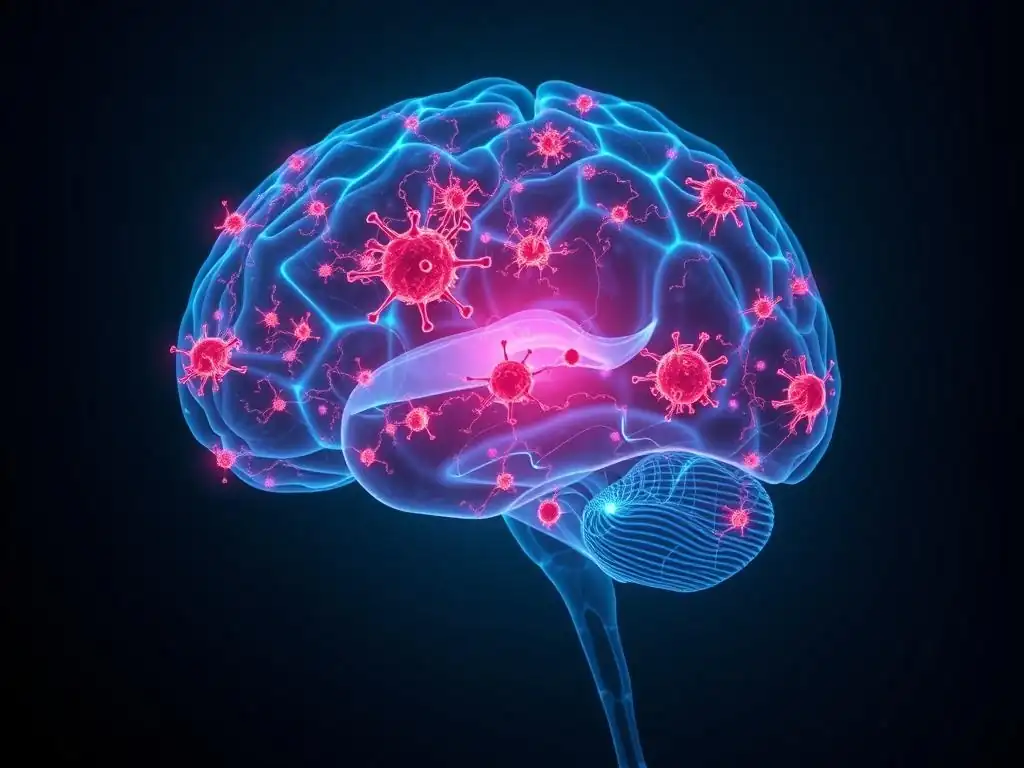
Welcome to Mind Care Guide, your trusted companion on the journey to mental well-being. Are you struggling to understand why your emotions feel so overwhelming, or why your mental clarity fluctuates unexpectedly? You're not alone. We delve deep into the neuroscience of mental health, and today, we're exploring a potentially overlooked culprit: neuroinflammation impact neurotransmitter balance. Could this be the missing piece in your understanding of your own mental well-being? Let's uncover the connection together…
Neuroinflammation: A Hidden Factor Affecting Neurotransmitter Balance
- Introduction: Understanding the Link Between Neuroinflammation and Neurotransmitters
- What is Neuroinflammation? Exploring the Biological Basis
- How Neuroinflammation Affects Neurotransmitter Function
- Neuroinflammation and Specific Mental Health Conditions
- Diagnosing Neuroinflammation: Current Methods and Challenges
- Strategies for Reducing Neuroinflammation and Restoring Neurotransmitter Balance
- The Future of Neuroinflammation Research and Mental Health Treatment
- Conclusion: Neuroinflammation as a Key Target for Improving Mental Wellbeing
-
Frequently Asked Questions
- What is neuroinflammation and why is it relevant to mental well-being?
- How does neuroinflammation impact neurotransmitter balance?
- What are some potential causes of neuroinflammation?
- What are some signs or symptoms that might indicate neuroinflammation is affecting neurotransmitter balance?
- What are some strategies for managing neuroinflammation and supporting neurotransmitter balance?
- Final Reflection: Unraveling the Neuroinflammatory Puzzle
- Unlock Your Brain's Potential: Take Control of Neurotransmitter Balance
Introduction: Understanding the Link Between Neuroinflammation and Neurotransmitters
The Emerging Role of Neuroinflammation in Mental Health
For decades, the understanding of mental health conditions often centered on the concept of chemical imbalances, primarily focusing on neurotransmitters like serotonin, dopamine, and norepinephrine. While the role of these chemical messengers is undeniably crucial, recent advancements in neuroscience are revealing a more complex picture.
A significant piece of this puzzle is the growing recognition of neuroinflammation – an immune response within the brain – as a critical factor influencing neural function and contributing to the development and persistence of various mental health challenges. This paradigm shift acknowledges that the brain's immune system is not merely a passive observer but an active participant in shaping mood, cognition, and behavior.
Research now increasingly points to chronic low-grade neuroinflammation as a potential underlying mechanism in conditions previously thought to be solely linked to neurotransmitter dysregulation. Studies have shown elevated levels of pro-inflammatory cytokines, such as Interleukin-6 (IL-6), Tumor Necrosis Factor-alpha (TNF-α), and Interleukin-1 beta (IL-1β), in the cerebrospinal fluid and blood of individuals diagnosed with major depressive disorder, bipolar disorder, and schizophrenia, compared to healthy controls.
This suggests a systemic inflammatory state that extends to the brain, impacting the delicate neural environment required for proper signaling. Understanding this neuroinflammation impact on neurotransmitter balance is becoming paramount for developing more effective therapeutic strategies.
Why Neurotransmitter Imbalance Matters for Mental Wellbeing
Neurotransmitters are the brain's chemical messengers, responsible for transmitting signals between neurons across synapses. They regulate a vast array of functions, including mood, sleep, appetite, cognition, motivation, and stress response. A harmonious balance in the levels and activity of these neurotransmitters is essential for healthy brain function and overall mental wellbeing. Disruptions in this balance, whether due to insufficient production, excessive reuptake, receptor issues, or interference from other factors, can lead to communication breakdowns within neural circuits, manifesting as symptoms associated with various mental health conditions.
For instance, serotonin is critical for mood regulation and feelings of wellbeing. Imbalances are strongly linked to depression and anxiety. Dopamine is central to reward, motivation, and movement, with dysregulation implicated in conditions like addiction, Parkinson's disease, and aspects of schizophrenia.
GABA is the primary inhibitory neurotransmitter, crucial for calming neural activity; its deficiency can contribute to anxiety and seizures. Glutamate, the main excitatory neurotransmitter, is vital for learning and memory, but excess can be neurotoxic. Maintaining the correct levels and interplay of these chemicals is fundamental, and understanding how external factors, including neuroinflammation, can disrupt this delicate equilibrium is key to addressing the root causes of mental health issues.
What is Neuroinflammation? Exploring the Biological Basis
Defining Neuroinflammation: An Immune Response in the Brain
Neuroinflammation is the activation of the brain's resident immune cells, primarily microglia and astrocytes, in response to harmful stimuli. While acute inflammation is a vital protective mechanism – clearing pathogens, removing damaged tissue, and initiating repair – chronic neuroinflammation represents a sustained, often low-grade, activation that can become detrimental to neural health.
Unlike the peripheral immune system, the brain is protected by the blood-brain barrier, and its immune responses are primarily mediated by these specialized glial cells. Microglia act as the brain's first line of defense, constantly surveying the environment, while astrocytes play diverse roles including supporting neurons, maintaining the blood-brain barrier, and modulating synaptic function.
In a healthy state, microglia and astrocytes exist in a resting or surveillance state. Upon detecting a threat – be it an infection, injury, toxin, or even chronic stress – they become activated. Acute activation is typically transient and resolves once the threat is neutralized.
However, if the stimulus persists or if regulatory mechanisms fail, these cells can adopt a pro-inflammatory phenotype, releasing a cascade of inflammatory mediators like cytokines, chemokines, and reactive oxygen species. While intended to protect, the sustained presence of these molecules can damage neurons, disrupt synaptic connections, impair neurogenesis (the birth of new neurons), and critically, interfere with neurotransmitter synthesis, release, and signaling, demonstrating the neuroinflammation impact on neurotransmitter balance.
Causes of Neuroinflammation: Identifying the Triggers
Neuroinflammation can be triggered by a wide range of factors, both internal and external. Identifying these triggers is crucial for understanding the origins of brain inflammation and developing strategies to mitigate its effects. These causes often don't act in isolation but can interact and potentiate each other, leading to a chronic inflammatory state that impacts neural function and contributes to neurotransmitter dysregulation.
Understanding the diverse origins of brain inflammation highlights the complexity of the neuroinflammation impact on neurotransmitter balance and the need for a multi-faceted approach to treatment and prevention.
Infections and Neuroinflammation
Infections, both systemic (affecting the whole body) and direct brain infections (though less common), are significant triggers of neuroinflammation. Pathogens or their components can breach the blood-brain barrier or activate peripheral immune cells that then signal to the brain. For instance, viral infections like influenza or even common colds have been shown to induce inflammatory responses in the brain, sometimes leading to temporary cognitive changes or mood disturbances. More severe infections, such as meningitis or encephalitis, cause acute and intense neuroinflammation that can result in permanent neurological damage.
Even infections elsewhere in the body, like chronic gum disease or gut infections, can contribute to neuroinflammation through the release of inflammatory molecules into the bloodstream or via signaling pathways between the gut and the brain. The immune system's response to these infections involves the release of cytokines that can cross or signal across the blood-brain barrier, activating microglia and astrocytes and initiating inflammatory cascades within the brain parenchyma. This immune-to-brain signaling is a key mechanism by which peripheral health issues can drive central nervous system inflammation and disrupt neurotransmitter systems.
Autoimmune Disorders and Brain Inflammation
Autoimmune disorders occur when the body's immune system mistakenly attacks its own tissues. When this attack targets the brain or components essential for brain function, it directly causes neuroinflammation. Conditions like Multiple Sclerosis (MS), where the immune system attacks the myelin sheath protecting nerve fibers, are clear examples of autoimmune-driven neuroinflammation leading to severe neurological deficits. However, other systemic autoimmune diseases, such as Systemic Lupus Erythematosus (SLE) or rheumatoid arthritis, can also have neuropsychiatric manifestations linked to inflammation affecting the brain.
In these cases, autoantibodies or autoreactive immune cells can cross the blood-brain barrier or damage the barrier itself, allowing inflammatory mediators and immune cells to infiltrate the brain tissue. This chronic immune assault leads to persistent activation of microglia and astrocytes, neuronal damage, and synaptic dysfunction. The resulting neuroinflammation can profoundly impact neurotransmitter systems, contributing to symptoms like cognitive impairment, fatigue, depression, and anxiety commonly observed in individuals with autoimmune conditions.
Environmental Toxins and Neural Inflammation
Exposure to certain environmental toxins can also induce or exacerbate neuroinflammation. Heavy metals like lead and mercury, pesticides, air pollutants (such as particulate matter), and certain industrial chemicals have been implicated in triggering inflammatory responses in the brain. These substances can directly damage neurons or glial cells, or they can activate immune pathways that lead to sustained inflammation.
For example, studies have linked exposure to fine particulate matter (PM2.5) in air pollution to increased markers of neuroinflammation and cognitive decline in both animal models and human populations. These toxins can enter the bloodstream and reach the brain, crossing the blood-brain barrier. Once in the brain, they can be taken up by glial cells, leading to their activation and the release of pro-inflammatory cytokines and reactive oxygen species. Chronic exposure to these toxins can maintain a state of low-grade neuroinflammation, contributing to the neuroinflammation impact on neurotransmitter balance and potentially increasing vulnerability to mental health and neurodegenerative conditions.
Chronic Stress and Neuroinflammatory Processes
Chronic psychological stress is a well-established trigger for both systemic and neuroinflammation. The prolonged activation of the body's stress response system, particularly the hypothalamic-pituitary-adrenal (HPA) axis, leads to sustained elevated levels of stress hormones like cortisol. While acute cortisol release can have anti-inflammatory effects, chronic exposure can paradoxically lead to immune dysregulation and promote inflammation.
Stress can also activate microglia and astrocytes directly through stress hormones or indirectly through stress-induced changes in gut permeability (leaky gut) which allows bacterial products to enter the bloodstream and signal to the brain. Furthermore, behavioral changes associated with chronic stress, such as poor sleep, unhealthy diet, and reduced physical activity, can independently contribute to inflammation. This stress-induced neuroinflammation can disrupt the delicate balance of neurotransmitters, particularly affecting pathways involved in mood, anxiety, and reward, providing a clear example of how psychological states can drive the neuroinflammation impact on neurotransmitter balance.
How Neuroinflammation Affects Neurotransmitter Function
The Impact of Inflammation on Serotonin Production and Regulation
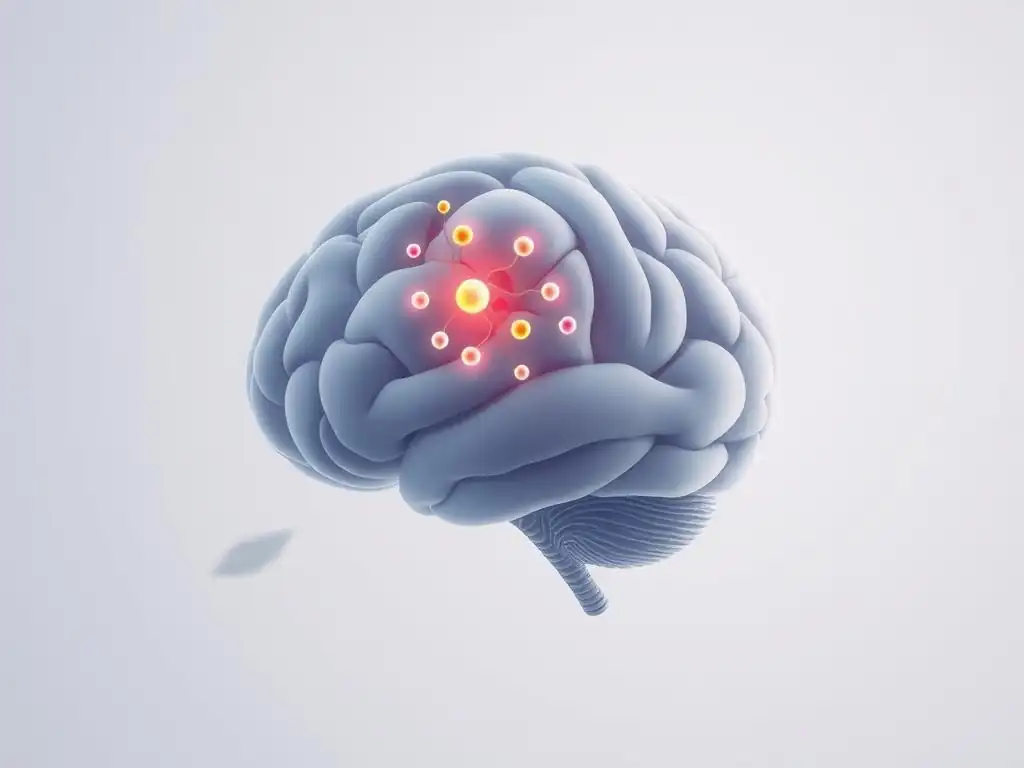
Neuroinflammation has a profound and well-documented impact on the serotonin system, a key player in mood regulation. Inflammatory cytokines, such as IL-1β, IL-6, and TNF-α, released by activated microglia and astrocytes, can directly interfere with several steps in serotonin synthesis and metabolism. One significant mechanism involves the enzyme indoleamine 2,3-dioxygenase (IDO). Pro-inflammatory cytokines activate IDO, which shunts tryptophan – the precursor amino acid for serotonin synthesis – away from the serotonin pathway towards the production of kynurenine and its metabolites, some of which are neurotoxic (like quinolinic acid) and can activate glutamate receptors.
This increased IDO activity leads to reduced availability of tryptophan for serotonin synthesis, effectively lowering brain serotonin levels. Furthermore, cytokines can also impair the function of serotonin transporters (SERT), which are responsible for reuptaking serotonin from the synaptic cleft. While some studies suggest inflammatory signals can initially increase SERT activity (leading to less serotonin in the synapse), chronic inflammation may lead to SERT dysfunction or downregulation. Together, these mechanisms – reduced synthesis and altered reuptake – demonstrate a significant neuroinflammation impact on neurotransmitter balance, specifically depleting synaptic serotonin and contributing to depressive symptoms.
Neuroinflammation's Influence on Dopamine Pathways and Function
Dopamine pathways, critical for reward, motivation, pleasure, and motor control, are also vulnerable to the effects of neuroinflammation. Pro-inflammatory cytokines can interfere with dopamine synthesis by affecting the enzymes involved, such as tyrosine hydroxylase. They can also influence dopamine release and reuptake mechanisms. Studies suggest that inflammation can alter the function of dopamine transporters (DAT) and vesicular monoamine transporters (VMAT), impacting how dopamine is packaged and cleared from the synapse.
Moreover, neuroinflammation can affect the sensitivity and expression of dopamine receptors. For instance, chronic exposure to inflammatory mediators has been linked to changes in D2 receptor availability, which is implicated in motivation and reward processing. The resulting disruption in dopaminergic signaling can contribute to symptoms like anhedonia (loss of pleasure), fatigue, and lack of motivation, frequently observed in individuals with inflammatory conditions or those experiencing chronic stress. This highlights how neuroinflammation can directly impair the function of key reward pathways, illustrating another facet of the neuroinflammation impact on neurotransmitter balance.
GABA and Glutamate: Disruptions Caused by Brain Inflammation
The balance between the brain's main inhibitory neurotransmitter, GABA (gamma-aminobutyric acid), and the main excitatory neurotransmitter, glutamate, is crucial for maintaining neural stability and preventing excitotoxicity. Neuroinflammation can disrupt this delicate balance in several ways. Inflammatory cytokines can impair the synthesis of GABA, for example, by affecting the enzyme glutamic acid decarboxylase (GAD). Reduced GABAergic signaling can lead to increased neural excitability and contribute to anxiety and potentially seizure susceptibility.
Conversely, neuroinflammation often promotes glutamate release and can impair its uptake by astrocytes. Astrocytes play a vital role in clearing excess glutamate from the synapse via glutamate transporters (like GLT-1). Inflammatory mediators can downregulate these transporters, leading to excessive glutamate accumulation in the synaptic cleft. This excitotoxicity, where neurons are overstimulated by glutamate, can damage neurons and disrupt synaptic function. The combined effect of reduced inhibition (GABA) and increased excitation (glutamate) mediated by neuroinflammation severely impacts neurotransmitter balance and is thought to contribute to neurotoxicity and various psychiatric symptoms.
Acetylcholine and Neuroinflammation: Cognitive Function Impairment
Acetylcholine is a neurotransmitter vital for cognitive functions, including learning, memory, and attention. The cholinergic system, which uses acetylcholine, is particularly vulnerable to inflammatory processes. Neuroinflammation can interfere with acetylcholine synthesis by affecting the enzyme choline acetyltransferase (ChAT) and can impact its breakdown by influencing acetylcholinesterase (AChE) activity.
Furthermore, microglia and astrocytes, when activated, can release factors that are toxic to cholinergic neurons, leading to their damage or death over time. Inflammatory cytokines can also disrupt signaling through acetylcholine receptors. This impairment of cholinergic neurotransmission contributes significantly to the cognitive deficits often observed in conditions associated with chronic neuroinflammation, such as neurodegenerative diseases and even major depression. Understanding this link underscores how neuroinflammation's impact on neurotransmitter balance extends beyond mood and motivation to core cognitive abilities.
Neuroinflammation and Specific Mental Health Conditions
Neuroinflammation in Depression: A Potential Underlying Mechanism
Major Depressive Disorder (MDD) is increasingly viewed not solely as a chemical imbalance of monoamines but as a complex condition where inflammation plays a significant role. Numerous studies have demonstrated elevated levels of inflammatory markers, such as C-reactive protein (CRP), IL-6, and TNF-α, in the blood of individuals with MDD, particularly those with severe or treatment-resistant depression. This systemic inflammation is believed to cross the blood-brain barrier or signal to the brain, triggering neuroinflammation.
This brain inflammation, in turn, impacts neurotransmitter systems as discussed, leading to reduced serotonin availability, altered dopamine signaling, and imbalances in glutamate and GABA. This neuroinflammation impact on neurotransmitter balance can manifest as core depressive symptoms like low mood, anhedonia (loss of pleasure), fatigue, and cognitive difficulties. Research suggests that approximately 25-30% of individuals with depression may have evidence of significant inflammation, highlighting it as a crucial subgroup for whom anti-inflammatory strategies might be particularly beneficial.
Anxiety Disorders and the Neuroinflammatory Response
Anxiety disorders, characterized by excessive worry, fear, and physiological arousal, also show links to neuroinflammation. Studies have found elevated levels of pro-inflammatory cytokines in some individuals with generalized anxiety disorder, panic disorder, and post-traumatic stress disorder (PTSD). The brain regions involved in processing fear and anxiety, such as the amygdala and prefrontal cortex, are known to be influenced by inflammatory signals.
Neuroinflammation can exacerbate anxiety symptoms by disrupting the balance between excitatory and inhibitory neurotransmitters, particularly the glutamate-GABA system, leading to increased neural excitability in fear circuits. It can also interfere with serotonin and norepinephrine pathways, which are involved in regulating mood and stress responses. The interplay between chronic stress (a known trigger for both anxiety and neuroinflammation) and the resulting brain inflammation creates a vicious cycle that perpetuates anxious states and underscores the neuroinflammation impact on neurotransmitter balance in these conditions.
Schizophrenia: Investigating the Role of Neuroinflammation
Schizophrenia, a severe mental illness characterized by psychosis, cognitive deficits, and negative symptoms, has long been suspected to involve neurodevelopmental abnormalities. Emerging research points to neuroinflammation as a potential contributor to both the developmental origins and the progression of the disorder. Studies using PET imaging have shown evidence of activated microglia in certain brain regions of individuals with schizophrenia, particularly during acute psychotic episodes.
The inflammatory processes in schizophrenia are thought to influence dopamine and glutamate systems, which are central to the pathophysiology of the illness. Altered levels of inflammatory cytokines can affect dopamine synthesis and receptor function, contributing to psychotic symptoms. Furthermore, inflammation's impact on glutamate signaling, potentially leading to excitotoxicity or impaired synaptic plasticity, may contribute to cognitive deficits. While not the sole cause, neuroinflammation appears to be a significant piece of the puzzle in understanding the complex neurobiology of schizophrenia and its impact on neurotransmitter balance.
Neurodegenerative Diseases: The Connection to Chronic Brain Inflammation
While primarily neurological conditions, neurodegenerative diseases like Alzheimer's disease, Parkinson's disease, and Amyotrophic Lateral Sclerosis (ALS) have strong ties to chronic neuroinflammation, which in turn impacts neurotransmitter systems. In Alzheimer's disease, the accumulation of amyloid plaques and tau tangles triggers robust activation of microglia and astrocytes, leading to sustained inflammation that damages neurons and synapses. This widespread damage disrupts multiple neurotransmitter systems, including the cholinergic system (critical for memory), contributing to cognitive decline.
In Parkinson's disease, the degeneration of dopaminergic neurons in the substantia nigra is accompanied by significant neuroinflammation. Activated microglia surround dying neurons, releasing inflammatory factors that can exacerbate neuronal loss. This chronic inflammation contributes to the progressive decline in dopamine levels, causing the characteristic motor symptoms. The persistent neuroinflammation impact on neurotransmitter balance is a hallmark of these diseases, suggesting that targeting inflammation could be a strategy to slow progression and potentially preserve neurotransmitter function.
Diagnosing Neuroinflammation: Current Methods and Challenges
Biomarkers of Neuroinflammation: Identifying Indicators
Diagnosing neuroinflammation in living individuals, particularly in the context of mental health conditions, remains challenging but is an active area of research. One approach involves identifying biomarkers – measurable indicators of biological state or condition. Blood tests can detect systemic inflammatory markers like C-reactive protein (CRP) and pro-inflammatory cytokines (IL-1β, IL-6, TNF-α). Elevated levels of these markers suggest systemic inflammation, which is often correlated with neuroinflammation, though they don't confirm inflammation specifically within the brain.
Analyzing cerebrospinal fluid (CSF), obtained via a lumbar puncture, offers a more direct window into the brain's environment. CSF can be tested for specific inflammatory proteins, cytokines, or markers of glial activation (like YKL-40 or soluble TREM2). However, lumbar punctures are invasive and not routinely performed for psychiatric diagnoses. Research is ongoing to identify more specific and accessible biomarkers, potentially in blood or saliva, that directly reflect the state of neuroinflammation and its impact on neurotransmitter balance in the brain.
Brain Imaging Techniques for Detecting Inflammation
Advanced neuroimaging techniques offer non-invasive ways to visualize aspects of neuroinflammation in the living brain. Positron Emission Tomography (PET) is currently the most promising method. Specific radiotracers can bind to markers of activated microglia, such as the translocator protein (TSPO), which is upregulated in activated glial cells. PET scans using TSPO tracers can show regions of increased glial activity, providing evidence of neuroinflammation. Studies using TSPO-PET have indeed shown increased glial activation in certain brain areas in individuals with depression, schizophrenia, and neurodegenerative diseases.
Magnetic Resonance Imaging (MRI) techniques can also provide indirect evidence of neuroinflammation by detecting changes in brain structure, water diffusion (indicating tissue damage or swelling), or blood flow. However, interpreting these changes specifically as inflammation can be difficult, as they can also reflect other pathological processes. While valuable research tools, these imaging techniques, especially PET, are expensive, not widely available clinically for psychiatric evaluation, and have limitations regarding specificity and resolution.
The Complexity of Diagnosing Neuroinflammation in Mental Health
Diagnosing neuroinflammation specifically as a cause or contributor to mental health symptoms, rather than a consequence of the illness or related factors (like stress or poor lifestyle), is complex. There is no single diagnostic test for "neuroinflammatory depression" or "inflammatory anxiety." The relationship between systemic inflammation, neuroinflammation, and psychiatric symptoms is often bidirectional and influenced by numerous factors, including genetics, lifestyle, and environment.
Furthermore, current biomarkers and imaging techniques often reflect general glial activation rather than specific inflammatory pathways or their direct impact on neurotransmitter balance. The lack of standardized diagnostic criteria and easily accessible, specific tests makes it challenging to identify individuals for whom neuroinflammation is a primary driver of their symptoms. This diagnostic gap is a major hurdle in translating research findings about the neuroinflammation impact on neurotransmitter balance into routine clinical practice and personalized treatment approaches.
Strategies for Reducing Neuroinflammation and Restoring Neurotransmitter Balance
Dietary Interventions: Anti-Inflammatory Foods and Supplements
Given the link between inflammation and mental health, dietary interventions aimed at reducing systemic and neuroinflammation are gaining traction. An anti-inflammatory diet emphasizes whole, unprocessed foods rich in antioxidants, vitamins, and minerals. This includes abundant fruits and vegetables, whole grains, lean proteins, and healthy fats. Specific components of such a diet have been shown to modulate immune responses and potentially reduce brain inflammation.
Conversely, diets high in processed foods, refined sugars, unhealthy fats (like trans fats and excessive omega-6 fatty acids from processed oils), and red and processed meats are pro-inflammatory. Reducing or eliminating these foods can help lower systemic inflammatory markers, which may in turn reduce neuroinflammation and support healthier neurotransmitter function, mitigating the neuroinflammation impact on neurotransmitter balance.
The Role of Omega-3 Fatty Acids in Reducing Neuroinflammation
Omega-3 fatty acids, particularly EPA (eicosapentaenoic acid) and DHA (docosahexaenoic acid), found in fatty fish, flaxseeds, and walnuts, are well-known for their potent anti-inflammatory properties. These essential fatty acids can be incorporated into cell membranes, including those of glial cells and neurons, influencing their function. Omega-3s can modulate the production of inflammatory mediators, shifting the balance towards less inflammatory molecules.
Studies suggest that omega-3 supplementation can reduce levels of pro-inflammatory cytokines like IL-6 and TNF-α. In the brain, omega-3s may help dampen microglial activation and protect neurons from inflammatory damage. Research into omega-3 supplementation for mood disorders has shown mixed but promising results, particularly in individuals with evidence of inflammation. Increasing dietary intake of omega-3s or considering supplementation may be a valuable strategy to help reduce neuroinflammation and support neurotransmitter balance.
Avoiding Inflammatory Foods
Avoiding foods known to promote inflammation is as important as consuming anti-inflammatory ones. Refined sugars, found in sugary drinks, candies, and processed snacks, cause rapid spikes in blood glucose and insulin, which can trigger inflammatory pathways. Excessive consumption of saturated and trans fats, common in fried foods, baked goods, and processed meats, can also increase systemic inflammation.
Refined carbohydrates (white bread, pasta, rice) are quickly converted to sugar and can have similar inflammatory effects to refined sugar. Furthermore, an imbalance in the ratio of omega-6 to omega-3 fatty acids (common in Western diets high in vegetable oils like corn and soybean oil) can promote inflammation. By consciously reducing or eliminating these inflammatory foods, individuals can lower their inflammatory burden, potentially reducing neuroinflammation impact on neurotransmitter balance and improving overall mental wellbeing.
Lifestyle Modifications: Stress Management and Exercise
Beyond diet, lifestyle factors significantly influence both inflammation and mental health. Chronic stress, as discussed, is a major trigger for neuroinflammation. Implementing effective stress management techniques, such as mindfulness meditation, yoga, deep breathing exercises, or psychotherapy, can help regulate the stress response system, lower cortisol levels, and reduce the inflammatory cascade initiated by stress.
Regular physical exercise is another powerful anti-inflammatory intervention. Exercise has been shown to reduce systemic inflammatory markers and may directly influence brain inflammation by promoting the release of anti-inflammatory molecules and growth factors (like BDNF) that support neuronal health and plasticity. Engaging in consistent physical activity can improve mood, reduce anxiety, and potentially counteract some of the negative neuroinflammation impact on neurotransmitter balance. Even moderate exercise, like brisk walking for 30 minutes several times a week, can offer significant benefits.
Pharmaceutical Approaches: Targeting Inflammation with Medication
While not yet a standard treatment for mental health conditions driven by neuroinflammation, research is exploring pharmaceutical interventions that target inflammatory pathways. Non-steroidal anti-inflammatory drugs (NSAIDs) like aspirin or ibuprofen have been investigated as adjunctive treatments for depression, with some studies showing modest benefits, particularly in individuals with elevated inflammatory markers. However, long-term use of NSAIDs carries risks, and they are not specifically designed to target brain inflammation.
More targeted approaches involve investigating medications that modulate immune responses or block specific pro-inflammatory cytokines. For instance, drugs used to treat autoimmune diseases, such as TNF-α inhibitors, are being explored for their potential effects on neuropsychiatric symptoms in patients with inflammatory conditions. However, these are powerful immunomodulators with significant side effects and are not currently approved for primary psychiatric treatment. Developing safe and effective anti-inflammatory drugs that can cross the blood-brain barrier and specifically target neuroinflammation without compromising beneficial immune functions is a key area of future research.
Emerging Therapies
The understanding of the neuroinflammation impact on neurotransmitter balance is paving the way for novel therapeutic approaches. One area of interest is the gut-brain axis. The gut microbiome significantly influences both systemic inflammation and brain function. Therapies targeting the microbiome, such as probiotics, prebiotics, or fecal microbiota transplantation, are being investigated for their potential to reduce inflammation and improve mental health outcomes.
Another emerging strategy involves therapies that promote the resolution of inflammation rather than just blocking inflammatory mediators. Specialized pro-resolving mediators (SPMs), derived from omega-3 fatty acids, are molecules that actively signal the immune system to stop the inflammatory response and initiate tissue repair. Research is exploring the therapeutic potential of SPMs in neurological and psychiatric conditions linked to chronic neuroinflammation. These novel approaches offer hope for more targeted and effective ways to address the neuroinflammation impact on neurotransmitter balance.
The Future of Neuroinflammation Research and Mental Health Treatment
Personalized Medicine: Tailoring Treatments Based on Neuroinflammatory Profiles
The growing understanding of neuroinflammation's role suggests a move towards more personalized approaches in mental healthcare. Instead of a one-size-fits-all approach, future treatments may be tailored based on an individual's specific biological profile, including their inflammatory status. Identifying individuals with significant neuroinflammation through biomarkers or imaging could allow clinicians to select treatments that are more likely to be effective for them.
For example, individuals with depression and high inflammatory markers might respond better to adjunctive anti-inflammatory strategies or specific types of antidepressants that also have anti-inflammatory properties, compared to those without evidence of inflammation. This personalized approach, guided by an understanding of the neuroinflammation impact on neurotransmitter balance in each patient, holds the potential to improve treatment outcomes and reduce trial-and-error in prescribing mental health interventions.
Developing Novel Therapies Targeting Neuroinflammation
The research into the mechanisms by which neuroinflammation impacts neurotransmitter balance is directly fueling the development of new therapeutic targets. Pharmaceutical companies and research institutions are actively working on compounds that can specifically modulate microglial activation, block the release or action of pro-inflammatory cytokines within the brain, or enhance the brain's own anti-inflammatory and pro-resolving mechanisms.
These novel therapies aim to intervene directly in the inflammatory processes contributing to mental illness, potentially offering more targeted and effective interventions than current treatments. Examples include inhibitors of specific inflammatory enzymes, antagonists for cytokine receptors, or agents that promote the resolution of inflammation. The goal is to develop treatments that can dampen detrimental neuroinflammation while preserving the beneficial aspects of the brain's immune response, thereby restoring healthier neurotransmitter function.
The Importance of Early Intervention and Prevention
Recognizing neuroinflammation as a factor in mental health underscores the importance of early intervention and prevention strategies. Addressing known triggers of inflammation, such as chronic stress, poor diet, lack of exercise, and sleep disturbances, early in life or at the first signs of vulnerability could potentially prevent or mitigate the development of neuroinflammation and its subsequent impact on neurotransmitter balance.
Promoting healthy lifestyles, managing stress effectively, and addressing systemic inflammatory conditions could be crucial preventative measures. Furthermore, identifying individuals at high risk based on genetic predisposition to inflammation or early exposure to inflammatory triggers could allow for targeted preventative interventions. Focusing on reducing the inflammatory burden throughout the lifespan may be a key strategy for promoting brain health and preventing mental health conditions linked to neuroinflammation.
Conclusion: Neuroinflammation as a Key Target for Improving Mental Wellbeing
The Potential for Neuroinflammation-Focused Treatments
The exploration of neuroinflammation's significant impact on neurotransmitter balance represents a major frontier in mental health research. This understanding moves beyond simplistic "chemical imbalance" theories to embrace the complex interplay between the brain's immune system and its neural circuits. By recognizing neuroinflammation as a key player in the pathology of conditions like depression, anxiety, and schizophrenia, we open new avenues for treatment development.
Targeting neuroinflammation offers the potential for novel therapies that address a root cause contributing to neurotransmitter dysfunction and neuronal impairment. While challenges remain in diagnosis and treatment specificity, the ongoing research into anti-inflammatory strategies, personalized medicine approaches, and early intervention holds significant promise for improving outcomes for individuals struggling with mental health challenges influenced by brain inflammation.
Empowering Individuals with Knowledge About Neuroinflammation and Mental Health
Understanding the neuroinflammation impact on neurotransmitter balance is empowering for individuals navigating mental health difficulties. It provides a biological framework that complements psychological and social factors, reducing stigma and offering tangible pathways for intervention. Knowledge about how diet, lifestyle, stress, and environmental factors can influence brain inflammation allows individuals to take proactive steps in managing their own wellbeing.
By adopting anti-inflammatory diets, engaging in regular exercise, practicing stress reduction techniques, and ensuring adequate sleep, individuals can actively work to reduce their inflammatory burden and support healthier brain function. Educating the public and healthcare providers about the crucial link between neuroinflammation and mental health will be vital in promoting holistic care approaches and harnessing the potential of inflammation-targeted strategies to improve lives.
Frequently Asked Questions
What is neuroinflammation and why is it relevant to mental well-being?
Neuroinflammation refers to inflammation in the brain and nervous system. It's relevant because it can disrupt normal brain function, potentially contributing to various mental health challenges. This disruption can stem from its impact on neurotransmitter balance.
How does neuroinflammation impact neurotransmitter balance?
Neuroinflammation can interfere with the production, release, and reuptake of neurotransmitters. This interference can lead to imbalances that affect mood, cognition, and behavior. Specifically, it can affect the delicate balance of key neurotransmitters, like serotonin and dopamine.
What are some potential causes of neuroinflammation?
Causes can include chronic stress, infections, autoimmune disorders, poor diet, and exposure to toxins. Identifying and addressing these underlying causes is crucial for managing neuroinflammation and its effects.
What are some signs or symptoms that might indicate neuroinflammation is affecting neurotransmitter balance?
Symptoms may include brain fog, fatigue, mood swings, anxiety, depression, and difficulty concentrating. These are often non-specific symptoms, so a thorough evaluation is necessary to determine the underlying cause.
What are some strategies for managing neuroinflammation and supporting neurotransmitter balance?
Strategies include adopting an anti-inflammatory diet, managing stress, getting enough sleep, and addressing underlying health conditions. Consulting with a healthcare professional is vital for developing a personalized treatment plan to tackle neuroinflammation.
Final Reflection: Unraveling the Neuroinflammatory Puzzle
The intricate relationship between neuroinflammation and neurotransmitter balance is no longer a niche scientific curiosity; it's a critical area impacting our understanding of numerous neurological and psychiatric conditions. The research presented highlights the profound ways in which chronic inflammation can disrupt the delicate choreography of brain chemistry, leading to a cascade of effects with far-reaching consequences for mental and physical well-being. This understanding is crucial for developing more effective treatments and preventative strategies.
The pervasive influence of neuroinflammation on our daily lives is often underestimated. We are only beginning to grasp the full extent of its impact on everything from mood regulation to cognitive function. The brain is not an island; it is deeply interconnected with the body's immune system, and inflammation in one area can have ripple effects throughout the entire system.
This quote underscores the interconnectedness of seemingly disparate health issues, emphasizing the need for a holistic approach to understanding and treating neurological disorders. The more we learn, the clearer it becomes that addressing neuroinflammation is paramount to achieving true neurological health.
Consider the implications of this research for your own life. Are you incorporating strategies to reduce inflammation in your diet and lifestyle? Are you prioritizing stress management techniques? This is not merely an academic exercise; it's a call to action. By understanding the powerful link between neuroinflammation and neurotransmitter balance, you can take proactive steps towards optimizing your brain health, enhancing cognitive function, and improving your overall quality of life. Embrace this knowledge, and empower yourself to build a healthier, more resilient future.
Unlock Your Brain's Potential: Take Control of Neurotransmitter Balance
Thanks for diving deep into the world of neuroinflammation and its impact on neurotransmitter balance! We hope you gained valuable insights into how this hidden factor affects your brain health. Now it's time to put that knowledge into action.
Here's what you can do next:
- Prioritize sleep and stress management: This is the single most impactful step you can take to influence neuroinflammation and improve your neurotransmitter balance. Even small changes can make a big difference.
- Explore simple mindfulness techniques: Regular meditation or deep breathing exercises can significantly reduce stress and promote a healthier brain environment.
- Share your thoughts and experiences: Let's build a supportive community. Share your personal strategies for managing neuroinflammation in the comments below!
What simple change will you implement today to support your brain's health and neurotransmitter balance?