
Antipsychotic Medications: Modulating Dopamine and Serotonin Pathways for Clarity

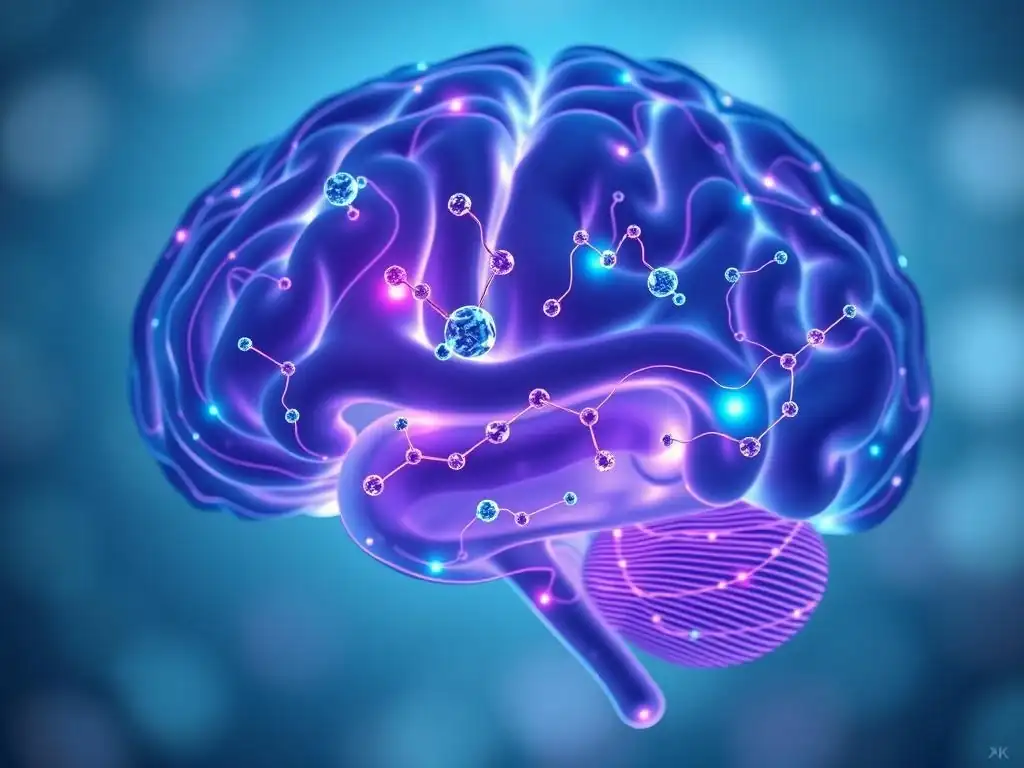
Welcome to Mind Care Guide, a sanctuary for understanding the intricate landscape of mental well-being. Feeling overwhelmed by the complexities of antipsychotic medications and their impact on neurotransmitters like dopamine and serotonin? You're not alone. This article dives deep into dopamine serotonin antipsychotic medication side effects, offering a clear and compassionate exploration of their mechanisms and what you can expect. Curious about how these medications work and how to navigate potential challenges? Let's unravel the science together and empower you with knowledge.
Antipsychotic Medications: Modulating Dopamine and Serotonin Pathways for Clarity
- Understanding Antipsychotic Medications and Their Role in Mental Health
- Dopamine and Serotonin: Key Neurotransmitters Targeted by Antipsychotics
- Types of Antipsychotic Medications: A Comparative Overview
- The Benefits of Antipsychotic Medication: Managing Symptoms and Improving Quality of Life
-
Dopamine Serotonin Antipsychotic Medication Side Effects: What You Need to Know
- Common Side Effects of Antipsychotics: A Detailed Look
- Metabolic Side Effects: Weight Gain, Diabetes, and Lipid Abnormalities
- Extrapyramidal Symptoms (EPS): Tardive Dyskinesia, Akathisia, and Parkinsonism
- Cardiac Side Effects: QT Prolongation and Arrhythmias
- Managing and Mitigating Antipsychotic Medication Side Effects: Strategies and Interventions
- Optimizing Antipsychotic Treatment: Dosage, Monitoring, and Adherence
- Antipsychotic Medication and Pregnancy: Considerations and Risks
- Discontinuing Antipsychotic Medication: A Gradual Process
- Alternative and Complementary Therapies for Mental Health: A Holistic Approach
- Living Well with a Mental Illness: Resources and Support
- The Future of Antipsychotic Medication: Research and Development
-
Frequently Asked Questions
- What are antipsychotic medications, and how do they relate to dopamine and serotonin?
- What are some common side effects associated with antipsychotic medications?
- How do antipsychotic medications affect dopamine and serotonin levels specifically?
- Can antipsychotic medications be used to treat conditions other than schizophrenia and bipolar disorder?
- What should I do if I experience severe side effects from my antipsychotic medication?
- Final Reflection: Navigating the Complex Landscape of Antipsychotic Medication
- Unlock Your Mental Clarity: Next Steps to a Brighter You
Understanding Antipsychotic Medications and Their Role in Mental Health
The Neuroscience of Mental Illness: Dopamine and Serotonin Imbalances
Our understanding of mental illness has increasingly focused on disruptions in the brain's intricate network of neurotransmitters, the chemical messengers that facilitate communication between neurons. Among the most studied are dopamine and serotonin, which play critical roles in regulating mood, cognition, motivation, and perception. Imbalances or dysregulation in the systems that produce, transmit, or receive these neurotransmitters are strongly implicated in the development of severe mental health conditions like schizophrenia, bipolar disorder, and major depressive disorder.
For instance, the dopamine hypothesis of schizophrenia posits that an overactivity in certain dopamine pathways, particularly the mesolimbic pathway, contributes significantly to positive symptoms such as hallucinations and delusions. Conversely, dysfunction in the mesocortical pathway is thought to underlie negative symptoms and cognitive deficits. Similarly, disruptions in serotonin signaling are widely linked to mood disorders, with lower levels or impaired function in certain serotonin circuits associated with depression and anxiety. The complexity lies in the interaction of these systems and how subtle shifts can profoundly impact mental well-being.
What are Antipsychotics and How Do They Work?
Antipsychotic medications are a class of psychotropic drugs primarily prescribed to manage psychosis, a state characterized by a loss of contact with reality, including symptoms like delusions and hallucinations. However, their utility extends to other conditions such as bipolar disorder (particularly during manic episodes) and severe depression with psychotic features. These medications exert their effects by interacting with neurotransmitter receptors in the brain, chiefly those for dopamine and serotonin.
The fundamental mechanism involves modulating the activity of these neurotransmitter systems, thereby restoring a degree of chemical balance. While the primary target for many antipsychotics is the dopamine D2 receptor, newer generations also significantly interact with serotonin receptors, particularly the 5-HT2A receptor. This differential targeting of dopamine and serotonin pathways is key to understanding their varying efficacy profiles, potential benefits, and the range of dopamine serotonin antipsychotic medication side effects associated with different drugs within this class.
Dopamine and Serotonin: Key Neurotransmitters Targeted by Antipsychotics
Dopamine Pathways and Their Role in Mental Disorders
Dopamine is a crucial neurotransmitter involved in reward, motivation, pleasure, motor control, and executive functions. In the context of mental health, its effects are mediated through distinct pathways originating in the midbrain. The mesolimbic pathway, projecting from the ventral tegmental area (VTA) to the limbic system (including the nucleus accumbens and amygdala), is associated with reward and motivation but is also linked to the positive symptoms of schizophrenia when hyperactive. Blocking dopamine D2 receptors in this pathway is a primary action of antipsychotics to reduce these symptoms.
The mesocortical pathway, also originating in the VTA but projecting to the prefrontal cortex, is involved in cognition, motivation, and emotional regulation. Hypoactivity in this pathway is thought to contribute to the negative and cognitive symptoms of schizophrenia. The nigrostriatal pathway, from the substantia nigra to the striatum, is critical for motor control; blocking D2 receptors here can lead to movement disorders.
Finally, the tuberoinfundibular pathway, from the hypothalamus to the pituitary gland, regulates prolactin release; D2 blockade here can cause elevated prolactin levels. Understanding these pathways is vital for appreciating the diverse effects and potential dopamine serotonin antipsychotic medication side effects of these drugs.
Serotonin Pathways and Their Influence on Mood and Behavior
Serotonin (5-hydroxytryptamine, 5-HT) is another widespread neurotransmitter with profound effects on mood, sleep, appetite, social behavior, memory, and cognitive function. Serotonin-producing neurons are primarily located in the raphe nuclei in the brainstem and project throughout the brain, influencing numerous circuits. Dysregulation of serotonin signaling is implicated in a range of conditions, including depression, anxiety disorders, obsessive-compulsive disorder, and potentially the negative and cognitive symptoms observed in schizophrenia.
Serotonin exerts its effects through a diverse family of receptors (at least 14 subtypes). Antipsychotic medications, particularly the second-generation or atypical antipsychotics, often interact significantly with the serotonin 5-HT2A receptor.
Blocking this receptor, in addition to D2 blockade, is hypothesized to offer advantages, such as potentially reducing extrapyramidal side effects by modulating dopamine release in the nigrostriatal pathway and possibly improving mood and negative symptoms by influencing dopamine and serotonin balance in other brain regions. This interaction with both dopamine and serotonin pathways contributes to the unique profiles of these medications and their associated dopamine serotonin antipsychotic medication side effects.
Types of Antipsychotic Medications: A Comparative Overview
First-Generation Antipsychotics (FGAs) or Typical Antipsychotics: Mechanism of Action
First-generation antipsychotics, also known as typical or conventional antipsychotics, were the first class of these medications to be developed, starting in the 1950s with chlorpromazine. Their primary mechanism of action involves potent blockade of dopamine D2 receptors in the brain. By significantly reducing dopamine signaling, particularly in the mesolimbic pathway, FGAs are effective at reducing positive symptoms of psychosis, such as hallucinations, delusions, and disorganized thinking. Examples include haloperidol, fluphenazine, and perphenazine.
While effective for positive symptoms, their relatively selective and potent D2 blockade across multiple brain pathways also accounts for their characteristic dopamine serotonin antipsychotic medication side effects. High levels of D2 blockade in the nigrostriatal pathway lead to a significant risk of extrapyramidal symptoms (EPS), mimicking Parkinson's disease. Blockade in the tuberoinfundibular pathway frequently causes elevated prolactin levels (hyperprolactinemia). These side effect profiles often led to challenges with patient adherence.
Second-Generation Antipsychotics (SGAs) or Atypical Antipsychotics: A More Balanced Approach?
Second-generation antipsychotics, or atypical antipsychotics, emerged in the late 1980s and early 1990s with clozapine and risperidone. This class is characterized by a broader receptor binding profile compared to FGAs, notably combining dopamine D2 receptor blockade with significant serotonin 5-HT2A receptor antagonism. The hypothesis is that this dual action, particularly the 5-HT2A blockade, modulates dopamine activity in a way that reduces the risk of EPS compared to typicals, while still effectively managing positive symptoms. Some SGAs also have affinity for other receptors, including histamine, alpha-adrenergic, and other serotonin subtypes, contributing to their diverse effects and side effect profiles.
Examples of SGAs include olanzapine, quetiapine, ziprasidone, aripiprazole, lurasidone, and cariprazine. While often having a lower risk of EPS and hyperprolactinemia than FGAs, SGAs are associated with a higher risk of metabolic side effects, such as weight gain, dyslipidemia, and increased risk of Type 2 diabetes. This highlights that while potentially offering a "more balanced" approach in terms of motor side effects, they introduce different, often significant, dopamine serotonin antipsychotic medication side effects that require careful monitoring.
Comparing FGAs and SGAs: Efficacy, Receptor Binding Profiles, and Metabolic Effects
When comparing FGAs and SGAs, research suggests that they are generally similar in efficacy for treating the positive symptoms of schizophrenia in large populations. However, individual responses vary greatly. The key differences lie primarily in their side effect profiles, stemming directly from their distinct receptor binding patterns involving dopamine, serotonin, and other neurotransmitters. FGAs, with their potent D2 blockade, have a higher propensity for causing extrapyramidal symptoms like Parkinsonism and tardive dyskinesia, and elevate prolactin more frequently.
SGAs, with their combination of D2 and 5-HT2A blockade and activity at other receptors, typically have a lower risk of EPS and hyperprolactinemia. However, they carry a significantly higher risk of metabolic abnormalities. Medications like olanzapine and clozapine are particularly associated with substantial weight gain (often exceeding 20-30 pounds in the first year for some patients), increased blood glucose (raising the risk of diabetes by 2-3 times compared to the general population in some studies), and unfavorable lipid profiles. Managing these diverse dopamine serotonin antipsychotic medication side effects is a major consideration in treatment selection.
The Benefits of Antipsychotic Medication: Managing Symptoms and Improving Quality of Life
Reducing Psychotic Symptoms: Hallucinations, Delusions, and Disorganized Thinking
The primary and most significant benefit of antipsychotic medications is their ability to effectively reduce or eliminate psychotic symptoms. By modulating dopamine and serotonin activity in key brain regions, these medications can dramatically decrease the frequency and intensity of hallucinations (perceiving things that aren't there) and delusions (holding strong false beliefs). This reduction in positive symptoms allows individuals to regain a clearer sense of reality, diminishing the distress and functional impairment caused by psychosis.
Furthermore, antipsychotics help to reduce disorganized thinking, a hallmark symptom where thoughts are jumbled, illogical, or disconnected, making communication and coherent behavior difficult. By stabilizing thought processes, these medications enable individuals to think more clearly, organize their thoughts, and engage more effectively with their environment and other people. This fundamental improvement in cognitive clarity is essential for recovery and improving the overall quality of life.
Stabilizing Mood and Reducing Agitation in Bipolar Disorder
Beyond their use in schizophrenia, antipsychotic medications, particularly second-generation agents, are widely used in the management of bipolar disorder. They are highly effective in treating acute manic or mixed episodes, helping to quickly reduce symptoms like elevated mood, grandiosity, decreased need for sleep, rapid speech, and impulsive or reckless behavior. Their calming and mood-stabilizing effects can bring rapid relief during severe episodes.
Antipsychotics are also used as maintenance therapy in bipolar disorder, often in combination with mood stabilizers like lithium or valproate. They help prevent the recurrence of manic or depressive episodes and can reduce agitation and irritability associated with the illness. While managing bipolar disorder involves a complex approach, antipsychotics play a crucial role in stabilizing mood and preventing the extreme highs and lows that characterize the condition, though monitoring for dopamine serotonin antipsychotic medication side effects remains necessary.
Addressing Co-occurring Mental Health Conditions: Anxiety and Depression
Antipsychotic medications can also be beneficial in addressing co-occurring mental health conditions that often accompany primary psychotic or mood disorders. Some atypical antipsychotics, like quetiapine, lurasidone, and cariprazine, have demonstrated efficacy as adjunctive treatments for major depressive disorder when standard antidepressants are insufficient. Their mechanisms in depression are thought to involve modulation of serotonin, dopamine, and other neurotransmitter systems beyond typical D2 blockade.
Furthermore, anxiety is a common co-occurring symptom in conditions like schizophrenia and bipolar disorder. While not a primary treatment for anxiety disorders in general, antipsychotics can help reduce anxiety symptoms when they are part of a broader psychotic or mood presentation. By stabilizing the underlying condition, they can indirectly alleviate associated distress and anxiety. This broader spectrum of benefit contributes to their role in comprehensive mental health care, requiring careful consideration of both intended effects and potential dopamine serotonin antipsychotic medication side effects.
Dopamine Serotonin Antipsychotic Medication Side Effects: What You Need to Know
Common Side Effects of Antipsychotics: A Detailed Look
While antipsychotics are invaluable for managing severe mental illness, it is crucial to be aware of the potential dopamine serotonin antipsychotic medication side effects. Many common side effects stem from the medication's interaction with dopamine, serotonin, and other receptors (like histamine and alpha-adrenergic) throughout the brain and body. These can vary significantly depending on the specific drug, dosage, and individual patient sensitivity.
Common side effects include sedation or drowsiness (often related to histamine blockade), dry mouth, constipation, blurred vision, and difficulty urinating (anticholinergic effects). Dizziness or lightheadedness upon standing (orthostatic hypotension) can occur due to alpha-adrenergic blockade. Weight gain is a very common side effect, particularly with many SGAs. Patients may also experience increased appetite or restlessness (akathisia). While often manageable, these effects can impact daily life and treatment adherence.
Metabolic Side Effects: Weight Gain, Diabetes, and Lipid Abnormalities
One of the most concerning categories of dopamine serotonin antipsychotic medication side effects, particularly with second-generation agents like olanzapine and clozapine, involves metabolic disturbances. Significant weight gain is very common, with average gains often ranging from 10 to 20 pounds in the first year, and some individuals experiencing much larger increases. This weight gain is associated with changes in appetite, metabolism, and potentially direct effects on insulin signaling.
Beyond weight gain, these medications can increase the risk of developing Type 2 diabetes and dyslipidemia (abnormal cholesterol and triglyceride levels). Studies have shown that patients on certain SGAs may have a 2-3 times higher risk of developing diabetes compared to the general population. These metabolic changes significantly increase the risk of cardiovascular disease, which is already elevated in individuals with severe mental illness. Regular monitoring of weight, waist circumference, blood glucose, and lipid levels is essential.
Extrapyramidal Symptoms (EPS): Tardive Dyskinesia, Akathisia, and Parkinsonism
Extrapyramidal symptoms (EPS) are motor side effects that arise from dopamine D2 receptor blockade in the nigrostriatal pathway, mimicking dysfunction in the basal ganglia. These are more common and severe with first-generation antipsychotics but can occur with some SGAs (like risperidone). Parkinsonism includes symptoms like tremor, rigidity, slowed movement (bradykinesia), and a shuffling gait.
Akathisia is a distressing feeling of inner restlessness or inability to sit still, often manifesting as fidgeting or pacing. Tardive dyskinesia (TD) is a potentially irreversible late-onset EPS characterized by involuntary, repetitive movements, most often affecting the face (lip-smacking, tongue thrusting), but also potentially involving the limbs or trunk. The risk of TD increases with duration of exposure and dosage; estimates for long-term FGA use range from 20-30%, while SGAs have a lower but still present risk, perhaps 5-10% over several years. Managing these dopamine serotonin antipsychotic medication side effects often requires dosage adjustments or switching medications.
Cardiac Side Effects: QT Prolongation and Arrhythmias
Certain antipsychotic medications can affect the heart's electrical activity, specifically prolonging the QT interval on an electrocardiogram (ECG). A prolonged QT interval increases the risk of a potentially life-threatening irregular heartbeat called Torsades de Pointes. While relatively rare, this is a serious dopamine serotonin antipsychotic medication side effect that requires careful consideration, especially in patients with pre-existing heart conditions or those taking other medications that prolong the QT interval.
Medications like ziprasidone and higher doses of haloperidol are more commonly associated with this risk, although others can also contribute. Due to this risk, an ECG may be recommended before starting certain antipsychotics and periodically during treatment, especially if risk factors are present. Monitoring for symptoms like palpitations, dizziness, or fainting is also important.
Managing and Mitigating Antipsychotic Medication Side Effects: Strategies and Interventions
Managing dopamine serotonin antipsychotic medication side effects is a critical part of treatment and involves several strategies. The first step is careful monitoring and open communication with the healthcare provider about any new or worsening symptoms. Sometimes, simply adjusting the dosage can alleviate certain side effects while maintaining efficacy.
Switching to a different antipsychotic medication with a more favorable side effect profile for the individual patient is another common strategy, though this must be done gradually and under medical supervision. For specific side effects, adjunctive medications may be prescribed; for example, beta-blockers for akathisia, anticholinergic agents for Parkinsonism (though these have their own side effects), or metformin for metabolic issues. Lifestyle interventions, such as dietary changes and increased physical activity, are crucial for managing weight gain and metabolic risks.
Optimizing Antipsychotic Treatment: Dosage, Monitoring, and Adherence
Finding the Right Antipsychotic Dosage: Individualized Treatment Plans
Determining the optimal dosage of an antipsychotic medication is a highly individualized process. There is no one-size-fits-all dose; the appropriate amount depends on various factors, including the specific medication chosen, the severity and nature of the symptoms being treated, the patient's age, weight, metabolism, kidney and liver function, and their response to the medication, including tolerance of dopamine serotonin antipsychotic medication side effects.
The goal is typically to find the lowest effective dose that adequately controls symptoms while minimizing side effects. Treatment often begins with a low dose that is gradually increased until symptoms improve. Regular assessment of symptom severity and side effects is crucial to fine-tune the dosage over time. This requires close collaboration between the patient and their prescribing physician.
Regular Monitoring for Side Effects: Blood Tests, Physical Exams, and Mental Status Assessments
Consistent and thorough monitoring is essential when a person is taking antipsychotic medication to detect and manage potential dopamine serotonin antipsychotic medication side effects early. This involves a combination of clinical assessments and laboratory tests. Physical exams should include regular monitoring of weight, waist circumference, blood pressure, and heart rate. Neurological exams are important to screen for extrapyramidal symptoms like tremor, rigidity, and involuntary movements (tardive dyskinesia).
Blood tests are crucial for monitoring metabolic health (fasting glucose and lipid panel), liver function, kidney function, and sometimes complete blood count. For certain medications or patients, prolactin levels may be checked, and an electrocardiogram (ECG) may be performed to assess cardiac risk. The frequency of these tests and exams depends on the specific medication, patient risk factors, and treatment phase (more frequent during initiation, less frequent during stable maintenance, perhaps quarterly or annually). Mental status assessments are also vital to evaluate symptom control and cognitive changes.
The Importance of Medication Adherence: Overcoming Challenges and Building Support Systems
Medication adherence, taking medication as prescribed, is perhaps the single most important factor for successful long-term management of conditions treated with antipsychotics. Consistent adherence significantly reduces the risk of relapse, hospitalization, and worsening symptoms. However, adherence can be challenging for many reasons, including the presence of dopamine serotonin antipsychotic medication side effects, lack of insight into the illness, stigma associated with mental illness and medication, cost, and complex dosing schedules.
Overcoming these challenges requires a multi-faceted approach. Psychoeducation about the illness and the role of medication is crucial. Simplifying the medication regimen, if possible, can help. For individuals struggling with daily pills, long-acting injectable antipsychotics are available for some medications, offering consistent dosing over weeks or months. Building a strong support system involving family, friends, and mental health professionals can provide encouragement, practical assistance, and accountability, significantly improving the likelihood of consistent adherence.
Antipsychotic Medication and Pregnancy: Considerations and Risks
Antipsychotic Use During Pregnancy: Potential Effects on the Developing Fetus
The decision to use antipsychotic medication during pregnancy is complex and requires careful consideration of the risks and benefits for both the pregnant individual and the developing fetus. Untreated severe mental illness during pregnancy can pose significant risks, including poor prenatal care, nutritional deficiencies, increased stress, and a higher likelihood of postpartum complications. Therefore, discontinuing medication is not always the safest option.
However, exposure to antipsychotics during pregnancy also carries potential risks. While major congenital malformations are generally not significantly increased with most antipsychotics compared to the general population, there are concerns about neonatal adaptation syndrome (NAS). NAS refers to temporary withdrawal-like symptoms in newborns exposed to antipsychotics in utero, which can include tremors, irritability, feeding difficulties, respiratory problems, and muscle stiffness or floppiness. These symptoms typically resolve within days or weeks but may require supportive care. Long-term neurodevelopmental effects are still being studied, and data is often limited or conflicting for many medications.
Given the complexities, the decision regarding antipsychotic use during pregnancy must be made through shared decision-making involving the pregnant individual, their psychiatrist, and often an obstetrician. This process involves carefully weighing the severity of the mental illness, the potential risks of relapse if medication is stopped, the specific medication being used (as risk profiles vary), and the potential risks to the fetus.
Discussion should include the lowest effective dose, monotherapy if possible, and the potential need for closer monitoring during pregnancy and immediately after birth. Planning for the postpartum period, including the risk of postpartum psychosis or depression and considerations for breastfeeding while on medication, is also an important part of this process. The goal is to optimize maternal mental health while minimizing potential risks to the baby.
Discontinuing Antipsychotic Medication: A Gradual Process

The Importance of Tapering Off Antipsychotics Under Medical Supervision
Discontinuing antipsychotic medication, even after symptoms have been stable for a long time, should never be done abruptly. Suddenly stopping these medications can lead to significant problems, including withdrawal symptoms and a high risk of rapid relapse of the underlying mental illness. The brain adapts to the presence of these medications, and removing them too quickly can disrupt the re-established neurotransmitter balance, particularly involving dopamine and serotonin pathways.
Therefore, it is crucial that any decision to discontinue antipsychotic medication is made in consultation with a prescribing physician and implemented through a gradual tapering process. A slow taper allows the brain to gradually readjust to functioning without the medication, minimizing withdrawal effects and reducing the likelihood of immediate relapse. The tapering schedule will vary depending on the specific medication, dosage, duration of treatment, and individual response.
Managing Withdrawal Symptoms: Strategies for a Smooth Transition
Even with a gradual taper, some individuals may experience withdrawal symptoms when coming off antipsychotics. These can include physical symptoms such as nausea, vomiting, diarrhea, restlessness, sweating, and insomnia, as well as psychological symptoms like anxiety, irritability, and even a return of mild psychotic symptoms (though this needs to be differentiated from relapse). Involuntary movements resembling tardive dyskinesia can also sometimes emerge or worsen temporarily during withdrawal.
Strategies to manage these symptoms include slowing down the taper further if symptoms are severe. Symptomatic treatments may be used to alleviate specific issues, such as anti-nausea medication or sleep aids, though caution is needed to avoid polypharmacy. Close monitoring by the healthcare team is essential throughout the tapering process to assess for withdrawal symptoms and signs of impending relapse, allowing for adjustments to the plan as needed to ensure a smoother transition.
Alternative and Complementary Therapies for Mental Health: A Holistic Approach
Cognitive Behavioral Therapy (CBT) and Mindfulness
While antipsychotic medications are often essential for managing severe symptoms, a holistic approach to mental health treatment frequently includes alternative and complementary therapies. Psychotherapy, such as Cognitive Behavioral Therapy (CBT), is a cornerstone. CBT helps individuals identify and challenge negative thought patterns and maladaptive behaviors that contribute to their distress. For those with psychosis, CBT can help manage distressing symptoms like voices or paranoia by developing coping strategies and altering interpretations of experiences.
Mindfulness-based practices, including meditation and yoga, can also be beneficial. Mindfulness involves focusing on the present moment without judgment and can help individuals develop greater self-awareness and emotional regulation skills. These therapies can serve as valuable adjuncts to medication, helping individuals build resilience, improve coping skills, and enhance their overall well-being, potentially also helping manage some psychological aspects related to dopamine serotonin antipsychotic medication side effects like anxiety or restlessness.
The Role of Lifestyle Factors: Diet, Exercise, and Sleep Hygiene
Lifestyle factors play a significant role in mental and physical health and can complement pharmacological treatment. Regular physical activity, for instance, has been shown to improve mood, reduce anxiety, and can help mitigate some dopamine serotonin antipsychotic medication side effects, particularly weight gain and metabolic issues. Aiming for at least 150 minutes of moderate-intensity exercise per week, as recommended by health guidelines, can make a substantial difference.
A balanced and healthy diet is also crucial. Proper nutrition supports brain function and can help manage weight and metabolic health, counteracting some common antipsychotic side effects. Limiting processed foods, sugar, and unhealthy fats while increasing intake of fruits, vegetables, lean proteins, and whole grains is beneficial. Good sleep hygiene is equally important, as sleep disturbances are common in many mental illnesses and can worsen symptoms. Establishing a regular sleep schedule, creating a relaxing bedtime routine, and ensuring a conducive sleep environment can improve sleep quality and overall functioning.
Living Well with a Mental Illness: Resources and Support
Finding Support Groups and Mental Health Professionals
Living with a mental illness managed by antipsychotic medication requires ongoing support and access to resources. Connecting with mental health professionals is paramount. This typically includes a psychiatrist or other prescribing physician for medication management, and often a therapist (psychologist, licensed clinical social worker, counselor) for psychotherapy. Case managers can also provide valuable assistance in navigating the healthcare system and accessing community resources.
Joining support groups can provide invaluable peer support. Organizations like the National Alliance on Mental Illness (NAMI) or the Depression and Bipolar Support Alliance (DBSA) offer groups where individuals can share experiences, coping strategies, and find understanding from others facing similar challenges. These groups can reduce feelings of isolation and empower individuals in their recovery journey, offering practical tips often related to managing symptoms and dopamine serotonin antipsychotic medication side effects.
Building a Strong Support Network: Family, Friends, and Community
Beyond formal support systems, building and maintaining a strong personal network of family, friends, and community connections is vital for long-term well-being. Open communication with loved ones about the illness and treatment can foster understanding and provide crucial emotional and practical support. Educating family members about the condition, symptoms, and the role of medication (including potential dopamine serotonin antipsychotic medication side effects) can help them provide more effective support.
Engaging in community activities, pursuing hobbies, and maintaining social connections can combat isolation and contribute to a sense of purpose and belonging. While mental illness can sometimes strain relationships, nurturing supportive connections is fundamental to recovery and living a fulfilling life despite the challenges.
The Future of Antipsychotic Medication: Research and Development
Novel Antipsychotic Medications: Exploring New Targets and Mechanisms of Action
Research into the neuroscience of mental illness continues to uncover new potential targets for pharmacological intervention, driving the development of novel antipsychotic medications. While current drugs primarily modulate dopamine and serotonin, future treatments may target other neurotransmitter systems or pathways implicated in psychosis and mood disorders. For example, research is exploring drugs that target glutamate pathways (e.g., via NMDA receptors or metabotropic glutamate receptors), which are involved in synaptic plasticity and cognitive function and are thought to be dysregulated in schizophrenia.
Other novel approaches include targeting trace amine-associated receptor 1 (TAAR1), which can regulate dopamine, serotonin, and glutamate release, or muscarinic receptors, which are involved in cognition and other brain functions. The aim of these new developments is to achieve comparable or improved efficacy in treating symptoms while minimizing the significant dopamine serotonin antipsychotic medication side effects associated with current medications, particularly the metabolic and motor risks.
Personalized Medicine: Tailoring Treatment Based on Genetic and Biomarker Profiles
A significant area of future development lies in personalized medicine. Currently, selecting an antipsychotic often involves trial and error, as individual responses and susceptibility to dopamine serotonin antipsychotic medication side effects vary widely. Future approaches may utilize genetic testing (pharmacogenomics) to predict how an individual metabolizes certain medications (e.g., based on cytochrome P450 enzyme variations) or their likelihood of experiencing specific side effects.
Identifying biomarkers (measurable indicators of biological state) through blood tests, brain imaging, or other methods could also help predict treatment response or risk profiles. This would allow clinicians to tailor treatment selection and dosage more precisely to the individual patient from the outset, leading to more effective symptom control with fewer adverse effects. While still in its early stages, personalized medicine holds the promise of revolutionizing how mental illnesses are treated with antipsychotic medications.
Frequently Asked Questions
What are antipsychotic medications, and how do they relate to dopamine and serotonin?
Antipsychotic medications are primarily used to treat conditions like schizophrenia and bipolar disorder by modulating dopamine and serotonin pathways in the brain. They aim to reduce symptoms such as hallucinations and delusions.
What are some common side effects associated with antipsychotic medications?
Common side effects can include weight gain, drowsiness, and movement disorders like tardive dyskinesia. It's crucial to discuss potential side effects with your doctor.
How do antipsychotic medications affect dopamine and serotonin levels specifically?
Generally, antipsychotics block dopamine receptors, reducing dopamine activity. Some also affect serotonin receptors, influencing both mood and behavior.
Can antipsychotic medications be used to treat conditions other than schizophrenia and bipolar disorder?
While primarily used for schizophrenia and bipolar disorder, they can be prescribed off-label for other conditions like severe anxiety or depression, but this requires careful consideration by a medical professional.
What should I do if I experience severe side effects from my antipsychotic medication?
Contact your doctor immediately if you experience severe or concerning side effects. Do not stop taking your medication abruptly without consulting your healthcare provider.
The delicate balance between dopamine and serotonin, as modulated by antipsychotic medications, remains a critical area of ongoing research and clinical practice. Understanding this balance is not merely an academic pursuit; it directly impacts the lives of millions grappling with mental health challenges and the side effects of their treatment. The potential for both profound benefit and significant adverse effects necessitates a nuanced and compassionate approach.
The journey of exploring the intricate interplay of these neurotransmitters has profoundly shaped my understanding of mental illness and the limitations—and possibilities—of pharmacological intervention. The sheer complexity of the brain, and the individual variability in response to medication, underscores the importance of personalized treatment plans and ongoing patient monitoring. The most beautiful thing we can experience is the mysterious. It is the source of all true art and science.
– Albert Einstein. This quote resonates deeply, highlighting the ongoing mystery and the continuous need for exploration within the field of psychopharmacology.
Consider the information presented within this article. Reflect on the potential benefits and drawbacks of antipsychotic medications, not just in terms of their impact on dopamine and serotonin, but also on the overall well-being of the individual. You are empowered to engage in informed discussions with your healthcare providers, advocating for treatment plans that prioritize your individual needs and minimize potential side effects. Let this knowledge serve as a catalyst for a more collaborative and understanding approach to mental healthcare.
Unlock Your Mental Clarity: Next Steps to a Brighter You
Thanks for taking the time to delve into the fascinating world of antipsychotic medications and their impact on dopamine and serotonin pathways. We hope you gained a clearer understanding of these complex processes! Now, let's turn that knowledge into action.
- Prioritize a conversation: Schedule a consultation with your doctor or psychiatrist to discuss your specific situation and explore whether these medications might be a helpful part of your treatment plan. This is the most important step.
- Share your newfound knowledge: Discuss what you've learned with a trusted friend or family member to help them understand mental health challenges better.
- Explore further: Delve deeper into specific neurotransmitters by researching reputable sources online (such as the National Institute of Mental Health).
What further questions do you have about optimizing your brain chemistry and maintaining mental wellbeing?