
Beyond Feeling Stressed: The Physical Remodeling of Your Brain's Structure

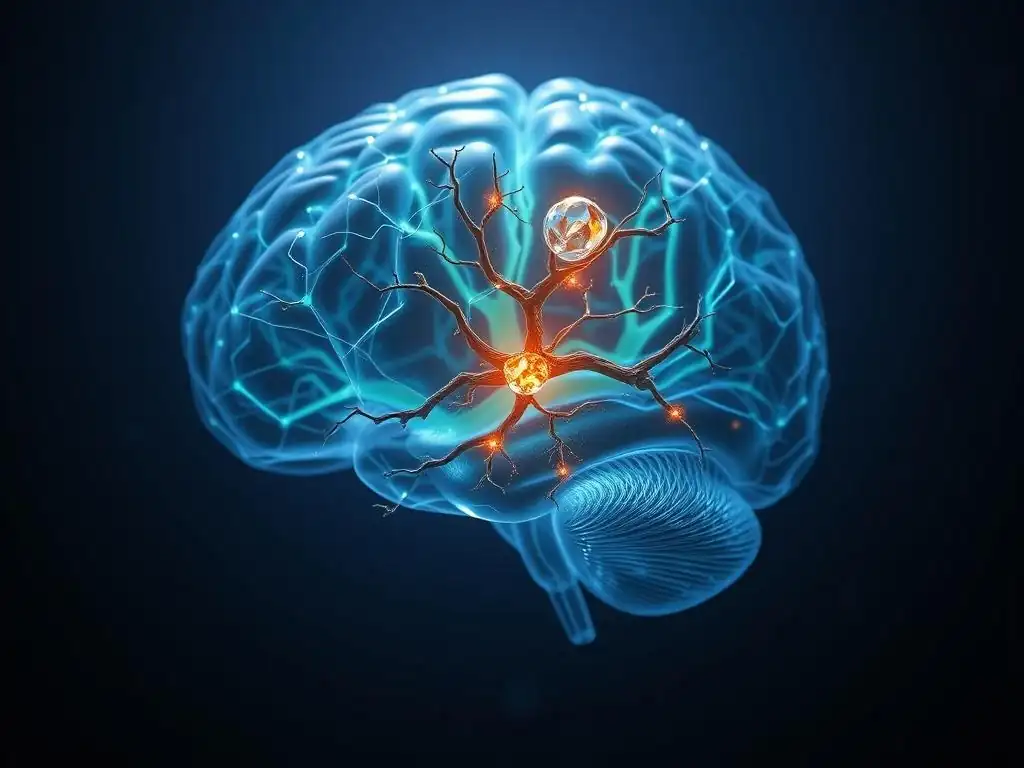
Welcome to Mind Care Guide, your sanctuary for mental well-being.
Ever wonder if that relentless stress is doing more than just making you feel frazzled? It is. Our brains are constantly adapting, and chronic stress can actually reshape its very structure. Dive into "Beyond Feeling Stressed: The Physical Remodeling of Your Brain's Structure" and discover groundbreaking brain stress remodeling techniques that can help you reclaim your mental landscape. Ready to understand how stress impacts your brain and, more importantly, what you can do about it? Let's explore the fascinating neuroscience behind mental health and find pathways to resilience, together.
The Impact of Chronic Stress on Brain Structure and Function
- Introduction: Understanding the Brain's Response to Stress
- Specific Brain Regions Affected by Chronic Stress
- The Mechanisms Underlying Stress-Induced Brain Changes
-
Strategies for Counteracting Stress-Induced Brain Changes
- Mindfulness Meditation: Reducing Amygdala Activity and Promoting Neurogenesis
- Aerobic Exercise: Increasing BDNF Levels and Enhancing Neuroplasticity
- Cognitive Restructuring: Challenging Negative Thought Patterns
- Sleep Optimization: Promoting Brain Repair and Consolidation
- Balanced Nutrition: Supporting Optimal Brain Function
- Lifestyle Modifications for Brain Health and Stress Reduction
- Emerging Research and Future Directions
- Conclusion: Promoting Brain Health Through Stress Management
-
Frequently Asked Questions
- What exactly are brain stress remodeling techniques, and why are they important?
- How does chronic stress physically remodel the brain?
- What are some practical examples of brain stress remodeling techniques I can implement in my daily life?
- How long does it typically take to see noticeable improvements from using brain stress remodeling techniques?
- Where can I find more comprehensive information and resources about brain stress remodeling techniques, especially from Mind Care Guide?
- Final Reflection: Reshaping Your Mind, Reshaping Your Life
- Unlock Your Brain's Resilience: Start Rewiring Today!
Introduction: Understanding the Brain's Response to Stress
The Neurobiology of Stress: An Overview
The human brain is remarkably adaptable, a trait known as neuroplasticity. This allows it to change and reorganize itself based on experiences. The stress response, mediated by the hypothalamic-pituitary-adrenal (HPA) axis, is a fundamental survival mechanism. When a threat is perceived, the hypothalamus triggers the release of corticotropin-releasing hormone (CRH), signaling the pituitary gland to release adrenocorticotropic hormone (ACTH).
ACTH then prompts the adrenal glands to secrete cortisol, the primary stress hormone. This cascade prepares the body for 'fight or flight' – increasing heart rate, blood pressure, and diverting energy resources. While beneficial in acute situations, this powerful system can become dysregulated under persistent stress.
Chronic stress, unlike acute stress, involves prolonged activation of the HPA axis and sustained high levels of cortisol. This constant chemical bath alters the delicate balance within the brain. Over time, this exposure doesn't just affect mood or behavior; it physically remodels specific brain regions. This remodeling can lead to significant changes in cognitive function, emotional regulation, and overall mental well-being. Understanding these biological impacts is the first step in appreciating the importance of proactive brain stress remodeling techniques.
Why Chronic Stress Alters the Brain: The Biological Basis
The brain's structural and functional changes under chronic stress are driven by several interconnected biological processes. Elevated cortisol levels are central to this, as cortisol receptors are abundant in key brain areas like the hippocampus and prefrontal cortex. Sustained cortisol exposure can impair neurogenesis (the birth of new neurons), particularly in the hippocampus, and can even cause dendrite retraction and neuronal atrophy. This effectively shrinks parts of the brain crucial for memory and executive function.
Furthermore, chronic stress promotes neuroinflammation. Microglia, the brain's immune cells, become hyperactive under prolonged stress, releasing inflammatory molecules like cytokines. These molecules can damage neurons and disrupt synaptic plasticity – the ability of synapses (the connections between neurons) to strengthen or weaken over time. This combination of impaired neurogenesis, neuronal atrophy, and neuroinflammation creates an environment where the brain is less resilient, less efficient, and structurally altered, underscoring the need for effective strategies for brain stress remodeling.
Strategies for Mitigating Stress-Induced Brain Changes: A Summary
Fortunately, the brain's neuroplasticity, while capable of maladaptive changes under stress, also allows for positive remodeling. A range of evidence-based strategies can help counteract the negative effects of chronic stress on brain structure and function. These brain stress remodeling techniques focus on reducing the stress response, promoting neurogenesis, enhancing synaptic plasticity, and reducing inflammation.
Key strategies include regular physical exercise, which boosts neurotrophic factors like Brain-Derived Neurotrophic Factor (BDNF); mindfulness and meditation practices, which can help regulate the amygdala and improve prefrontal cortex function; ensuring adequate and quality sleep, essential for brain repair and consolidation; adopting a balanced, nutrient-rich diet that supports brain health; and engaging in cognitive and social activities that stimulate neural networks. Implementing these techniques can help protect the brain from the detrimental effects of chronic stress and promote a more resilient neural architecture.
Specific Brain Regions Affected by Chronic Stress
The Amygdala: Heightened Threat Perception
The amygdala, often referred to as the brain's "fear center," is a small, almond-shaped structure deep within the temporal lobe. Its primary role is processing emotions, particularly fear and threat detection. Under acute stress, the amygdala becomes highly active, triggering a rapid response to potential danger. However, chronic stress leads to significant changes in the amygdala's structure and function. Studies have shown that prolonged stress can actually increase the size and density of neurons within the amygdala, particularly increasing dendritic branching.
This structural remodeling leads to a state of heightened vigilance and reactivity. The amygdala becomes hyper-responsive to stimuli, even those that are not truly threatening. This can manifest as increased anxiety, irritability, and an exaggerated fear response to everyday situations. For instance, a minor setback at work might trigger an intense feeling of panic disproportionate to the actual event because the stress-sensitized amygdala is flagging it as a major threat. This persistent state of alarm contributes significantly to anxiety disorders and other stress-related mental health conditions.
Increased Amygdala Activity: Anxiety and Fear
Research using functional magnetic resonance imaging (fMRI) consistently shows increased activity in the amygdala of individuals experiencing chronic stress, generalized anxiety disorder, or PTSD compared to healthy controls. In some studies, amygdala activity in response to negative stimuli has been observed to be up to 20-30% higher in individuals with chronic stress. This heightened activity means the brain is constantly on alert, misinterpreting neutral or ambiguous cues as potential dangers.
This chronic state of hyperarousal fuels feelings of anxiety and fear, making it difficult to relax or feel safe. The amygdala's increased influence can also hijack the prefrontal cortex's ability to regulate emotions, leading to difficulty controlling worry and fear. Effective techniques for remodeling the stress-affected brain often target calming this hyperactive amygdala circuit.
The Hippocampus: Impaired Memory and Learning
The hippocampus, another key structure in the temporal lobe, is crucial for learning, memory formation (especially episodic and spatial memory), and regulating the stress response itself (it has many cortisol receptors that signal the HPA axis to turn off). Unlike the amygdala, the hippocampus is particularly vulnerable to the damaging effects of chronic stress. High levels of cortisol can inhibit neurogenesis in the hippocampus, reducing the birth rate of new neurons, and can also cause existing neurons to shrink or lose their connections (synaptic plasticity is impaired).
This damage leads to a reduction in hippocampal volume. Studies on populations exposed to prolonged severe stress, such as combat veterans or individuals with Cushing's disease (a condition with excessive cortisol production), have reported hippocampal volume reductions ranging from approximately 5% to 15% compared to control groups. This physical shrinkage directly impacts the hippocampus's function, leading to noticeable deficits in memory and learning abilities.
Reduced Hippocampal Volume: Memory Deficits
The structural and functional impairment of the hippocampus under chronic stress results in concrete cognitive difficulties. People experiencing prolonged stress often report problems with memory, such as difficulty recalling details, learning new information, or navigating familiar environments. For example, someone might struggle to remember where they put their keys, recall details from a recent conversation, or learn a new skill at work – issues that weren't present before the stress began.
This reduced capacity for memory consolidation and retrieval can be frustrating and further exacerbate stress levels. The hippocampus's role in contextualizing fear memories is also affected; a smaller, less functional hippocampus may struggle to differentiate between safe and dangerous contexts, contributing to conditions like PTSD where fear is triggered inappropriately. Implementing brain stress remodeling techniques aimed at promoting hippocampal neurogenesis and plasticity is vital for restoring cognitive function.
The Prefrontal Cortex: Diminished Executive Function
The prefrontal cortex (PFC), located at the front of the brain, is the seat of executive functions. This includes complex cognitive abilities such as decision-making, planning, working memory, impulse control, attention, and regulating social behavior. The PFC also plays a critical role in dampening the stress response by inhibiting the amygdala and the HPA axis. Like the hippocampus, the PFC is sensitive to chronic stress, although the effects can be more complex and region-specific (e.g., dorsolateral PFC vs. ventromedial PFC).
Prolonged exposure to stress hormones and inflammatory markers can impair the function and connectivity of neurons in the PFC. This can lead to reduced activity in certain PFC areas, particularly those involved in higher-order cognitive processes. While the amygdala becomes hyperactive, the PFC often becomes hypoactive or less effective in its regulatory role, creating an imbalance that favors emotional reactivity over rational control.
Decreased Prefrontal Cortex Activity: Poor Decision-Making
The functional impairment of the prefrontal cortex under chronic stress translates directly into difficulties with executive functions. Individuals may find it harder to concentrate, make sound decisions, plan for the future, or control impulsive behaviors. For instance, someone under chronic stress might procrastinate more, make rash financial decisions, struggle to focus on tasks, or have difficulty inhibiting emotional outbursts.
Studies using neuroimaging have shown reduced activation in certain prefrontal regions during tasks requiring working memory or decision-making in stressed individuals. This decreased activity weakens the brain's ability to override automatic or emotional responses, leaving individuals more vulnerable to poor judgment and difficulty regulating their behavior. Strategies for brain stress remodeling that enhance PFC function are crucial for restoring cognitive control and resilience.
The Mechanisms Underlying Stress-Induced Brain Changes

Neuroplasticity: Maladaptive Changes in Response to Stress
Neuroplasticity is the brain's remarkable ability to reorganize itself by forming new neural connections throughout life. While often discussed in terms of learning and recovery from injury, neuroplasticity also underlies the negative changes induced by chronic stress. Instead of forming beneficial connections, the brain adapts in ways that reinforce the stress response and impair cognitive function.
Under chronic stress, maladaptive neuroplasticity occurs. This involves changes at the synaptic level – the connections between neurons. Synapses in the amygdala may strengthen, making it more reactive, while synapses in the hippocampus and prefrontal cortex may weaken, impairing their function. Furthermore, the balance between excitatory and inhibitory neurotransmitters can be disrupted. This altered synaptic landscape, combined with changes in neurogenesis and neuronal structure, represents the physical "remodeling" of the brain by stress, highlighting the necessity of deliberate brain stress remodeling techniques.
Cortisol's Role: Impact on Neuronal Structure and Function
Cortisol, the primary stress hormone, is a major culprit in stress-induced brain remodeling. Its effects are mediated through glucocorticoid receptors (GRs), which are widely distributed in the brain, particularly in the hippocampus and prefrontal cortex. While acute, transient exposure to cortisol can enhance memory consolidation related to the stressful event, chronic high levels are detrimental.
Sustained cortisol exposure impairs the function of GRs, leading to a diminished ability of the hippocampus and PFC to inhibit the HPA axis, creating a vicious cycle of stress hormone release. Cortisol also directly impacts neuronal structure: it can reduce the number of dendrites (branches that receive signals) and synapses in hippocampal and PFC neurons, effectively shrinking these areas and reducing their connectivity. In contrast, it can promote dendritic growth in the amygdala. This differential effect on brain regions underlies the observed pattern of amygdala hypertrophy and hippocampal/PFC atrophy seen in chronic stress states.
Inflammation: Contribution to Neurodegeneration
Chronic stress triggers a persistent, low-grade inflammatory response throughout the body, including the brain. Microglia, the brain's resident immune cells, are highly sensitive to stress hormones and inflammatory signals from the body. Under chronic stress, microglia become activated and release pro-inflammatory cytokines such as Interleukin-1 beta (IL-1β), Tumor Necrosis Factor-alpha (TNF-α), and Interleukin-6 (IL-6).
These cytokines can disrupt neurotransmitter systems, impair synaptic plasticity, and interfere with neurogenesis. Prolonged neuroinflammation can damage neurons and contribute to neurodegeneration – the progressive loss of structure or function of neurons. This inflammatory process exacerbates the structural changes induced by cortisol and contributes to the cognitive and emotional symptoms associated with chronic stress, including depression and anxiety. Addressing neuroinflammation is a key aspect of effective brain stress remodeling techniques.
Strategies for Counteracting Stress-Induced Brain Changes
Mindfulness Meditation: Reducing Amygdala Activity and Promoting Neurogenesis
Mindfulness meditation is a practice that involves focusing attention on the present moment without judgment. Regular mindfulness practice has been shown to have tangible effects on brain structure and function, particularly in areas affected by stress. Neuroimaging studies have demonstrated that mindfulness training can lead to decreased gray matter density in the amygdala, suggesting a reduction in its size or neuronal density, effectively making it less reactive.
Furthermore, mindfulness meditation has been linked to increased gray matter thickness in the prefrontal cortex, particularly areas involved in attention, self-awareness, and emotional regulation. Some research also suggests a potential for mindfulness to promote neurogenesis or improve neuronal health in the hippocampus. By strengthening the PFC's ability to regulate the amygdala and potentially supporting hippocampal function, mindfulness serves as a powerful technique for remodeling the stress-affected brain.
Guided Meditation Techniques for Stress Reduction
Engaging in guided meditation can be particularly helpful for beginners and provides structure for consistent practice. Many resources offer guided sessions focusing on body scans, mindful breathing, or loving-kindness meditation. A simple guided breathing exercise might involve:
- Finding a comfortable seated position.
- Closing your eyes gently.
- Bringing your attention to your breath as it enters and leaves your body.
- Noticing the sensations of the breath without trying to change them.
- When your mind wanders (which it will), gently guide your attention back to your breath.
- Practicing for 5-10 minutes daily.
Consistent practice, even for short periods, can gradually train the brain to be less reactive to stressors and improve emotional regulation. This is a fundamental brain stress remodeling technique.
Aerobic Exercise: Increasing BDNF Levels and Enhancing Neuroplasticity
Regular aerobic exercise is one of the most potent interventions for improving brain health and counteracting stress-induced damage. Physical activity increases blood flow to the brain, ensuring it receives adequate oxygen and nutrients. Crucially, exercise stimulates the production of neurotrophic factors, such as Brain-Derived Neurotrophic Factor (BDNF). BDNF is often referred to as "Miracle-Gro" for the brain because it supports the survival, growth, and differentiation of neurons and synapses.
Increased BDNF levels, particularly in the hippocampus and prefrontal cortex, promote neurogenesis and enhance synaptic plasticity. This helps rebuild and strengthen the neural circuits weakened by chronic stress. Studies have shown that regular aerobic exercise can increase hippocampal volume in adults, effectively reversing some of the shrinkage caused by stress and aging. Engaging in activities like brisk walking, running, swimming, or cycling for at least 150 minutes per week is a highly effective strategy for brain stress remodeling.
The Benefits of Regular Physical Activity on Brain Health
The positive effects of regular physical activity on brain health are extensive:
- Increases production of BDNF and other growth factors.
- Promotes neurogenesis in the hippocampus.
- Enhances synaptic plasticity, improving learning and memory.
- Reduces inflammation throughout the body and brain.
- Improves mood by releasing endorphins and regulating neurotransmitters like serotonin and dopamine.
- Improves sleep quality.
- Reduces overall stress hormone levels.
These combined effects make exercise a cornerstone brain stress remodeling technique that supports structural and functional brain health.
Cognitive Restructuring: Challenging Negative Thought Patterns
Chronic stress often leads to negative and distorted thinking patterns, such as catastrophizing, black-and-white thinking, or excessive worry. These thought patterns can amplify the stress response and reinforce negative neural pathways. Cognitive restructuring, a core technique in Cognitive Behavioral Therapy (CBT), involves identifying and challenging these unhelpful thoughts. The goal is to replace them with more balanced and realistic perspectives.
By consciously examining and modifying negative thoughts, individuals can change their emotional and physiological responses to stressors. This process helps to strengthen the prefrontal cortex's ability to evaluate situations rationally and regulate the emotional response generated by the amygdala. Learning to challenge cognitive distortions is an active technique for remodeling the stress-affected brain at the level of thought processes and their underlying neural circuits.
Techniques for Identifying and Modifying Distorted Thinking
Cognitive restructuring involves several steps:
- Identify the thought: Become aware of the specific negative thought triggered by a stressful situation (e.g., "I'm going to fail this presentation").
- Identify the distortion: Recognize common cognitive distortions in the thought (e.g., catastrophizing).
- Examine the evidence: Ask yourself: What is the evidence for this thought? What is the evidence against this thought? (e.g., "I've given presentations before and succeeded," "I practiced extensively").
- Develop a balanced thought: Create a more realistic and helpful alternative thought (e.g., "I feel nervous, but I am prepared, and I can handle this presentation").
- Act on the balanced thought: Behave in a way that aligns with the new thought.
Practicing these steps regularly can weaken the neural pathways associated with negative thinking and strengthen those related to more adaptive responses, serving as a powerful brain stress remodeling technique.
Sleep Optimization: Promoting Brain Repair and Consolidation
Sleep is not merely a period of rest; it is a crucial time for brain repair, consolidation of memories, and clearing metabolic waste products. Chronic stress often disrupts sleep patterns, leading to insomnia or poor sleep quality. Conversely, insufficient sleep exacerbates stress sensitivity and impairs cognitive function, creating a detrimental cycle. During deep sleep, particularly slow-wave sleep, the brain clears toxins, including those associated with neuroinflammation. During REM sleep, emotional memories are processed, which can help reduce their emotional intensity.
Lack of quality sleep impairs neurogenesis in the hippocampus and reduces the PFC's ability to regulate emotions and make decisions. Aiming for 7-9 hours of quality sleep per night is essential for allowing the brain to perform these vital restorative processes. Prioritizing sleep is a fundamental, yet often overlooked, brain stress remodeling technique.
Strategies for Improving Sleep Quality and Duration
Improving sleep hygiene can significantly impact brain health under stress. Consider these strategies:
- Maintain a consistent sleep schedule: Go to bed and wake up at the same time, even on weekends.
- Create a relaxing bedtime routine: This could include reading, taking a warm bath, or listening to calm music.
- Ensure your bedroom is dark, quiet, and cool: Optimize your environment for sleep.
- Avoid caffeine and alcohol before bed: These substances can disrupt sleep cycles.
- Limit screen time before sleep: The blue light emitted from devices can interfere with melatonin production.
- Avoid heavy meals close to bedtime.
- Get regular physical activity: But avoid intense exercise close to bedtime.
Implementing these sleep optimization techniques for remodeling the stress-affected brain supports essential overnight repair processes.
Balanced Nutrition: Supporting Optimal Brain Function
The brain is highly metabolically active and requires a steady supply of nutrients to function optimally. A diet rich in processed foods, sugar, and unhealthy fats can promote inflammation and oxidative stress, contributing to neurodegeneration and impairing cognitive function. Conversely, a balanced diet can support neuronal health, reduce inflammation, and provide the building blocks for neurotransmitters.
Nutrients crucial for brain health include omega-3 fatty acids (found in fatty fish, flaxseeds), antioxidants (found in fruits and vegetables), B vitamins, and minerals like zinc and magnesium. These nutrients support synaptic plasticity, protect against oxidative damage, regulate neurotransmitter synthesis, and reduce neuroinflammation. Adopting a brain-healthy diet is a foundational brain stress remodeling technique.
Dietary Recommendations for Reducing Neuroinflammation and Enhancing Resilience
Focusing on nutrient-dense foods can help mitigate the impact of stress on the brain:
- Increase intake of omega-3 fatty acids: Found in salmon, mackerel, sardines, walnuts, chia seeds, and flaxseeds. These fats are essential components of brain cell membranes and have anti-inflammatory properties.
- Consume plenty of fruits and vegetables: Aim for a wide variety of colors to ensure a broad spectrum of antioxidants and vitamins. Berries, leafy greens, and cruciferous vegetables are particularly beneficial.
- Choose whole grains over refined grains: Whole grains provide sustained energy and fiber.
- Include lean proteins: Such as poultry, fish, beans, and legumes, which provide amino acids needed for neurotransmitter production.
- Limit processed foods, sugary drinks, and excessive saturated/trans fats: These contribute to inflammation and oxidative stress.
- Stay hydrated: Dehydration can impair cognitive function.
Adopting these dietary habits is a passive yet powerful strategy for brain stress remodeling that supports long-term brain health.
Lifestyle Modifications for Brain Health and Stress Reduction

Humans are social creatures, and strong social connections are vital for both mental and physical health. Supportive relationships provide emotional buffering against stress, offer practical help, and promote feelings of belonging and security. Social isolation, conversely, is a significant stressor that has been linked to increased inflammation and poorer cognitive outcomes.
Engaging in meaningful social interactions can release oxytocin, a hormone that counteracts the effects of cortisol and promotes relaxation and trust. Social support networks can help individuals cope with challenges, share burdens, and reinforce positive behaviors. Nurturing relationships is a powerful, albeit sometimes challenging under stress, brain stress remodeling technique.
Effective Time Management: Reducing Overwhelm and Enhancing Control
Feeling overwhelmed by demands is a common source of chronic stress. Poor time management can lead to a constant sense of being behind, rushed, and out of control. Developing effective time management skills can help reduce this feeling of overwhelm by providing structure, clarity, and a sense of accomplishment.
Techniques such as prioritizing tasks, breaking down large projects into smaller steps, setting realistic deadlines, and learning to say no can significantly reduce stress levels. Gaining a sense of control over one's schedule and responsibilities can decrease the activation of the stress response system. This is a practical technique for remodeling the stress-affected brain by directly addressing situational stressors.
- Prioritize daily tasks using the Eisenhower Matrix (Urgent/Important).
- Break large projects into smaller, manageable steps.
- Use a planner or digital tool to track deadlines and appointments.
- Schedule short breaks throughout the day.
- Learn to delegate tasks when possible.
- Practice saying "no" to non-essential commitments that add stress.
Engaging in Enjoyable Activities: Boosting Mood and Cognitive Function
Making time for activities that bring joy and relaxation is essential for stress reduction and brain health. Hobbies, creative pursuits, spending time in nature, or listening to music can activate reward pathways in the brain, increasing dopamine and serotonin levels, which improve mood and counteract the negative emotional effects of stress.
These activities also provide a mental break from stressors, allowing the brain to recover. Engaging in novel or challenging enjoyable activities can also stimulate cognitive function and promote neuroplasticity. Prioritizing leisure and pleasure is a restorative brain stress remodeling technique that supports emotional resilience and cognitive well-being.
Emerging Research and Future Directions
Research continues to explore new ways to counteract the effects of chronic stress on the brain. This includes pharmacological approaches targeting specific pathways involved in the stress response and neuroinflammation, such as compounds that modulate the HPA axis or reduce cytokine production. For example, studies are investigating the therapeutic potential of certain antidepressants or novel compounds that enhance BDNF signaling or promote neurogenesis.
Beyond pharmaceuticals, non-invasive brain stimulation techniques, like transcranial magnetic stimulation (TMS) or transcranial direct current stimulation (tDCS), are being explored for their potential to modulate activity in brain regions affected by stress, such as the PFC and amygdala. These interventions aim to directly influence neural activity and connectivity to restore healthy brain function. Developing and refining these novel brain stress remodeling techniques is a key area of ongoing research.
Personalized Medicine: Tailoring Interventions to Individual Needs
It is increasingly recognized that the impact of stress and the effectiveness of interventions can vary significantly from person to person. Factors like genetics, individual stress history, personality traits, and social environment all play a role. The future of brain stress remodeling techniques likely lies in personalized medicine – tailoring interventions based on an individual's specific biological and psychological profile.
This could involve using biomarkers (e.g., cortisol levels, genetic markers, inflammatory markers) and neuroimaging data to identify which brain regions are most affected and which interventions (e.g., specific types of exercise, particular meditation practices, or targeted therapies) are most likely to be effective for that individual. This move towards personalized strategies for brain stress remodeling holds promise for more effective prevention and treatment outcomes.
Early Intervention: Preventing Long-Term Neurological Consequences
Given the potentially long-lasting effects of chronic stress on brain development and function, there is a growing focus on early intervention. Identifying individuals at risk for chronic stress or those experiencing early signs of its impact is crucial. Implementing brain stress remodeling techniques early in life or at the onset of chronic stress exposure can potentially prevent or significantly mitigate the structural and functional brain changes.
Programs promoting stress resilience in children and adolescents, workplace wellness initiatives focusing on stress management, and public health campaigns raising awareness about the brain effects of stress are examples of early intervention efforts. Preventing the maladaptive remodeling of the brain before it becomes entrenched is a key goal for future research and public health initiatives.
Conclusion: Promoting Brain Health Through Stress Management
Empowering Individuals to Manage Stress and Protect Brain Health
Understanding that chronic stress physically alters the brain is not meant to be alarming, but rather empowering. It highlights the critical importance of proactive stress management. The brain's neuroplasticity, while vulnerable to stress, also offers a powerful capacity for positive change and recovery. By adopting evidence-based brain stress remodeling techniques, individuals can actively work to protect and even enhance their brain health in the face of life's inevitable challenges.
Taking steps like incorporating regular exercise, practicing mindfulness, prioritizing sleep, eating a healthy diet, nurturing social connections, and developing effective coping strategies are not just about feeling better in the moment; they are essential investments in the long-term structural and functional integrity of your brain. You have the agency to influence your brain's architecture.
A Path Towards a More Resilient and Adaptable Brain
The journey of brain stress remodeling is ongoing. It involves consistent effort and self-compassion. By regularly applying the strategies discussed, you are actively shaping a brain that is more resilient to future stressors, more capable of regulating emotions, sharper in its cognitive abilities, and better equipped to support overall well-being.
This path acknowledges that stress is a part of life, but its impact on the brain does not have to be debilitating. It emphasizes building habits that foster a state of neural health and adaptability, moving away from a brain constantly on high alert towards one that can respond appropriately to challenges and return to a state of balance.
Resources for Further Learning and Support
Embarking on the path of brain stress remodeling can be supported by various resources. Books on mindfulness, stress reduction, and neuroscience can deepen understanding. Many apps and online platforms offer guided meditations and stress management programs. Consulting with mental health professionals, such as therapists or counselors, can provide personalized strategies and support for managing chronic stress and its effects. Support groups offer shared experiences and coping strategies. Remember, seeking help is a sign of strength on the journey toward a healthier, more resilient brain.
Frequently Asked Questions
What exactly are brain stress remodeling techniques, and why are they important?
These techniques aim to reverse or mitigate the physical changes that chronic stress can cause in the brain. They're crucial for improving mental well-being and cognitive function.
How does chronic stress physically remodel the brain?
Chronic stress can lead to a decrease in gray matter volume in areas like the prefrontal cortex and hippocampus. It can also increase the size of the amygdala, leading to heightened anxiety and fear responses.
What are some practical examples of brain stress remodeling techniques I can implement in my daily life?
Practices like mindfulness meditation, regular physical exercise, and ensuring adequate sleep are effective. These activities promote neuroplasticity and help rebuild damaged neural pathways.
How long does it typically take to see noticeable improvements from using brain stress remodeling techniques?
The timeline varies depending on individual factors and consistency, but many people report feeling improvements in mood and cognitive function within a few weeks to months. Long-term commitment is key.
Where can I find more comprehensive information and resources about brain stress remodeling techniques, especially from Mind Care Guide?
Mind Care Guide offers a wealth of information, including articles, guides, and support resources focused on mental well-being. Search the website for "brain stress remodeling" to find relevant content.
Final Reflection: Reshaping Your Mind, Reshaping Your Life
The relentless pressures of modern life are not just emotional burdens; they physically remodel the structure of our brains. This isn't a passive process; understanding how stress impacts our neural pathways empowers us to actively counteract its negative effects and cultivate resilience. The techniques explored in this article—from mindfulness practices to targeted exercise—offer tangible pathways to a healthier, more adaptable brain.
The ongoing exploration of brain plasticity underscores the incredible capacity for change and growth within each of us. This isn't simply about managing stress; it's about actively shaping our neurological landscape to promote well-being and enhance cognitive function. As Norman Cousins famously stated, The human body has an amazing capacity for self-repair. The more we learn about it, the more we can harness its power to heal.
This quote highlights the proactive role we can play in our own neurological health, moving beyond passive acceptance of stress to active engagement in its mitigation.
Consider the information presented within this article. What resonates most deeply with your own experiences? What steps can you take today, even a small one, to begin reshaping your brain's response to stress? Commit to incorporating even one new technique into your daily routine. By actively engaging in these practices, you are not merely managing stress; you are investing in the long-term health and well-being of your mind and body. The journey towards a more resilient and adaptable brain begins with a single, conscious step.
Unlock Your Brain's Resilience: Start Rewiring Today!
Thanks for taking the time to explore the incredible plasticity of your brain! You've now learned how stress impacts its structure and how you can actively work towards positive change. Ready to put this knowledge into action?
- Prioritize a daily mindfulness practice: Even 5-10 minutes of focused breathing or meditation can significantly impact your brain's response to stress. Try a guided meditation app or simply find a quiet space to focus on your breath.
- Incorporate gentle movement into your routine: A walk in nature, a yoga session, or even just stretching can do wonders for reducing stress and promoting neural growth.
- Share this article with someone who might benefit: Help spread the word about the power of brain plasticity and the importance of stress management.
What small step will you take today to begin remodeling your brain for greater resilience?