The Neurochemistry of Goals: How Dopamine Helps You Achieve
✨ Discover how dopamine fuels your motivation and drives goal achievement. Understanding the neurochemistry behind dopamine goals achievement can empower you to…
Read article

Explore how dopamine and motivation are wired into your brain’s reward pathways, and why this delicate chemistry drives everything from everyday drive to mental health challenges. Understanding these neural circuits offers powerful insights into boosting focus, overcoming procrastination, and managing conditions like depression or ADHD. Dive into the science of reward, craving, and reinforcement to unlock practical strategies for sustainable motivation—without the crash.

✨ Discover how dopamine fuels your motivation and drives goal achievement. Understanding the neurochemistry behind dopamine goals achievement can empower you to…
Read article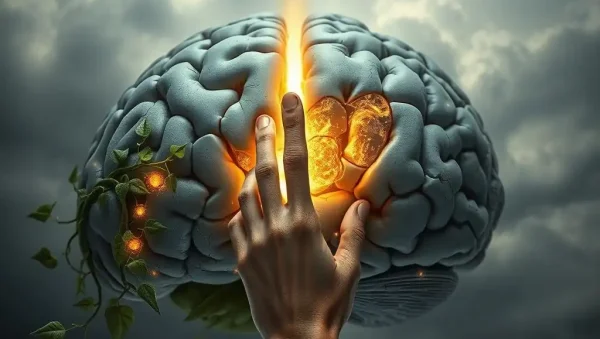
🌟 Discover how your dopamine resilience mental health system helps you bounce back from setbacks, fostering emotional strength and stability. This guide…
Read article
🌟 Discover how serotonin and dopamine uniquely influence happiness and motivation in our Serotonin Dopamine Mental Health Guide, offering essential insights into…
Read article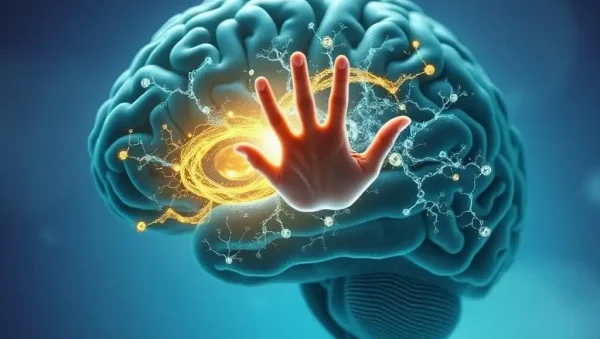
🧠 Discover how dopamine cravings lead to brain hijacking control, fueling addictive behaviors. This article unveils the neuroscience behind cravings, empowering you…
Read article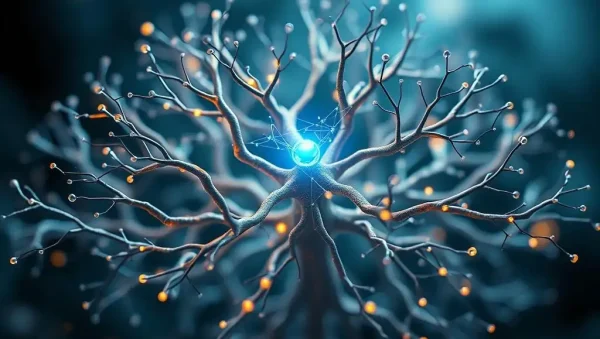
🌟 Discover how dopamine drives learning adaptation by signaling reward prediction errors, enabling the brain to optimize behavior and foster resilience. This…
Read article
🌟 Exercise boosts dopamine, enhancing motivation and mood—crucial for mental well-being. Discover how physical activity can naturally elevate your happiness and drive,…
Read article
🌟 Discover how dopamine training for long-term goals can enhance your patience and resilience, empowering you to prioritize meaningful rewards over instant…
Read article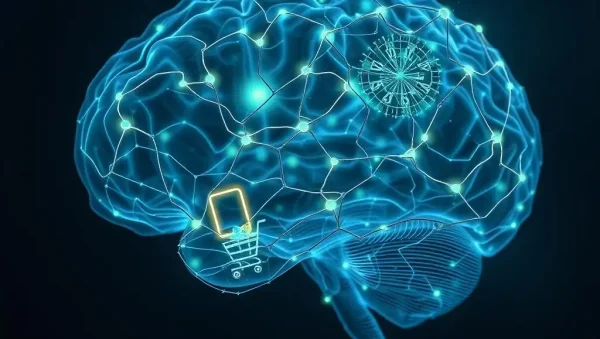
🌟 Explore how dopamine influences behavioral addiction patterns beyond drugs, revealing its crucial role in reinforcing habits and mental health challenges. This…
Read article
🌟 Discover how the dopamine depression anhedonia connection impacts mental well-being, revealing how disrupted dopamine pathways contribute to loss of pleasure and…
Read article
🌟 Discover how dopamine fasting can boost motivation by resetting your brain's reward system. This guide explores its effectiveness, benefits, and practical…
Read article
🌟 Small wins boost dopamine, fueling motivation and resilience. This article explores how celebrating tiny successes can build momentum, enhance mental well-being,…
Read article
🌟 Discover how the Dopamine Diet can boost your mental health by enhancing your brain's reward system, fostering motivation, happiness, and overall…
Read articleWelcome to Mind Care Guide’s deep dive into Dopamine and Motivation – Reward Pathways, a cornerstone of the Neuroscience of Mental Health. Here, we unravel how your brain’s reward system drives desire, focus, and action—and why imbalances can lead to apathy, addiction, or depression. This page is designed for anyone seeking science-backed clarity on why you feel motivated or stuck, with practical insights for daily well-being. Explore how dopamine influences habits, goal-setting, and mental health conditions, empowering you to harness this knowledge for a more fulfilling life.
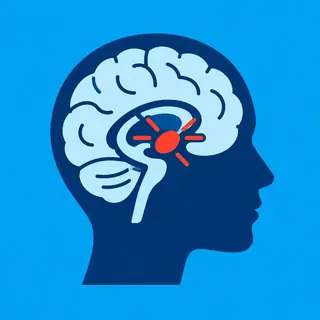
Dopamine is often mislabeled as a “pleasure chemical,” but its true role is as a motivation molecule. It drives anticipation, effort, and reward-seeking behavior, not the reward itself. When dopamine levels are balanced, you feel driven to pursue goals—from finishing a work project to exercising. This section explains how dopamine pathways (like the mesolimbic and mesocortical routes) translate environmental cues into action, shaping your daily productivity and emotional resilience. You’ll learn why small wins trigger dopamine spikes, making progress feel rewarding, and how chronic stress can blunt this system, leading to procrastination.
For mental health, understanding dopamine’s link to motivation is transformative. Low dopamine activity is associated with anhedonia (inability to feel pleasure) in depression, while overactive pathways can contribute to impulsivity or addictive behaviors. Here, we outline evidence-based strategies—such as breaking tasks into micro-goals, leveraging novelty, and ensuring adequate sleep—to keep your reward system responsive. Whether you’re battling a lack of drive or simply optimizing focus, this foundational knowledge helps you build sustainable motivation habits without relying on external quick fixes.
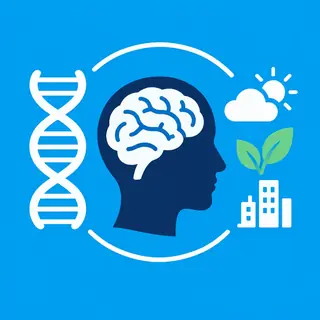
Your brain’s reward circuitry—particularly the ventral tegmental area (VTA), nucleus accumbens, and prefrontal cortex—is a delicate network. When this system dysregulates, it underpins conditions like major depressive disorder, ADHD, and substance use disorders. This section explores how genetics, trauma, and chronic inflammation alter dopamine signaling, making you more vulnerable to low motivation, compulsive behaviors, or anhedonia. We also discuss the role of serotonin and norepinephrine in modulating dopamine, offering a fuller picture of neurochemical balance for mental wellness.
Practical implications are huge: recognizing that a lack of motivation isn’t a character flaw but a neurochemical state reduces self-blame. For example, in ADHD, dopamine reuptake is too fast, reducing signal duration—medication helps but lifestyle changes like structured routines and regular exercise also boost baseline levels. In depression, treatments like CBT can “rewire” reward expectations over time. By understanding these pathways, you and your care team can make informed decisions about therapy, medication, and daily habits, aiming for long-term resilience rather than quick dopamine hits.
You don’t need drugs or expensive gadgets to nourish your dopamine system. This section focuses on natural, science-supported methods to enhance motivation and joy without overstimulation. Key habits include: regular aerobic exercise (which increases dopamine receptor density), exposure to morning sunlight (regulates circadian rhythms and dopamine synthesis), and a diet rich in tyrosine (found in eggs, nuts, and lean proteins). Additionally, practicing mindfulness and gratitude can recalibrate your brain’s reward anticipation, reducing the “hedonic treadmill” effect where you always want more.
Equally important is what to avoid: excessive social media scrolling, processed sugar, and alcohol create rapid dopamine spikes followed by crashes, desensitizing receptors over time. Instead, we advocate for dopamine fasting—structured breaks from high-stimulation activities to reset sensitivity. By implementing these habits, you can maintain steady motivation, better handle setbacks, and experience deeper satisfaction in ordinary moments. These changes are simple to start but powerful in reshaping your neural architecture over weeks and months.
Addiction is a hijacking of the reward pathway—what starts as motivated behavior becomes compulsive, despite negative consequences. Here, we dissect how substances like nicotine, opioids, or even gambling flood the nucleus accumbens with dopamine, creating a powerful memory of “reward” that overrides rational decision-making. This section also covers behavioral addictions (gaming, shopping) that trigger similar neurochemistry. For mental health, the key is understanding that addiction is not a moral failing but a neurobiological learning disorder where brain circuits for reward and habit become imbalanced.
Recovery involves rewiring these pathways through approaches like cognitive-behavioral therapy (CBT), motivational interviewing, and medication-assisted treatments (e.g., bupropion, naltrexone). We explain the science behind why relapse is common—because dopamine-triggered cues remain strong—and how to build protective routines: identifying triggers, creating new responses, and fostering social connection to naturally boost oxytocin and dopamine. By demystifying addiction’s roots, you can approach it with compassion—for yourself or a loved one—and use evidence-based tools for lasting change.
Goal-setting is not just about willpower; it’s about designing your environment to align with your brain’s reward system. This section offers a practical framework: break goals into “chunks” that trigger small dopamine releases, use visual progress trackers (your brain loves completion), and pair challenging tasks with a rewarding ritual afterwards. You’ll also learn about the “implementation intention” technique—stating “I will do X at Y time in Z place”—which increases follow-through by linking behavior to context, a process reliant on dopamine-assisted memory.
Furthermore, we address the plateau effect: when initial progress slows, motivation often dips because dopamine responses habituate. Here, we suggest creating “novelty challenges” within your goals—changing your running route, learning a new sub-skill, or collaborating with others—to keep dopamine firing. Equally crucial is self-compassion: beating yourself up for a missed goal spikes cortisol, suppressing dopamine. Instead, adopt a “growth mindset” that views setbacks as data. By applying these neuroscientific principles, you can turn lofty ambitions into achievable, rewarding daily actions.
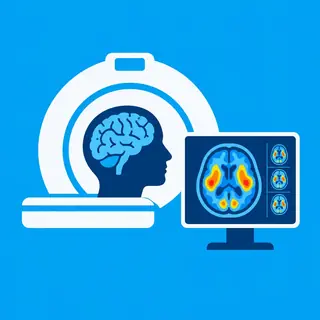
Sometimes, despite your best efforts, low motivation or compulsive reward-seeking persists and interferes with life. This section guides you on recognizing red flags: persistent loss of interest for over two weeks, inability to control urges that cause harm, or sleep/appetite changes. These may signal clinical depression, ADHD, bipolar disorder, or addiction—conditions that benefit from professional intervention. We explain what to expect from a mental health evaluation, including discussions about your mood, habits, and medical history, plus potential referrals to neurologists or psychiatrists.
Treatment options are diverse: therapy (CBT, DBT), medication (e.g., SSRIs, stimulants for ADHD, or dopamine stabilizers), and support groups. We also highlight emerging treatments like transcranial magnetic stimulation (TMS) for treatment-resistant depression, which modulates reward circuits non-invasively. Remember, seeking help is a strength, not a weakness. With the right support, you can rebalance your reward pathways and reclaim motivation. Mind Care Guide encourages you to consult a professional if your symptoms persist—early intervention dramatically improves outcomes for mental health and overall well-being.
Dopamine primarily drives anticipation, effort, and reward-seeking, while serotonin influences mood stability, satisfaction, and long-term contentment. Low dopamine often leads to procrastination or lack of drive, whereas low serotonin is linked to sadness or anxiety. They interact: balanced serotonin helps regulate dopamine’s “highs” and “lows.” For optimal motivation, you need both systems working harmoniously—dopamine for the push, serotonin for a sense of well-being during pursuit.
Yes, a dopamine reset is possible. Start with a 24–48 hour break from high-stimulation activities like social media, junk food, or binge-watching. Replace them with low-key but fulfilling actions: walking outdoors, reading, or connecting with friends. Over several weeks, your receptors become more sensitive, so normal activities feel more rewarding. Consistency matters—pair this with good sleep and exercise. If you experience withdrawal-like irritability, ease transitions gradually; this process supports sustainable motivation without deprivation.
Chronic stress elevates cortisol, which suppresses dopamine release and receptor sensitivity. This leads to blunted motivation, anhedonia, and fatigue—a common feature in burnout. Stress also disrupts the prefrontal cortex’s control over reward seeking, making you more prone to impulsive “quick fixes” like sugar or shopping. To counteract, prioritize stress reduction: mindfulness, exercise, and adequate rest. Balancing dopamine protects against the cycle of stress-induced apathy and deepens your capacity to pursue meaningful goals.
Dopamine is synthesized from the amino acid tyrosine, found in protein-rich foods. Great options include eggs, lean chicken, turkey, salmon, nuts (especially almonds), seeds, and legumes (like lentils). Pair these with healthy carbohydrates (oats, fruits) to aid tyrosine transport into the brain. Also, drink green tea—it contains L-theanine, which caffeine-like effects on focus without overstimulating dopamine. Avoid high-sugar or heavily processed items; they cause rapid spikes and crashes, harming long-term motivation.
Medication is typically considered when motivation loss or reward-seeking behaviors significantly impair daily functioning—work, relationships, or self-care—despite lifestyle changes. A psychiatrist might prescribe stimulants (for ADHD), bupropion (an antidepressant that blocks dopamine reuptake), or dopamine stabilizers (for bipolar). Always combine medication with therapy for best results. Don’t self-medicate with street drugs or unregulated supplements. If you feel stuck, schedule a professional evaluation—medication can be a helpful tool but is most effective within a comprehensive treatment plan.