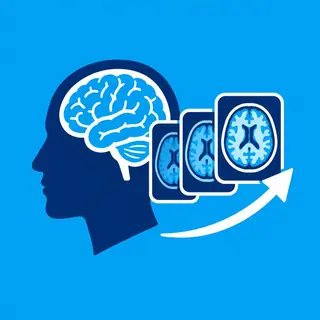
Explore Brain Plasticity and Mental Health: Rewiring the Brain
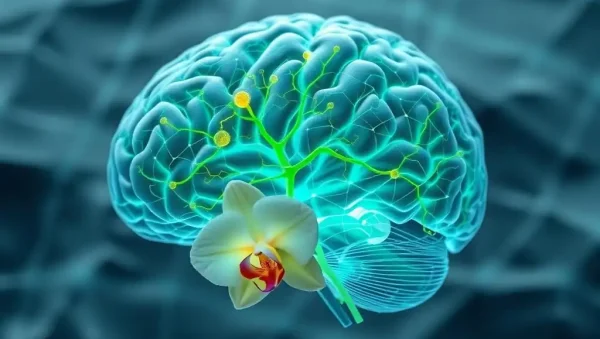
Welcome to Mind Care Guide’s deep dive into brain plasticity and mental health—the science of how your brain physically changes, adapts, and heals throughout life. This subcategory focuses on neuroplasticity, the brain’s remarkable ability to rewire itself in response to thoughts, behaviors, and experiences. Here, you’ll discover practical, neuroscience-backed strategies to rewire your brain for better mood, reduced anxiety, and lasting emotional resilience. Whether you’re coping with depression, PTSD, or simply seeking peak mental well-being, this guide bridges cutting-edge research with actionable daily habits.
🧠 Understanding the Core Mechanisms of Neuroplasticity
In this section, we demystify how synaptic pruning, long-term potentiation (LTP), and neurogenesis—especially in the hippocampus—shape your mental health. You’ll learn why negative thought loops physically strengthen neural pathways, while positive practices like mindfulness can weaken them. Expect clear explanations of Hebbian learning (“neurons that fire together wire together”) and how stress hormones like cortisol interfere with rewiring. This foundational knowledge empowers you to see why change is possible, not just conceptually, but biologically.
Beyond theory, we translate these mechanisms into everyday relevance. For instance, every time you practice a new coping skill, your brain creates myelin sheaths that speed up signal transmission. We also cover the role of brain-derived neurotrophic factor (BDNF), a protein that acts like fertilizer for new neural connections. By understanding these processes, you’ll recognize that mental health challenges are not permanent states, but patterns that can be reshaped with consistent, targeted effort.
💡 Evidence-Based Rewiring Techniques for Anxiety and Depression
Here, we explore cognitive restructuring from cognitive-behavioral therapy (CBT) as a neuroplasticity tool. You’ll learn step-by-step how to identify automatic negative thoughts, challenge their validity, and replace them with balanced alternatives—a process that literally rewires your prefrontal cortex to better regulate the amygdala’s fear response. We also delve into behavioral activation, which uses rewarding activities to stimulate dopamine and reinforce positive neural circuits, breaking the inertia of depression.
Additionally, this section covers mindfulness-based stress reduction (MBSR) with its measurable effects on cortical thickness. Research shows that eight weeks of regular meditation increases gray matter in areas linked to emotional regulation and decreases volume in the amygdala, reducing reactivity. You’ll also find guidance on exposure therapy for phobias and PTSD, showing how repeated, safe confrontation with triggers promotes extinction learning—a process that builds new “safety” memories to override fear-based ones.
🔁 Daily Habits That Promote Neuroplastic Change
This section offers a practical toolkit of lifestyle interventions proven to enhance brain rewiring. We cover the critical role of aerobic exercise, which boosts BDNF and stimulates hippocampal neurogenesis, directly improving memory and mood. You’ll learn why 150 minutes of brisk walking weekly can be as effective as some antidepressants for mild-to-moderate depression. We also explore sleep optimization, since synaptic consolidation and memory formation occur mainly during deep sleep phases—poor sleep literally stalls rewiring progress.
Diet is equally crucial; we highlight omega-3 fatty acids (found in fish and flaxseed), which support neuronal membrane fluidity, and polyphenols from berries that reduce neuroinflammation. We also discuss social connection as a neuroplasticity driver—positive interactions release oxytocin, which enhances trust and bonding circuits. Finally, we introduce learning new skills, like a language or musical instrument, which forces the brain to build novel pathways, keeping plasticity alive at any age.
🧘 Mindfulness and Meditation: A Direct Route to Rewiring
Mindfulness is not just relaxation; it’s a systematic mental training that reshapes attention networks. Here, we break down how focused attention meditation strengthens the anterior cingulate cortex and prefrontal cortex, while open monitoring practices enhance meta-awareness—the ability to observe thoughts without getting swept away. You’ll learn about loving-kindness meditation and its positive effects on social circuits, increasing feelings of connectedness and reducing implicit bias.
We also address common pitfalls, such as expecting immediate results. Neuroplasticity requires repetition and novelty; we guide you on setting a sustainable daily practice, even starting with just 5–10 minutes. Expect to learn about body scans for interoceptive awareness, which helps you detect early stress signals before they escalate. Importantly, we clarify that mindfulness is not about clearing the mind but about changing your relationship with thoughts—a skill that decreases rumination and increases emotional flexibility, directly improving conditions like generalized anxiety disorder.
🔬 Advanced Neuroplasticity Tools: Biofeedback, TMS, and More
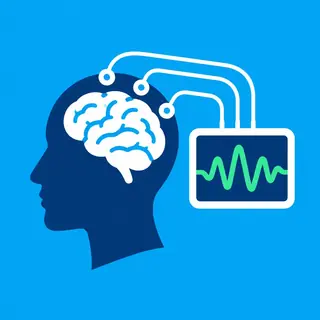
For those seeking cutting-edge options, this section explores neurofeedback, where real-time EEG data helps you learn to modulate brainwave patterns, reducing anxiety or enhancing focus. We also examine transcranial magnetic stimulation (TMS), a non-invasive technique that uses magnetic fields to stimulate underactive prefrontal regions, approved for treatment-resistant depression. Additionally, we discuss vagus nerve stimulation via breathing exercises or implanted devices, which activates the parasympathetic system and promotes neural renewal.
We carefully explain each method’s mechanisms, efficacy rates, and accessibility—including at-home devices versus clinical settings. You’ll also learn about psychobiotics (probiotics targeting the gut-brain axis) and their emerging role in reducing inflammation-induced depressive symptoms. While these tools are promising, we emphasize that they work best alongside foundational habits like sleep and exercise. Our goal is to help you make informed decisions, always in consultation with healthcare professionals, enhancing rather than replacing standard care.
Frequently Asked Questions
How long does it take to rewire your brain for better mental health?
Neuroplastic changes typically require 3 to 6 weeks of consistent practice for measurable behavioral shifts, though structural brain changes may take 8–12 weeks. For example, mindfulness studies show hippocampal volume increases after 8 weeks. However, the timeline varies by condition, severity, and practice intensity. Small daily repetitions—like 10 minutes of journaling or exercise—often yield faster results than sporadic long sessions.
Can neuroplasticity reverse negative thought patterns in anxiety or depression?
Yes, but it requires targeted techniques like cognitive restructuring and exposure. Deliberately focusing on balanced thoughts strengthens new pathways, while ignoring the old ones leads to synaptic pruning. Research shows that CBT literally reduces amygdala reactivity over 12 weeks. That said, “reversing” is gradual—think of it as laying down new trails in a forest; the old path fades, but doesn’t vanish overnight.
Is brain plasticity only possible in young people, or can adults rewire too?
Adults absolutely retain neuroplasticity, though the rate declines with age. Key drivers like exercise, learning, and social interaction maintain and even enhance plasticity into old age. For example, learning a new language at 60 promotes white matter growth. The main difference is that older brains require more repetition and rest, but the principle remains—mental health can improve at any stage of life.
Does medication interfere with neuroplasticity-based therapy?
Not necessarily, and often they complement each other. Antidepressants like SSRIs increase BDNF levels, potentially using neuroplasticity—a reason they may work faster when paired with therapy. Some antipsychotics can slightly alter plasticity, but this is usually manageable. Always discuss with your psychiatrist; combining medication with psychotherapy typically yields the highest response rates for moderate-to-severe depression.
What are the top three habits to start rewiring my brain today?
Begin with (1) 10 minutes of mindfulness daily—even simple breath awareness, (2) a 30-minute brisk walk five times weekly to boost BDNF, and (3) gratitude journaling before bed to shift attention to positive cues. These three habits target different brain regions—prefrontal, hippocampal, and reward circuits—creating a solid foundation. Consistency matters more than intensity; start small, track your streaks, and build from there.