Understanding the Biological Impact of Stress on the Brain
Stress is not just a feeling—it’s a biological cascade that physically alters brain structure, chemistry, and function. At Mind Care Guide, we explore the Effects of Stress on the Brain’s biological impact to help you understand how chronic tension reshapes neural pathways, hormone levels, and cognitive performance. This subcategory dives deep into the science behind cortisol, hippocampal volume, neuroplasticity, and stress-induced inflammation, providing evidence-based insights for managing mental well-being. Whether you’re a student, professional, or caregiver, this knowledge empowers you to recognize stress’s hidden toll and adopt strategies for brain resilience.
🧠 Cortisol and the Hypothalamic-Pituitary-Adrenal (HPA) Axis
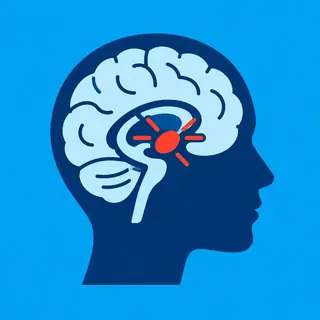
The HPA axis is your brain’s primary stress response system. When you perceive a threat, the hypothalamus releases corticotropin-releasing hormone, prompting the pituitary to secrete ACTH, which signals the adrenal glands to produce cortisol. Acute cortisol spikes sharpen focus and memory—a survival advantage. However, chronic stress keeps cortisol levels elevated, leading to receptor desensitization in the hippocampus and prefrontal cortex, impairing learning and emotional regulation.
Prolonged cortisol exposure also disrupts sleep, weakens immune function, and increases blood pressure. For those with anxiety or depression, this cycle creates a feedback loop of heightened reactivity. Our guides explain how lifestyle interventions like mindfulness, exercise, and dietary adjustments can down‑regulate the HPA axis, restoring balance. Understanding these pathways helps you shift from a state of chronic alarm to controlled recovery, safeguarding your brain’s long-term health.
💥 Hippocampal Atrophy and Memory Impairment
The hippocampus—critical for forming new memories and spatial navigation—is highly vulnerable to stress hormones. Research shows that elevated cortisol over months or years reduces hippocampal volume by up to 20%, correlating with deficits in verbal recall, spatial learning, and emotional memory consolidation. This atrophy arises from suppressed neurogenesis (new neuron formation) and dendritic retraction in CA1 and CA3 regions.
Notably, stress-induced hippocampal shrinkage is partially reversible. Aerobic exercise stimulates brain‑derived neurotrophic factor (BDNF), promoting cell survival and synaptic plasticity. Cognitive behavioral therapy (CBT) also helps reduce perceived stress, lowering cortisol burden. By integrating these evidence‑based tools, you can counteract biological damage, improving memory resilience and reducing dementia risk later in life.
⚡ Prefrontal Cortex Dysfunction and Decision-Making
The prefrontal cortex (PFC) governs executive functions—planning, impulse control, working memory, and emotional regulation. Chronic stress causes dendritic spine loss in the PFC, particularly in the medial and dorsolateral regions, leading to impaired decision-making, increased impulsivity, and difficulty shifting attention. This explains why stressed individuals often struggle with procrastination or risky behaviors.
Moreover, stress reduces dopamine and serotonin signaling in the PFC, exacerbating symptoms of anxiety and depression. Biological interventions such as cognitive training and sleep restoration help rebuild synaptic strength. Our resources detail specific PFC‑boosting exercises, like dual‑n‑back tasks and mindfulness meditation, which have been shown to increase gray matter density. Reclaiming PFC control is a cornerstone of stress management and emotional resilience.
🔄 Neuroplasticity and the Stress–Adaptation Balance
Neuroplasticity is the brain’s ability to reorganize itself, forming new connections throughout life. Stress can either enhance or hinder plasticity, depending on duration and intensity. Brief stress primes the amygdala for fear learning—useful in danger—but chronic stress suppresses synaptic plasticity in the hippocampus and PFC, locking the brain into a maladaptive state.
However, adaptive plasticity occurs through recovery. Practices like meditation, gratitude journaling, and social connection up‑regulate GABA and oxytocin, fostering an environment for dendritic sprouting. Our subcategory explains why stress recovery—not just stress elimination—is the primary driver of neuroplastic change. You’ll learn how toleverage cortisol’s natural cycles, using stress as a signal to engage in recovery behaviors, thereby turning adversity into cognitive growth.
🛡️ Inflammation, Oxidative Stress, and Neural Damage
Chronic stress triggers systemic inflammation via cytokines (IL‑6, TNF‑alpha) and reactive oxygen species, crossing the blood‑brain barrier. This neuroinflammation damages myelin sheaths, reduces mitochondrial efficiency, and increases risk for neurodegenerative diseases like Alzheimer’s and Parkinson’s. Microglia, the brain’s immune cells, become hyperactive, releasing toxins that further impair neural communication.
Dietary antioxidants—such as omega‑3 fatty acids, curcumin, and flavonoids—help neutralize oxidative stress. Regular physical activity lowers inflammatory markers and boosts endogenous antioxidant defenses. Sleep hygiene also reduces night‑time cortisol and inflammatory gene expression. By understanding this biological cascade, you can proactively adopt anti‑inflammatory habits, protecting brain cells and maintaining cognitive vitality across your lifespan.
🌱 Recovery Strategies: Building Brain Resilience
Since stress’s biological impact is modifiable, we provide actionable recovery protocols. Lifestyle modifications—including regular aerobic exercise, balanced nutrition, and consistent sleep—are foundational. Additionally, mind‑body practices like yoga and progressive muscle relaxation lower sympathetic arousal, promoting parasympathetic recovery. Our guides emphasize paced breathing (6 breaths per minute) to stimulate vagal tone and reduce cortisol spikes.
Psychological interventions such as acceptance and commitment therapy (ACT) and stress inoculation training help reframe the stress response. Peer support groups and professional counselling provide external buffers against burnout. For severe cases, psychiatrists may prescribe SSRIs or beta‑blockers to normalize neurotransmitter levels. Crucially, recovery is not linear—our content teaches you to monitor biomarkers like heart rate variability and sleep scores, allowing you to tailor your resilience plan with precision.
Frequently Asked Questions
How long does it take for stress to cause permanent brain damage?
Stress does not cause permanent damage in most cases; the brain is highly plastic. Chronic stress over years may lead to significant atrophy, but with consistent recovery practices—exercise, sleep, therapy—new neurons can be generated within weeks to months. Severe, prolonged stress (e.g., PTSD) may leave lasting changes, but even then, targeted treatment can restore function.
Can stress-induced hippocampus shrinkage be reversed?
Yes. Studies show that 8–12 weeks of aerobic exercise increases hippocampal volume by 2–3%, thanks to BDNF production. Cognitive behavioral therapy and mindfulness also reduce cortisol, allowing dendritic regrowth. While complete reversal to pre‑stress size is unlikely, functional memory improvements are measurable in as little as three months.
What is the most harmful biological effect of chronic stress?
Beyond hippocampal atrophy, neuroinflammation and blood‑brain barrier disruption are most damaging, as they increase dementia and stroke risk. Elevated cortisol also impairs insulin sensitivity, raising metabolic and cardiovascular stress. Ironically, the cumulative effect—reduced cognitive flexibility and emotional lability—undermines daily functioning most significantly.
Are there any supplements proven to protect the brain from stress?
Omega‑3 fatty acids (EPA/DHA), ashwagandha, magnesium glycinate, and L‑theanine have solid evidence for reducing cortisol and inflammatory markers. However, supplements work best as adjuvants—not replacements—for lifestyle changes. Always consult a healthcare provider for dosage, especially if you take antidepressants or have underlying health conditions.
How quickly does the brain recover after stress is eliminated?
Cortisol levels normalize within hours after a stressor ends, but neural recovery takes weeks. Dendritic spines rebuild within 1–2 weeks of reduced stress exposure, while neurogenesis in the hippocampus accelerates after 3–4 weeks. Full functional improvement, including mood and memory, typically appears within 2–3 months of consistent recovery habits.