The Mental Toll: Amygdala Activity and Anxious Thought Loops
🧠 Discover how heightened amygdala activity can fuel anxious thought loops, impacting mental well-being. Understanding this connection offers vital insights into managing…
Read article

Discover how the amygdala, your brain’s dedicated fear center, orchestrates anxiety, and learn why this almond-shaped structure is pivotal in modern neuroscience. At Mind Care Guide, we explore the intricate link between amygdala activity and heightened threat responses, offering actionable insights to balance your emotional reactions. From the rapid fight-or-flight signals to the subtle influence on memory and stress, understanding this neural hub empowers you to navigate anxiety more effectively. Dive into evidence-based strategies that calm overactive circuits, promote resilience, and support long-term mental well-being—because when you know how your brain works, you can take control of your mental health journey.
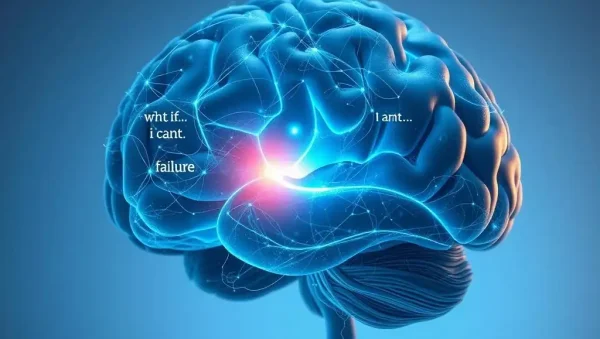
🧠 Discover how heightened amygdala activity can fuel anxious thought loops, impacting mental well-being. Understanding this connection offers vital insights into managing…
Read article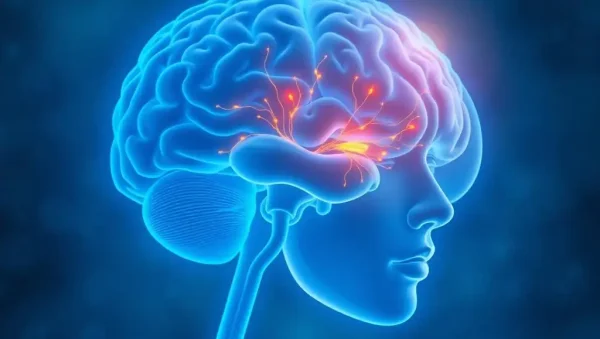
🌱 Discover how mindfulness reduces amygdala fear responses, helping individuals manage anxiety and stress more effectively. By cultivating awareness, it's possible to…
Read article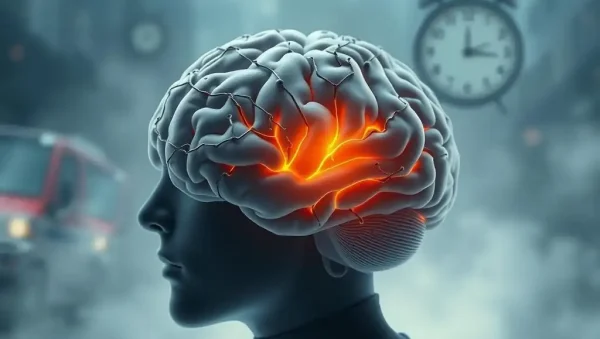
🌟 Discover how the amygdala's hyperactivity fuels generalized anxiety disorder, leading to persistent worry. Explore effective amygdala anxiety generalized disorder treatment options…
Read article
🌟 Discover how targeted medications can modulate the amygdala, the brain’s fear center, to reduce anxiety and improve mental well-being. Learn about…
Read article
🧠 Discover how genetics influence anxiety through the amygdala, exploring whether your DNA may shape your emotional responses. This guide uncovers the…
Read article
🌟 Discover how trauma influences the amygdala's fear processing, shaping future reactions. Understanding this link empowers individuals to better manage anxiety and…
Read article
🌟 Discover how an overactive amygdala can trigger anxiety symptoms and learn practical strategies to regulate your emotional response, empowering you to…
Read article
🧠 Discover how the interaction between the amygdala and PFC influences anxiety control, offering insights into balancing emotional responses. Learn strategies to…
Read article
🧠 Discover effective overactive amygdala coping strategies to manage persistent fear and anxiety. This guide offers insights and practical tips to help…
Read article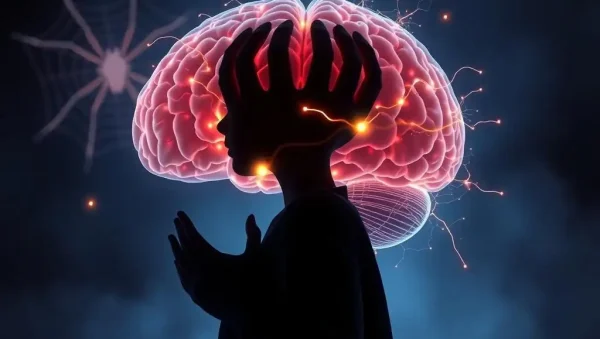
🧠 Discover how the amygdala triggers intense fear responses in phobias and explore effective amygdala phobia treatment strategies to manage and overcome…
Read article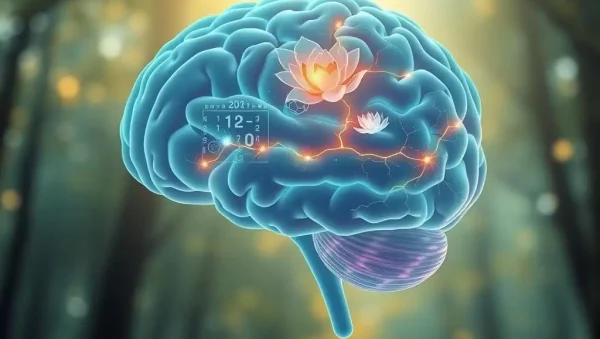
🧠 Discover how the amygdala influences mental health, acting as both a protector and a trigger for stress. Mastering amygdala regulation mental…
Read article
🌟 Discover how the amygdala influences decision-making during episodes of anxiety, highlighting the impact of anxiety impacting decision-making process. Explore strategies to…
Read articleWelcome to the Neuroscience of Mental Health hub at Mind Care Guide. Here, we dive deep into the amygdala, the almond-shaped cluster of nuclei deep within the temporal lobe that acts as the brain’s emotional alarm system. This subcategory focuses exclusively on how the amygdala processes fear, anxiety, and threat detection, and how this knowledge empowers you to manage anxiety disorders more effectively. By exploring neuroplasticity, conditioned fear, and therapeutic interventions, you’ll gain practical, science-backed strategies to retrain your brain’s response to stress.
Your amygdala is not a single structure but a complex of subnuclei—primarily the basolateral complex and the central nucleus. When you encounter a potential threat, sensory information travels first to the thalamus, then splits: a fast, crude signal goes directly to the amygdala (the "low road"), while a slower, detailed signal goes to the cortex (the "high road"). This dual pathway explains why you flinch before you consciously realize what you saw. The central nucleus then activates the hypothalamus and brainstem, triggering the fight-or-flight response—racing heart, rapid breathing, and muscle tension.
Understanding this anatomy helps demystify why anxiety feels so overwhelming. The amygdala can hijack your rational thinking within milliseconds, bypassing the prefrontal cortex’s calming influence. However, research in neuroplasticity shows that by repeatedly practicing mindfulness and cognitive reframing, you strengthen the prefrontal cortex’s inhibitory connections onto the amygdala. This means you can literally shrink the “fear center’s” reactivity over time, making your emotional responses more measured and less panic-driven.
One of the amygdala’s core functions is forming fear memories through classical conditioning. When a neutral stimulus (like a specific sound) is paired with a traumatic event, the amygdala encodes that pairing into long-term memory. This is why a car backfire can trigger a full panic attack in someone with PTSD—the amygdala retrieves the stored association instantly, even without conscious recollection. Extinction, the process of unlearning this fear, does not erase the original memory; instead, it creates a new “safe” memory that competes with the old one.
For mental health, this explains why exposure therapy works. By repeatedly confronting the feared stimulus in a safe environment, you help the amygdala form extinction memories that inhibit the fear response. But crucially, the original fear trace remains—hence why relapses can occur under stress. Modern approaches like fear memory reconsolidation aim to update the original memory by reactivating it and then providing corrective information, making the therapeutic process faster and more durable. This subcategory explores both classical and advanced methods to break the cycle of conditioned anxiety.
Daniel Goleman popularized the term “amygdala hijack” to describe moments when emotional responses overwhelm rational thought. In high-stress situations, the amygdala sends urgent signals that shut down the prefrontal cortex’s working memory and decision-making abilities, leaving you reactive rather than reflective. This is not a character flaw but a biological emergency response. However, frequent hijacks indicate a hyperreactive amygdala, often seen in generalized anxiety disorder (GAD) and social anxiety.
Fortunately, you can train your prefrontal cortex to become a stronger “brake” on the amygdala. Techniques like cognitive reappraisal—reframing a threat as a challenge—and affect labeling (naming your emotion aloud) have been shown in fMRI studies to reduce amygdala activation. Meditation, particularly focused attention and compassion practices, also increases gray matter density in the prefrontal cortex and decreases it in the amygdala. This section provides step-by-step exercises to boost top-down control, helping you stay calm during public speaking, conflict, or uncertainty.
The amygdala’s activity is heavily modulated by neurotransmitters. GABA is the brain’s primary inhibitory neurotransmitter, and benzodiazepines (like Xanax) enhance its effects to calm amygdala output. However, these are short-term fixes with addiction risks. Chronic stress, on the other hand, floods the amygdala with cortisol, which increases its excitability and even alters dendritic spine density, making the amygdala larger and more reactive over time. Serotonin also plays a role—SSRIs like Prozac increase serotonin in the amygdala, which normalizes its reactivity.
Beyond medications, lifestyle factors directly influence these chemicals. Regular aerobic exercise boosts GABA and Brain-Derived Neurotrophic Factor (BDNF), which protects the amygdala from stress-induced damage. Deep breathing exercises, like the physiological sigh (double inhale via nose, long exhale via mouth), activate the parasympathetic nervous system via the vagus nerve, directly countering amygdala-induced arousal. This section educates you on the neurochemical interplay and empowers you with non-pharmaceutical methods to regulate your fear circuit naturally.
You don’t need to be in crisis to benefit from amygdala regulation. Daily habits can keep your fear center calm. One powerful tool is grounding—using the 5-4-3-2-1 technique (name five things you see, four you touch, three you hear, two you smell, one you taste) to shift attention from internal arousal to external reality. This works because sensory input competes with internal threat signals for amygdala bandwidth. Another is cognitive defusion from Acceptance and Commitment Therapy (ACT), where you observe thoughts as “passing clouds” rather than facts, reducing their amygdala-triggering power.
Sleep is non-negotiable: during REM sleep, the amygdala processes emotional memories while the prefrontal cortex consolidates regulation. Chronic sleep deprivation increases amygdala reactivity by up to 60%. Also, simple acts like chewing gum (reduces cortisol), cold water splashes on the face (triggers the mammalian dive reflex, lowering heart rate), and exposure to nature (increases parasympathetic activity) all serve as accessible, immediate regulators. This subcategory offers a toolbox of micro-habits you can integrate into work, home, and social settings.
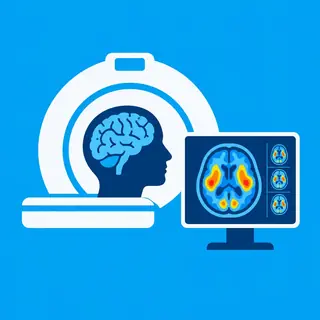
While occasional anxiety is normal, persistent amygdala overactivity is a clinical concern. Warning signs include frequent panic attacks, avoidance behaviors that restrict daily life, hypervigilance, intrusive memories, and a constant sense of impending doom. If these symptoms last more than six months and impair functioning, you may have an anxiety disorder—generalized anxiety, panic disorder, or post-traumatic stress disorder. The amygdala’s role is confirmed by neuroimaging, but your experience matters more than a scan.
Professional interventions include Cognitive Behavioral Therapy (CBT), which directly targets faulty threat appraisals, and Eye Movement Desensitization and Reprocessing (EMDR), which helps desensitize amygdala-stored trauma memories. Medications like SSRIs and SNRIs are first-line. In severe, treatment-resistant cases, transcranial magnetic stimulation (TMS) or deep brain stimulation (DBS) are emerging options. This section guides you on when to consult a psychiatrist or licensed therapist, what to expect in sessions, and how to advocate for your mental health. You are not alone—the amygdala can be retrained, and recovery is genuinely possible.
The amygdala detects threats and triggers the fight-or-flight response within milliseconds, activating your sympathetic nervous system. In anxiety disorders, it becomes hyperreactive, responding to non-dangerous situations as if they were life-threatening. It also stores fear memories, which is why certain cues instantly cause panic. Understanding this helps you see anxiety as a misfiring alarm, not a personal weakness.
Yes, thanks to neuroplasticity. While you can’t erase fear memories, you can create new extinction memories and strengthen prefrontal cortex inhibition. Consistent practices like mindfulness, cognitive reappraisal, and gradual exposure shrink amygdala volume and reduce baseline activity over months. Research shows lasting changes after 8-12 weeks of therapy, though maintenance is key.
Not exactly. An overactive amygdala is a major contributor, but anxiety disorders involve multiple brain regions, genetics, and environmental factors. Some people have a sensitive amygdala but never develop a disorder due to strong cortical control. Diagnosis considers symptom duration, severity, and impairment, not just brain scans. Nonetheless, amygdala reactivity is a reliable biomarker for anxiety severity.
Yes, but specifically slow exhale-based breathing, like the physiological sigh. A long exhale stimulates the vagus nerve, which sends inhibitory signals to the amygdala via the nucleus of the solitary tract. This quickly lowers heart rate and cortisol release. Practicing for two minutes, four to five times daily, lowers baseline amygdala arousal and improves stress resilience.
Start by improving sleep and adding gentle aerobic exercise, as both reduce amygdala reactivity. Then, practice one mindfulness session daily—even five minutes. If anxiety remains impairing, schedule a consultation with a therapist trained in CBT or exposure therapy. Early intervention prevents chronicity, and professional guidance primes your brain for lasting change.