Combining Neurofeedback with Therapy: A Holistic Approach
🌟 Discover how combining neurofeedback with therapy offers a holistic approach to mental well-being, highlighting the neurofeedback therapy benefits mental health by…
Read article
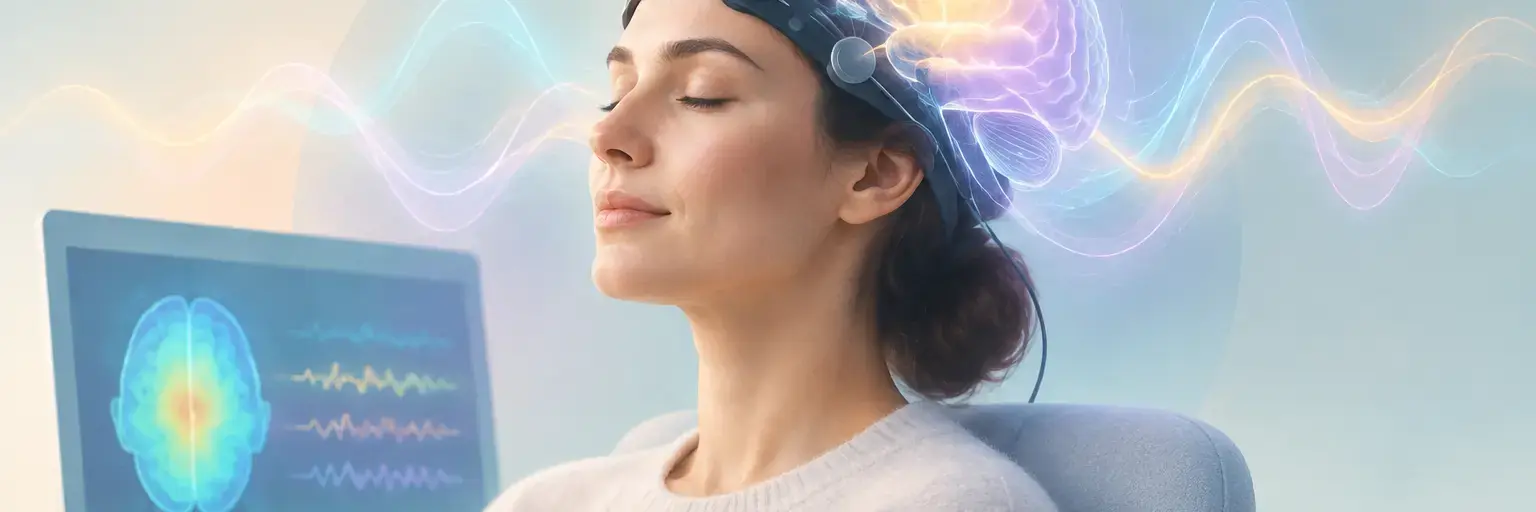
Unlock your brain’s hidden potential with neurofeedback, a cutting-edge, drug-free method that uses real-time brainwave monitoring to train healthier mental patterns. Unlike traditional talk therapy, this innovative approach directly targets the neural rhythms behind anxiety, depression, ADHD, and insomnia—helping you rewire your mind for lasting calm and focus. By watching your brain activity on a screen and gently guiding it toward optimal states, neurofeedback empowers you to take active control of your mental well-being. Backed by neuroscience and increasingly used in clinical settings, it’s a safe, non-invasive way to enhance emotional resilience, sharpen concentration, and reduce stress without medication. Whether you’re seeking relief from persistent symptoms or aiming for peak cognitive performance, this brain-training technique offers a personalized path to mental clarity. Discover how neurofeedback can complement your mental health journey, turning insight into action and fostering a balanced, more resilient brain.

🌟 Discover how combining neurofeedback with therapy offers a holistic approach to mental well-being, highlighting the neurofeedback therapy benefits mental health by…
Read article
🌟 Discover how neurofeedback can transform mental health by enhancing brain function and emotional resilience. Explore the neurofeedback mental health benefits that…
Read article
✨ Discover how neurofeedback addiction recovery strategies empower individuals to break free from dependency. This innovative approach enhances brain function, supporting lasting…
Read article
🌟 Discover how neurofeedback improve memory function and boost cognitive health. This innovative technique offers promising benefits for mental well-being by enhancing…
Read article
🌟 Discover how neurofeedback aging mental health techniques can enhance cognitive function and emotional resilience in adults, offering a promising, non-invasive approach…
Read article
🌟 Discover how neurofeedback can improve mental performance, helping athletes, executives, and individuals unlock their full potential. This innovative technique offers a…
Read article
🌟 Discover how neurofeedback boosts brain plasticity, harnessing the brain's remarkable ability to adapt and heal. This innovative method offers hope for…
Read article
✨ Discover how neurofeedback brainwave training benefits your mental health by enhancing self-regulation and reducing stress. This powerful technique offers a non-invasive…
Read article
🌟 Discover how neurofeedback can improve ADHD focus naturally, offering a promising alternative for enhancing concentration and mental clarity. This guide explores…
Read article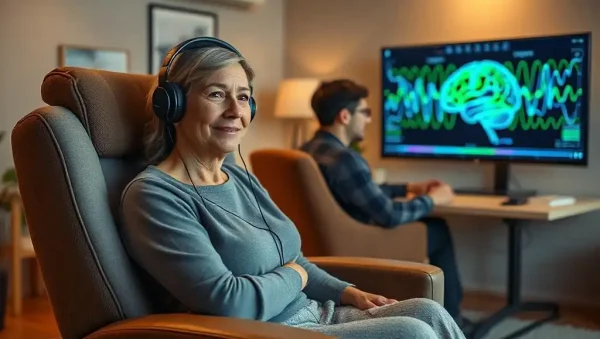
🌟 Discover essential tips in our Neurofeedback Therapist Finding Guide to help you select the right practitioner. Empower your mental well-being journey…
Read article
🌟 Discover inspiring neurofeedback success stories highlighting remarkable anxiety relief, showcasing how targeted brain training transforms lives. Explore these uplifting tales within…
Read article
🌙 Discover how neurofeedback can improve sleep quality by targeting underlying brain patterns, offering a promising, non-invasive solution for those struggling with…
Read articleWelcome to the transformative world of neurofeedback, a non-invasive, evidence-based approach that helps you rewire your brain for better emotional balance, focus, and resilience. Unlike traditional talk therapy or medication, neurofeedback targets the root neural patterns underlying mental health conditions such as anxiety, depression, ADHD, and PTSD. By using real-time feedback, you learn to self-regulate brain activity, promoting lasting positive change. In this subcategory, we explore how neurofeedback works, its clinical applications, what to expect during sessions, and how to integrate it into your overall mental wellness plan. Whether you are a curious beginner or a seasoned practitioner, this guide will empower you with practical insights and science-backed knowledge.
Neurofeedback, also called EEG biofeedback, monitors your brain’s electrical activity via sensors placed on your scalp. It provides instant auditory or visual cues—like a video game that responds to your brainwaves—rewarding desirable patterns and discouraging dysfunctional ones. Over time, this operant conditioning strengthens neural pathways associated with calm, focus, and emotional regulation. Research shows it can increase alpha waves for relaxation, reduce excessive beta activity linked to anxiety, and stabilize theta/beta ratios in ADHD. This “brain training” is not about conscious effort but subtle, automatic adjustments, making it highly effective for chronic stress and mood disorders.
For mental health, this translates into tangible benefits: reduced reactivity to triggers, improved sleep quality, and diminished rumination. Unlike medication, neurofeedback does not introduce chemicals into your system; instead, it teaches your brain to produce its own soothing neurotransmitters. Sessions typically last 30–60 minutes, and most individuals notice improvements within 10–20 sessions. Because the brain is highly plastic, especially with consistent training, the gains often persist long after treatment ends. This makes neurofeedback a cornerstone for sustainable mental wellness, especially when combined with therapy and lifestyle changes.
Neurofeedback is not a one-size-fits-all remedy; it is tailored to your specific brainwave profile. For anxiety, protocols often target excessive high-frequency beta waves in the frontal lobe, training the brain to slow down and enter a more relaxed state. Studies show significant reductions in generalized anxiety, panic attacks, and social anxiety after 12–20 sessions. For depression, neurofeedback aims to increase left frontal lobe activity, which is often underactive, using alpha-theta training to boost mood and motivation. Many patients report reduced depressive symptoms and fewer relapses when combined with cognitive behavioral therapy (CBT).
In ADHD, theta/beta ratio training at the central and frontal sites is FDA-cleared, improving attention, impulse control, and working memory—often as effectively as stimulant medications without side effects. For PTSD, neurofeedback helps normalize hyperarousal by regulating the default mode network and limbic system, reducing flashbacks, hypervigilance, and emotional numbing. Additionally, it is used for insomnia, chronic pain, and mild traumatic brain injury. Always consult a licensed professional to determine if neurofeedback is suitable for your condition, as it is a complement to—not a replacement for—standard care.
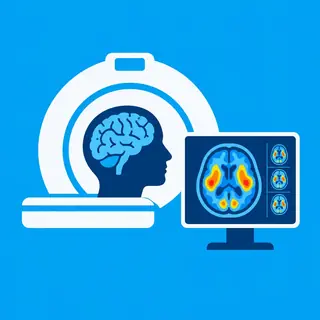
If you are new to neurofeedback, here is what to expect. Your first appointment includes a comprehensive assessment, often with a quantitative EEG (qEEG) brain map. This 20-minute recording shows electrical activity across your scalp, identifying areas of dysregulation. Based on this map, your clinician designs a personalized training protocol. During a session, you sit comfortably in a chair, and conductive sensors are placed on your scalp using a conductive paste. You watch a movie, play a game, or listen to audio that responds to your brainwaves—for example, the screen brightness increases when your brain produces desired waves. You do not need to consciously “try” to change; your brain automatically adapts.
Sessions are painless, and you remain fully alert throughout. After each session, some people feel deeply relaxed, others energized—both are normal. Your clinician tracks your progress via software graphs, adjusting protocols as your brain improves. Typically, you attend 1–2 sessions per week, with reassessment every 10 sessions. The goal is not just symptom relief but optimal brain function—better memory, clearer thinking, and steadier moods. Be prepared to commit to at least 15–20 sessions for lasting structural changes, though many feel improvements earlier. Always verify your provider’s certification and experience.
Neurofeedback offers a unique advantage over medication: it addresses the underlying neural imbalance rather than masking symptoms. Psychiatric drugs often come with side effects like weight gain, drowsiness, or sexual dysfunction, and their efficacy can plateau. Neurofeedback has virtually no adverse effects, and its benefits can be permanent. However, it requires more time, cost, and active participation. Many individuals prefer it as a first-line intervention, especially for mild-to-moderate conditions or for those who cannot tolerate medications. For severe depression or psychosis, neurofeedback should complement—not replace—psychiatric care.
When combined with therapy, neurofeedback amplifies outcomes. Cognitive behavioral therapy (CBT) helps you reframe thoughts, while neurofeedback calms the brain’s default reactivity, making therapy more effective. Similarly, mindfulness practices enhance neurofeedback’s effects by promoting self-awareness. For best results, view neurofeedback as part of a holistic plan: sleep hygiene, nutrition, and exercise amplify its impact. Cost-wise, sessions range from $75–$200 each; check insurance coverage, though many plans do not cover it. Home neurofeedback devices are emerging but should be used only under professional guidance to avoid incorrect protocols.
Selecting the right practitioner is critical. Look for board certification from the Biofeedback Certification International Alliance (BCIA) or similar regional bodies. Ensure they have specific training in mental health neurofeedback, not just general biofeedback. Ask about their experience with your condition—for example, anxiety protocols differ from ADHD protocols. A reputable provider will offer a qEEG brain map or at least a diagnostic assessment before starting—never skip this stage. They should explain their rationale, expected number of sessions, and measurable goals. Also, check for testimonials or case outcomes, but be cautious of exaggerated claims like “cure all” promises.
During your first consultation, inquire about the equipment they use (e.g., EEG systems with 19 channels for qEEG, or z-score training). Ask how they track progress and what adjustments they plan. Transparency about costs, cancellation policies, and follow-up plans is essential. Many cerebral clinics now offer remote neurofeedback using home headsets, but ensure that remote training includes live clinician monitoring and data review. Finally, trust your gut—you should feel comfortable and informed. A good provider will collaborate with your existing mental health team, sharing progress notes to ensure coordinated care. Never hesitate to seek a second opinion. Your brain deserves the best support.
Yes, neurofeedback is generally safe for all ages, including children and older adults. It is non-invasive and has no known serious side effects. However, it is not recommended for individuals with certain seizure disorders, uncontrolled epilepsy, or those actively using heavy sedatives, as these can interfere with brainwave training. Always disclose your full medical history to your provider.
Most people notice preliminary changes within 5 to 10 sessions, but durable, long-term results typically require 20 to 40 sessions, depending on the condition’s severity and your brain’s plasticity. For example, ADHD often needs 30–40 sessions, while mild anxiety may improve in 15–20. Consistent weekly training yields faster progress than sporadic visits.
Do not stop or change medication without your prescribing physician’s approval. Neurofeedback can reduce symptoms to the point where a doctor may gradually lower medication dosages under supervision, but this must be a collaborative decision. Neurofeedback works best as an adjunctive therapy, enhancing the effects of medication and psychotherapy.
No, neurofeedback aims for permanent brain change through learning. Once your brain learns healthier patterns, they typically persist without ongoing training. However, occasional “booster” sessions may help during high-stress periods or after major life changes. Maintenance schedules vary, but many individuals return for 1–2 sessions every few months as a tune-up.
Portable home neurofeedback devices, like Muse or Mendi, exist but are limited in scope and often lack clinical-grade precision or personalized protocols. They are useful for relaxation and general wellness, not for treating diagnosed mental health conditions. For clinical results, using a professional’s office with qEEG-guided protocols is strongly advised to avoid ineffective or counterproductive training.