Understanding the Biological Basis of Mental Disorders: Genetic and Environmental Factors
Welcome to Mind Care Guide’s deep dive into the intricate interplay between your DNA and your surroundings. Mental health conditions are rarely the result of a single cause; instead, they emerge from a complex dance between genetic predispositions and environmental triggers. This subcategory explores how heredity shapes vulnerability, how life experiences modify gene expression, and how you can use this knowledge to better understand prevention, early intervention, and personalized care. Here, we break down cutting-edge neuroscience into practical insights for your well-being journey.
🧬 How Genes Influence Mental Health Vulnerability
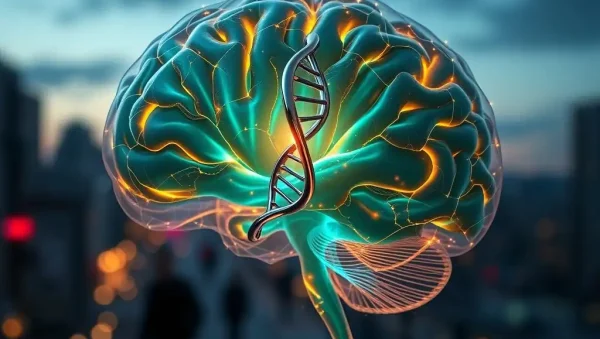
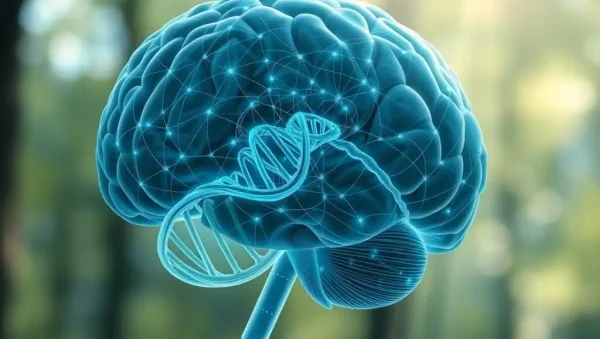
Your genetic code acts as a blueprint, but it is not a fixed destiny. Research from twin and family studies shows that disorders like depression, bipolar disorder, and schizophrenia have heritability rates between 40% and 80%. This means certain gene variants increase your baseline susceptibility, affecting neurotransmitter systems, receptor sensitivity, and brain structure development. However, having a “risk gene” does not guarantee illness—it merely raises the probability, especially when combined with adverse environments.
Key genes such as COMT, BDNF, and 5-HTTLPR have been extensively studied. For example, the short allele of 5-HTTLPR is linked to reduced serotonin transport, making individuals more reactive to stressful life events. Meanwhile, BDNF promotes neural plasticity, and its variants influence memory and mood regulation. Understanding your genetic predispositions can empower you to monitor early warning signs and adopt protective lifestyle choices, rather than feeling doomed by your family history.
🌍 Environmental Triggers: Stress, Trauma, and Lifestyle
Your environment acts as the switch that turns genetic predispositions on or off. Chronic stress, childhood adversity, physical abuse, neglect, and significant life transitions (like bereavement or job loss) are among the most potent triggers. These experiences dysregulate the hypothalamic-pituitary-adrenal (HPA) axis, leading to elevated cortisol levels that damage hippocampal neurons and impair emotional regulation over time.
Beyond acute trauma, everyday lifestyle factors—sleep deprivation, poor nutrition, social isolation, and substance use—create a fertile ground for mental health deterioration. Environmental enrichment, on the other hand, includes social support, physical activity, mindfulness practices, and cognitive stimulation. These protective factors foster neurogenesis and resilience. By mapping your personal exposure history, you can identify high-risk periods and build coping strategies that counteract environmental stressors before they escalate into clinical disorders.
🧠 Epigenetics: How Life Experiences Alter Gene Expression
Epigenetics is the bridge between nature and nurture. It refers to chemical modifications—such as DNA methylation and histone acetylation—that turn genes on or off without changing the underlying sequence. These modifications are influenced by your environment, especially during critical developmental windows like childhood and adolescence. Adverse experiences can lead to lasting epigenetic marks that increase inflammation and cortisol reactivity, while positive experiences can produce protective patterns.
The most exciting aspect is that epigenetic changes are potentially reversible. Therapeutic interventions such as cognitive-behavioral therapy, regular exercise, and omega-3 fatty acid supplementation have been shown to alter epigenetic markers in beneficial directions. This subcategory explains how your daily choices literally rewrite your genetic expression. Instead of feeling trapped by your “bad genes,” you can view your body as a dynamic system where proactive mental health habits create a biological buffer against future distress.
🔬 Gene-Environment Interactions and Predictive Models
Neither genes nor environment act in isolation; their interaction is multiplicative. A widely studied phenomenon is the differential susceptibility hypothesis: individuals with “plasticity genes” may suffer more under adverse conditions but also benefit more from supportive environments. This means the same genetic variant that heightens risk in chaotic homes can produce extraordinary resilience in nurturing settings. Personalized medicine is now moving toward polygenic risk scores (PRS) that combine thousands of gene variants to estimate lifetime vulnerability.
Clinical applications are emerging, such as using PRS to guide early intervention strategies for at-risk youth. However, caution is required—genetic testing alone is not deterministic. Predictive models also incorporate environmental metrics like childhood trauma scores and current stress levels. For you, this translates into a holistic assessment tool: understanding your unique interaction profile helps clinicians choose between medication (which targets neurochemical pathways) versus psychotherapeutic approaches (which modify cognitive and behavioral patterns) with greater precision.
💡 Practical Strategies for Risk Reduction and Resilience
Armed with this biological knowledge, you can implement actionable preventive measures. First, prioritize sleep hygiene—aim for 7-9 hours, as sleep deprivation directly elevates cortisol and impairs prefrontal cortex function. Second, engage in regular aerobic exercise, which increases BDNF and promotes hippocampal neurogenesis, effectively buffering genetic risk. Third, practice stress-reduction techniques like mindfulness-based stress reduction (MBSR), which has been shown to reduce amygdala reactivity and improve emotional regulation.
Nutrition also plays a role: a Mediterranean diet rich in omega-3s, antioxidants, and B vitamins supports neurotransmitter synthesis and reduces neuroinflammation. Build a strong social network—loneliness is as harmful as smoking 15 cigarettes a day regarding mental health impact. If you have a known family history of mental illness, consider regular psychiatric check-ins and maintain a mood journal to detect early changes. These strategies do not eliminate risk but significantly lower the probability of full-blown episodes, giving you greater control over your mental wellness trajectory.
❓ When to Seek Professional Help Based on Biological Factors
Understanding your genetic and environmental profile can help you recognize when professional intervention is necessary. If you experience persistent low mood, anxiety, or cognitive decline for more than two weeks, especially after a major life stressor, it is wise to consult a mental health professional. Biological markers—such as disturbed sleep, appetite changes, or unexplained fatigue—often signal neurochemical imbalances that benefit from therapeutic support.
Additionally, if you have multiple first-degree relatives with severe mental disorders, or if you personally have experienced significant childhood trauma, consider a comprehensive psychiatric and genetic counseling evaluation. Early intervention—whether through therapy, medication, or lifestyle modifications—has been shown to reduce recurrence rates and improve long-term outcomes dramatically. Do not wait for a crisis. Proactive biological awareness empowers you to seek help as a preventive measure, normalizing mental health care as a routine part of your overall well-being.
Frequently Asked Questions
Can genetic testing definitively predict if I will develop a mental disorder?
No, genetic testing provides probabilistic information, not certainty. While polygenic risk scores can indicate elevated susceptibility, they cannot account for protective environments, individual resilience, or the complex interplay of thousands of genes. Most experts use genetic data as one piece of a broader clinical assessment, not as a standalone predictor.
How much of mental illness is caused by genes versus environment?
There is no fixed percentage, as it varies by disorder and individual. For example, schizophrenia has higher heritability (~80%), while post-traumatic stress disorder is more environment-driven (~30-40%). Most conditions involve a significant interaction: genes set the baseline, but environmental factors often determine whether and how strongly the disorder manifests.
Can I reverse negative epigenetic changes through therapy or lifestyle?
Yes, emerging research shows that psychotherapy, exercise, and dietary interventions can modify epigenetic markers. For instance, cognitive-behavioral therapy has been linked to reduced DNA methylation of inflammatory genes. These changes may take months to years, but your brain remains plastic throughout life, allowing for meaningful shifts in gene expression.
If I grew up with an abusive environment, am I permanently at risk?
Not permanently. While childhood adversity increases baseline risk through HPA axis dysregulation, your adult brain retains plasticity. Engagement in supportive relationships, trauma-focused therapy, and consistent self-care can rewire neural pathways and reduce cortisol reactivity, effectively lowering your current biological vulnerability over time.
Should I take supplements to boost genes like BDNF?
Supplements alone are insufficient. The most effective ways to increase BDNF are aerobic exercise and adequate sleep. Omega-3 fatty acids (EPA/DHA) and curcumin show promise as adjuncts, but they work best combined with behavioral practices. Always consult your healthcare provider before adding supplements, especially if you take medications, to avoid interactions.