Chronic Stress: The Epigenetic Burden on Your Brain
🌟 Discover how chronic stress impacting brain health can leave lasting epigenetic marks, impairing cognitive function and emotional resilience. This guide explores…
Read article

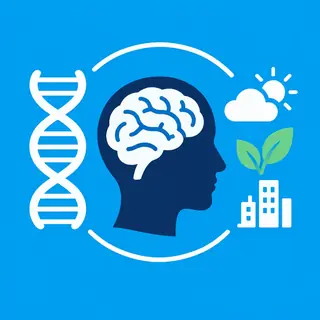
Discover how epigenetics and mental health intertwine, revealing that your genes are not your destiny—environment and lifestyle actively shape brain function and emotional resilience. This field explores the dynamic bridge between nature and nurture, showing how stress, nutrition, sleep, and even social bonds can chemically modify DNA expression without altering the genetic code itself. By understanding gene-environment interactions, you can unlock practical strategies to support mental wellness, from mindfulness and exercise to targeted dietary choices that positively influence epigenetic markers. Whether you’re navigating anxiety, depression, or simply optimizing cognitive health, this knowledge empowers you to rewrite your biological narrative—harnessing everyday choices as profound tools for mood regulation, neuroplasticity, and long-term psychological strength. Embrace the science that proves your habits hold remarkable power over your mind’s architecture, offering hope and actionable insights for a balanced, thriving life.
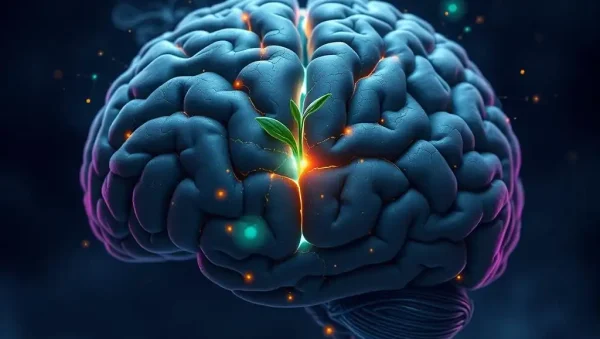
🌟 Discover how chronic stress impacting brain health can leave lasting epigenetic marks, impairing cognitive function and emotional resilience. This guide explores…
Read article
🌱 Discover how nutrition impacts mental health genes, revealing the powerful epigenetic effects of diet on your mind. This guide explores how…
Read article
🌱 Discover how nutrition impacts brain development in childhood, shaping neurodevelopment from womb to adulthood. This article explores the vital role of…
Read article
🧠 Discover how cortisol rewires brain epigenetics, revealing the profound impact stress hormones have on mental health. Learn how chronic stress alters…
Read article
🌱 Discover how early attachment epigenetics influence mental health, emphasizing that nurturing relationships in childhood can shape resilient minds and prevent future…
Read article
🌙 Sleep deprivation impacts mental health by triggering epigenetic changes that heighten stress and impair cognitive function. Prioritizing quality sleep is essential…
Read article
🧠 Explore the ongoing debate on epigenetics inheritance mental health, revealing how environmental factors may influence genetic expression across generations. Understanding this…
Read article
🌟 Discover how epigenetics predict mental health risk, opening new avenues for early detection and personalized interventions. This breakthrough in understanding biological…
Read article
🌟 Discover how environmental factors influence histone modifications, shaping your genetic expression. This insight, part of our comprehensive guide to mental well-being,…
Read article
🌟 Discover how bipolar disorder epigenetic causes influence mental health, revealing the complex interplay between genetics and environment. This comprehensive guide sheds…
Read article
✨ Discover how epigenetic clocks reveal your brain aging mental health, offering insights into biological age and mental well-being. This groundbreaking approach…
Read article
🌱 Explore how schizophrenia results from the intricate schizophrenia genetic environmental interaction, highlighting the vital role of genetics and environmental factors in…
Read articleWelcome to the intersection of your DNA and your life story. The subcategory Epigenetics and Mental Health – Genes and Environment explores how your genetic code interacts with your surroundings to influence mood, behavior, and resilience. Unlike fixed gene mutations, epigenetic changes are reversible and dynamic—offering powerful hope for prevention and treatment. Here, we break down the science behind how stress, nutrition, relationships, and even sleep alter gene expression, and what that means for your mental well-being. Dive in to understand how your past shapes your present brain and what you can do to rewrite your epigenetic story.
Epigenetics literally means “above the genome.” It refers to chemical modifications—like DNA methylation and histone acetylation—that turn genes on or off without changing the DNA sequence. Think of your genes as musical notes; epigenetics determines which notes are played and how loudly. In mental health, this system explains why identical twins can have different risks for depression or anxiety based on life experiences. Scientists now view epigenetics as the bridge between nature and nurture, making it a central piece in understanding psychiatric conditions.
For your mental health journey, this means your brain is not hardwired at birth. Environmental factors—from childhood trauma to everyday mindfulness—can physically alter how your genes behave. This is empowering: you are not a passive victim of your heredity. Instead, lifestyle choices and therapeutic interventions can “rewrite” epigenetic markers, potentially lowering your risk for mood disorders. Expect to learn practical, science-backed methods to support healthy gene expression, including stress reduction and social connection.
Adverse childhood experiences (ACEs) such as neglect or abuse are among the most powerful epigenetic influencers. Research shows that chronic early stress can hyper-methylate genes involved in the stress response, particularly the glucocorticoid receptor gene. This leads to a hypersensitive stress system, making individuals more prone to anxiety, PTSD, and depression later in life. However, the crucial takeaway is that these marks are not permanent. Positive environments—like nurturing caregiving or therapy—can partially reverse these changes, offering a biological basis for resilience.
When you understand this, you see why interventions like trauma-focused therapy and supportive relationships are not just emotional support—they are biological tools. The brain’s plasticity extends to its epigenetic landscape. For readers, this means that even if you had a difficult childhood, your current actions can still shape your mental health. Programs addressing sleep, exercise, and emotional expression have been shown to alter methylation patterns in a beneficial direction. This section helps you identify specific windows of opportunity for healing, regardless of your past.
Your diet provides the raw materials for epigenetic processes. Nutrients like folate, vitamin B12, and choline are methyl donors—they supply the groups that attach to DNA to regulate gene activity. Deficiencies in these can silence protective genes linked to mood stability. Additionally, your gut microbiome produces short-chain fatty acids like butyrate, which inhibit histone deacetylases, effectively flipping switches that reduce inflammation in the brain. An anti-inflammatory diet rich in leafy greens, fermented foods, and omega-3s can thus support a healthy epigenetic profile for mental well-being.
What you eat tomorrow can influence your emotional resilience today. Studies on the Mediterranean diet show correlations with lower depression risk, partly via epigenetic modulation. For practical guidance, expect meal suggestions that prioritize polyphenols (berries, dark chocolate) and fiber. Avoid ultra-processed foods that drive inflammatory gene expression. While no single superfood “cures” depression, consistent dietary patterns create a biological environment where positive gene expression thrives. This section provides an actionable list of brain-boosting foods and how they interact with your DNA.
Physical activity is a potent epigenetic modifier. Exercise increases BDNF (brain-derived neurotrophic factor) gene expression, promoting neurogenesis in the hippocampus—a key area for mood regulation. Even 30 minutes of aerobic exercise can trigger beneficial histone changes within hours. Similarly, sleep deprivation disrupts methylation patterns across hundreds of genes, while consistent sleep restores balance. Mindfulness meditation has been shown to reduce inflammatory gene expression and enhance activity of genes associated with telomere maintenance, linking stress reduction to cellular longevity.
For anyone seeking natural mental health interventions, these findings are a game-changer. You can dose your day with “epigenetic hygiene”: morning sunlight, moderate exercise, consistent sleep schedule, and 10 minutes of breathwork. These practices are not just habit—they are molecular decisions. Over weeks, they cumulatively reshape your gene pathways. The subcategory equips you with evidence-based routines and helps you prioritize which intervention yields the highest benefit for your unique genetic sensitivity. Start small, and watch your inner biology respond.
The future of mental healthcare lies in epigenetic biomarkers. Blood tests can now measure methylation patterns associated with antidepressant response, helping clinicians predict who will benefit from SSRIs versus psychotherapy. This is the dawn of precision psychiatry—treating the individual’s biological signature rather than a generic diagnosis. Furthermore, emerging drugs called “epidrugs” aim to target specific enzymes like DNMTs and HDACs, offering novel options for treatment-resistant depression. For now, however, lifestyle remains the most accessible epigenetic medicine available.
Understanding this helps you become an informed patient. You can ask your psychiatrist about pharmacogenetic testing or discuss whether epigenetic-informed therapy—like cognitive-behavioral therapy (CBT) paired with exercise—aligns with your profile. Also, note that some natural compounds (e.g., curcumin, resveratrol) show epigenetic effects, though more research is needed. This section demystifies clinical jargon and clarifies what is proven versus speculative. Empower yourself with knowledge to advocate for a holistic, data-driven mental health plan.
Yes, but partially and with effort. While some early-life marks persist, adult lifestyle changes—such as regular exercise, therapy, and a Mediterranean diet—can alter methylation patterns within weeks to months. Research on survivors of severe trauma shows reversal of some stress-response gene markers after intensive psychotherapy. Reversibility is not absolute, but the direction of change is favorable with consistent positive stimuli.
Commercial DNA tests (e.g., 23andMe) do not reliably assess epigenetic marks, only static gene variants. Epigenetic risk needs specialized methylation profiling, often available only in research or advanced clinical settings. However, you can infer indirect risk from family history and adverse childhood experiences. Consulting a genetic counselor or psychiatrist experienced in precision psychiatry can guide you toward relevant testing options.
Some epigenetic marks can be transmitted across generations—a phenomenon called transgenerational inheritance. For example, stress experienced by a parent can alter gene expression in offspring. However, this is not deterministic; environmental inputs can modify these inherited marks. Thus, your own lifestyle still matters for your mental health, regardless of inherited epigenetic baggage.
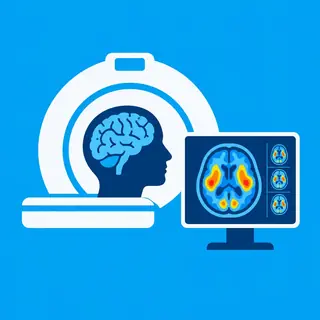
Yes, preliminary studies show that 8 weeks of mindfulness-based stress reduction reduces pro-inflammatory gene expression and increases antiviral gene activity. Brain imaging also indicates increased cortical thickness in regions linked to emotion regulation. While effects are modest, they are measurable using RNA sequencing. Consistency yields cumulative benefit; even short daily meditation impacts key genes.
Currently, childhood adversity combined with chronic adult stress is considered the most robust predictor. Specifically, hyper-methylation of the FKBP5 gene—involved in stress hormone sensitivity—is strongly associated with depression and PTSD. However, no single factor is deterministic; epigenetics is a complex network. Addressing multiple lifestyle domains (sleep, social support, exercise) offers the greatest protection.