Understanding Neurotransmitters and Mental Illness: The Chemistry Behind Your Mind
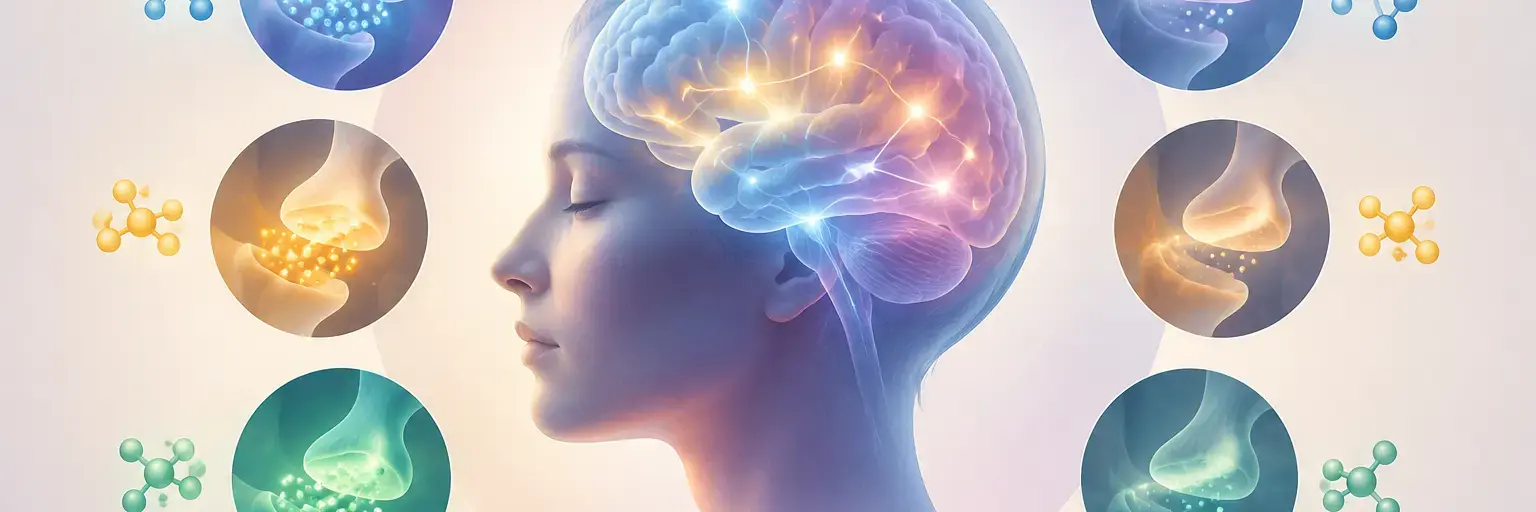
Welcome to Mind Care Guide’s deep dive into the fascinating world of neurotransmitters and mental illness. This subcategory unpacks the science of chemical imbalances in the brain, exploring how molecules like serotonin, dopamine, and GABA shape your mood, thoughts, and behavior. Whether you’re seeking clarity on depression, anxiety, or bipolar disorder, this resource bridges the gap between complex neuroscience and everyday mental well-being. Expect evidence-based insights, practical explanations, and compassionate guidance to help you navigate your mental health journey with confidence.
🧠 The Role of Serotonin in Depression and Anxiety
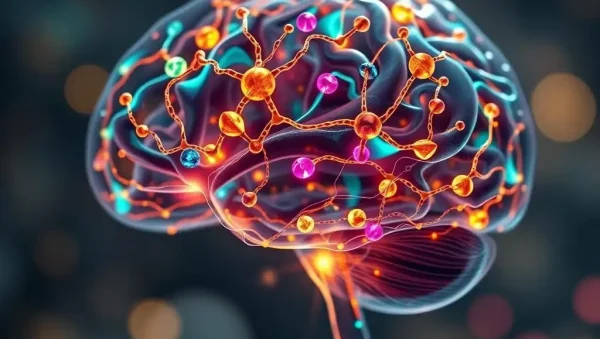
Serotonin, often dubbed the “feel-good” neurotransmitter, plays a pivotal role in regulating mood, sleep, and appetite. Low serotonin levels are classically linked to major depressive disorder and generalized anxiety disorder. Research shows that serotonin imbalances can disrupt emotional resilience, making it harder to cope with stress. Here, you’ll learn how serotonin affects your daily life, from morning energy to nighttime rest, and why selective serotonin reuptake inhibitors (SSRIs) target this specific pathway.
Beyond the basics, we explore real-world symptoms like persistent sadness, irritability, and rumination, tying them to synaptic gaps. Understanding serotonin isn’t just about labels—it’s about recognizing patterns in your own experiences. We also discuss lifestyle factors, such as sunlight exposure and diet, that naturally influence serotonin production, empowering you with actionable steps to support your brain chemistry alongside professional care.
⚡ Dopamine: The Motivation and Reward Chemical
Dopamine drives pleasure, motivation, and focus, but its dysregulation is central to schizophrenia, ADHD, and addiction. Overactivity in certain dopamine pathways can lead to hallucinations or delusions, while underactivity manifests as apathy and anhedonia—the inability to feel joy. This section demystifies how dopamine imbalances contribute to mental illness, separating myths from scientific reality. You’ll discover why antipsychotic medications block dopamine receptors and how stimulants like methylphenidate enhance its availability.
We also cover the behavioral side: why procrastination, impulsivity, or thrill-seeking may signal dopamine issues. Practical insights include setting small rewards, breaking tasks into chunks, and mindfulness practices that gently recalibrate your reward system. By understanding dopamine’s dual role—guardian of survival and driver of ambition—you can better interpret your own motivations and seek targeted support for conditions that disrupt this delicate balance.
🌀 GABA and Glutamate: The Brain’s Brake and Accelerator
GABA is the brain’s primary inhibitory neurotransmitter, while glutamate excites neural activity. Their imbalance is heavily implicated in anxiety disorders, panic attacks, and epilepsy. Too little GABA leads to an overactive nervous system, causing racing thoughts, muscle tension, and insomnia. Conversely, excess glutamate can trigger neurotoxicity, linked to mood swings and cognitive decline. Here, you’ll learn how benzodiazepines enhance GABA’s calming effects and why anti-seizure medications sometimes off-label treat bipolar disorder.
This section also explores natural ways to boost GABA, such as yoga, meditation, and magnesium-rich foods. We break down the “excitatory/inhibitory balance” concept, helping you recognize signs of hyperarousal versus lethargy. Understanding these counterweight chemicals offers a nuanced view of anxiety—not as a character flaw, but as a biochemical state you can influence with informed choices and medical guidance.
🌪️ Norepinephrine, Acetylcholine, and Histamine: Lesser-Known Players
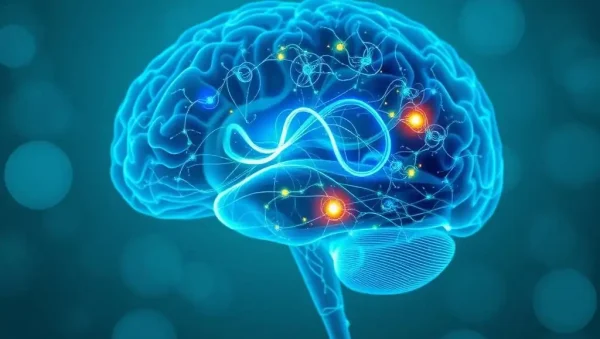
While serotonin and dopamine grab headlines, norepinephrine regulates alertness and fight-or-flight responses, influencing anxiety and PTSD. Acetylcholine is crucial for memory and learning, with deficits linked to Alzheimer’s disease. Histamine affects wakefulness and could play a role in certain mood disorders. This section illuminates how these neurotransmitters interact, showing that mental illness rarely stems from a single chemical but from complex networks. You’ll understand why norepinephrine reuptake inhibitors treat depression and why anticholinergic drugs cause cognitive side effects.
We also address histamine’s surprising link to schizophrenia and how some antihistamines may alter mood. This holistic perspective prepares you to ask informed questions during psychiatric appointments. By recognizing that your brain operates as an interconnected ecosystem, you move away from oversimplified “chemical imbalance” clichés toward a richer, more accurate model of mental health that honors both biological and environmental factors.
🩺 Testing, Diagnosis, and Limitations of Chemical Imbalance Theory
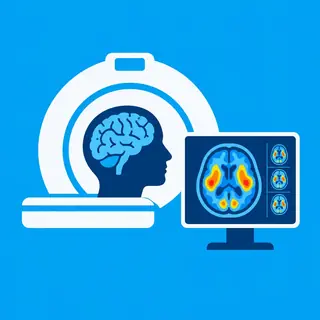
You may wonder: Can I test my neurotransmitter levels? The truth is, direct brain measurements are not clinically routine; most assessments rely on symptoms and response to medications. This section critically examines the chemical imbalance hypothesis, its historical influence, and its criticisms—particularly that it oversimplifies complex psychiatric conditions. We discuss how doctors infer imbalances based on medication efficacy, and why brain imaging and CSF analysis remain research tools, not standard diagnostics.
We also guide you through collaborative care: what to expect from a psychiatrist, how to track your symptoms, and the importance of combining medication with therapy. This balanced view prevents disappointment when labs come back “normal.” Instead, you’ll learn that mental health is multifactorial, involving genetics, trauma, and lifestyle. Our goal is to empower you with realistic expectations, reducing stigma while fostering proactive engagement with your treatment plan.
🌱 Lifestyle and Emerging Therapies for Neurotransmitter Health
Beyond pharmaceuticals, diet, exercise, and sleep profoundly influence neurotransmitter synthesis. Tryptophan-rich foods aid serotonin; tyrosine supports dopamine; regular aerobic activity boosts endorphins and norepinephrine. This section offers a practical toolkit: morning sunlight for serotonin, omega-3s for membrane health, and resistance training for GABA. We also discuss emerging treatments like psilocybin-assisted therapy, ketamine infusions, and transcranial magnetic stimulation (TMS) that target neuroplasticity and fast-acting relief for resistant depression.
We emphasize personalization—no single protocol suits everyone. You’ll find guidance on tracking mood alongside lifestyle changes, and how to communicate outcomes with your healthcare provider. Additionally, we address the placebo effect and expectation bias, encouraging a science-informed yet hopeful outlook. By viewing lifestyle as complementary, not alternative, you can create a comprehensive support system that enhances medication efficacy and resilience.
Frequently Asked Questions
Can a blood test determine if I have a chemical imbalance?
No, standard blood tests do not directly measure brain neurotransmitter levels. Imbalances are typically inferred from symptom presentation, medical history, and how you respond to medications. Some research uses cerebrospinal fluid or PET scans, but these are not routine clinical practice. Always discuss your concerns with a psychiatrist who can guide accurate evaluation.
Are antidepressants effective if my depression is not caused by a chemical imbalance?
Yes, antidepressants can still help by promoting neuroplasticity and modulating brain circuits beyond just increasing neurotransmitter levels. They may reduce inflammation or enhance receptor sensitivity. Effectiveness is not solely dependent on pre-exsiting imbalance; many people see benefits even if their depression stems from trauma or stress. Trial and open communication with your doctor are key.
What are the signs of low dopamine versus low serotonin?
Low dopamine often presents as lack of motivation, reduced pleasure, poor concentration, and sluggishness. Low serotonin typically causes persistent sadness, anxiety, sleep disturbances, and appetite changes. However, these overlap significantly. A mental health professional uses symptom clusters, not single markers, to differentiate and prescribe appropriately, such as SSRIs versus stimulants.
Can I naturally increase my GABA levels to reduce anxiety?
Yes, certain practices and foods can support GABA activity. Yoga, meditation, and breathing exercises increase GABA naturally. Foods like tempeh, green tea (L-theanine), and whole grains provide precursors. Magnesium and vitamin B6 also aid synthesis. While not a replacement for severe anxiety treatment, these habits can complement therapy and medication effectively.
Is the “chemical imbalance” theory completely wrong?
Not entirely wrong, but oversimplified. It holds some truth—neurotransmitter levels do influence mood—but mental illness involves broader brain networks, genetic factors, and environmental triggers. The theory is useful for explaining medication options but not a definitive diagnosis. Current neuroscience favors a biopsychosocial model, integrating biology, psychology, and social factors for holistic care.