Understanding the Prefrontal Cortex and Depression: A Deep Dive into Executive Function
When we think of depression, we often picture persistent sadness or loss of interest. However, one of the most debilitating yet under-discussed aspects is its impact on the prefrontal cortex—the brain’s command center for executive function. This subcategory explores how depression disrupts planning, decision-making, working memory, and cognitive flexibility, and what that means for daily life. Whether you’re a patient, caregiver, or clinician, understanding this neurobiological link is key to better treatment and self-compassion. Here, we break down the science, symptoms, and practical strategies to navigate the fog of depression-related cognitive impairment.
🧠 How Depression Alters Prefrontal Cortex Activity
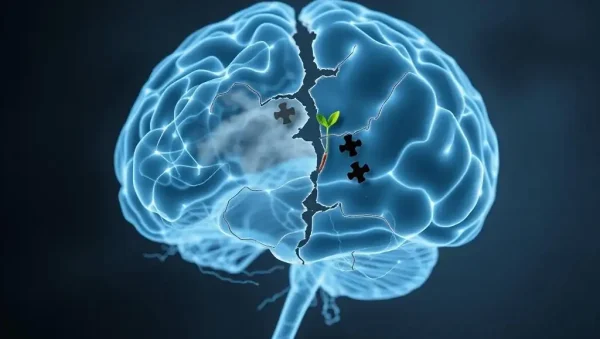
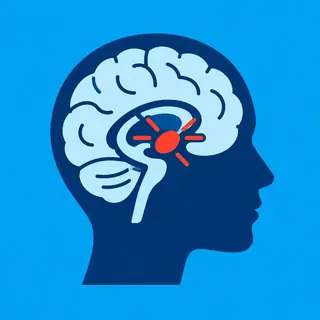
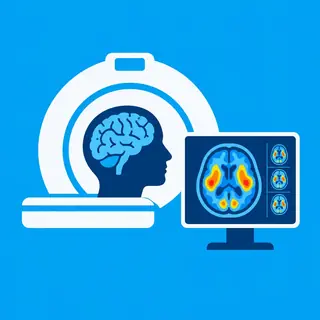
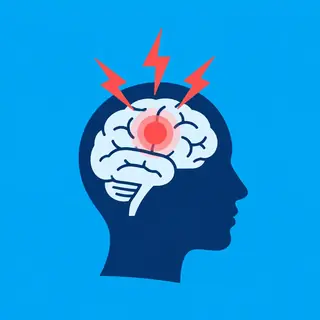
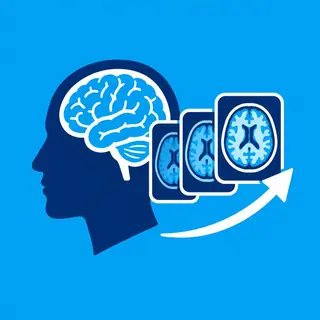
Depression is not just a mood disorder; it’s a brain state. Neuroimaging studies consistently show reduced activity and volume in the dorsolateral prefrontal cortex (DLPFC) and anterior cingulate cortex (ACC)—regions critical for executive control. This hypoactivity leads to slower processing, poor attention regulation, and difficulty shifting between tasks. You may notice that even simple decisions feel overwhelming, as if your brain’s “CEO” has taken a leave of absence. The neurotransmitter imbalances (serotonin, dopamine, norepinephrine) further impair neural communication, creating a vicious cycle where cognitive struggles worsen depressive symptoms.
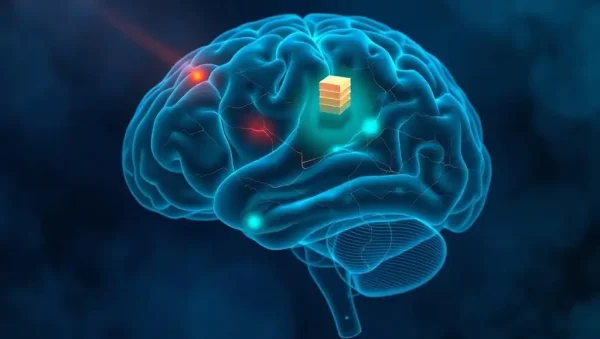
For those living with this condition, it’s crucial to recognize that these cognitive deficits are neurological, not character flaws. Treatments like cognitive behavioral therapy (CBT) and transcranial magnetic stimulation (TMS) target this prefrontal network, helping to reactivate these underperforming regions. Early intervention can prevent chronic cognitive decline, so learning to identify these signs is your first step toward recovery.
📋 Executive Dysfunction: The Hidden Symptom of Depression
Executive function encompasses several high-level skills: planning, organization, time management, emotional regulation, and working memory. In depression, these abilities can drop by up to 30-40%, according to research. Everyday tasks—like paying bills, following a recipe, or remembering appointments—become Herculean efforts. You might feel “brain fog” or experience indecision paralysis, where even trivial choices (what to eat) trigger anxiety. This dysfunction often precedes a depressive episode and can linger even after mood improves, making it a key target for treatment.
Understanding this facet helps you set realistic expectations. If you or a loved one is struggling, consider using cognitive rehabilitation exercises, such as smartphone apps for memory training, or breaking tasks into micro-steps. Occupational therapists can provide tailored strategies. Moreover, antidepressant medications like SSRIs may partially restore cognitive flexibility, but they don’t always fix all deficits—hence, combining medication with psychotherapy offers the best outcomes for executive recovery.
🔗 The Bidirectional Link: Executive Dysfunction and Depressive Relapse
Recent studies reveal a two-way street: not only does depression impair executive function, but pre-existing executive dysfunction increases the risk of developing depression and of relapse. People with weaker cognitive control are more prone to rumination—the repetitive negative thinking that fuels depression. They also struggle to disengage from distressing stimuli, making it harder to regulate emotions. This means that improving executive function can act as a protective factor for mental health, not just a symptom relief.
Practical implications are enormous. For clinicians, assessing executive function at baseline can predict who might resist standard treatments. For individuals, engaging in activities that bolster the prefrontal cortex—like aerobic exercise, mindfulness meditation, and learning new skills—can proactively reduce vulnerability. Even simple habits like maintaining a consistent sleep schedule and reducing multitasking can strengthen cognitive reserves. These lifestyle interventions are cost-effective, stigma-free, and empower you to take charge of your brain health.
⚖️ Differentiating Depression-Related Cognitive Decline from Other Conditions
It’s easy to confuse depression’s executive dysfunction with other conditions such as ADHD, mild cognitive impairment, or even early dementia. However, key differences exist: depression-related cognitive deficits are usually state-dependent (worse during episodes) and improve with recovery, whereas dementia is progressive. ADHD symptoms start in childhood and are chronic, not episodic. A professional evaluation using tools like the Stroop test or Trail Making Test can isolate the cause. This distinction matters because misdiagnosis leads to inappropriate treatments and unnecessary worry.
If you suspect your cognitive struggles are tied to depression, ask for a neuropsychological assessment from a qualified professional. This evaluation provides a baseline and helps guide targeted interventions. It also offers validation—many patients feel relieved to have a scientific explanation for their “laziness” or “forgetfulness.” Remember, depression is a systemic illness that affects the whole body, and acknowledging the cognitive component is not a sign of weakness but a step toward holistic healing.
💡 Strategies to Rebuild Executive Function in Depression
Recovery is not about waiting for the fog to lift; it’s about active retraining. First, start with behavioral activation: schedule tiny, achievable tasks at specific times to rebuild momentum. Use external aids—planners, alarms, and checklists—to offload working memory demands. Practice task-switching drills gently, such as alternating between two simple activities, to improve cognitive flexibility. Mindfulness-based stress reduction (MBSR) has been shown to increase gray matter in the prefrontal cortex. Additionally, consider computerized cognitive training programs, which have moderate evidence for improving working memory in depression.
Nutrition also plays a role: omega-3 fatty acids, B-vitamins, and antioxidants support neuronal health. Sleep hygiene is non-negotiable—deep sleep consolidates memories and clears metabolic waste from the brain. If you’re on medication, talk to your doctor about any cognitive side effects (e.g., anticholinergic burden). Finally, be patient with yourself. Neuroplasticity means your brain can rewire at any age, but it takes weeks to months of consistent practice. Celebrate small wins, and don’t hesitate to seek support from support groups or therapists who specialize in cognitive remediation for depression.
Frequently Asked Questions
Can depression permanently damage the prefrontal cortex?
Chronic depression can lead to structural changes, including reduced dendritic spines and synaptic density in the prefrontal cortex. However, these changes are largely reversible with proper treatment. Antidepressants, psychotherapy, and lifestyle changes promote neuroplasticity, enabling the brain to regrow connections. If left untreated for many years, some cognitive deficits may persist, but improvement is still possible at any age. Early intervention maximizes recovery potential.
How long does it take for executive function to improve after starting depression treatment?
Improvement varies by individual and treatment type. Some people notice cognitive clarity within 4-6 weeks of starting antidepressants, while others may take 3-6 months. Psychotherapy like CBT can yield improvements in 8-12 sessions. Cognitive rehabilitation exercises often show gains after 10-12 weeks of consistent practice. Full recovery of executive function may take up to a year, especially if depression was severe or prolonged. Patience and ongoing support are crucial.
Are there specific medications that help both depression and executive function?
Certain SSRIs (e.g., escitalopram) and SNRIs (e.g., duloxetine) have shown modest improvements in cognitive symptoms. Atypical antidepressants like bupropion are sometimes preferred because they boost dopamine, which enhances motivation and before working memory. However, response is highly individual—some medications can worsen cognition. Always consult a psychiatrist; they may combine medication with cognitive enhancers like modafinil off-label if appropriate. Never self-medicate.
Can executive dysfunction in depression be mistaken for ADHD?
Yes, it frequently is. Both conditions involve attention, organization, and working memory issues. However, ADHD is neurodevelopmental (present since childhood) and not episodic, whereas depression-related dysfunction worsens during depressive episodes and improves in remission. A thorough clinical interview and cognitive testing can differentiate them. This is vital because stimulant medications for ADHD may worsen anxiety in depression, while antidepressants won’t address ADHD core symptoms.
What daily habit most effectively supports prefrontal cortex recovery from depression?
Aerobic exercise is arguably the most powerful single habit. Even 30 minutes of moderate exercise (like brisk walking) five times a week increases brain-derived neurotrophic factor (BDNF), which stimulates neural growth in the prefrontal cortex. It also reduces inflammation and improves mood. Combine this with consistent sleep (7-9 hours) and mindfulness meditation for synergistic benefits. Start small—short walks—and gradually build up to enhance long-term compliance.