Understanding Serotonin and Depression: The Key to Mood Regulation
Welcome to Mind Care Guide’s deep dive into the neuroscience of mental health, specifically focusing on serotonin and depression. This subcategory explores how this vital neurotransmitter influences your mood, sleep, appetite, and overall emotional stability. By understanding the science behind serotonin, you’ll gain practical insights into managing depression, improving resilience, and recognizing when to seek professional help. Our goal is to demystify complex brain chemistry and empower you with actionable knowledge for better mental well-being.
🧠 The Role of Serotonin in Your Brain’s Mood Circuitry
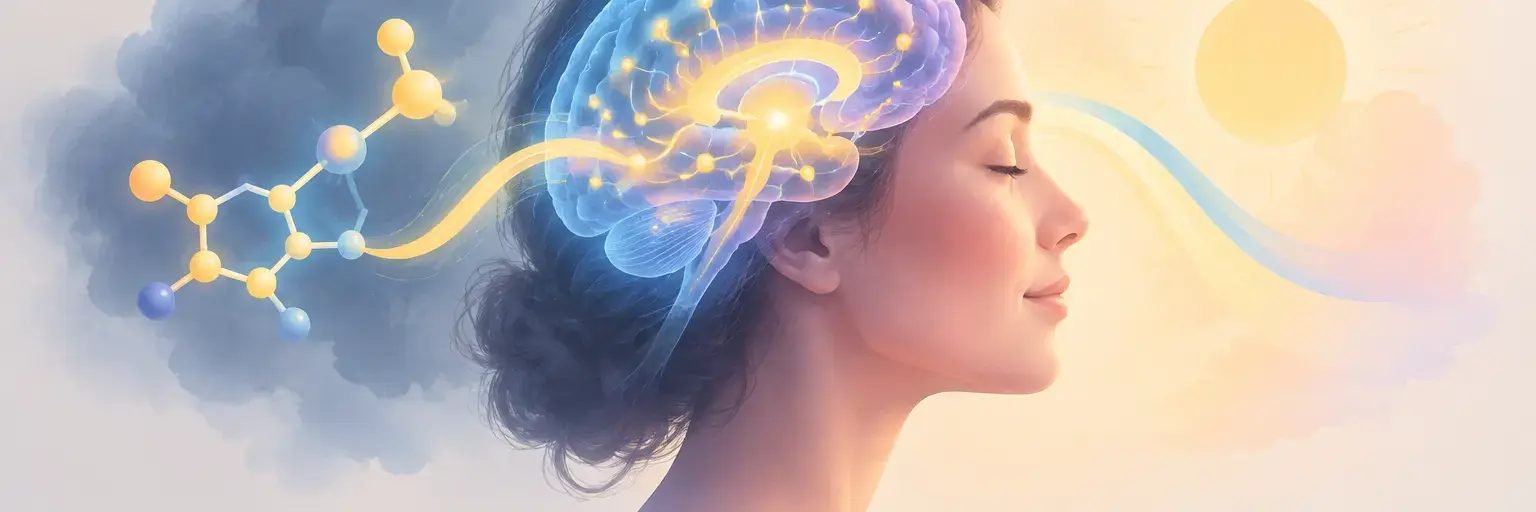
Serotonin, often called the “feel-good” chemical, is not just about happiness—it’s a master regulator of your neural networks. It helps transmit signals between nerve cells and influences how you process emotions, stress, and even memory. Low serotonin levels are strongly linked to depressive symptoms, anxiety, and irritability. In this section, you’ll learn how serotonin interacts with receptors, the gut-brain axis, and the prefrontal cortex to shape your daily mood.
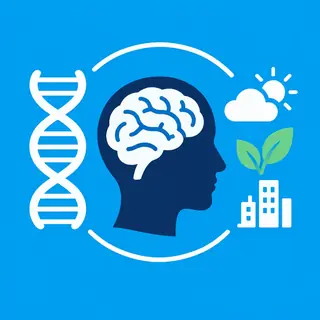
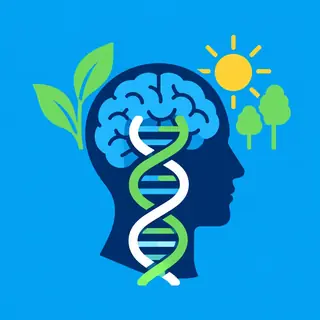
More importantly, we break down why serotonin deficiency isn’t the whole story. Depression is multifaceted, involving genetics, environment, and neural plasticity. Expect to find evidence-based explanations of how selective serotonin reuptake inhibitors (SSRIs) work, along with lifestyle factors like sunlight, exercise, and diet that naturally boost serotonin. This foundational knowledge helps you understand why “chemical imbalance” is an oversimplification and what truly drives mood regulation.
🌿 Natural Ways to Boost Serotonin and Elevate Mood
You don’t need a prescription to support healthy serotonin levels. This section focuses on evidence-based lifestyle interventions: regular aerobic exercise increases tryptophan availability in the brain, while exposure to bright light triggers serotonin synthesis. We also explore how consuming foods rich in tryptophan (like eggs, salmon, and nuts) and complex carbohydrates can improve serotonin production without crashes.
Beyond diet and exercise, we discuss the power of mindfulness, social connection, and adequate sleep—all proven to enhance serotonergic activity. You’ll find actionable routines, such as a 20-minute morning walk or a gratitude journaling practice, with tips on tracking your mood to see what works best for you. This isn’t about quick fixes; it’s about sustainable habits that foster long-term emotional balance and reduce depressive episodes naturally.
💊 How Antidepressants Target Serotonin: What to Expect
For many, medication is a crucial part of recovery. Here, we explain the science behind SSRIs, SNRIs, and newer atypical antidepressants. You’ll learn how these drugs increase serotonin availability in the synaptic cleft, why it takes 2-6 weeks for full effects, and what side effects to anticipate. We also demystify common concerns like emotional blunting and discontinuation syndrome, helping you have more informed conversations with your psychiatrist.
But medication is rarely a standalone solution. This section emphasizes the importance of combining pharmacotherapy with therapy, like cognitive-behavioral therapy (CBT), to rewire thought patterns while the brain adjusts. Expect practical guidance on tracking your response to medication, when to request dose adjustments, and how to recognize warning signs that a different class of drugs might be needed. Our goal is to reduce fear and stigma around antidepressants, portraying them as one powerful tool in your mental health toolkit.
🩺 Serotonin Syndrome: Recognizing the Dangers of Imbalance
While low serotonin is linked to depression, excess serotonin can be life-threatening. This section covers serotonin syndrome, a rare but serious condition caused by overstimulation of serotonergic receptors—often from drug interactions or overdose. You’ll learn the hallmark symptoms: agitation, rapid heart rate, dilated pupils, muscle twitching, and hyperthermia. We explain risk factors, especially combining SSRIs with MAOIs, St. John’s Wort, or certain pain medications.
Early recognition is critical. We provide a clear checklist for when to seek emergency care and how to prevent episodes through careful medication management. Additionally, we address the less severe “serotonin toxicity” and how to talk to your doctor about any new supplements or prescriptions. This knowledge empowers you to be an active participant in your treatment, minimizing risks while maximizing the benefits of serotonergic therapies.
🌱 Beyond Serotonin: Holistic Mood Regulation Strategies
Serotonin doesn’t work alone. This section integrates other key neurotransmitters—dopamine, norepinephrine, and GABA—to show how they interact with serotonin to shape mood. You’ll discover that depression often involves multiple systems, which is why combination therapies (e.g., bupropion with an SSRI) can be more effective for some people. We also touch on the role of neuroplasticity, encouraging activities that promote new neural connections, like learning a skill or practicing meditation.
Our holistic approach includes addressing chronic inflammation, gut health (the “second brain”), and hormonal imbalances that can impede serotonin production. Expect practical recommendations: reducing processed sugar, managing cortisol through stress-reduction techniques, and considering supplements like omega-3s and vitamin D—after consulting your doctor. This integrative view ensures you’re not just treating a chemical deficiency, but nurturing your entire biology for lasting emotional resilience.
🧘 Mindfulness and Cognitive Reframing for Depression
Your brain’s chemistry influences your thoughts, but your thoughts also alter your brain chemistry—a two-way street. This section teaches you how cognitive-behavioral techniques can indirectly support serotonergic function by reducing harmful rumination and learned helplessness. We delve into mindfulness-based stress reduction (MBSR), which has been shown to increase serotonin receptor density over time, improving mood regulation.
You’ll find step-by-step exercises for identifying cognitive distortions (like all-or-nothing thinking) and replacing them with balanced perspectives. We also explore the “behavioral activation” method, encouraging you to engage in pleasurable activities that naturally boost serotonin. By combining these mental habits with the physiological strategies above, you create a feedback loop of positivity. Expect journaling prompts, guided visualization scripts, and daily check-ins to reinforce your progress.
Frequently Asked Questions
Does low serotonin always cause depression?
No, low serotonin is a risk factor but not the sole cause. Depression involves genetics, stress, trauma, and imbalances across multiple neurotransmitters. While serotonin affects mood, many people with depression have normal serotonin levels. Treatment should target the whole person, not just one chemical.
How long does it take for serotonin levels to improve naturally?
Natural interventions like exercise and sunlight can increase serotonin within hours to days, but sustained mood improvements typically take 4-6 weeks. Consistency matters—daily habits create lasting changes in receptor sensitivity and brain structure. Track your mood weekly to see gradual trends.
Can I boost serotonin through my diet alone?
Diet alone cannot drastically raise brain serotonin because tryptophan competes with other amino acids across the blood-brain barrier. However, eating carbs with tryptophan-rich foods (like turkey on whole grain) helps. Combined with protein moderation, this supports, but doesn’t replace, other treatments.
What are the first signs of serotonin syndrome?
Early signs include agitation, diarrhea, sweating, confusion, twitching muscles, and shivering. If you’re on serotonergic drugs and notice these within hours of a new medication or dose change, seek urgent care. Untreated, it can progress to seizures and organ failure.
Is it safe to combine therapy and antidepressants?
Yes, combining CBT or other therapies with SSRIs is often more effective than either alone. Therapy helps address thought patterns while medications adjust brain chemistry. Discuss all options with your clinician to create a personalized plan that fits your needs and preferences.