Understanding "Leaky Gut" and Its Potential Impact on Your Mental State
🌱 Discover how leaky gut mental health issues may influence your mood, cognition, and overall well-being. This comprehensive guide explains the connection…
Read article

Discover how your gut and brain communicate in ways that shape your mood, focus, and emotional resilience. The gut-brain axis—a complex network of nerves, hormones, and microbes—is a powerful frontier in neuroscience of mental health. At Mind Care Guide, we break down the latest science on how your digestive system influences anxiety, depression, and stress, and vice versa. Learn why a healthy microbiome might be your hidden ally for mental clarity, and explore practical, evidence-based strategies to nurture this connection. From dietary tweaks to mindful eating, this guide empowers you to take charge of your mental well-being from the inside out—backed by research and compassionate support.
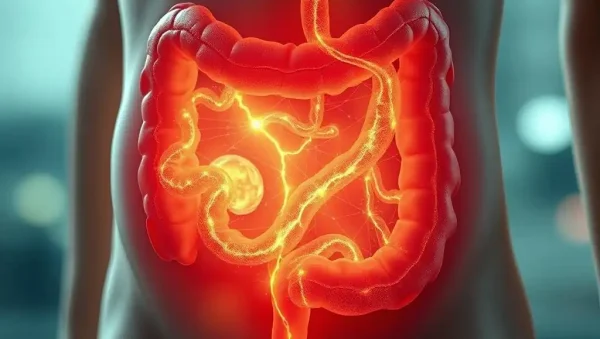
🌱 Discover how leaky gut mental health issues may influence your mood, cognition, and overall well-being. This comprehensive guide explains the connection…
Read article
🌱 Discover the fascinating gut-brain connection benefits anxiety by understanding how gut health influences mental well-being. This article clarifies myths and facts,…
Read article
🌿 Unlock the potential of fermented foods to boost your gut-brain health, fostering mental clarity and emotional resilience. Discover how nourishing your…
Read article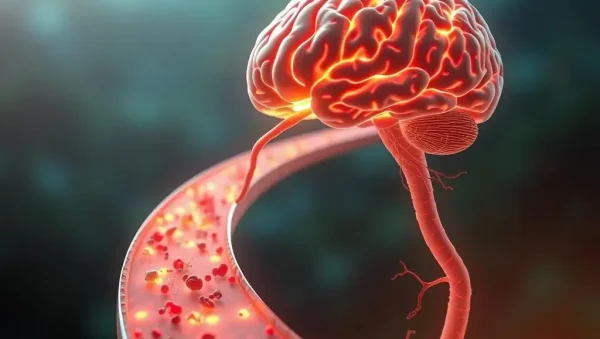
🌟 Discover how the gut-brain connection influences your mental health, revealing a secret highway between your gut and brain. Unlock insights into…
Read article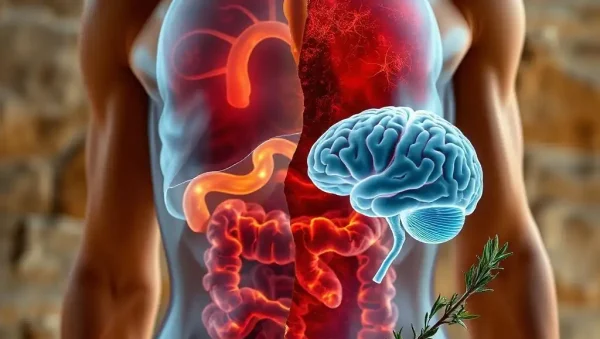
🌱 Discover how gut inflammation can significantly impact mental health, fueling anxiety, depression, and cognitive issues. Understanding the link between gut inflammation…
Read article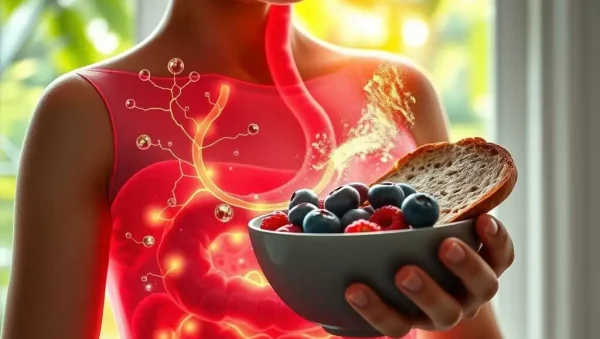
🌱 Discover how dietary fiber supports gut health and mental wellbeing, highlighting its vital role in maintaining a balanced digestive system and…
Read article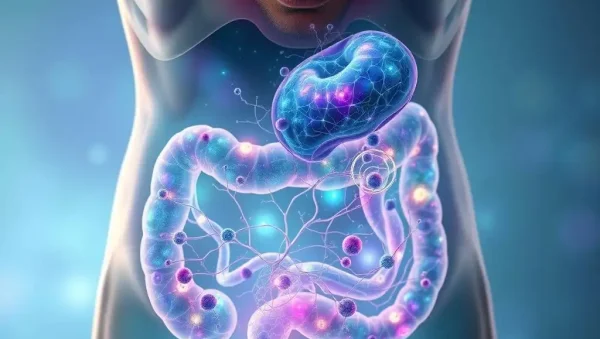
🌿 Discover how improving gut health can alleviate anxiety symptoms, revealing a surprising connection between your digestion and mental well-being. Explore essential…
Read article
🌟 Discover how sleep and stress influence gut health, which in turn impacts mental health. Understanding this intricate connection empowers you to…
Read article
🧠 Discover how your gut instinct mental health connection influences emotional well-being, highlighting the vital role of gut feelings in mental health.…
Read article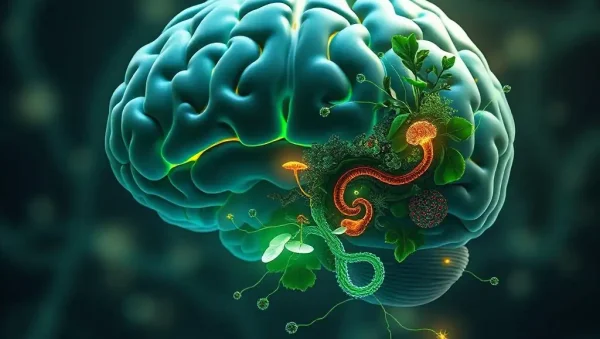
🌿 Discover how the gut-brain connection influences mental health, revealing a powerful link between digestive health and emotional well-being. Unlocking this connection…
Read article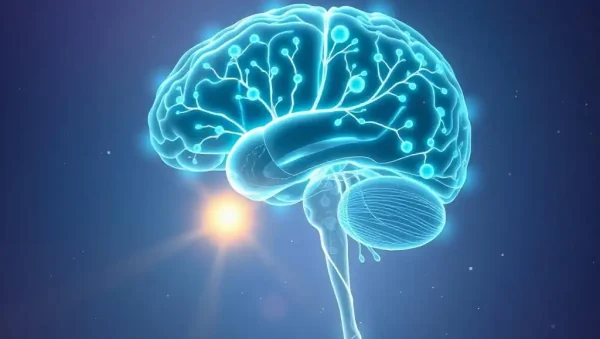
🌟 Discover how the gut microbiome plays a crucial role in cognitive health and mental clarity. Unlock the connection between your gut…
Read article
🌟 Discover how the gut's neurotransmitter production benefits mental well-being, highlighting its vital role in mood regulation, stress management, and overall sanity—unveiling…
Read articleWelcome to the fascinating world of the gut-brain axis, where your digestive system and your mind are in constant, dynamic conversation. At Mind Care Guide, we explore how this bidirectional superhighway influences everything from mood and anxiety to cognitive clarity and resilience. Here, you’ll discover that true mental well-being often begins in your gut, not just in your head. This subcategory dives deep into the neuroscience, practical lifestyle changes, and emerging therapies that harness this powerful link.
The vagus nerve is the primary physical pathway of the gut-brain connection, transmitting signals from your intestinal lining directly to your brainstem. This “wandering nerve” is a two-way street: about 90% of its fibers carry information *up* from the gut, influencing your emotional state, stress response, and even memory formation. When your gut is inflamed or imbalanced, these signals can trigger anxiety or depressive symptoms.
Moreover, your gut microbiome is a chemical factory producing around 90% of your body’s serotonin, the “happiness molecule,” and roughly 50% of your dopamine. These neurotransmitters are not just for mood—they regulate sleep, appetite, and pain perception. By nurturing a diverse microbiome, you are directly supporting your brain’s chemical balance. Expect to learn actionable dietary and probiotic strategies that boost these essential compounds naturally, without relying solely on medication.
What you eat literally feeds your brain’s emotional regulation centers. The Mediterranean diet, rich in omega-3 fatty acids, fermented foods, and high-fiber vegetables, has been shown in clinical trials to reduce symptoms of depression by up to 30% compared to standard Western diets. Omega-3s reduce neuroinflammation, while polyphenols from berries and green tea support neuroplasticity. Conversely, ultra-processed foods and refined sugars can fuel chronic low-grade inflammation that worsens mental health conditions.
We'll guide you through a practical “psychobiotic” meal plan—foods that support beneficial bacteria like lactobacillus and bifidobacterium. You’ll learn about prebiotics (onions, garlic, bananas) and postbiotics (butyrate from fermented foods) that strengthen your gut lining and reduce “leaky gut” permeability. By making small, consistent swaps, you can create a protective buffer against anxiety and mood swings, empowering you to feel calmer and more focused throughout the day.
When you’re under chronic stress, your brain signals your adrenal glands to pump out cortisol and adrenaline. This “fight-or-flight” response directly suppresses the diversity of your gut microbiome and slows digestion, leading to bloating, cramping, and altered nutrient absorption. Over time, this can create a vicious cycle: stress damages the gut, and a damaged gut sends distress signals back to the brain, heightening anxiety and panic.
Understanding this feedback loop is key to breaking it. We’ll explore evidence-based stress-reduction techniques that have a measurable impact on gut health, such as deep diaphragmatic breathing (which actively massages the vagus nerve), mindfulness-based stress reduction (MBSR), and restorative sleep hygiene. You’ll also discover how routine physical activity—even a daily 20-minute walk—promotes microbial diversity and lowers cortisol, offering a natural, non-pharmaceutical way to stabilize your emotional baseline.
Not all gut supplements are created equal, especially when targeting mental health. “Psychobiotics” are specific strains of probiotics (like Lactobacillus rhamnosus GG and Bifidobacterium longum) that have been clinically shown to reduce anxiety and depressive symptoms by modulating the HPA axis (hypothalamic-pituitary-adrenal axis). However, the effectiveness depends heavily on strain specificity, dosage, and whether they survive stomach acid to reach the intestines.
This section demystifies supplement labeling so you can choose high-quality products backed by solid research. We’ll also cover the role of prebiotics—indigestible fibers that feed beneficial bacteria—and postbiotics, the metabolic byproducts that directly influence brain function. You’ll learn how to combine fermented foods (sauerkraut, kefir, kimchi) with targeted supplementation, and why a “one-size-fits-all” probiotic often fails. Our goal is to help you make informed, personalized choices that support your unique mental health journey.
Brain fog, poor memory, and difficulty concentrating are common complaints linked to increased intestinal permeability, popularly known as “leaky gut.” When the tight junctions in your intestinal lining loosen, undigested food particles and bacterial toxins enter your bloodstream, triggering immune responses that can cross the blood-brain barrier. This systemic inflammation is now linked to conditions like major depression, autism spectrum disorders, and even early cognitive decline.
You’ll find a step-by-step 4-week reset protocol here, including an elimination diet, targeted glutamine and zinc supplementation, and low-FODMAP guidance. We’ll teach you how to reintroduce foods to identify triggers, plus how to use bone broth and collagen to repair the mucosal lining. Expect to see clearer thinking, improved mood stability, and better energy levels as you restore your intestinal barrier. Always consult a healthcare provider before starting any severe dietary changes, especially if you have existing medical conditions.
Yes, emerging research strongly supports that gut-focused interventions (diet, probiotics, lifestyle changes) can significantly reduce symptoms of anxiety and mild-to-moderate depression, often as an adjunct to traditional therapy. However, it is not a standalone cure for severe or chronic mental illness. Always work with a mental health professional to create a comprehensive treatment plan that includes medical, psychological, and nutritional support.
Most people report noticeable improvements in mood, energy, and mental clarity within 2 to 4 weeks of consistent dietary changes. However, full microbiome remodeling can take 3 to 6 months. The speed depends on your starting gut health, the extent of dietary change, and your stress levels. Patience and consistency are key—your brain and gut are rebuilding their communication network daily.
Whole fermented foods like yogurt, kefir, sauerkraut, and kimchi offer a wider variety of live bacteria and beneficial byproducts that supplements lack. However, supplements provide higher, more targeted doses of specific psychobiotic strains. The best approach is to combine both: eat fermented foods daily for diversity, and use a high-quality probiotic supplement under a clinician’s guidance for a defined period.
Absolutely. Refined sugar spikes blood glucose, triggers an inflammatory response, and feeds pathogenic bacteria that produce endotoxins. These endotoxins stimulate the vagus nerve, sending alarming signals to your brain, often manifesting as jitters, panic, or racing thoughts. Reducing added sugar and replacing it with complex carbohydrates and fiber can stabilize your mood and reduce these anxiety triggers.
It is robustly backed by neuroscience and gastroenterology. Over 30,000 peer-reviewed studies have mapped the gut-brain axis, including the vagus nerve pathways, neurotransmitter production, and immune signaling. Clinical trials on psychobiotics and diet are ongoing, but the core biological mechanisms are well-established. Major institutions like Harvard and Johns Hopkins publish comprehensive reviews on how your gut microbiome influences mental health.