
Neuroscience of Mental Health
Discover how your brain shapes your mental health in this fascinating exploration of neuroscience and psychology. From the gut-brain connection influencing mood to cutting-edge brain imaging techniques that reveal the hidden workings of mental illness, we break down complex science into actionable insights. Learn about neuroplasticity—your brain’s remarkable ability to rewire itself for recovery—and how dopamine reward pathways drive motivation or lead to addictive patterns. We delve into serotonin and depression, the amygdala’s role in anxiety, and the biological impact of chronic stress on neural circuits. Explore emerging research on neuroinflammation and epigenetics, showing how genes and environment interact to shape mental disorders. Practical topics like neurofeedback training and long-term therapy’s effects on brain scans offer hope for lasting change. Whether you’re curious about the prefrontal cortex’s executive control or seeking evidence-based paths to rewire anxious thought patterns, this category bridges the gap between lab discoveries and everyday mental wellness. Empower yourself with the science behind your symptoms and unlock new strategies for healing.
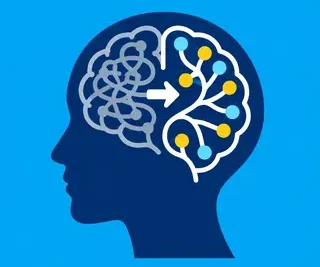 Neuroplasticity and Anxiety Disorders - Brain Rewiring
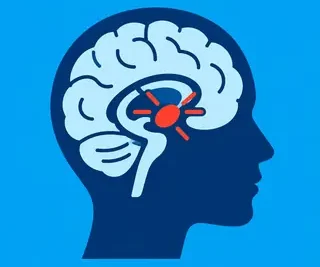 Amygdala and Anxiety - The Fear Center
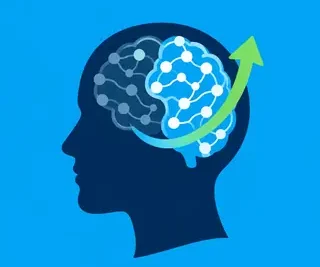 Neuroplasticity and Mood Disorders - Recovery and Change
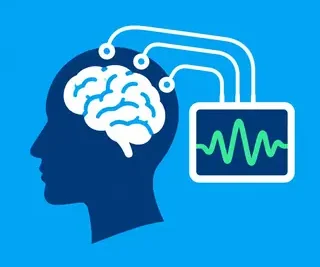 Neurofeedback for Mental Health - Training the Brain
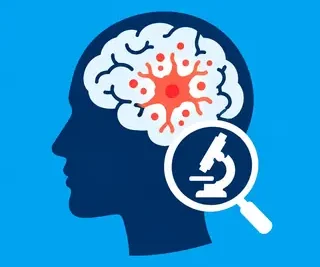 Neuroinflammation and Mental Illness - New Research
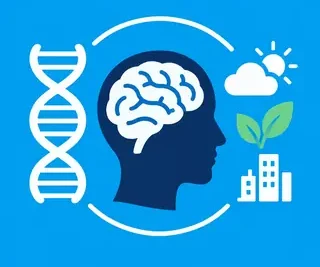 Biological Basis of Mental Disorders - Genetic and Environmental Factors
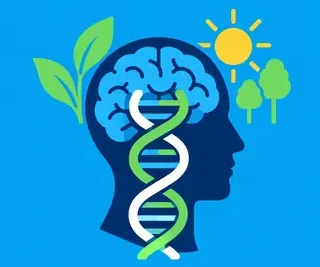 Epigenetics and Mental Health - Genes and Environment
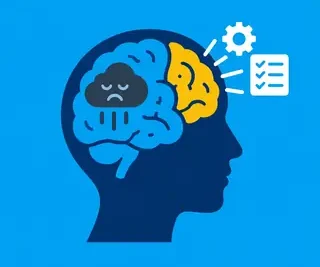 Prefrontal Cortex and Depression - Executive Function
 Effects of Stress on the Brain - Biological Impact
 Long-Term Therapy Outcomes and Brain Changes - Brain Scans
 Serotonin and Depression - Mood Regulation
 Neurotransmitters and Mental Illness - Chemical Imbalances
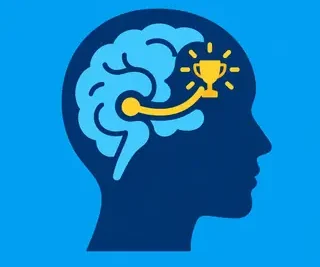 Dopamine and Motivation - Reward Pathways
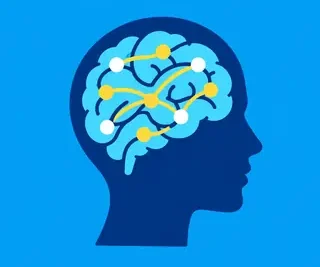 Brain Plasticity and Mental Health - Rewiring the Brain
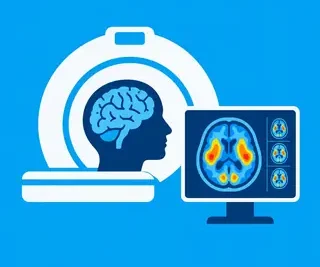 Brain Imaging in Mental Health Research - Tools and Techniques
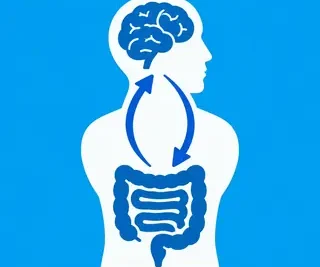 The Gut-Brain Connection - Impact on Mental Health
Neuroscience of Mental Health: Unlocking the Brain's Role in Well-Being
At Mind Care Guide, our Neuroscience of Mental Health category bridges cutting-edge brain science with practical mental well-being insights. Explore how neural circuits, chemical messengers, and adaptive brain changes influence mood, anxiety, and recovery. Whether you're curious about the gut's influence on depression, the power of neuroplasticity, or how chronic stress rewires neural architecture, this resource delivers evidence-based clarity. Perfect for patients, caregivers, and lifelong learners seeking a deeper biological understanding behind mental health challenges and treatments.
🧠 The Gut-Brain Connection - Impact on Mental Health
Discover how your gastrointestinal microbiome communicates bidirectionally with your central nervous system via the vagus nerve and immune signaling. This subcategory explains why gut dysbiosis correlates with anxiety, depression, and even schizophrenia. You'll learn about probiotics, dietary patterns, and the role of short-chain fatty acids in modulating brain inflammation. Expect actionable guidance on prebiotic-rich foods, fermented options, and the importance of a diversified diet to support both digestive and mental resilience.
🔬 Brain Imaging in Mental Health Research - Tools and Techniques
Dive into fMRI, PET, EEG, and DTI technologies that reveal live brain activity, metabolic rates, and white matter integrity. This section clarifies how researchers measure regional blood flow during emotional tasks, map neurotransmitter receptor density, and identify structural anomalies in conditions like PTSD. Learn to interpret imaging findings skeptically, distinguishing correlation from causation. Ideal for those curious about how brain scans inform personalized psychiatric interventions and track treatment response over time.
🔄 Brain Plasticity and Mental Health - Rewiring the Brain
Understand that your brain is not fixed—it reorganizes itself through synaptic strengthening, dendritic branching, and neurogenesis. This subcategory unpacks how learning, mindfulness, and cognitive-behavioral therapy physically alter neural pathways. Explore the critical windows of adolescent plasticity and adult hippocampal neurogenesis. You'll gain evidence-based strategies like spaced repetition, skill acquisition, and aerobic exercise to deliberately promote healthier neural connectivity, empowering you to actively shape your own mental landscape.
⚡ Dopamine and Motivation - Reward Pathways
Examine the mesolimbic dopamine system, from the ventral tegmental area to the nucleus accumbens. This page explains how anticipation, not just pleasure, drives motivation, and why dopamine dysregulation appears in addiction, ADHD, and apathy. Learn about the balance between tonic and phasic dopamine release, plus behavioral methods to recalibrate reward sensitivity—like dopamine fasting, goal chunking, and novelty seeking. Perfect for readers struggling with procrastination or motivation deficits related to depression or burnout.
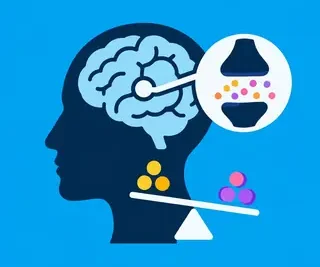
⚗️ Neurotransmitters and Mental Illness - Chemical Imbalances
Move beyond the outdated "chemical imbalance" myth to a nuanced view of glutamate, GABA, acetylcholine, and monoamines as parts of complex circuits. This subcategory breaks down how receptor sensitivity, reuptake, and enzyme activity—not just raw levels—contribute to disorders. Understand why individualized medication responses vary, and how genetic testing (CYP450) can guide choices. Also explore non-drug interventions that modulate these systems, such as exercise for endorphins, sleep for GABA, and diet for tryptophan availability.
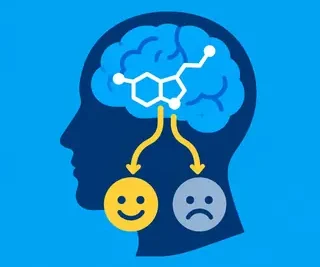
🌦️ Serotonin and Depression - Mood Regulation
Focus on serotonin's role in mood, appetite, sleep, and social behavior. This section evaluates the serotonin hypothesis critically, discussing why SSRIs work for some but not all, and the role of autoreceptors like 5-HT1A. Discover how tryptophan depletion studies reveal vulnerability, and how bright light therapy, omega-3s, and cognitive behavioral approaches influence serotonergic transmission. A must-read for understanding treatment-resistant depression options including esketamine, which targets glutamate rather than serotonin.
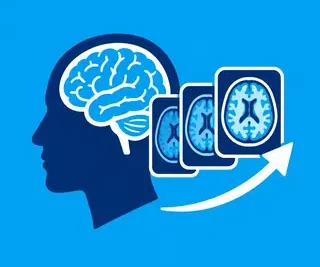
📈 Long-Term Therapy Outcomes and Brain Changes - Brain Scans
See concrete neuroimaging evidence that psychotherapy—like CBT, psychodynamic, and EMDR—induces measurable brain alterations. For instance, CBT can reduce amygdala hyperreactivity while strengthening prefrontal regulation. This subcategory catalogs longitudinal studies showing hippocampus volume recovery and default mode network normalization after successful therapy. Learn why brain changes lag slightly behind symptom improvement, and what that means for patient expectations. Also, examine how neurofeedback or rTMS amplify these structural shifts.
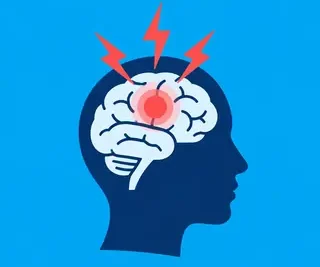
😱 Effects of Stress on the Brain - Biological Impact
Chronic stress elevates cortisol, which, over time, damages hippocampal neurons, shrinks the prefrontal cortex, and enlarges the amygdala. This page explains the HPA axis dysregulation, glucocorticoid receptor resistance, and how early-life adversity modifies stress reactivity. Explore protective factors like social support, mindfulness, and sleep hygiene that buffer neurotoxic effects. Practical stress-reduction techniques—box breathing, progressive muscle relaxation—are framed with their cortical and limbic consequences, helping you appreciate why they work neurologically.
🧭 Prefrontal Cortex and Depression - Executive Function
Delve into the dorsolateral and ventromedial prefrontal regions' role in rumination, decision-making, and emotional control. Depression often presents with hypoactivity of the left PFC and hyperconnectivity with the default mode network. This subcategory covers transcranial magnetic stimulation targeting the dlPFC, cognitive remediation for executive deficits, and exercises like task-switching or working memory training. Learn how improving PFC function can break the cycle of negative thought loops and help regain everyday planning abilities.
🧬 Epigenetics and Mental Health - Genes and Environment
Your DNA sequence is fixed, but gene expression is malleable through methylation, acetylation, and histone modification. This section explains how trauma, diet, exercise, and even parenting toggle genes on or off. Discover research on epigenetic clocks, cortisol-responsive genes (FKBP5), and intergenerational transmission of stress effects. Practical insights include age-specific interventions, the value of early intervention, and the potential of future epigenetic therapies. It's a reassuring message: most mental health outcomes are not set in stone.
🧪 Biological Basis of Mental Disorders - Genetic and Environmental Factors
Understand that psychiatric conditions are polygenic and multifactorial, with heritability estimates ranging from 30-80% for bipolar disorder, schizophrenia, and autism. This subcategory traces gene-environment interactions (GxE), such as the 5-HTTLPR allele moderating depression risk after stress. Explore genome-wide association studies, endophenotypes, and the idea of shared genetic risk across disorders. Clear explanations of polygenic risk scores and their limitations help demystify why family history matters but is never destiny.
🔥 Neuroinflammation and Mental Illness - New Research
Emerging science links microglial activation, elevated cytokines, and blood-brain barrier permeability to depression, bipolar disorder, and anxiety. This subcategory reviews evidence from inflammation markers like CRP and IL-6 and their role in treatment resistance. Learn about anti-inflammatory interventions—from omega-3 fatty acids and curcumin to low-dose naltrexone and lifestyle changes—that may augment traditional therapies. It also covers the gut-brain-immune axis, offering a holistic view of how chronic inflammation affects neural function.
🎛️ Neurofeedback for Mental Health - Training the Brain
Neurofeedback uses real-time EEG or fMRI signals to help you voluntarily modulate brainwave patterns. For example, increasing alpha waves can reduce anxiety, while up-training sensorimotor rhythm aids ADHD. This subcategory explains protocols like alpha-theta training for PTSD and gamma enhancement for cognitive flexibility. It discusses evidence quality, who benefits most, and typical session counts (20-40). Also compare neurofeedback to biofeedback and clarify insurance and certification considerations, providing a practical roadmap for potential users.
🌿 Neuroplasticity and Mood Disorders - Recovery and Change
Mood disorders aren't permanent—plasticity remains intact, even in severe depression. This section highlights how ketamine, psilocybin, and electroconvulsive therapy rapidly promote synaptogenesis, while lifestyle factors (sleep, exercise, social connection) consolidate these gains. Understand the synaptic scaling and neurotrophin (BDNF) mechanisms behind antidepressant action. Learn how mood instability can be harnessed as a window for positive change, with cognitive reframing and relational repair during hypomanic or euthymic phases.
😨 Amygdala and Anxiety - The Fear Center
This subcategory zeroes in on the amygdala's role in threat detection, conditioned fear, and hyperarousal. Discover how extinction learning through exposure therapy weakens amygdala-driven responses while strengthening prefrontal inhibition. Understand the distinction between conscious and unconscious fear pathways, and why some people have naturally reactive amygdalae. Practical tools include interoceptive exposure, grounding techniques, and pharmacological aids like propranolol during memory rehearsal to reduce emotional intensity.
🔁 Neuroplasticity and Anxiety Disorders - Brain Rewiring
Anxiety disorders are linked to overactive threat circuits and underactive safety learning. This page shows how cognitive reappraisal, attention bias modification, and mindfulness rearrange these networks. Review studies demonstrating hippocampal growth after eight weeks of MBSR, and how play therapy or adventure-based interventions reduce amygdala volume in children. Also note the role of sleep in fear memory consolidation and why consistent practice, rather than intensity, drives durable neural reorganization.
Frequently Asked Questions
Can the brain truly rewire itself after years of depression?
Yes, neuroplasticity persists across the lifespan. Even chronic depression shows reversibility through therapy, exercise, and sometimes medications that trigger synaptogenesis. Brain scans reveal increased hippocampal volume and normalized prefrontal activity post-recovery. The key is consistent engagement in novel, emotionally meaningful activities—rewiring is incremental, not instant, but neuroimaging confirms real structural change.
How does gut health directly affect my mood and anxiety?
Your gut produces about 90% of your body's serotonin and houses millions of neurons. Gut bacteria generate neurotransmitters like GABA and dopamine, influence vagus nerve signaling, and modulate systemic inflammation. Dysbiosis can elevate stress hormones and impair tryptophan metabolism. Probiotic and prebiotic interventions show moderate benefit for depressive symptoms in randomized trials, especially when combined with dietary improvement.
Is neurofeedback safe and does it work for generalized anxiety?
Neurofeedback is non-invasive with rare side effects like mild headache or fatigue. For generalized anxiety, alpha-theta and alpha up-training protocols show moderate to strong evidence, though results vary by practitioner skill. Most studies report 40-60% reduction in anxiety symptoms after 20-30 sessions. It's most effective when combined with CBT, and success depends on consistent practice and realistic expectations.
Are brain scans useful for choosing psychiatric medications?
Not yet for routine practice. While EEG and fMRI reveal group-level differences in depression or anxiety, individual-level prediction is still emerging. However, quantitative EEG (qEEG) can sometimes identify medication-responsive subtypes, and certain biomarkers like inflammation markers help predict treatment resistance. Functional brain scans are more useful in research settings than clinical decision-making today, but personalized precision psychiatry is advancing rapidly.
What is the single most effective lifestyle habit to enhance neuroplasticity?
Aerobic exercise—specifically 30-45 minutes of moderate-to-vigorous activity several times weekly—consistently rises above others. Exercise upregulates BDNF (brain-derived neurotrophic factor), stimulates neurogenesis in the hippocampus, and improves prefrontal blood flow. It also reduces inflammatory cytokines and enhances sleep, creating a cascade of plasticity-friendly conditions. Combine with learning new skills and social engagement for additive effects.