Understanding Neuroinflammation and Mental Illness: New Research Insights
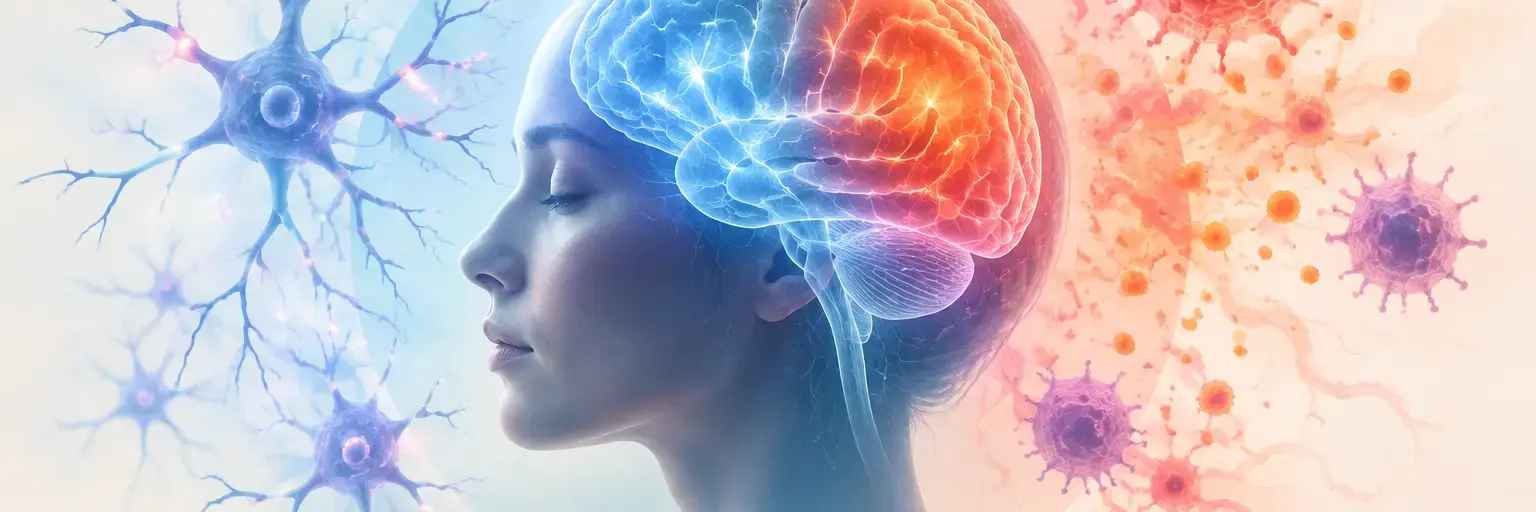
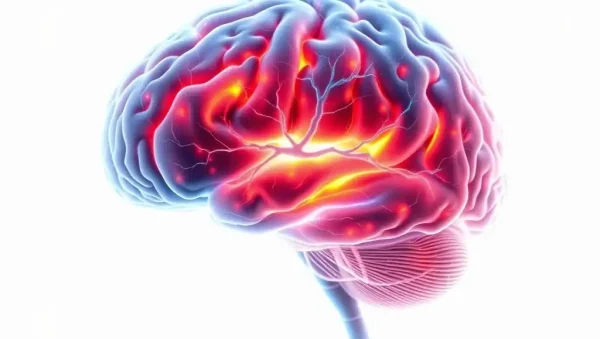
Neuroinflammation—the brain’s immune response gone awry—is emerging as a pivotal biological driver behind depression, schizophrenia, bipolar disorder, and anxiety. This subcategory on Mind Care Guide synthesizes cutting-edge studies, translating complex immunology into practical mental health knowledge. Here, you’ll discover how microglia, cytokines, and gut-brain axis signals shape psychiatric symptoms, and why anti-inflammatory strategies may revolutionize treatment. Whether you live with mental illness, care for someone who does, or are a clinician, this resource connects cellular science to real-world well-being.
🧠 The Microglia–Neuron Dialogue: How Brain Immune Cells Alter Mood
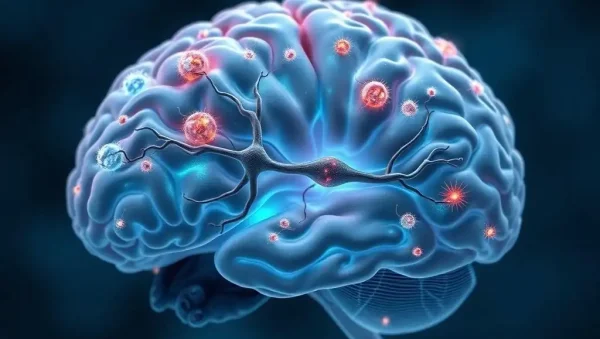
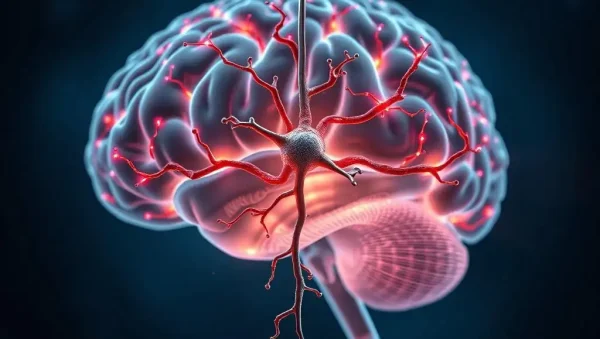
Microglia, the brain’s resident immune cells, were once thought to simply clean debris. New research shows they actively prune synapses, release inflammatory molecules, and modulate neurotransmitter cycles—directly impacting mood regulation. When overactivated by chronic stress, injury, or infection, microglia shift into a pro-inflammatory state, producing cytokines like IL-6 and TNF-α that disrupt dopamine and serotonin signaling. This imbalance is now linked to treatment-resistant depression and psychotic episodes.
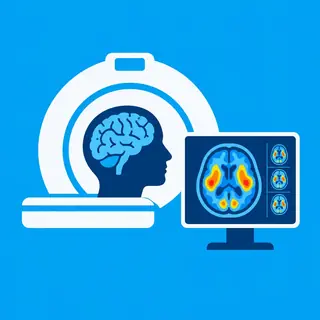
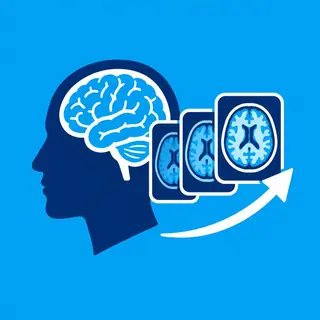
Expect to learn how microglial “priming” explains why some people relapse after trauma or infection. We’ll break down PET imaging studies that visualize live neuroinflammation in patients, revealing why classic antidepressants fail when this immune pathway dominates. Practical takeaways include emerging microglia-modulating therapies, such as minocycline and specific COX-2 inhibitors, currently in late-stage trials—offering hope where standard psychotropics fall short.
🔬 Cytokine Storms in the Brain: Inflammatory Markers You Should Know
Peripheral inflammation—from a chronic infection, autoimmune condition, or poor diet—can cross the blood-brain barrier and trigger central neuroinflammation. Elevated blood levels of C-reactive protein (CRP), IL-1β, and interferon-gamma are repeatedly found in major depressive disorder, generalized anxiety, and early-stage Alzheimer’s with psychiatric features. This section demystifies these biomarkers, showing how routine blood tests can now predict which patients will benefit from anti-inflammatory adjuncts to standard therapy.
We’ll also highlight longitudinal cohort studies tracking inflammatory markers over years, linking them to first-episode psychosis and suicide risk. Expect clear explanations on how stress hormones (cortisol) amplify cytokine release, creating a vicious cycle that medication alone often cannot break. You’ll leave equipped with actionable questions to ask your psychiatrist, plus evidence on lifestyle interventions—like omega-3s, curcumin, and regular exercise—that measurably lower central inflammation.
🌿 The Gut–Brain Axis: New Research on Microbiome-Driven Mental Illness
Your gut’s 100 trillion bacteria are now known to directly influence neuroinflammation via the vagus nerve and microbial metabolites. Dysbiosis—an imbalance of beneficial and harmful bacteria—leads to intestinal permeability (“leaky gut”), allowing lipopolysaccharides (LPS) into the bloodstream, which then trigger brain microglial activation. Recent landmark studies show that fecal transplants from depressed patients into germ-free mice induce depressive behaviors, proving a causal link.
In this subsection, we unpack clinical trials using probiotics (Lactobacillus and Bifidobacterium strains) that significantly reduced anxiety and inflammation in human cohorts. You’ll also learn about postbiotic compounds like butyrate, which strengthen the blood-brain barrier and reduce neuroinflammation. Expect guidance on dietary patterns—Mediterranean, plant-heavy, low-sugar—backed by randomized controlled trials that lowered CRP and improved mood scores within eight weeks, giving you a science-based roadmap for recovery.
🧪 Anti-Inflammatory Psychiatry: Emerging Drug Targets and Repurposed Medications
Traditional antidepressants target neurotransmitters, but a new wave of research repurposes anti-inflammatory drugs for psychiatric use. This includes low-dose naltrexone (an immune modulator), statins, and the anti-diabetic drug metformin—all showing promise in reducing neuroinflammation and boosting treatment response in resistant depression. We’ll examine phase II/III trials on monoclonal antibodies like infliximab (anti-TNF) and tocilizumab (anti-IL-6), which produced robust antidepressant effects only in patients with confirmed baseline inflammation.
Explore the rationale behind combining SSRIs with NSAIDs (like celecoxib) or the nutraceutical saffron, which inhibits microglial activation. We’ll also cover the dark side of chronic steroid use and how it can trigger mania, illustrating the delicate balance of immune modulation. Each drug profile includes dosing, side effects, and monitoring tips—empowering you to have informed conversations with your clinician about off-label options that may break refractory illness cycles.
🏃 Lifestyle Science: Exercise, Sleep, and Stress Reduction as Anti-Neuroinflammatory Tools
Pharmacology alone rarely suffices; lifestyle changes are now objectively validated as neuroimmune interventions. Aerobic exercise increases brain-derived neurotrophic factor (BDNF) and reduces IL-6 in just 12 weeks, while sleep restriction elevates amyloid-beta clearance failure and microglial activity—linking poor sleep to psychiatric flares. This section translates these lab findings into weekly routines: 150 minutes of moderate cardio, 7–9 hours of consistent sleep windows, and 10-minute mindfulness sessions shown to lower CRP.
You’ll find practical checklists for creating an “anti-inflammatory day,” including cold exposure, omega-3-rich meals, and reducing ultra-processed foods that spike endotoxins. We’ll also discuss mind-body interventions like yoga and qigong, which downregulate NF-κB, a master pro-inflammatory gene switch. Real-world case studies from our community show combining lifestyle changes with standard care reduced hospitalizations by 40%, proving you can actively modulate your neuroimmune milieu.
⚠️ Red Flags and Next Steps: When Neuroinflammation Signals a Larger Issue
Not all mental illness stems from neuroinflammation; but when symptoms are sudden, severe, or accompanied by fatigue, brain fog, or fever, immune-driven causes should be ruled out. Autoimmune encephalitis, Lyme disease, and systemic lupus can masquerade as bipolar disorder or psychosis. This section teaches you when to request neuroimaging (MRI with contrast), lumbar punctures for cytokine analysis, or antibody panels—and what results mean for prognosis and treatment.
Expect a decision tree for differentiating primary psychiatric conditions from secondary neuroinflammatory disorders. We’ll highlight urgent clinical trials recruiting participants with treatment-resistant depression and elevated CRP, offering access to experimental biologics. Finally, we’ll guide you to building a multidisciplinary care team—psychiatrist, immunologist, and neurologist—to ensure no stone is left unturned. Early detection can reverse cognitive decline and stabilize mood, so vigilance here is life-changing.
Frequently Asked Questions
Is neuroinflammation the cause of all mental illnesses?
No. Neuroinflammation is a significant factor in many, but not all, cases—particularly in treatment-resistant depression, psychosis, and post-infection mood disorders. Genetics, neurotransmitter imbalances, trauma, and developmental factors also play roles. That said, up to 30% of depression patients show elevated inflammatory markers, and trials targeting inflammation work mainly in that subgroup. Your clinician should assess inflammation markers (CRP, cytokines) to see if this pathway applies to you.
How can I measure my own neuroinflammation at home?
You cannot measure it directly at home; that requires PET scans or CSF analysis in hospitals. However, blood tests for high-sensitivity CRP (hs-CRP), IL-6, and TNF-α are widely available through labs like Quest or Labcorp without a doctor’s order. Elevated hs-CRP (>3 mg/L) alongside psychiatric symptoms suggests peripheral inflammation that may affect the brain. Share results with your psychiatrist, but avoid self-diagnosis—stress or infection can also raise these markers temporarily.
Can diet alone reduce neuroinflammation enough to improve mental health?
In some individuals, yes. Anti-inflammatory diets (Mediterranean, low-glycemic, rich in omega-3s) lower CRP and IL-6 by up to 20% within 3–6 months, as shown in randomized trials. This can alleviate mood symptoms, especially when combined with exercise and sleep hygiene. However, for severe or acute psychiatric episodes, dietary changes are adjunctive—not a replacement for medication or psychotherapy. Use diet to augment, not substitute, professional care, and monitor progress with symptom tracking.
Are anti-inflammatory drugs safe to take with antidepressants?
Many are, but not all. NSAIDs like celecoxib can interfere with SSRI metabolism and increase bleeding risk—always coordinate prescriptions. Low-dose naltrexone, statins, and metformin generally have good safety profiles when monitored, but you need medical oversight for liver, kidney, and blood sugar effects. Never combine multiple anti-inflammatory agents blindly; ask your doctor to check for drug interactions and baseline lab work before starting any new agent.
What does new research show about neuroinflammation and suicide risk?
Emerging studies link higher cerebrospinal fluid IL-6 and microglial activation to increased suicidal ideation, independent of depression severity. PET scans reveal heightened neuroinflammation in the anterior cingulate cortex of suicide attempt survivors. This opens paths for predictive biomarkers—elevated blood cytokines plus CRP may flag high-risk individuals. Anti-inflammatory interventions (e.g., celecoxib, omega-3s) are now being tested as rapid-acting suicide prevention aids, though current evidence is preliminary—seek immediate help if you’re in crisis.